Economic Observer Follow
2026-10-31 13:18

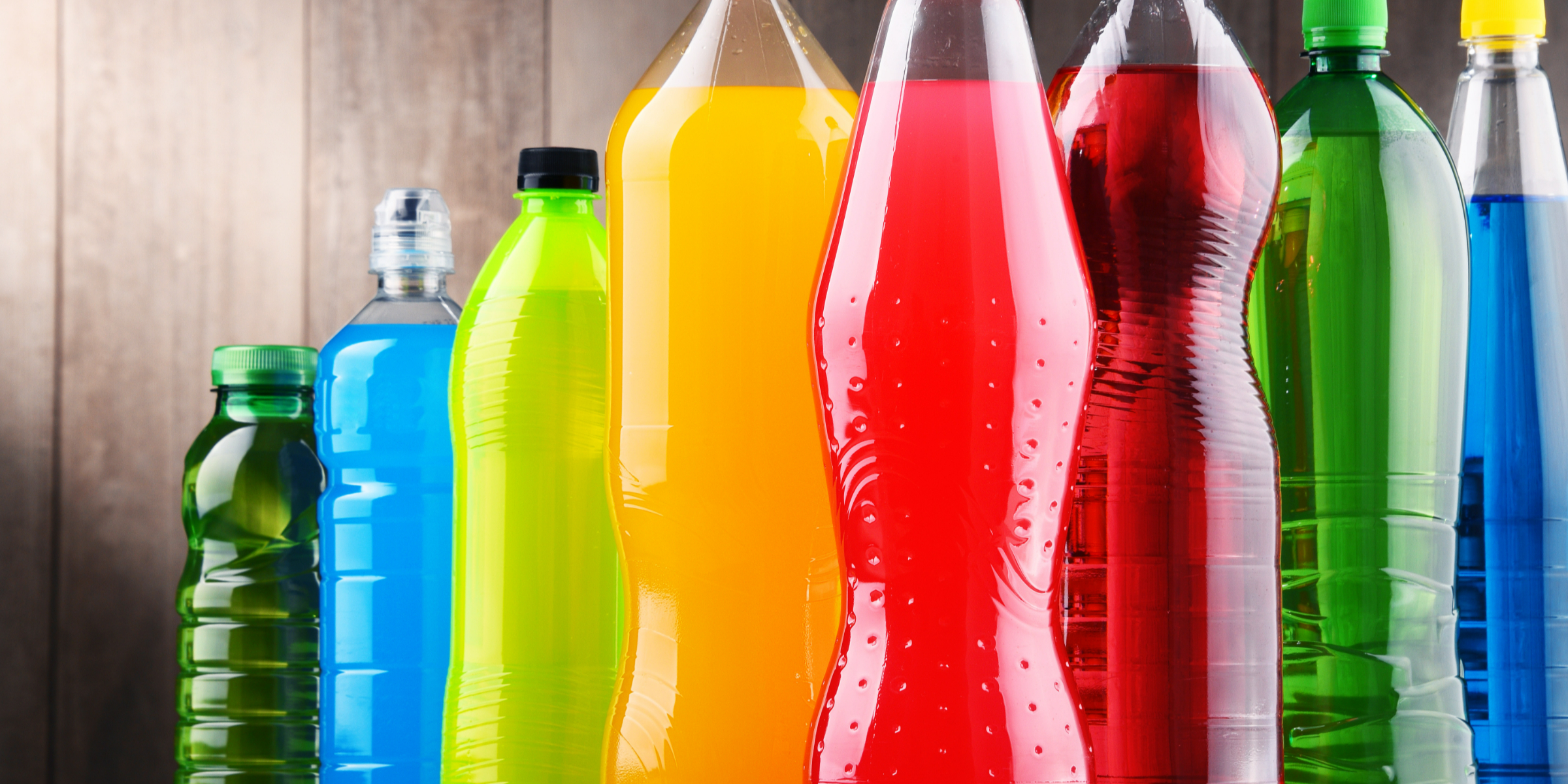
A 500ml bottle of beverage, if it contains more than 5 grams of sugar per 100 milliliters, should consume at least 25 grams of sugar. Starting from July 1, 2027, such beverages will be subject to a consumption tax in Germany, with a tax rate of 0.26 euros or 0.32 euros per liter.
On October 14, 2026, the German Federal Cabinet voted to pass a legislative proposal for a consumption tax on sugary drinks, which plans to impose two tiered tax rates on beverages that meet the required sugar content starting from July 1, 2027. The new tax aims to reduce excessive sugar intake, encourage production enterprises to adjust their formulas, and alleviate the financing pressure of public medical insurance. However, the bill still requires parliamentary review and approval.
This is not an isolated action. In July 2025, the World Health Organization launched the "3by35" initiative, calling on countries to raise the actual prices of tobacco, alcohol, and sugary drinks by at least 50% through health taxes by 2035. According to a report released by the World Health Organization in January 2026, as of July 2024, at least 116 countries worldwide have imposed consumption taxes on at least one sugary beverage at the national level.
In China, sugary drinks are not yet included in the current consumption tax category. Several researchers have previously predicted that sugary drinks may be included in the expanded scope of consumption tax. The new version of the National Food Safety Standard for Prepackaged Food Nutrition Labeling General Rules will be officially implemented from March 16, 2027, and sugar and saturated fatty acids will be added to the mandatory labeling scope.
The latest research and calculation released by Zheng Rong, a professor at the University of International Business and Economics and director of the Health Tax and Fiscal Policy Cooperation Center of the World Health Organization, and his team shows that if China officially introduces a sugar tax on sugary drinks (hereinafter referred to as the "sugar tax"), it will drive up terminal retail prices by 20% or 30%, and is expected to bring about approximately 170.2 billion yuan and 236.4 billion yuan in consumption tax revenue, respectively.
Li Hua, director of the Tax Research Center at Shandong University, told the Economic Observer that the intensive introduction of sugar taxes by multiple countries is driven by two mutually supportive main lines:
One is the pressure of public health. The association between excessive intake of added sugar and obesity, type 2 diabetes, cardiovascular disease, children's dental caries has been confirmed by a large number of studies. The resulting medical expenditure and labor losses are ultimately shared by the society. Sugar control is no longer a matter of personal taste, but a public policy issue.
The second is international policy consensus. The World Health Organization will launch the "3by35" initiative in 2025, with the goal of raising the actual prices of sugar, alcohol, and tobacco products by 50% through health taxes by 2035; The OECD and other organizations have also included sugar taxes in the scope of health taxes. Under the convergence of standards, countries have obtained ready-made policy basis and implementation templates, and the sugar tax has thus shifted from individual experiments to collaborative actions within a framework.
However, Li Hua also believes that the sugar tax cannot play a standalone role and should be upgraded simultaneously with the management of nutrition labels, the regulation of advertising for sugary drinks targeting minors, and the implementation of the ban on sugary drinks on campus, forming a three-dimensional sugar control system.
Global Encirclement and Suppression
The design logic of the German plan is to link the tax rate to the sugar content of beverages. The products to be taxed include soda, iced tea, energy drinks, sweetened fruit drinks, and fruit juice drinks, as well as sugar syrup and concentrate used for the catering industry and consumer beverage preparation. The plan includes concentrated liquids and raw materials for preparation, which helps prevent companies from avoiding taxation by changing the supply form or diluting and blending beverages through sales terminals. Whether related products are taxable still depends on the statutory product classification and total sugar content.
For every 100 milliliters containing 5 grams or more of sugar, a tax of 0.26 euros per liter will be levied; For those weighing 8 grams or more, the price will be increased to 0.32 euros per liter.
According to information released by the German government during the same period, the tax is expected to bring in approximately 690 million euros in revenue in 2027 and reach approximately 925 million euros in 2028.
Germany has drawn a clear line for the tax-free scope in advance: beverages using sweeteners are not subject to taxation, pure fruit juice, non-alcoholic beer, and non-alcoholic wine are not subject to taxation, and plant-based beverages made from soybeans, nuts, and grains are also not subject to taxation; Small production enterprises with an annual output of less than 1 million liters are directly exempt from taxes.
Germany is not the only country that adopts a tiered taxation system. When the UK introduced the consumption tax on sugary drinks in 2018, it was levied in tiers based on the sugar content per 100 milliliters. The UK government is also considering further tightening: lowering the tax exemption threshold from 5 grams of sugar per 100 milliliters to 4 grams, which means that a large amount of flavored milk and milkshake drinks will be subject to taxation.
From the perspective of countries that have already implemented sugar taxes, the effect of sugar control is significant.
Mexico has consistently had the highest consumption of sugary drinks in Latin America, with prominent issues of overweight and obesity. The country was the first to introduce a sugar tax in 2014 and significantly raised the tax rate this year. According to a special report released by the Mexican National Institute of Public Health in March this year, since Mexico imposed a tax of 1 Mexican peso per liter on sugary drinks in 2014, the increased beverage prices have been transmitted to the consumer end based on the tax amount. After two years of taxation, the sales of related products have decreased by about 7.6%, with a particularly significant decrease for low-income households.
The UK has adopted a tiered taxation mechanism, successfully forcing companies to adjust their formulas and reduce sugar additives. From 2015 to 2019, the sugar content of taxed beverages decreased by 43.7%, and total sugar sales decreased by 35.4%.
Zheng Rong introduced at a seminar that there are three main tax calculation models for sugary drinks internationally: based on price, based on volume or sugar content, and based on sugar content grading. The tiered taxation model adopted by the UK has shown significant effectiveness in forcing companies to adjust their formulas, but it requires high standards for nutrition labeling, product testing, and management capabilities.
However, the sugar tax also faces a problem: the tax raises the price of sugary drinks, but it may not necessarily reduce the total amount of sugar consumers consume from all foods.
Ye Yongqing, a partner at Anli Law Firm, referred to the substitution effect as the "most criticized weakness" of the sugar tax: "Both international research and domestic data analysis indicate that the decline in consumption of sugary drinks may only shift towards other high sugar foods, without achieving a decrease in total intake." His judgment is that the sugar tax can significantly compress the channel of taxable sugary drinks, but it is difficult to achieve the task of reducing sugar intake in the whole society using it alone. The response strategy proposed by the World Health Organization is to relax the tax base, broaden the scope as much as possible, exempt only sugar free water, and even suggest including non sugar sweetened beverages to block alternative channels.
According to the aforementioned report by the World Health Organization, out of 116 countries, 114 countries apply taxes to the best-selling sugary carbonated beverages, and 85 countries also impose taxes on beverages containing sugar substitutes. However, the World Health Organization also pointed out that the intensity of sugar taxes in various countries is generally weak, with the median tax rate accounting for only about 2% of the price of ordinary carbonated beverages, and the tax scope often omits categories with high sugar content such as fruit juice, sweetened milk drinks, and ready to drink coffee and tea drinks.
Another unavoidable controversy is tax fairness. Li Hua analyzed that low-income groups have a higher proportion of their total consumption expenditure on sugary drinks, and the tax burden they bear under the same consumption volume accounts for a higher proportion of their income. Quantitative taxation will result in a regressive tax pattern.
However, she believes that the fairness should not be judged only by tax burden sharing: low-income people have taken too much added sugar for a long time, and the subsequent risks of obesity, diabetes, and oral diseases are also higher. What needs to be accounted for is the balance after the tax cost and health benefits are offset. Her conclusion is that the measure of policy fairness is not whether the tax burden is equal, but whether the net benefits obtained by different groups can be roughly balanced.
Will China levy taxes
The tax system construction for sugary drinks in China is still in its infancy.
Consumption tax is the third largest tax category in China, with a domestic consumption tax revenue of 1.6857 trillion yuan in 2025, an increase of 2% over the previous year and accounting for 9.6% of the overall tax revenue. Currently, it levies taxes on 15 types of special consumer goods, with tobacco, alcohol, automobiles, and other tax items accounting for the majority of revenue. The scope of taxation for unhealthy products has long been limited to a few categories such as tobacco and alcohol.
The policy stance has loosened in the past two years. The 2026 Government Work Report proposes to "adjust and optimize the scope and rate of consumption tax collection, and promote the postponement of the collection process for some items"; The outline of the "15th Five Year Plan" clearly states that "we will improve the local tax system, promote the shift of the consumption tax collection process and steadily lower it to the local level, and increase local independent financial resources"; The 15th Five Year Plan for National Health includes promoting the participation of the whole society in reducing salt, oil, and sugar.
Zheng Rong believes that the conditions for taxing sugary drinks are becoming increasingly mature: consumers support taxation, and manufacturers' willingness to actively reduce sugar is also increasing; The motivation of the health and finance departments to expand health investment and broaden financial resources is also increasing, and starting next year, mandatory labeling of sugar on food packaging will precisely fill the most needed prerequisite for the tax system.
Starting from March 16, 2027, all pre packaged beverages must have a mandatory and separate labeling of sugar content on their packaging. The "sugar" indicated in the standard specifically refers to five categories: glucose, fructose, sucrose, maltose, and lactose.
But the special feature of the Chinese market is that, in addition to bottled beverages, the volume of freshly made tea drinks and fresh fruit tea is also enormous.
Li Hua believes that this determines that relevant policies cannot directly copy foreign plans. If only bottled beverages are taxed and freshly made beverages are left out, the tax burden on similar high sugar consumption behaviors will be inconsistent, which is neither fair nor will push consumption towards untaxed categories, weakening the effectiveness of sugar control. However, freshly made beverages are precisely the most difficult link in tax source control, with on-site sugar blending, fluctuating single product sugar content, and no unified quantitative standard for 'semi sugar' and 'low sugar'
The tax system model therefore faces trade-offs. Li Hua's comparison is: from the perspective of sugar control effect, quantity based taxation is more suitable for policy goals, with taxation based on sugar content levels. The higher the sugar content, the heavier the tax burden, and the price signal is directly linked to the sugar reduction target; However, from the perspective of practical tax management, the process of calculating based on price is simple and does not require individual verification of product sugar content. The cost is a decrease in the accuracy of controlling saccharin.
She also pointed out a specific flaw of ad valorem taxation: products with high selling prices but low sugar content bear higher tax burdens, while low-priced and high sugar products have lighter tax burdens, which goes against the original policy intention.
The mismatch between tax sources and health burdens is another issue that needs to be coordinated in advance. The data provided by Li Hua shows that the industrial agglomeration characteristics of domestic soft drink production are obvious, with the top five provinces in terms of output accounting for over 45%, and Guangdong Province alone accounting for nearly 18%. If taxes are levied in the production process, the income is concentrated in the production area, but the consumption of sugary drinks and the burden of related diseases are distributed throughout the country: the consumption distribution is high in the east and low in the west, while the prevalence of diabetes and other related diseases is high in the north and low in the south.The tax source location, consumption location, and health burden location do not overlap, and tax collection, fund allocation, and targeted use need to be coordinated through transfer payment mechanisms.
Ye Yongqing believes that the introduction of a consumption tax on sugary drinks faces resistance in terms of management conditions, fiscal positioning, industry lobbying, and consumer pressure, and the intensity varies. On the fiscal side, it is necessary to clarify that the goal of taxation is social behavior regulation, and raising funds is a side effect, in order to understand the result that the more successful the sugar tax is, the smaller the tax base will be. At the same time, the conditions for tax collection and management also need to be established. On the industrial side, corresponding institutional design can be used to mitigate the impact, such as Germany's tax exemption for small producers and the UK's buffer period for industries, both of which are arrangements made to reduce legislative resistance. The pressure on the consumer side can be alleviated through clarifying tax boundaries, income feedback, and other means.
Influence
The widespread introduction of sugar taxes has already had an impact on the global beverage industry.
Ye Yongqing believes that the sugar tax is already reshaping the global beverage industry, and the direction is clearer than imagined: "Reducing sugar is gradually becoming the mainstream strategy." He summarizes this reshaping in one sentence: "The way the sugar tax reshapes the industry is not by relocating the map, but by rewriting the formula table
He judged that the space for tax avoidance in relocating production capacity is smaller than imagined: beverages are an industry that emphasizes logistics and localized consumption, and factories are located wherever market demand is. The real adjustment occurs on the product side, replacing sugar, adjusting specifications, and adjusting formulas. So, the sugar tax is unlikely to shake the beverage industry itself, but may accelerate the push of high sugar products from the mainstream to the margins, which is also what the policy itself hopes to see
Zhu Weiqun, Dean of the Institute of Modernization of Tax Governance at Shanghai University of Finance and Economics, believes that from the perspective of enterprises, tiered and quantity based taxation can incentivize formula adjustments and new product development, but the actual way in which taxes are borne in the supply chain is uncertain. Large brands may respond by reducing sugar on a large scale, re pricing, and adjusting marketing strategies, while small businesses face additional costs such as testing, declaration, inventory, and system upgrades. Germany's plan to establish scale exemptions is an arrangement to reduce the adaptation costs of the small and micro producer system, but it also needs to prevent companies from obtaining exemptions through artificially splitting their operating entities.
Li Hua reminds that in the initial stage of the policy, incremental income can be generated, but in the long run, with the decline in consumption of sugary drinks, tax sources may shrink. However, the decrease in tax revenue scale precisely represents progress in controlling sugar, which is not in conflict with the original intention of the policy.
There are significant differences in institutional arrangements among countries regarding the use of fiscal revenue generated after the introduction of consumption tax.
Ye Yongqing sorted out two types: Germany went the farthest, designing the sugar tax as a "purpose tax", and legislative documents mandating that income be used to stabilize the statutory medical insurance fund and reduce federal subsidies for the health fund; The UK is a 'commitment based fund' that invests income in school sports and children's breakfast programs, and promises that even if income decreases with sugar reduction, this investment will not shrink.
Ye Yongqing said that the advantage of using special funds is that the public can intuitively see that "the sugar tax I paid has become a playground for children", greatly improving the legitimacy and acceptance of policies; The cost is to damage the integrity of the budget, as the decrease in revenue with sugar reduction is a successful manifestation of the system, but in turn constrains expenditure arrangements.
Ye Yongqing believes that, based on the previous experience of calculating and levying alcohol consumption tax, the following approach may be considered: in terms of tax rate, it should be based on quantity and combined with quantity and price. That is to say, pre packaged beverages should be taxed based on sugar content, which is relatively more accurate; Sugar substitute drinks and freshly made drinks are supplemented with ad valorem drinks; Pre packaged beverages are subject to taxation during production or import, and backend verification is strengthened. On the exemption list, a relatively safe approach is "narrow exemption": pure water, sugar free beverages, and pure milk are exempt without controversy; Although pure fruit juice is high in sugar, it is exempted by customary practices in various countries. It can be followed up in the initial stage and left for evaluation; Sugar substitute beverages are not currently subject to taxation, but the World Health Organization has warned of their substitution risks and requires follow-up observation. In terms of income attribution, he suggested that including general financial resources, supplemented by budget arrangements, and budget transparency is an option.



 Subscribe