


This article proposes three core concepts of "carbon silicon symbiotic economics": carbon silicon interface, time friction, and incompressibility. The interface is not a data line, but a trading venue that integrates "interpretation constraint arbitration". Its essence is a pricing market that combines decision-making power and cognitive burden. Among the four design principles, "human ultimate veto power" is the last line of defense. Time friction arises from the qualitative difference between carbon based biological time and silicon-based electronic time, manifested in three layers of friction: decision-making speed, strategic perspective, and responsibility cycle, which need to be buffered by a "translation layer" rather than accelerated. Incompressibility anchors values such as trust, aesthetics, and fairness that cannot be algorithmic and must be set as hard constraints rather than quantifiable terms. The interlocking of the three forms an analytical triangle of "place conflict anchor", providing a unified framework for subsequent micro exchange and value attribution

The essence of the philosophy of "old playboy" is that one can appreciate oneself alone, but the most detestable thing is being too lofty and too few.

This article is a cognitive foundation of carbon silicon symbiotic economics. Decompose the heterogeneous logic of carbon based and silicon-based intelligence from three dimensions: biological basis, decision-making mode, and economic advantage. Carbon based intelligence is limited by cognitive bandwidth and has cross domain association, empathy, and moral intuition, responsible for direction setting and final judgment; Silicon based materials are not constrained by fatigue and can exhaustively search for global optima, but they are unexplainable and lack intrinsic value anchors, responsible for systematic optimization and execution. The ability structures of the two do not overlap, complementarity is necessary for collaborative leasing - carbon based provides the purpose, silicon-based provides the method; Differences themselves are the sole source of collaborative value. Based on this, the article clarifies the boundaries of collaboration and proposes a three-layer institutional framework consisting of a cognitive layer building interface language, an incentive layer re cutting joint output, and a constraint layer setting ethical hard walls, laying the cognitive foundation for subsequent institutional and governance articles.
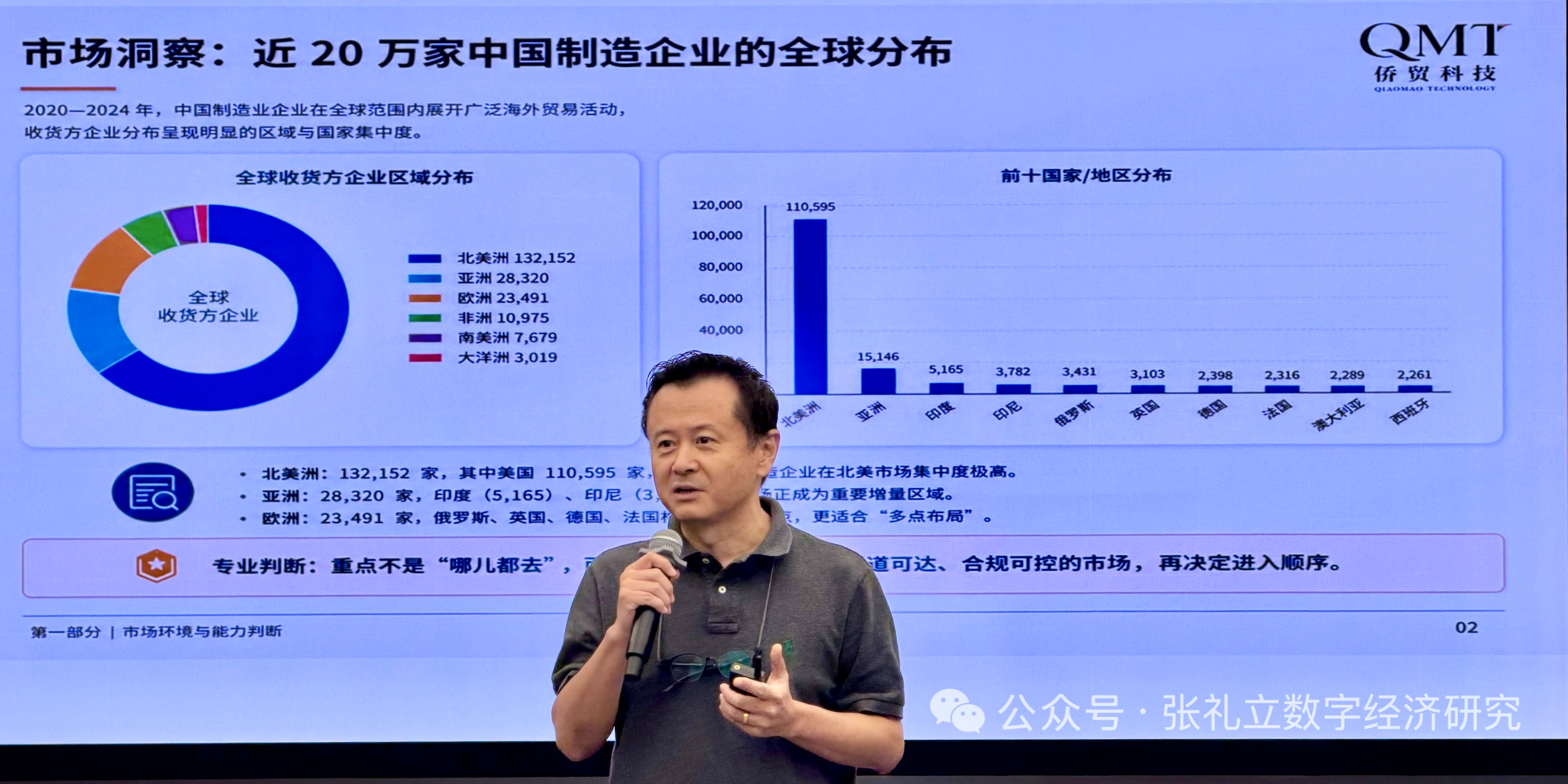
The next step for Shanghai's high-end industry to lead is to move from an "industrial highland" to a "manufacturing paradigm". The real answer to Baoshan's construction of a city wide intelligent manufacturing leading zone is how Shanghai can transform the "four functions" of global resource allocation, technological innovation strategy, high-end industry leadership, and open hub portal into the organizational capabilities of the next generation of manufacturing industry. Zhang Lili proposed that in the future, competition in high-end industries will no longer be limited to enterprises, products, and production capacity, but rather a systematic competition in technology, scenarios, standards, services, finance, green and ecological aspects. The significance of Baoshan is not only the transformation of district level industries, but also an important touchstone for Shanghai to explore the path of intelligent, green, and integrated development.

On August 15th, the world's first ecological law was passed, and the concept of 'good business' changed from a' bonus point 'to a' mandatory question '. A 100% recycled material environmental protection package is not just a product, but also a declaration: when the law sets a bottom line, companies must redefine value - from taking to recycling, from profit to responsibility. This is not only a revolution in packaging, but also a milestone in commercial civilization. Borrowing international tools and analyzing pioneers, how can we gain insights into life needs and create environmentally friendly products that combine righteousness and benefit in the era of AI?

This article points out that the traditional "carbon based economics" based on the assumption that "the only intelligent agent is humans" has been completely shaken by AI as an endogenous economic agent. The article analyzes the triple hard constraints faced by the old paradigm of labor contraction, irreversible scarcity of the environment, and innovation approaching cognitive bandwidth. It sorts out the three transitions of silicon-based from tools, collaborators to autonomous subjects, emphasizing that pure carbon based or pure silicon-based are not valid, only carbon silicon nested symbiosis - the purpose and significance of carbon based anchoring, and silicon-based providing scale and speed. Based on this, three major economic hypotheses need to be reconstructed, and three core propositions and four new paradigm admission criteria are proposed, calling for the establishment of a "carbon silicon symbiotic economy" with carbon based well-being as the ultimate goal.
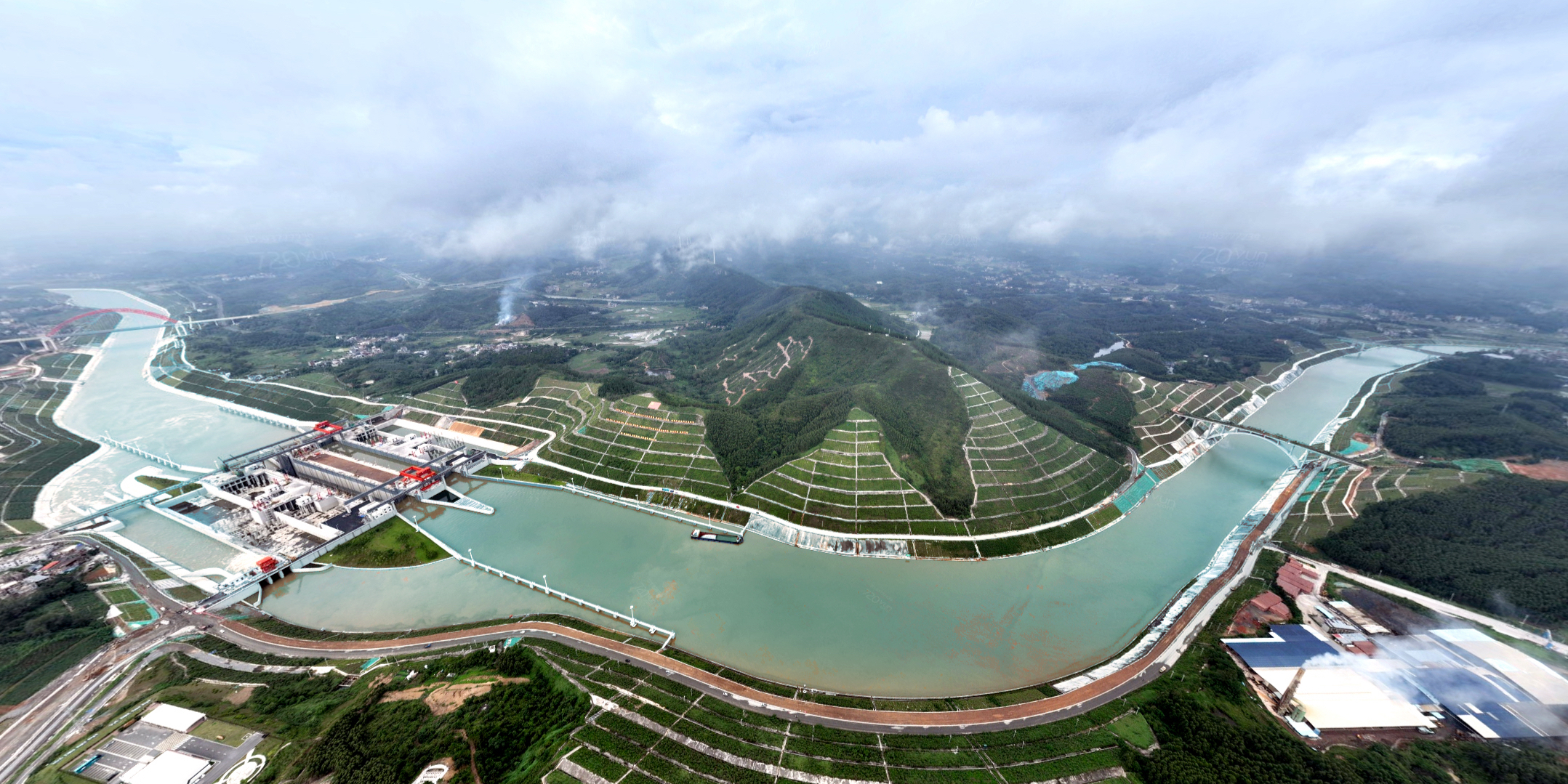
Wu Peng said, "In 2019, I took over the planning and research task of the Pinglu Canal. I was excited to participate in this project, but I never expected that the subsequent plan demonstration would be so tortuous

The fourth point of the China US consensus on achievements reflects a Chinese mindset. The guilt of Taiwan's green camp reflects the "Taiwan independence" thinking.

Saying the word 'Doomsday War' from Alaghi's mouth not only carries a sense of tragedy, but also carries the hidden worry of a prophecy coming true.

Carbon silicon symbiosis is not a substitute narrative, but a nested reality. When silicon-based intelligence leaps from a tool to an economic entity, traditional economics; The only subject is carbon based humans; The silence premise has been loosened. Two time systems - carbon based is subject to the rhythm of life and death, while silicon-based has endless patience without sleep - collide in the same market, creating a triple friction of synchronization, generation, and emotion. The solution is not to let someone accommodate someone, but to establish a '; Interface "; The purpose and ethical constraints of carbon based sales, the computing power and exhaustive ability of silicon-based sales, and the decision-making power itself are becoming new trading targets. Implicit knowledge is being leveraged, the last human correction is at a premium, and labor market inflation and deflation coexist - symbiosis has silently unfolded in three sections.

