


The interstellar visual language model has three core advantages: "strong performance", "low illusion", and "implementability", which meet the needs of intelligent recognition, target localization, and scene analysis in multiple scenarios. According to the evaluation of the National Industrial Information Security Development Research Center, the model meets the enhanced level requirements of the "Artificial Intelligence Industrial Large Model Evaluation" and has reached the leading level in the field/industry of industrial visual Q&A.

Today's Chinese automotive industry needs to face a deeper question: how will the productivity dividend be redistributed among consumers, workers, vehicle manufacturers, and core suppliers when modern industries transform from vertically integrated large enterprises to highly segmented industrial networks? From this perspective, the Chinese automotive industry is experiencing a story of the "Ford moment" being re decomposed.

Engels' pause is not an insurmountable historical fate. During the Industrial Revolution, after decades of institutional adjustments and social changes, technological progress ultimately benefited a wider range of groups. In the era of AI, we also have the opportunity to shorten the pause period through forward-looking policy design and institutional innovation, so that the dividends of AI can benefit everyone faster and more fairly. The key is whether we can always put human well-being at the center of development while technology advances rapidly.
The intelligent body constitutes the decision-making power of economic activities, moving from a people-centered approach to the joint participation of humans and intelligent agents: humans are only responsible for setting goals, setting boundaries, and making key confirmations, while intelligent agents are responsible for obtaining information, comparing decisions, organizing resources, and coordinating communication. As a result, the functions, structure, and boundaries of the market will undergo changes.
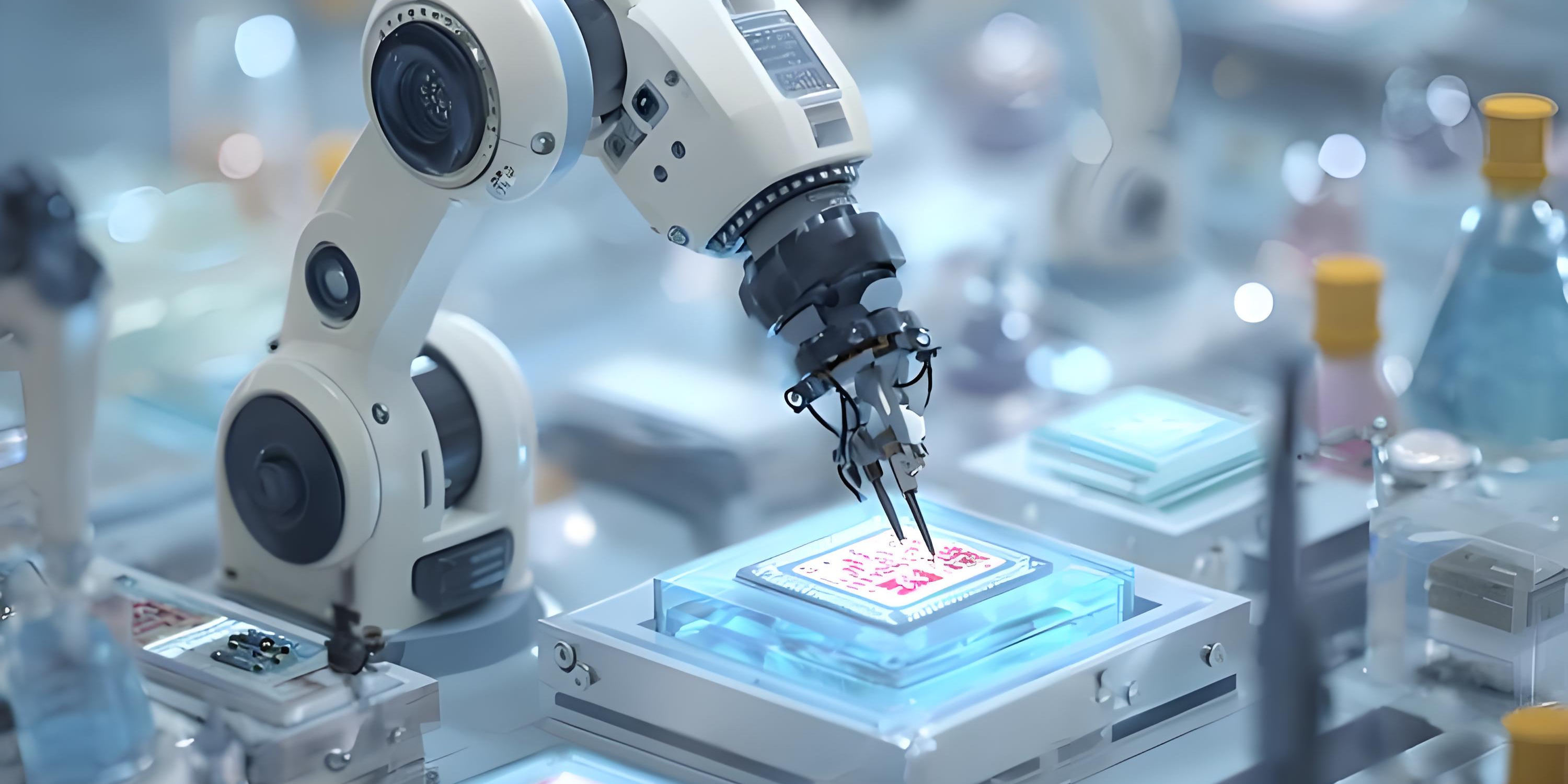
There are no roaring machinery, no splashing welding flowers, and no spinning gears here, but a new revolution in the artificial intelligence industry is unfolding. Unlike traditional factories, the "raw materials" here are big data, and the processing equipment is servers. When massive amounts of raw data enter the eleven major production units, after 75 processes and 180 sets of tools, the final products produced are Hai Ruo Da models and various intelligent agents that can penetrate thousands of industries.

Before the release of new production capacity, many industry insiders predict that fiber optic prices will continue to rise in small steps and for a relatively long period of time. Moreover, with the potential for optical interconnection to enter the interior of cabinets on a larger scale, the market demand for high-performance optical fibers will continue to increase.

The Xinggang Big Model has built five vertical capability systems, including terminal production, port and shipping collaboration, comprehensive safety, embodied intelligence, and operational control. It has implemented 19 business intelligent agents, covering more than 80 mainstream business scenarios.

Anew Labs is not an isolated case of Internet giants entering life sciences. In the past few years, Baidu Group (BIDU. NASDAQ/09888. HK), Tencent Holdings (00700. HK), Alibaba (BABA. NASDAQ/09988. HK), Huawei, and others have all brought AI capabilities into drug research and development. Some have built their own teams, some have invested in industrial companies, and some have tried to use big models to enter drug discovery. In this crossover, ByteDance has taken a deeper step, not only as an AI model, but also as a drug pipeline.
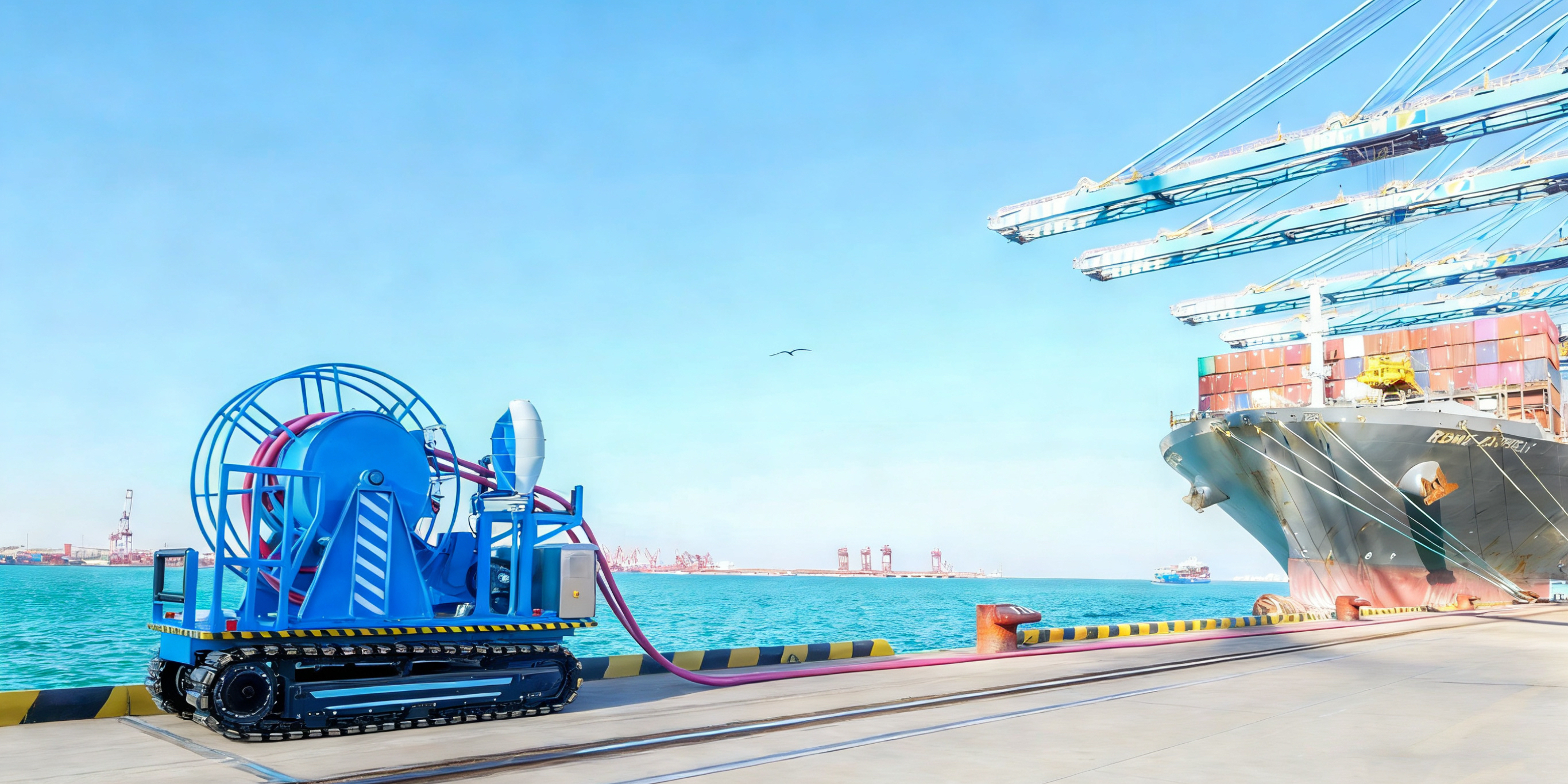
Why did the big model land first in Qingdao Port? According to Chang Jian, a first-class expert at Shandong Port and Qingdao Port, the answer lies in the scenario and data. Among domestic major ports, some focus on dry bulk cargo such as coal, while others specialize in container shipping; The upper limit of the capability of a large model largely depends on the breadth of the training scenario and the thickness of data accumulation. Qingdao Port has a complete range of cargo types and diverse scenarios, with cross nourishment of data from various sectors. As a result, the model can continue to iterate and deepen the understanding of port business.
Qizhi Kongming AInnoGC Industrial Big Model is an intelligent solution tailored specifically for the industrial and intelligent manufacturing fields. Its core functions include human-computer dialogue, text generation, and SQL code generation, which are not only suitable for factory management and intelligent manufacturing training, but also provide an efficient and professional Q&A platform for manufacturing practitioners.

