2026-07-25 17:46



In the past, when people talked about protein, they mostly talked about fitness, muscle building, and postoperative recovery. Nowadays, the topic of protein supplementation is expanding - protein water has appeared on supermarket shelves, protein latte has been added to coffee cups, and the precautions for weight loss drugs also include "sufficient protein supplementation".
Protein is no longer a specialized term for a specific population, but is becoming a consensus element in the daily healthy diet of ordinary people. Since the beginning of this year, the price of whey protein powder, which is the core raw material of protein powder, has continued to rise and is in short supply, which is a true reflection of the strong demand on the consumer side.
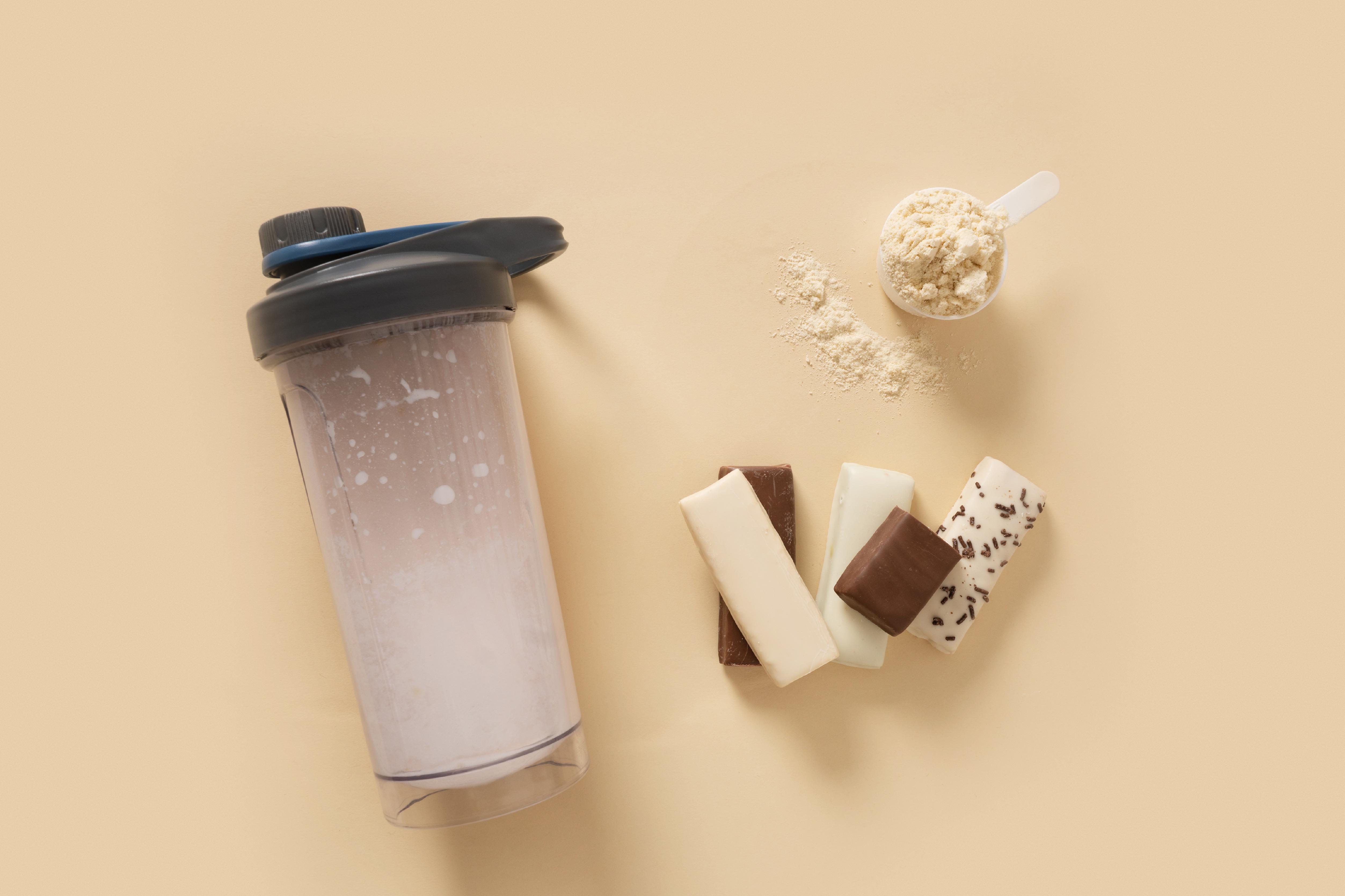
The strong demand for high protein products from the consumer side is rapidly spreading to the supply side, triggering strategic resonance among top companies: Starbucks has listed high protein coffee as a driving force for sales growth, General Mills has clearly stated its focus on protein innovation, and Danone has entered the protein milkshake track. In the domestic market, Yili has launched a new Puritime transparent protein water product this year, which contains 9g of separated whey protein per bottle (300mL) and also adds electrolytes, breaking the public's inherent perception of protein supplements as "heavy and burdensome".
The demand for protein has formed a long-term and definite growth momentum in the market, and has led to a systematic resonance of the entire industry chain.
Awakening of protein demand
The 2025-2030 Dietary Guidelines for US Residents, updated in January 2026, made a notable adjustment: the recommended protein intake was increased from 0.8 grams per kilogram of body weight to 1.2-1.6 grams per kilogram of body weight, and protein was listed as a core nutrient for chronic disease prevention.
This change is not a simple adjustment to what Americans should eat, but rather a reassessment of the value of protein by the nutrition community. It sends a clear signal to the public that protein is no longer an ordinary source of calories to satisfy hunger, but a key variable related to long-term health, muscle maintenance, and metabolic regulation.
Protein is an important component of all cells and tissues in the human body, accounting for approximately 16% to 20% of body weight. From muscle contraction and immune defense to enzyme and hormone synthesis, protein participation is indispensable in all aspects of life. It is also known as the "first nutrient of life" in the field of nutrition.
The adjustment of dietary guidelines in the United States quickly triggered a chain reaction at the social level.
Taking the US market as an example, consumers are already familiar with "actively supplementing protein", but the official recommendation standards have been significantly raised, further strengthening the "protein priority awareness" in daily diet. On supermarket shelves, high protein labels have spread from the sports nutrition area to various fields such as dairy products, meal replacement milkshakes, and even ready to drink coffee, snacks, and more. The deepening of this understanding has transformed protein supplementation from an exclusive task for fitness enthusiasts to a default option for the general public's healthy lifestyle.
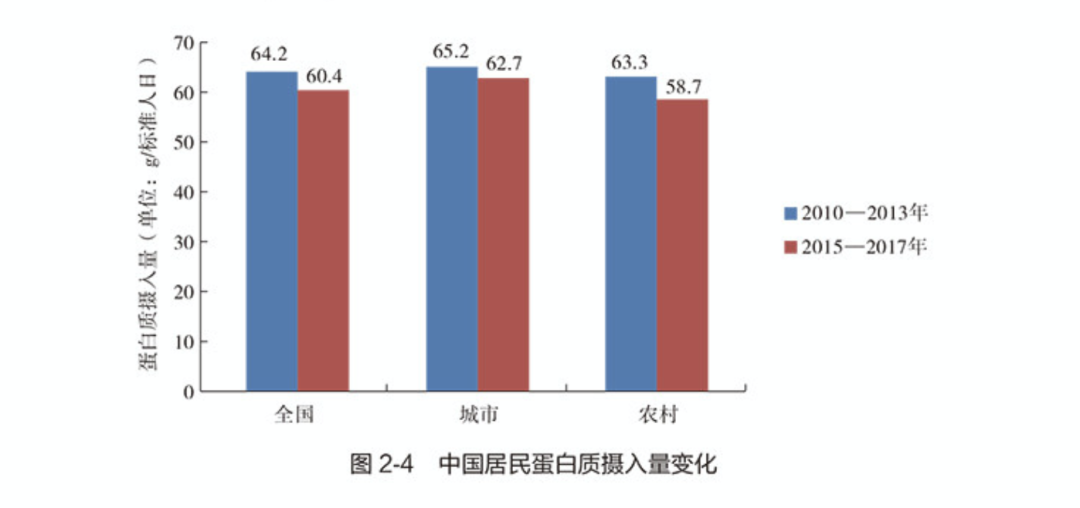
Turning to China, despite the traditional emphasis on meat and soy products in the public's dietary culture, the actual intake data of protein is not optimistic. According to the "Report on Nutrition and Chronic Disease Status of Chinese Residents (2020)" released by the National Health Commission, the actual daily protein intake of Chinese residents is about 60.4 grams, far lower than the level in Europe and America, and the proportion of high-quality milk protein and egg protein intake is relatively low. The "Chinese Dietary Guidelines for Residents (2022)" also clearly set intake targets for different populations and encourage the increase of high-quality protein sources such as dairy and soybeans.
On a global scale, the understanding of proteins is experiencing a leap from 'vague' to 'precise'. People not only care about how much they eat, but also about whether the source is of high quality and whether the distribution is reasonable. The comprehensive awakening of demand side awareness is the fundamental driving force behind the unprecedented emphasis on proteins.
Supply side beach grabbing layout
The awakening of the demand side quickly spread to the upstream of the industry chain, and sharp merchants responded to the wind and seized the opportunity in the protein race.
In this wave of upstream layout in the industry chain, Ausnutria Dairy (1717. HK) has also made the latest move. On July 14th, the company announced A-ware Dairy Trade B. in the NetherlandsFormally signed a strategic cooperation agreement, with its subsidiary Amalthea selling 35% of its shares to A-ware, while Ausnutria Dairy continues to maintain its controlling position with a 65% stake.
Among them, the target company Amalthea is the largest producer of semi hard sheep cheese in the Netherlands. The company was established in 1990 and is engaged in goat milk processing and cheese production worldwide. It not only has fully controlled cheese production plants, but also has a fully controlled industrial chain from dairy farmers' production and processing to consumer terminals. After merging into Ausnutria in October 2024, it not only enriches Ausnutria Dairy's cheese product line, but more importantly, builds an absolute advantage for Ausnutria Dairy in the core raw material field of sheep whey.
Equity acquirer A-ware Dairy Trade B. from the NetherlandsIt is an international wholesale and trading company of dairy products with cheese as its core industry, with a mature distribution network and a complete sales system covering the world. Its parent company, Royal A-ware Group, has over 130 years of operational experience in the food industry and is the largest cheese producer in Europe. Its transportation business covers most of Europe.
According to the agreement, Amalthea will continue to be responsible for sheep cheese production and whey protein processing for the next ten years, and will exclusively supply A-ware with semi hard sheep cheese, soft sheep cheese, and other products; A-ware purchases the promised quantity of products from Amalthea and exclusively promotes and sells its products through its global distribution network. In addition, both parties will jointly invest in the expansion of the cheese factory to respond to the growing demand for sheep cheese in the global market.
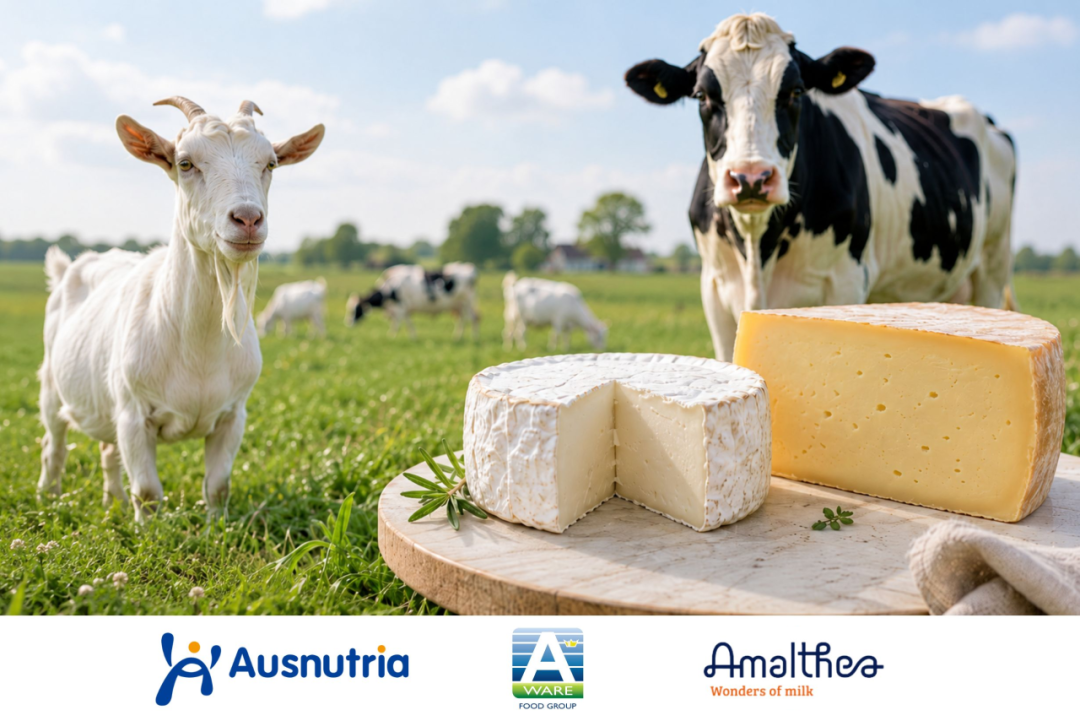
It is worth mentioning that the combination of two leading cheese companies not only consolidates the global layout of Ausnutria sheep cheese in the C-end market, but also achieves a leapfrog improvement in the supply capacity of B-end sheep whey raw materials - whey, a by-product of cheese production, becomes high value-added whey protein powder after deep processing, which is one of the core raw materials in the global protein demand boom. With the continuous expansion of the sheep cheese market, Amalthea's production capacity and sheep whey output will be released simultaneously, injecting new supply momentum into the protein raw material market that is in short supply. This is also a typical example of enterprises deeply cultivating supply side structural reform and actively seizing upstream raw material resources in the industrial chain.
Building Differentiated Barriers
Currently, there are roughly four paths for dairy companies to layout the protein track. One is to develop protein consumer products by purchasing raw materials externally, which can be quickly implemented but the raw materials are subject to human control, resulting in prominent homogeneous competition; The second is to build a protein separation production line based on self owned milk sources, which is independent and controllable, but with heavy assets and high barriers to entry; Thirdly, collaborate with scientific research institutions to explore new protein and compound nutrition innovations; The fourth is to layout the cheese business, utilizing the cheese by-product whey for deep processing and extraction of whey protein, achieving dual production.
The entry of Ausnutria Dairy into the protein track is the fourth path, which is to take the cheese terminal market as the starting point and simultaneously extend to the upstream raw material end.
The market foundation of this path lies in the large and steady growth of cheese itself. According to Grand View Research data, the global cheese market is expected to reach $227.2 billion by 2026, with a compound annual growth rate of 5.8% from 2026 to 2033, leading the dairy product segment in terms of growth rate.
In such a large and stable market, the entry point chosen by Ausnutria Dairy is more focused on sheep cheese, a segmented product with concentrated supply and stronger scarcity. In 2025, Ausnutria's sheep cheese business contributed a revenue of 1.006 billion yuan and has established a certain industrial foundation in this niche market.
The expansion of sheep cheese production capacity will directly drive the supply of by-products such as sheep whey raw materials. Some of these raw materials are used for the formula self-sufficiency of Jiabeiaite sheep milk powder under Ausnutria Dairy, while others are exported to the global protein raw material market. In the dairy protein raw material market, sheep whey protein products belong to the category with more tight supply.
Therefore, Ausnutria Dairy has combined its own business characteristics to create a circular industry chain covering sheep milk protein raw materials, sheep milk powder, and sheep cheese, achieving independent and controllable upstream core raw materials, collaborative production of mid-range multi category dairy products, and diversified downstream market layout, forming differentiated competitive barriers that are different from most enterprises in the industry.
In addition, there are also industry pain points in the deep processing of sheep milk, such as low utilization rate of sheep cheese protein, difficulty in processing due to micelle system, difficulty in screening and verifying active peptides after hydrolysis, and bitter taste of ordinary hydrolyzed protein powder.
As early as 2019, Ausnutria Dairy launched the research and development of sheep milk raw materials, gathering more than 200 experts from home and abroad to conduct special research, overcome industry pain points and technical barriers, and enhance the value of sheep milk raw materials. After years of technological research and development, in 2025, Ausnutria Dairy has launched raw materials such as hydrolyzed sheep cheese protein powder, hydrolyzed sheep whey protein powder, sheep lactoferrin, and sheep colostrum powder to the market. Many of them are the world's first commercially available core sheep milk raw materials, filling the market gap in the industry's special milk hydrolyzed protein and lactoferrin raw materials.
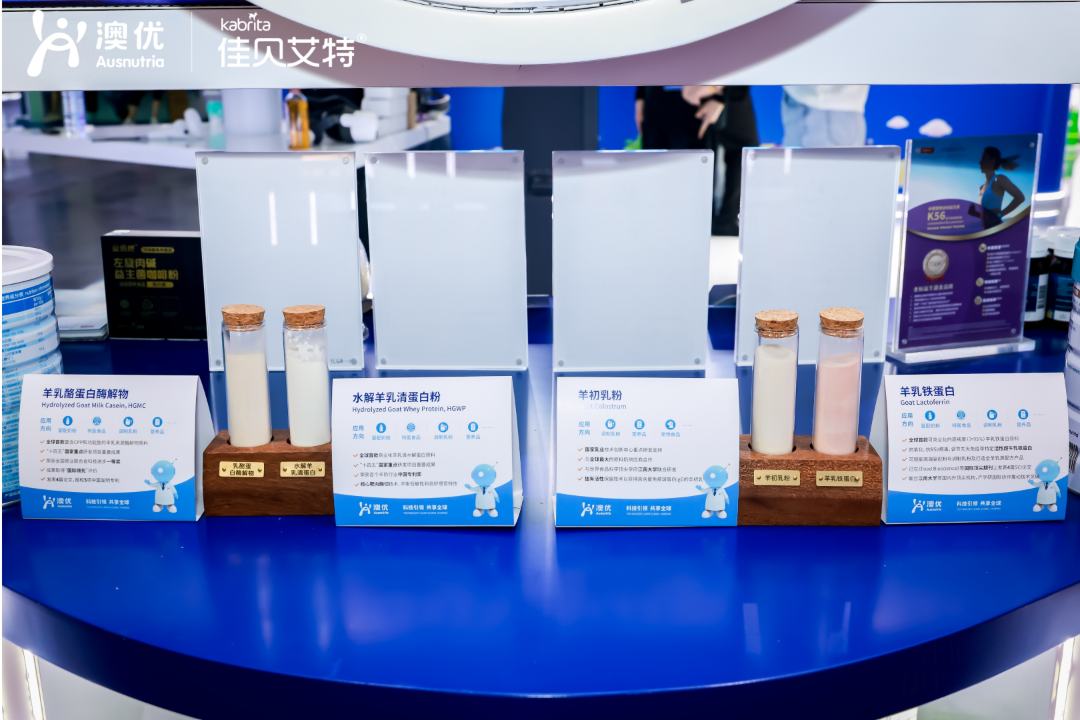
From a process perspective, the unique targeted enzymatic hydrolysis technology used by Ausnutria enables the release of higher levels of casein phosphopeptides (CPP) and bioactive peptides from sheep cheese protein powder during preparation; Hydrolyzed sheep whey protein powder reduces protein allergenicity through unique enzyme digestion technology, while solving the pain point of bitter taste of hydrolyzed protein. Both types of protein powders have a wide range of applications. Hydrolyzed sheep cheese protein powder can be used in infant formula milk powder, specialty foods, formulated milk powder, nutritional supplements, and other categories. Hydrolyzed sheep whey protein powder is suitable for the low allergenic dietary needs of infants and sensitive populations.
It is reported that the hydrolyzed sheep casein powder from Ausnutria Dairy has been fully commercialized.
High protein demand continues to activate market growth, opening up sufficient market imagination space for various enterprises. As the popularity of the track continues to rise, industry competition is gradually intensifying. How to find the right positioning in the wave of market expansion and find the cut that matches one's own endowment is a common proposition that all future entrants need to answer.

The front air spring has hidden dangers, and Xiaopeng X9 has initiated a recall

Test drive Huawei Qiankun ADS 5.0: WEWA 2.0 architecture first test, will be gradually installed on Huawei's models

The car owner's self driving new energy vehicle's overseas car infotainment system has been remotely locked for over 30 hours, and the brand involved has responded by triggering the built-in security protection mechanism of the car infotainment system, which is a commonly used anti-theft and damage prevention measure in the industry


 WeChat registration or login