Economic Observer Follow
2026-07-24 17:18



Economic Observer reporter Zhang Ling
On July 24th, the Economic Observer contacted the Shanghai Jiao Tong University School of Medicine involved in the death of a 6-year-old girl after undergoing gene editing experiments, as reported by Science. A staff member from the publicity department responded, "We are still investigating
On July 23rd, the top international academic journal "Science" and the well-known academic integrity monitoring platform "Retraction Watch" jointly disclosed a clinical trial death event:
On March 24, 2025, a 6-year-old girl underwent an IIT (Investigator Initiated Clinical Study) of gene editing therapy at Xinhua Hospital affiliated with Shanghai Jiao Tong University School of Medicine. The girl suffers from Snijders Blok Campeau syndrome, a neurodevelopmental disorder caused by mutations in the CHD3 gene. This disease mainly manifests as delayed language, cognitive, and motor development, but usually does not directly endanger life.
According to Science, the parents of the girl contacted the Qiu Zilong team at the Songjiang Research Institute of Shanghai Jiao Tong University School of Medicine through a patient communication group. The team is well-known in the fields of gene editing and neurological diseases. After contacting the research team, the girl's family decided to try an individualized gene editing therapy targeting CHD3 gene mutations. This therapy requires injecting the virus into the fluid at the bottom of the subject's spine.
According to Science, the family of the girl raised a portion of the funds for this clinical trial, approximately 860000 US dollars (approximately 5.82 million RMB). Three days after receiving treatment, the girl began to have a fever, followed by symptoms of severe kidney damage. Within a week after receiving treatment, the girl died. The affiliated Xinhua Hospital of Shanghai Jiao Tong University School of Medicine involved subsequently conducted an internal assessment and concluded that the girl's death was related to the gene editing treatment, and the cause of death was thrombotic microvascular disease. However, this death event has not been publicly disclosed and has not appeared in the update of relevant clinical trial registration information.
On February 18, 2026, Qiu Zilong's team, together with Cheng Tianlin's team from Fudan University and Li Fei's team from Xinhua Hospital affiliated with Shanghai Jiao Tong University School of Medicine, published a paper titled "In vivo base editing of Chd3 rescue behavioral abnormalities in mice" in Nature, introducing the research results of a base editor TeABE in a mouse model. The paper shows that researchers used this technology to correct CHD3 gene mutations in mice and improve some behavioral abnormalities. However, the paper did not mention the gene editing therapy previously conducted on human patients, nor did it disclose any related patient deaths.
According to Science, after the publication of the paper, the girl's family submitted a complaint to Shanghai Jiao Tong University School of Medicine, requesting an investigation and withdrawal of the paper; In September 2025, relevant departments in Shanghai fined Xinhua Hospital affiliated with Shanghai Jiao Tong University School of Medicine approximately $3600 (approximately RMB 24000) for failing to properly supervise the trial and failing to register it as a commercially funded research project in the relevant database.
In response to Science, Nature stated that they were not aware of the patient's death and family support during the paper review period. If they had known about the relevant information beforehand, it would have been included in the paper evaluation and consideration. As of the time of publication of the Science report, the research team, universities, and hospitals involved have not publicly responded.
On the afternoon of July 24th, in response to this matter, the Economic Observer called Qiu Zilong's public phone number but was unable to reach him; The Economic Observer also called the public phone number of Xinhua Hospital affiliated with Shanghai Jiao Tong University School of Medicine, but did not receive a valid response.


The front air spring has hidden dangers, and Xiaopeng X9 has initiated a recall
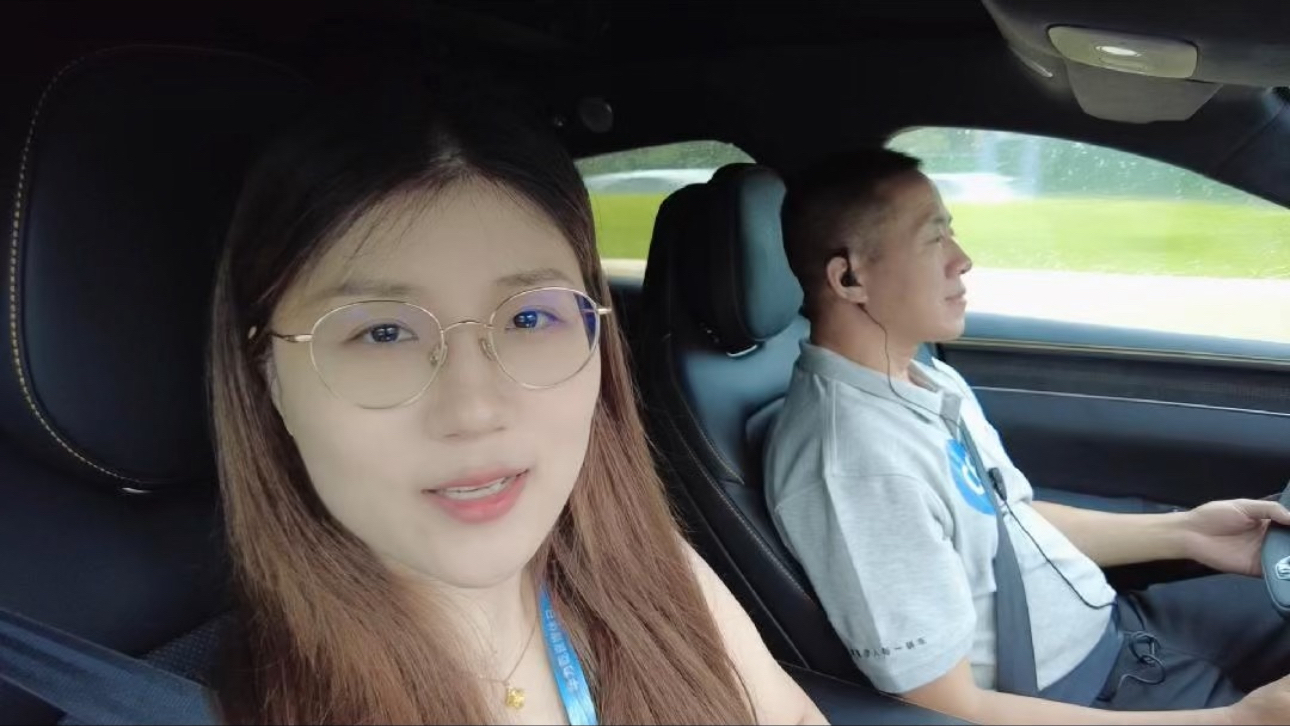
Test drive Huawei Qiankun ADS 5.0: WEWA 2.0 architecture first test, will be gradually installed on Huawei's models
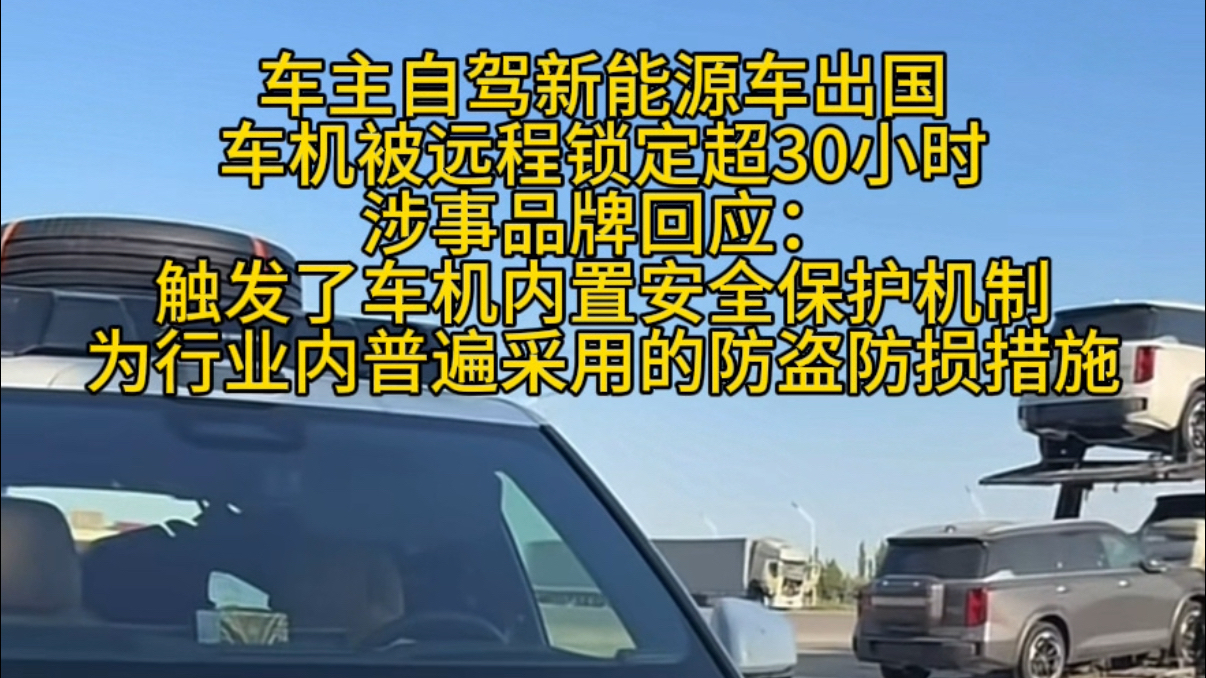
The car owner's self driving new energy vehicle's overseas car infotainment system has been remotely locked for over 30 hours, and the brand involved has responded by triggering the built-in security protection mechanism of the car infotainment system, which is a commonly used anti-theft and damage prevention measure in the industry


 WeChat registration or login


 Subscribe