2026-07-10 21:58


On July 10th, the Ministry of Culture and Tourism held a regular press conference for the second quarter of 2026 to introduce the progress of the crackdown on forced shopping in the tourism market. Yu Changguo, Deputy Director of the Market Management Department of the Ministry of Culture and Tourism, introduced that travel agencies are important market entities in promoting high-quality development of the tourism industry, and regulating the business behavior of travel agencies is a key link in tourism market governance. The Ministry of Culture and Tourism focuses on the shortcomings of the problem, further enriches industry regulatory measures, and continuously consolidates the foundation of governance.
Photo by Hao Yuexiang at the press conference venue
Firstly, carry out pilot work on credit evaluation of travel agencies and promote graded and classified supervision. Implementing the decisions and arrangements of the Central Committee of the Communist Party of China and the State Council on improving the social credit system, implementing the requirements of unified market construction credit work, issuing the "Notice on Carrying out Pilot Work of Travel Agency Credit Evaluation", promoting the implementation of graded and classified supervision of travel agencies based on credit evaluation, and enhancing the pertinence and effectiveness of market order rectification work. The pilot program will be launched in 12 provinces (regions, cities) including Beijing and Hebei, and credit evaluations will be conducted for travel agencies that have obtained the "Travel Agency Business License" for at least one year in accordance with the law. By carrying out pilot projects for credit evaluation of travel agencies, standardizing the credit evaluation process of travel agencies, and supervising the standardized operation of travel agencies, we aim to promote the survival of the fittest. At present, some good practices have emerged, such as the continuous implementation of tourism integrity and compensation mechanisms in provinces such as Jiangxi, using tourist satisfaction as the benchmark, and carefully handling the "key small matters" of serving tourists with care and emotion.
Secondly, urge travel agencies to fully pay the tourism service quality guarantee deposit and strengthen the protection of tourists' rights and interests. The tourism service quality guarantee deposit system is an important system to ensure the service quality of travel agencies. Travel agencies can deposit a certain amount of security deposit with designated banks or provide bank guarantees, which can be prioritized for compensating tourists for economic losses, advancing emergency rescue expenses, refunding tourists' prepaid travel expenses, etc., playing an important role in safeguarding consumer rights and interests. The Ministry of Culture and Tourism has deployed a nationwide review of travel agency qualifications to comprehensively investigate and clean up travel agencies that have not paid the required deposit. It urges travel agencies that have insufficient deposit amounts due to temporary withdrawal, allocation, use, and other reasons to make up for the deposit in a timely manner. Those that do not meet the operating conditions will be dealt with in accordance with the law and regulations, effectively safeguarding the legitimate rights and interests of tourists.
Thirdly, strictly enforce travel agency contracts and strengthen tourism itinerary management. Strengthen the promotion and use of the 2026 version of the team travel contract demonstration text, urge travel agencies and online travel platforms to provide itinerary lists to tourists before the start of the travel itinerary, and fulfill their obligations according to the contract. They are not allowed to change the itinerary without authorization, add tourism shopping activities or pay for other tourism projects without authorization. Strictly require travel agencies to implement the "one group, one report" system, timely and accurately fill in tourism team information on the national tourism supervision service platform, punish those who do not fill in according to the requirements in accordance with the law, and strengthen the supervision of tourism itineraries.
Fourthly, strengthen the protection of labor rights and improve the comprehensive quality and service quality of tour guides. Tour guides have the closest contact with tourists in the tourism service chain, directly facing them. The service level of tour guides directly affects tourists' consumption experience and tourism consumption environment. Improve the supervision mechanism for tour guide practice, and work with relevant departments to verify the signing of labor contracts, payment of social insurance premiums, and payment of labor remuneration between travel agencies and tour guides. Guide travel agencies and other employing enterprises to strengthen internal management, standardize the process of hiring tour guides, and improve the level of labor rights protection for tour guides. Strengthen industry training, improve the professional quality and service level of tour guides and other practitioners. Places such as Ningxia focus on strengthening the construction of tour guide teams, further enhancing tour guide training, urging travel agencies to sign labor contracts with tour guides in a standardized manner, actively protecting the labor rights and interests of tour guides, and guiding practitioners to continue practicing the concept of "putting tourists first and providing sincere services".
In addition, the Ministry of Culture and Tourism has strengthened the regulation of the management of travel agency branches, strictly prohibiting affiliation, contracting, and loose operation, urging travel agencies to improve their internal governance structure, implement unified management of stores and branches by the headquarters, and eliminate illegal operating space from the organizational structure.
The front air spring has hidden dangers, and Xiaopeng X9 has initiated a recall
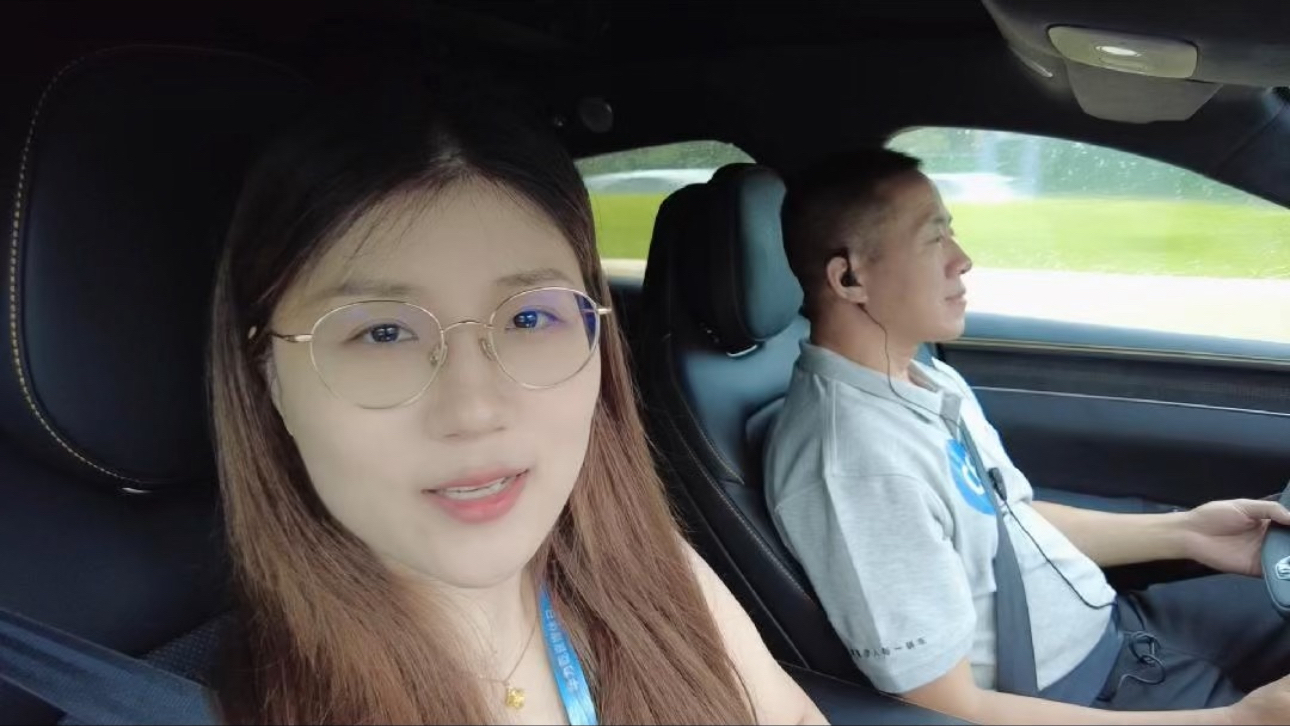
Test drive Huawei Qiankun ADS 5.0: WEWA 2.0 architecture first test, will be gradually installed on Huawei's models
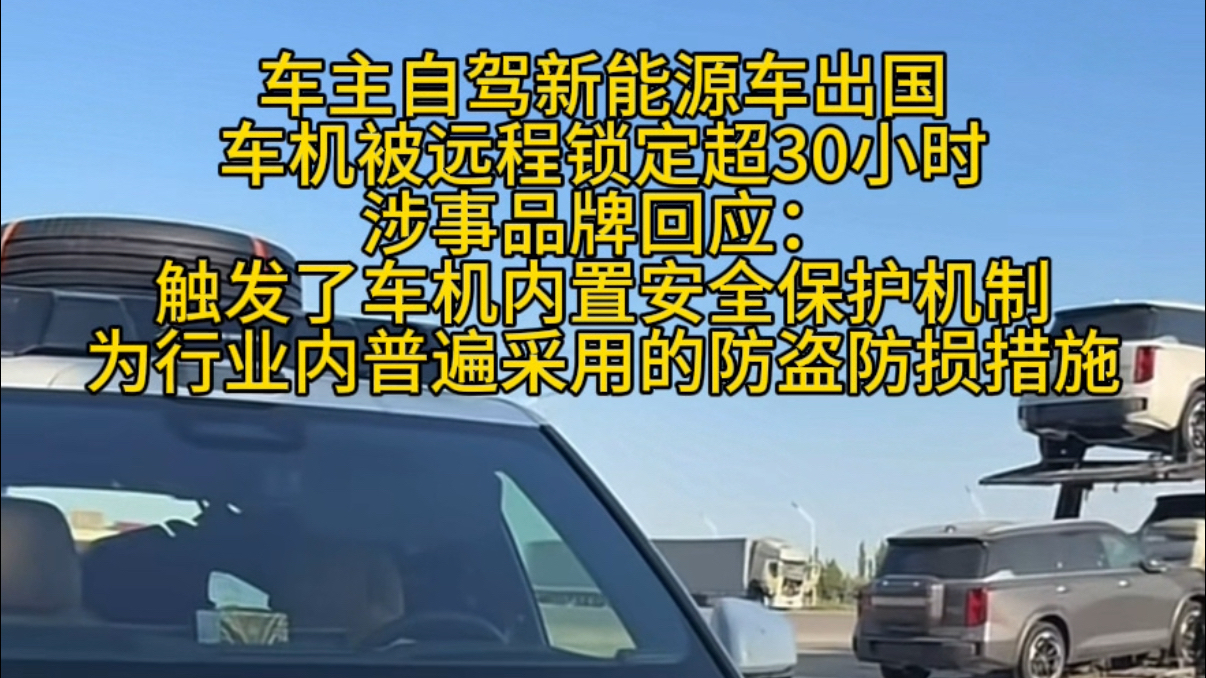
The car owner's self driving new energy vehicle's overseas car infotainment system has been remotely locked for over 30 hours, and the brand involved has responded by triggering the built-in security protection mechanism of the car infotainment system, which is a commonly used anti-theft and damage prevention measure in the industry


 WeChat registration or login