2026-03-12 17:25


In the next five years, the most exciting landing scenario for AI healthcare may still be at the grassroots level. ?The statement made by Gan Huatian, a member of the National Committee of the Chinese People's Political Consultative Conference and a professor at West China Hospital of Sichuan University, has attracted widespread attention and become a microcosm of the "AI+medical health" trend during the Two Sessions.
Accelerating the construction of a healthy China is a major strategic direction focused on in the 15th Five Year Plan. With the assistance of the "Artificial Intelligence+" initiative, the construction of a "Healthy China" has ushered in positive AI power.
According to incomplete statistics, during this year's National People's Congress and Chinese People's Political Consultative Conference, over 20 representatives and members provided suggestions and recommendations on the development of "AI+healthcare". Among them, how AI technology can help improve the quality and efficiency of primary healthcare, and enable high-quality medical and health services to enter villages and households, has become a hot topic of concern.
As the "nerve endings" of medical and health services, primary healthcare carries the health needs of billions of people, but also faces pain points such as scarce high-quality resources, insufficient medical staff, and uneven diagnosis and treatment levels. In response, several representatives and committee members suggested accelerating the development of AI healthcare, such as promoting "digital family doctors" and helping rural doctors use AI assistants. Through these explorations, it is expected to enhance the accessibility and convenience of primary healthcare services.
Representatives and members are optimistic about the implementation of "AI+healthcare" at the grassroots level
In the next five years, the most exciting landing scenario for AI healthcare may still be at the grassroots level. ?Member Gan Huatian believes in an interview with the New Beijing News that primary functions such as auxiliary diagnosis, medical history collection, and medication guidance will be widely promoted in grassroots hospitals, helping to fill the gaps in diagnosis and treatment capabilities and improve the diagnostic and treatment level of grassroots doctors. This is what technology can achieve and also the most socially valuable.
This judgment is not only based on the practical needs of primary healthcare, but also stems from the unique advantages of standardization, replicability, and inclusiveness of "AI healthcare". When "AI+healthcare" takes root at the grassroots level and high-quality diagnosis and treatment services are no longer limited by geography and talent, the level of health services in the last mile will be greatly improved.
Fu Xiaoyun, a member of the National Committee of the Chinese People's Political Consultative Conference and Vice President of the Affiliated Hospital of Zunyi Medical University, believes that AI has great potential in assisting clinical diagnosis and treatment decision-making. By capturing and analyzing patient data in real time, it can accurately identify key nodes where the condition worsens, achieve early screening, early intervention, and early treatment, and move the critical warning and critical care forward. To seize the opportunity of digital and intelligent transformation in hospitals, empower primary healthcare through AI, and make it a "necessity" that benefits the grassroots.
Cai Xiujun, member of the Standing Committee of the National Committee of the Chinese People's Political Consultative Conference and President of the affiliated Run Run Shaw Hospital of Zhejiang University School of Medicine, believes that the focus of new technologies has always been on universal access. He called for the construction of an "AI assisted diagnosis and treatment platform" covering the provincial, municipal, county, and township levels, providing full process intelligent assistance such as symptom analysis, differential diagnosis, and treatment plan recommendation for grassroots doctors.
AI enters villages, allowing rural doctors to use 'AI assistants' to attract attention
A major focus of improving primary healthcare services is rural areas. The scarcity of talent, weak equipment, and large service radius make it even more urgent for "AI+healthcare" to go to rural areas.
In Pu'an County, Guizhou Province, many of the 174 village doctors are responsible for the health and medical needs of one to two thousand villagers in the village alone. Even in an economically prosperous province like Jiangsu, there are only about 40000 rural doctors in the province, guarding the health of over 20 million people.
Can AI become a 'super assistant' for rural doctors? During the National People's Congress and Chinese People's Political Consultative Conference, many representatives and members paid attention to this topic.
Chen Gui'e, a representative of the National People's Congress and deputy director of the Medical Imaging Department of Hezhou Traditional Chinese Medicine Hospital in Guangxi, believes that the key to transforming technological dividends into health dividends for the people is to "move downwards, strengthen collaboration, and lower barriers to entry". Downward migration refers to the deployment of AI assisted diagnostic equipment to township health centers and training for grassroots doctors to use and dare to use it; Strong collaboration means breaking down data barriers and enabling AI to integrate patients' medical history and examination results, avoiding duplicate examinations; To lower the threshold, it is necessary to reduce equipment procurement costs through financial subsidies and include AI assisted diagnosis in medical insurance payments.
Wei Xiaoli, a National People's Congress representative and Vice President of Yacha Community Health Service Center of Baisha Li Autonomous County Medical Group in Hainan Province, said that rural doctors have uneven clinical experience and professional level. They should actively embrace intelligent medical tools such as AI, and use case databases and intelligent analysis systems to make up for their professional shortcomings to a certain extent.
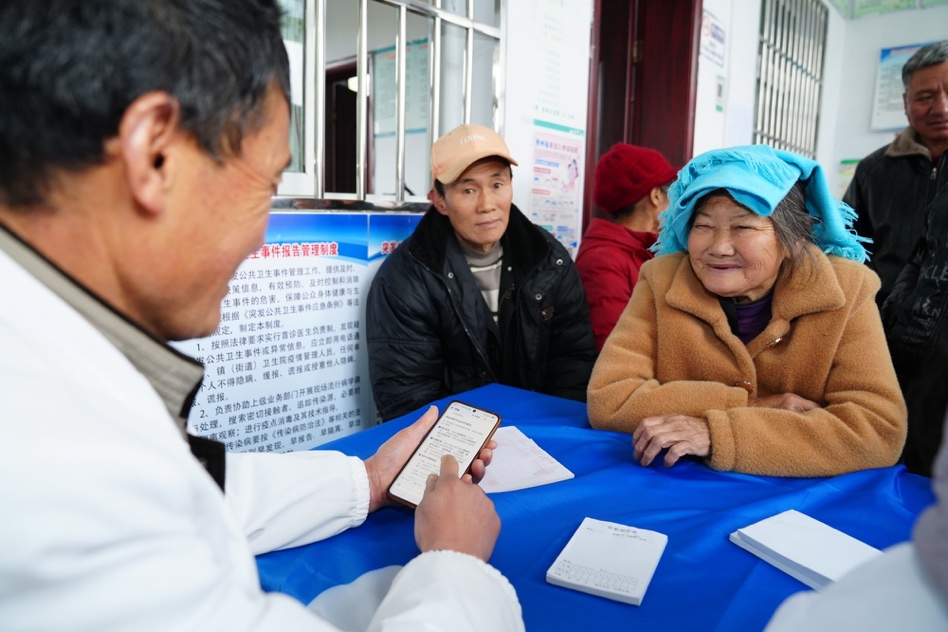
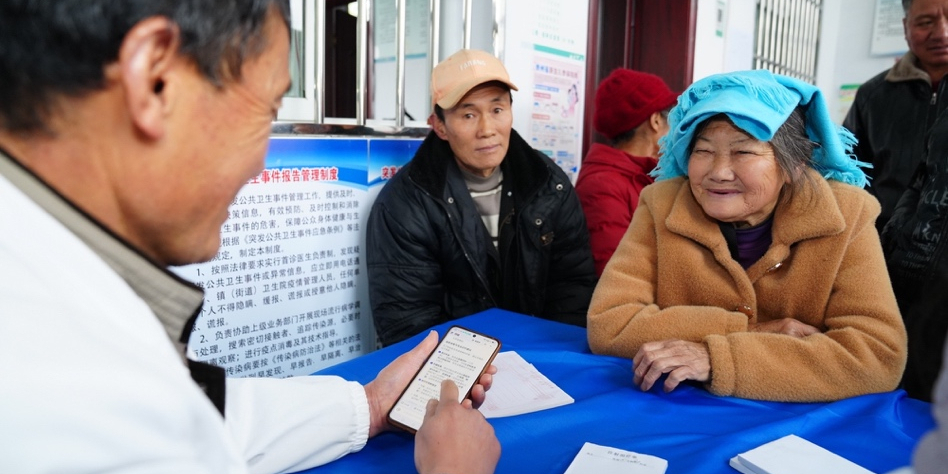
According to public reports, there have been initial explorations of "AI medical and health" going to rural areas in Pu'an County, Guizhou. At the beginning of 2026, the Pu'an County Government, Health Bureau and other departments organized a "Village Doctor AI Skills Training" to teach village doctors how to use the AI health assistant "Ant Afu" to assist daily diagnosis and treatment work. The first training attracted more than 40 village doctors from four townships to register. Health AI that can read reports and provide professional diagnosis and treatment references is becoming a powerful assistant for village doctors.
AI enters households, multiple committee members suggest promoting 'digital family doctors'
In addition, to improve the level of primary healthcare, family doctors are another urgent point that needs to be addressed. This year's government work report clearly proposes to implement family doctor contract services and promote graded diagnosis and treatment.
Ma Xiuzhen, a member of the National Committee of the Chinese People's Political Consultative Conference and Vice Chairman of the Ningxia Political Consultative Conference, said that grassroots healthcare is facing the dilemma of "talent shortage, heavy tasks, and weak capabilities". Each family doctor in Ningxia serves nearly 3000 people, making it difficult to provide personalized health management services. Smart family doctors have become the key to breaking through the situation.
She believes that AI can respond to health consultations and triage guidance 24/7, intercept non essential offline medical treatment, and achieve service expansion. At the same time, automatic follow-up, education, and report interpretation are completed to reduce the burden on grassroots doctors. It can also serve as an "intelligent external brain" to provide disease warnings, medication reminders, examination recommendations, etc., reducing the risk of misdiagnosis and missed diagnosis.
Huo Yong, a member of the National Committee of the Chinese People's Political Consultative Conference and chief expert in the Department of Cardiology at Peking University First Hospital, also stated that family doctors serve an average of 700 to 1000 residents per person, and medication guidance and regular follow-up are difficult to reach in a timely manner. He suggested strengthening the connection of out of hospital health services, focusing on high-frequency needs such as residents' health consultation, report interpretation, and health management plans, promoting market validated models such as "digital family doctors" and "intelligent agents of famous doctors", and fully unleashing the application value of AI.
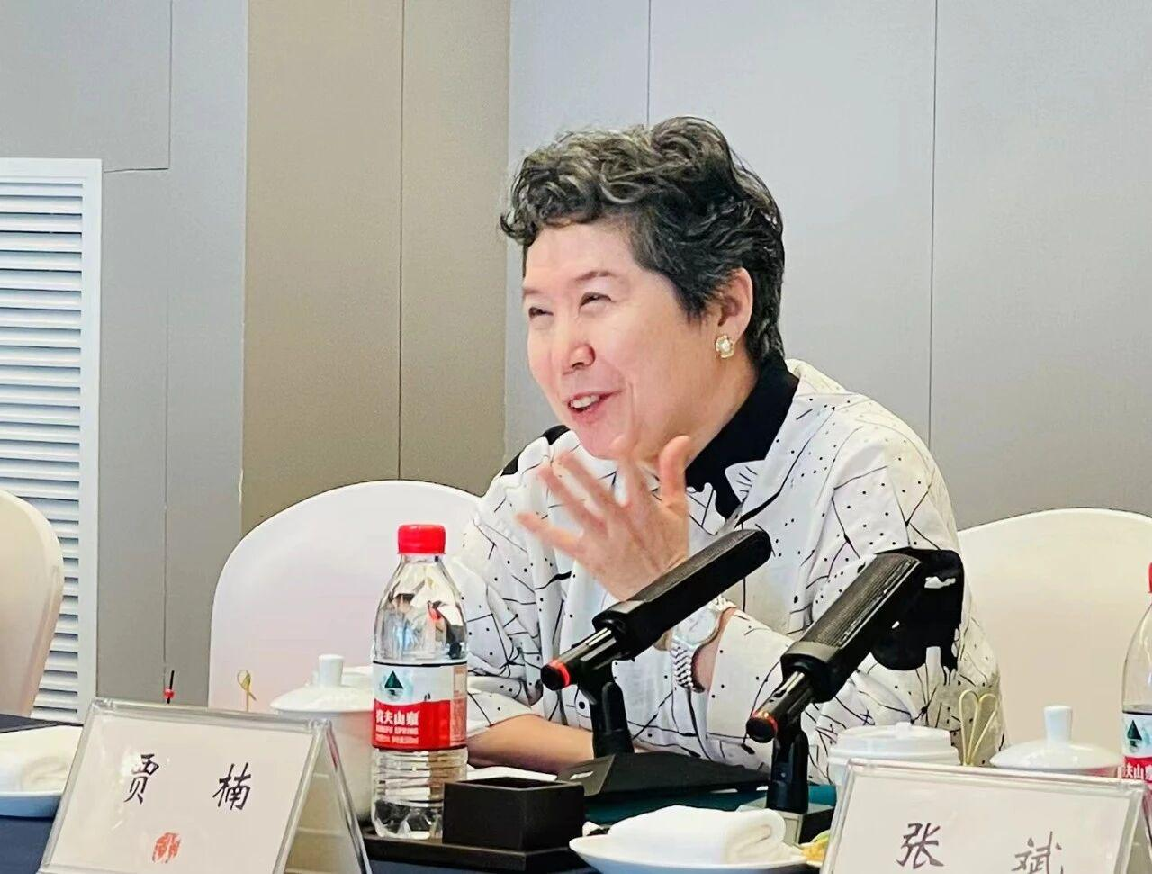
Jia Nan, member of the Standing Committee of the National Committee of the Chinese People's Political Consultative Conference and former deputy director of the National Bureau of Statistics, and Yao Shukun, member of the National Committee of the Chinese People's Political Consultative Conference and former vice president of the China-Japan Friendship Hospital, also proposed to promote the "digital family doctor" model, promote the digital intelligence upgrade of family doctor workstations around the country, integrate online signing, intelligent follow-up and other capabilities, and improve the signing rate and performance service capabilities of family doctors.
It is reported that the health commissions in Heilongjiang, Shijiazhuang, Hebei, Huangpu District, Shanghai and other places have already explored "digital family doctors" with "Ant Afu" as one of the signing platforms for "family doctors". Through the online platform, residents can complete the signing process with just one click online. The platform can also assist family doctors in efficiently and accurately managing signed residents, and provide diversified health services such as health education and conversations with renowned doctors, making family doctor services more accessible and convenient.
From the suggestions of representatives and committee members to frontline exploration, "AI+medical health" is entering communities and rural areas to enhance the experience of grassroots medical and health services. In the future, with policy guidance, technological implementation, and deepening scenarios, AI will become a positive force in accelerating the construction of a healthy China.
The State Administration for Market Regulation has taken action to crack down on "eye-catching big characters and exempt small characters from liability" advertisements

Honda incurs its first annual loss since going public: a strategic impairment of 2.5 trillion yen on electric vehicles, equivalent to the total profits of the past three years
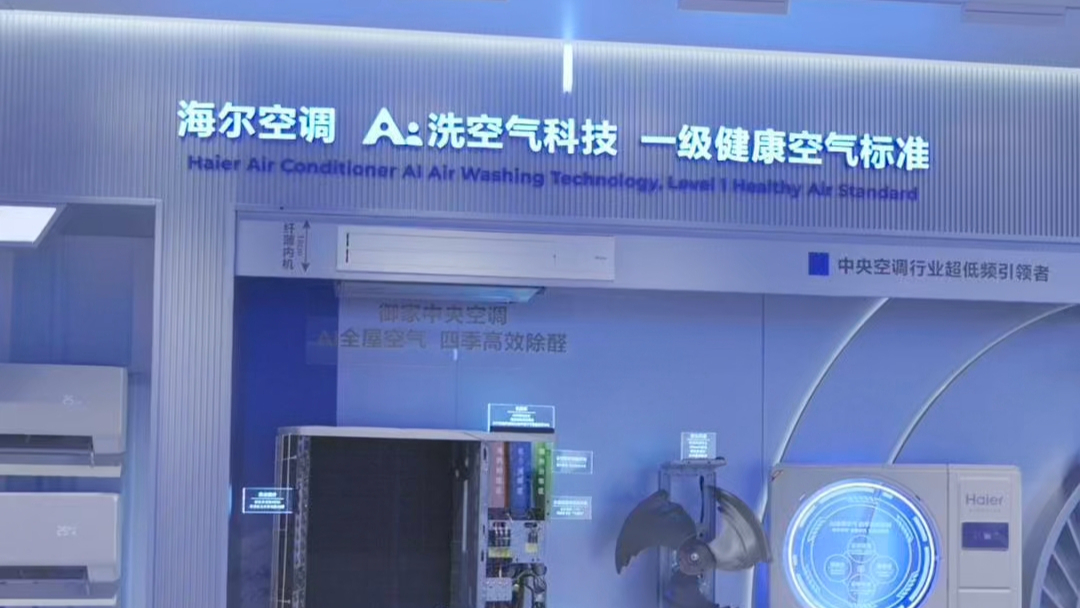
The first L4 level intelligent agent air conditioner in the AWE industry has been launched. At what level has your air conditioner evolved?


 WeChat registration or login