2026-03-06 15:10


Consumers may think they are drinking natural and healthy coconut water, but in fact it may be a bottle of finely formulated premium sugar water.
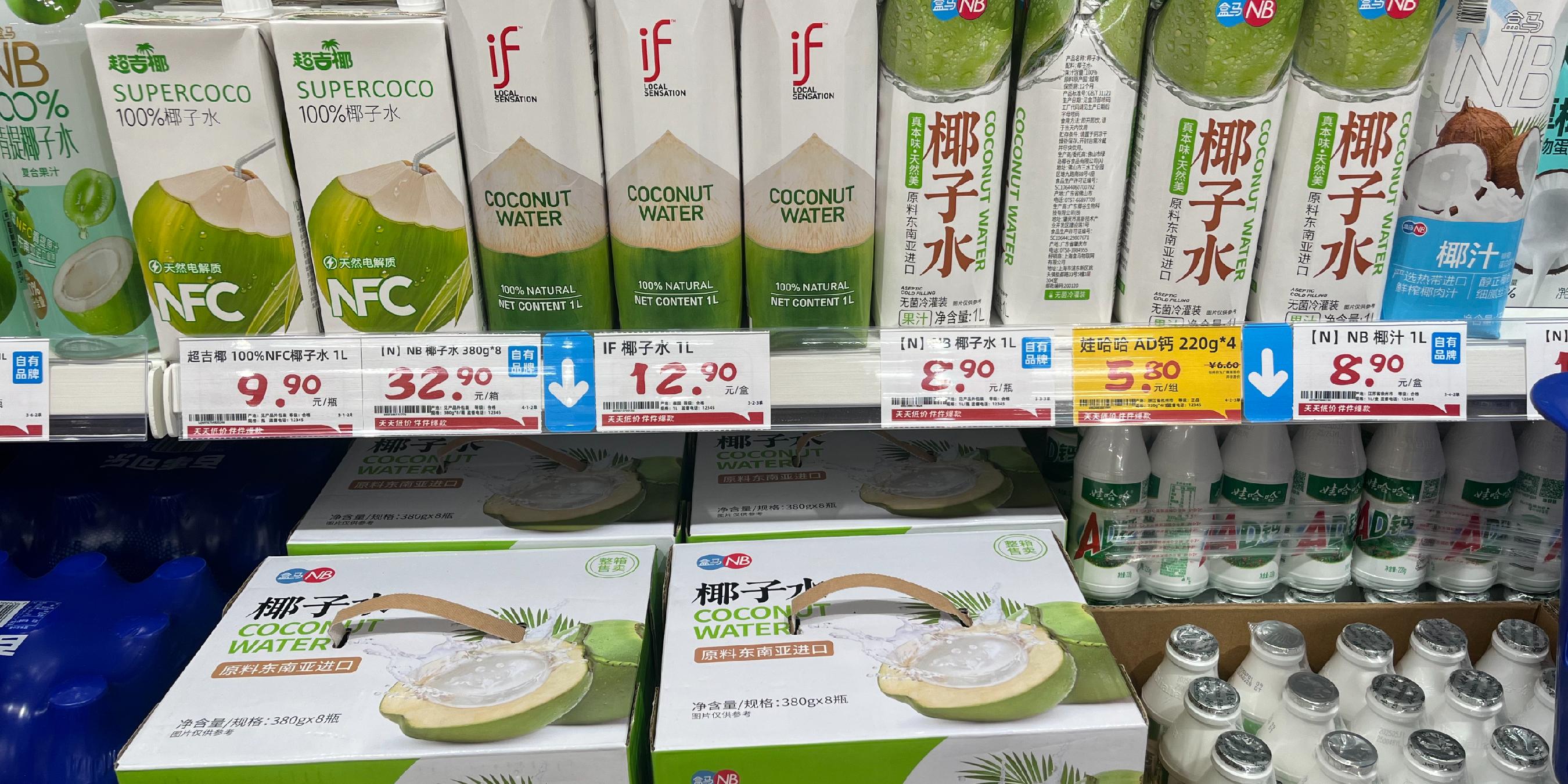
On the occasion of March 15th, coconut water, which is deeply loved by consumers, dropped a "depth bomb" in the beverage market. The retail price of a fresh coconut green is over ten yuan, but a bottle of 1-liter coconut water is as low as 9.9 yuan, which clearly violates the cost logic. This phenomenon has now been revealed by media testing.
On February 10, the third-party testing agency "Dad Evaluation" released a video, exposing three counterfeiting methods in the production of coconut water, namely, adding water, sugar and essence. On February 27th, the Beijing News Consumer Research Institute sent four best-selling coconut water products to European testing institutions, and found that all four products were found to contain exogenous water or sugar.
The stable isotope fingerprinting technology used for detection determines the presence of non natural sources of water and sugar in the product by analyzing the ratio changes of non radioactive isotopes such as hydrogen and oxygen. This includes the detection of the ratio of oxygen-18 to oxygen-16, carbon isotope ratio, and oligosaccharide fingerprinting.
The report pointed out that although these products are labeled as "coconut water" on the ingredient list, they were all found to contain exogenous water and starch syrup after isotope testing. What is even more worrying is that these four products are all top brands in the industry, with a total market share of over 50%. The brand logo of the products submitted for inspection has been mosaic treated in the report, but from the packaging form and capacity specifications, these four products are respectively the Thai imported internet famous brand IF, Hema's self operated coconut water, the high selling product on live streaming e-commerce channels, and Jiaguoyuan, which focuses on the concept of "NFC non concentrated restoration".
Subsequently, relevant brand customer service responded one after another. According to Zhongshan Net on March 2nd, Jiaguoyuan customer service stated that its coconut water is made from 100% NFC coconut water, with only coconut water as the ingredient and no water or sugar added. Each batch of products comes with a complete testing report; Hema customer service stated that its product contains 100% coconut fruit juice.
The IF brand customer service also responded that the ingredients of IF Yifu coconut water are only 100% coconut water, without additional sugar or water, and without any additives. The sugar indicated on the product details page comes from the natural sugar content of coconut itself, not added later; Light weight indicates that the product contains 100% coconut fruit juice and does not contain any other ingredients. The production process strictly follows national standards.
Faced with doubts, brand owners are denying it without providing convincing evidence. After the event continued to ferment, Dad's evaluation revealed the situation of the coconut water supply side. Some suppliers provided a variety of adulteration schemes. Pure coconut water accounted for 10%, 30% and 50% of the total. The remaining water, syrup and essence were mixed.
The analysis points out that behind the fact that "100% coconut water" has become a breeding ground for fraud lies uncontrolled low price competition and distorted market logic. This is not an isolated behavior of a single enterprise, but a hidden rule of the entire industry.
Coconut water fraud has been repeatedly banned, and one reason is that under the trend, a large number of brands have flooded the market, resorting to price wars to seize the market, ultimately forcing the industry into a distorted state of survival through fraud. Data shows that the market size of China's coconut water industry will be 1.1 billion US dollars in 2024, with a compound annual growth rate of 61% over the past five years, far higher than the overall growth rate of the soft drink industry.
A fresh coconut green has a retail price of about 15 yuan, and can only produce about 300 milliliters of coconut water. According to normal raw material calculations, 1 liter of pure coconut water requires 3 to 4 coconut greens, so the raw material cost of 1 liter of pure coconut water can exceed 40 yuan. However, on e-commerce platforms, "100% coconut water" priced at only 9.9 yuan per liter can be seen everywhere.
Even if the factory reduces costs through comprehensive utilization and procurement of old coconuts, it is difficult to support such a low price. Industry insiders say that labeling 100% pure coconut water at a price below 10 yuan per liter is definitely fraudulent. Even if it is sold for more than 15 yuan per liter, it does not necessarily mean it is absolutely pure. The price competition in the coconut water beverage market is very intense due to the "internal competition".
More noteworthy is that due to the continuous increase in the cost of coconut water raw materials in recent years, some companies have been forced to take risks and adulterate coconut water.
According to reports, coconut production in China is limited, with Hainan's coconut planting area of about 600000 acres and an annual output of about 296 million. A coconut can extract about 300 milliliters of coconut water, and based on this calculation, using all of it to extract water can only yield less than 100 million liters.
Imported coconuts are also unable to meet market demand. In 2023, China's coconut imports will be 1.22 million tons, mainly used in multiple industries such as coconut juice, coconut milk, and coconut oil. The proportion of coconut green that is truly suitable for making coconut water is very small. Even assuming that all imported coconuts are used to make coconut water, the total volume is only about 350 million liters, far below the market size.
Another reason for coconut water fraud is incomplete standards, inadequate technology, and regulatory gaps.
For a long time, there has been no specific national standard for coconut water in China, and products can only follow the standards for fruit and vegetable juices. In December 2025, the Industrial Technology Research Institute of China Light Industry Development Research Center released the first domestic group standard for "Coconut Water", which specifies that coconut water should only be made from coconut fruit and restored products should be labeled with the word "restored". But group standards are not mandatory, and companies can voluntarily adopt them, with almost zero binding force.
At present, there is a lack of clear definition in the market regarding the authenticity, origin, and composition ratio of coconut water. Enterprises arbitrarily label "100% authentic", "imported from Thailand", and "naturally additive free", with extremely low cost of false advertising and great difficulty in safeguarding their rights. For brands that adhere to quality, they do not participate in counterfeiting, and their costs remain high. Under the impact of low-priced products, they can only be gradually eliminated. Poor money drives out good money, plunging the entire industry into a vicious cycle.
In addition, the detection technology is relatively backward, and the cost of counterfeiting is too low. Although the stable isotope fingerprinting technology can effectively identify exogenous water and sugar additives, it relies on a comprehensive origin database. However, the construction of the coconut water database in China is still in its infancy, and testing can only refer to EU standards, making the results difficult to use as a basis for law enforcement.
It can be seen that the dual lag of standards and technology allows counterfeiters to have confidence, with ingredient lists being "clean" but products not being authentic, labels being compliant but quality not meeting standards, becoming an open secret in the industry.
The vent of coconut water should not become a breeding ground for fraud; Low prices benefit the people, and we cannot sacrifice quality and safety at the cost. As a beloved health drink among consumers, the coconut water industry must bid farewell to wild growth and return to quality and integrity.
Firstly, we should accelerate the upgrading of standards, promote the transformation of the "Coconut Water" group standard into a mandatory national standard, clarify the definition, raw material requirements, authenticity indicators, and label specifications of coconut water, and eliminate fraud from the source.
Secondly, we need to fill in the gaps in technology, accelerate the construction of domestic coconut water databases, promote the standardization and popularization of isotope detection technology, and make adulteration detectable, identifiable, and punishable.
Finally, we need to strengthen regulatory enforcement, intensify efforts to crack down on fraudulent and false advertising, strengthen the responsibility of corporate entities and channel audits, and ensure that law-abiding individuals do not suffer losses while violators pay the price.
The State Administration for Market Regulation has taken action to crack down on "eye-catching big characters and exempt small characters from liability" advertisements
Honda incurs its first annual loss since going public: a strategic impairment of 2.5 trillion yen on electric vehicles, equivalent to the total profits of the past three years
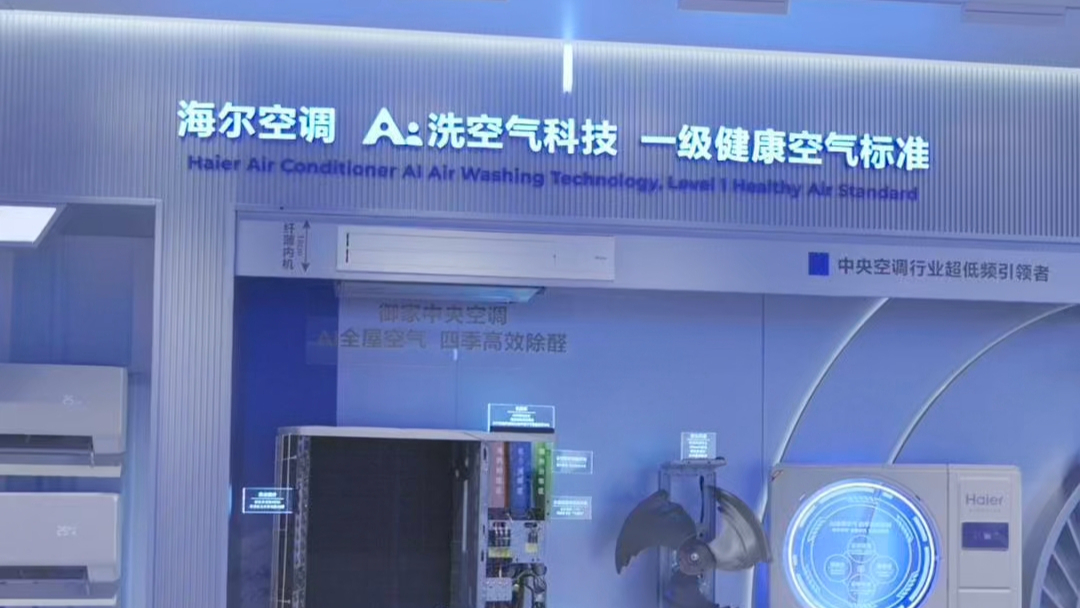
The first L4 level intelligent agent air conditioner in the AWE industry has been launched. At what level has your air conditioner evolved?


 WeChat registration or login


 Subscribe