2026-03-06 12:10


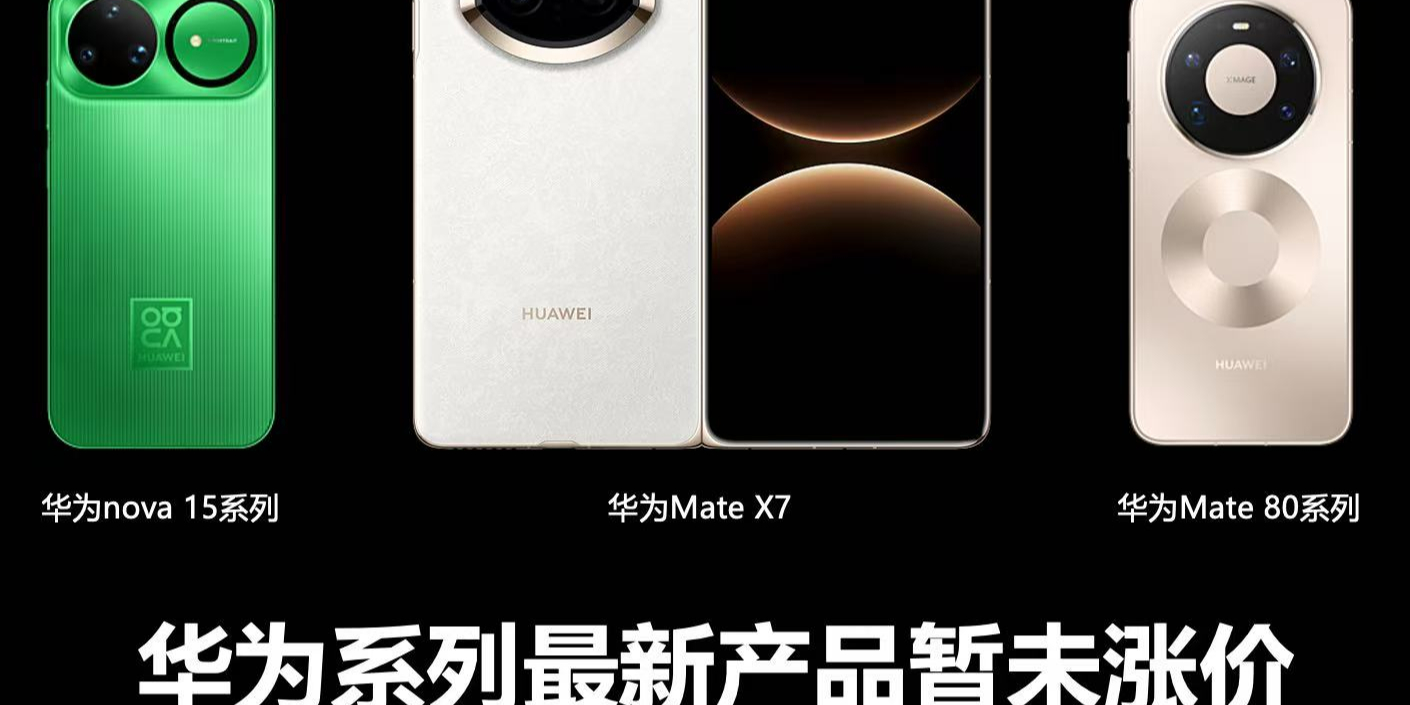
The mobile phone market in 2026 is undergoing a huge transformation. The AI industry has significantly squeezed the production capacity of memory chips, putting enormous pressure on memory costs for consumer electronics products, including smartphones. OPPO?vivo? Multiple brands such as Xiaomi and Honor have released their price increase rhythm through channels, and Samsung's latest Galaxy S26 series has directly raised its prices. Against the backdrop of price increases becoming a certainty, Huawei has yet to announce any price increases: the main models on sale, Huawei Mate 80 series, Huawei Pura 80 series, Huawei Nova 15 series, and Huawei Mate X7, have not seen any price increases, and some models even continue to enjoy Spring Festival discounts. Nowadays, on major e-commerce and social media platforms, it is becoming a consensus among more and more users that "buying Huawei phones now is the most popular choice in both the present and the future".
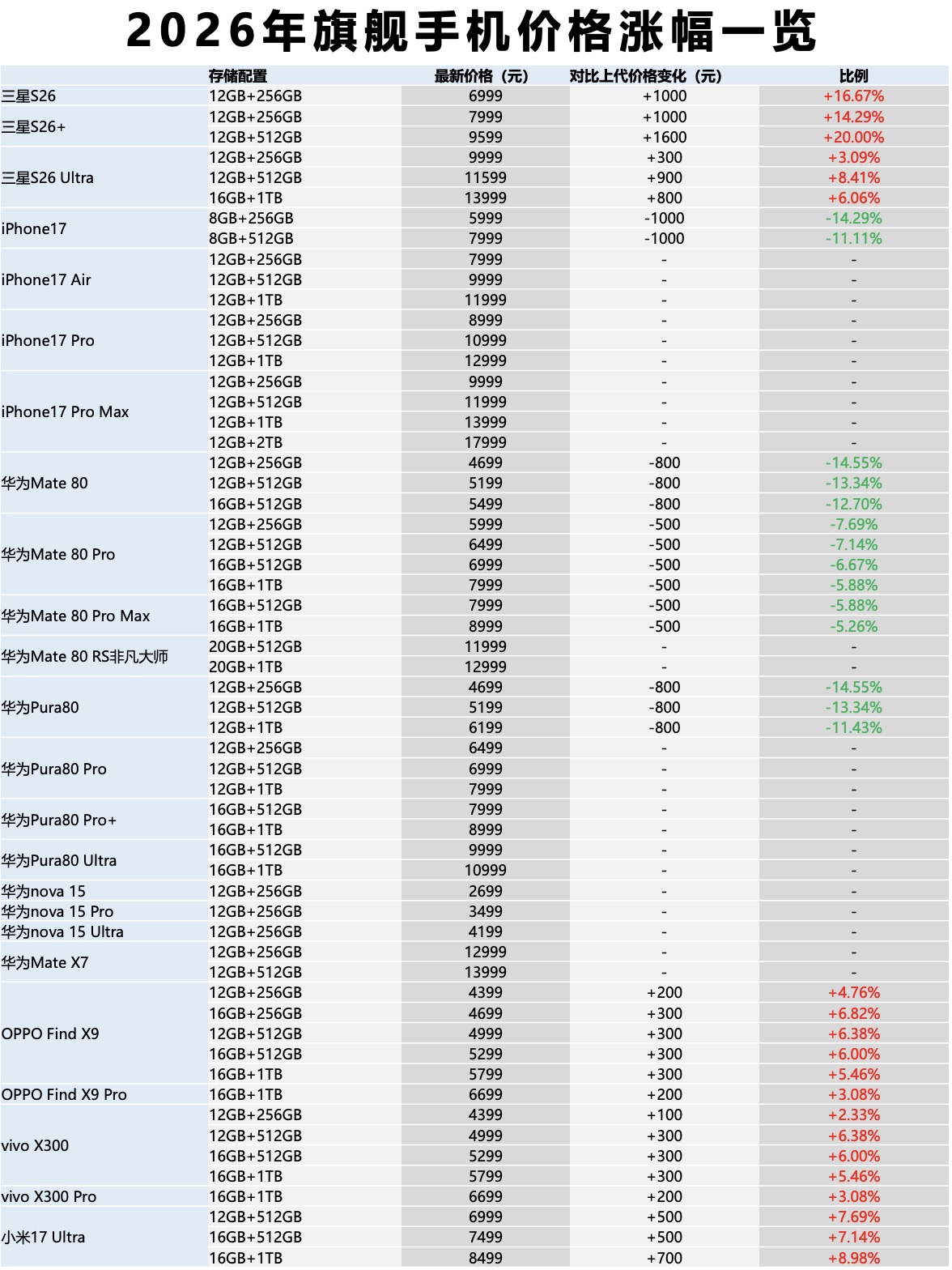
This consensus is supported by clear market data. The Samsung Galaxy S26 series has increased its price by up to 1600 yuan compared to the previous generation; OPPO?vivo? Domestic brands such as Xiaomi and Honor have also increased their prices compared to the previous generation, with the increase generally ranging from 200 to 700 yuan. However, Huawei has not announced any price increases for all models on sale so far, and some versions can still be supplemented with national trade in subsidies and Spring Festival promotion benefits. This means that users can still purchase high-end flagships at the 2025 pricing.
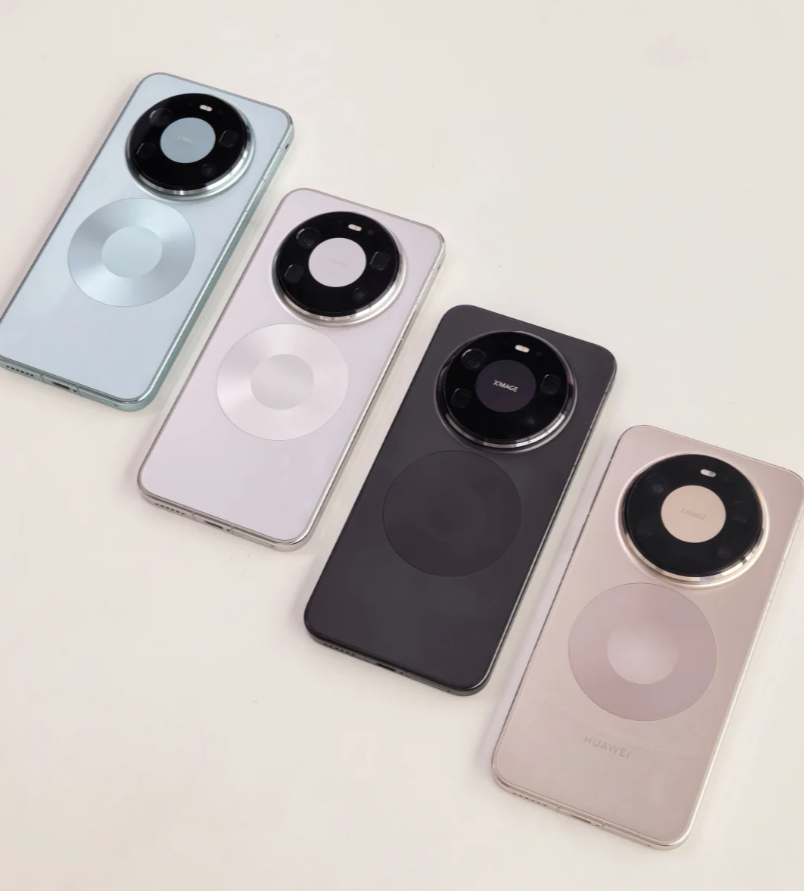
The reason why there is a saying on social media that "buying Huawei phones now will be the most popular in the future" is first and foremost because the hardware specifications are high enough. Taking Huawei Mate 80 Standard Edition as an example, the official price of its 16GB+512GB top of the line version is 5499 yuan, and after adding national subsidies, the final price is only 4999 yuan. 16GB of running memory ensures that the system will remain smooth for the next four to five years against the backdrop of continuous upgrades to the HarmonyOS operating system and expanding application volumes; 512GB of storage space is enough to accommodate tens of thousands of photos, hundreds of high-definition videos, and a large number of large-scale applications without frequent cleaning. In the current environment where memory and storage costs continue to skyrocket, the cost of a new device with the same configuration has significantly increased. However, Huawei offers this combination for less than 5000 yuan, essentially helping users avoid future replacement costs.
Secondly, Huawei phones have a very high resale value. With solid materials, long-term system maintenance, and high brand recognition, Huawei flagship's resale performance is significantly better than the industry average. Based on the past recycling data of Huawei Mate series, even if the Huawei Mate 80 series is recycled through official trade in channels after two years of use, its value is expected to be significantly higher than its competitors in the same period. This means that users not only save expenses when purchasing the device, but also receive higher deductions when replacing it in the future.
This logic of 'current fragrance, future fragrance' also applies to other Huawei product lines. The Huawei Pura 80 series, with its second-generation Red Maple imaging system and variable aperture main camera, remains the benchmark in the field of mobile imaging and is suitable for users with high requirements for photography; The Huawei Mate X7, as a flagship foldable screen priced at tens of thousands of yuan, not only maintains a stable price, but also offers a New Year's gift with the opportunity to purchase a mobile power bank, further improving the quality price ratio. It is the first choice for users who pursue efficiency and innovative forms; As a new phone released by the end of 2025, the Huawei Nova 15 series is in the price range of 2000-3000 yuan, with a significant increase. However, this model not only did not adjust its price with the industry, but also equipped with front and rear dual red maple lenses for the first time, providing a differentiated portrait shooting experience, especially suitable for students and new professionals.
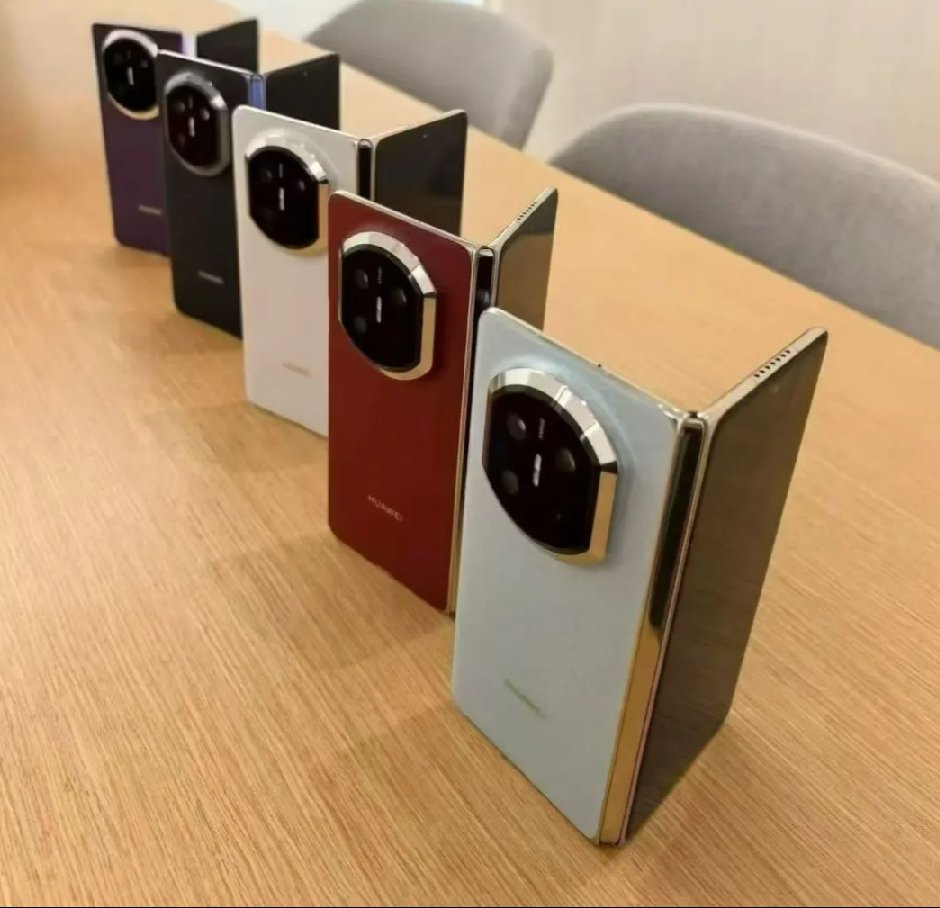
From a budget perspective, Huawei's flagship product line fully covers the range of 5000 yuan to over 10000 yuan, and all levels start with high-end configurations. No matter how much the user's budget is, they can find a "one stop shop" model. More importantly, models with large memory and storage combinations are currently experiencing a trend of supply shortage. Buying the top of the line version of Huawei's flagship at an unchanged price is likely to be the last 'golden window period'. After all, once the low-cost memory and storage chips in the manufacturer's inventory are depleted, they will face pressure from tight supply and further price increases in the future.
In the cost driven wave of price increases in 2026, the value of Huawei's flagship is not only in "not raising prices", but also in "saving money when bought, being worth using, and being able to offset when replaced". Buying Huawei Mate 80 series, Huawei Pura 80 series, Huawei Nova 15 series or Huawei Mate X7 now is a rational decision to obtain the highest certainty at the lowest cost. The time window is narrowing, taking early action can continue to enjoy the flagship experience in the coming years while minimizing the cost of replacement. This is the true 'most desirable choice'.

The State Administration for Market Regulation has taken action to crack down on "eye-catching big characters and exempt small characters from liability" advertisements
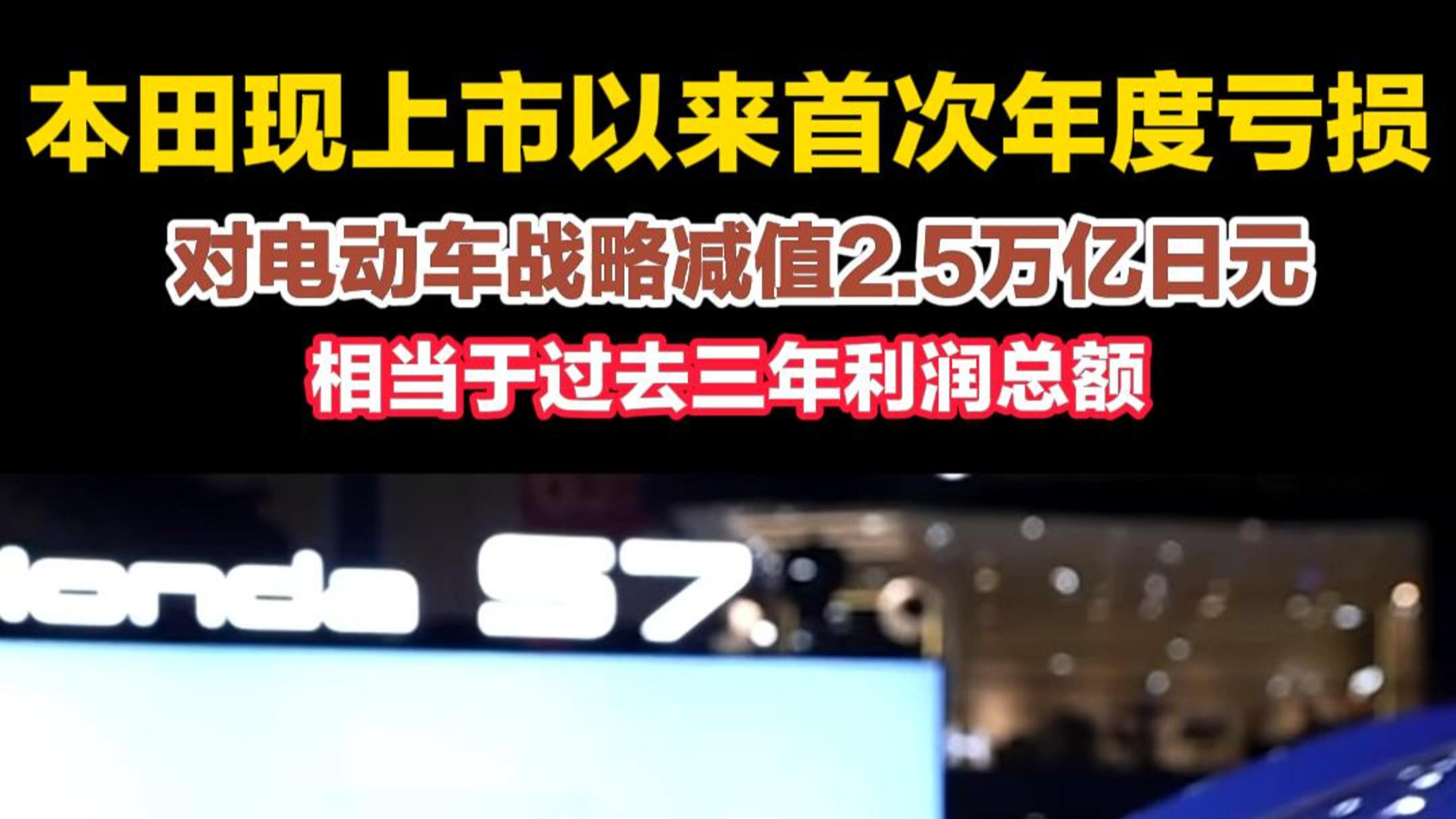
Honda incurs its first annual loss since going public: a strategic impairment of 2.5 trillion yen on electric vehicles, equivalent to the total profits of the past three years
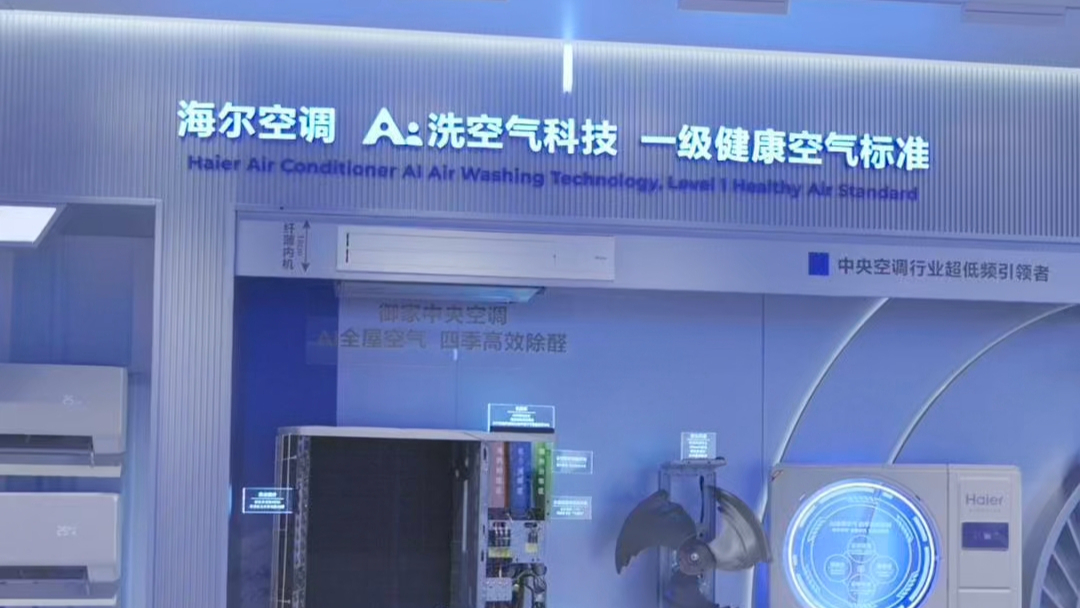
The first L4 level intelligent agent air conditioner in the AWE industry has been launched. At what level has your air conditioner evolved?


 WeChat registration or login