2026-11-04 09:50


Recently, the third quarter report of public funds for 2026 has been disclosed.
In the first three quarters, the public fund industry experienced a rare "ice and fire duality". In the second quarter, it made a profit of nearly 2 trillion yuan, and in the third quarter, it immediately incurred a loss of over 1.53 trillion yuan, setting a new industry record for quarterly losses. From a historical perspective, although there was a similar large-scale drawdown in the first quarter of 2022 (with a loss of over 1.3 trillion yuan), the scale of this loss is even larger and occurred after a rapid rise, resulting in more drastic fluctuations in net asset value felt by fund holders.
Record quarterly loss, fund managers turn to defense under crowded trading backlash
Public data shows that the total loss of public funds in the third quarter exceeded 1.53 trillion yuan, setting a new historical high for single quarter losses of public funds. The direct cause of this huge loss is the deep adjustment of the A-share market, with the Shanghai Composite Index falling 6.16% in the quarter and the ChiNext Index falling 27.8%. However, public fund stocks have high positions and heavy holdings in growth stocks. When the market falls, the net asset value drops even more, ultimately resulting in a huge quarterly loss.
Equity products have become the main force of 'bleeding'. Hybrid and equity funds suffered losses of 777 billion yuan and 746.3 billion yuan respectively, with a total loss of approximately 152 trillion yuan, accounting for over 99% of the total quarterly losses of public funds. In contrast, currency, commodity, and some dividend strategy funds contributed positive returns against the trend, indicating that during periods of intense market volatility, the risk aversion of funds significantly increased, and low volatility assets became safe havens for funds.
Faced with extreme market differentiation, the asset allocation strategy of public funds has undergone fundamental changes. More than 60% of active equity funds choose to reduce their positions to control drawdown and re-examine the balance of their portfolios. According to the analysis of the third quarter reports of several leading institutions such as China Merchants Securities and Huachuang Securities, public funds have bid farewell to the crowded AI market in the first half of the year, started structural rebalancing, reduced their holdings of technology hardware such as electronics and communications, and increased their holdings of dividend and low-level assets such as pharmaceuticals, banks, and coal. As of the third quarter report, the total market value of public fund bonds reached 22.01 trillion yuan, accounting for 58.08% of the fund's net asset value, while the market value of stock holdings decreased significantly by 11.11% month on month.
Several fund managers also stated in their quarterly reports that the sharp market correction reflects the previous overcrowding and structural imbalance of AI trading. Although the main position of the technology sector has not been overturned, funds are withdrawing from overvalued and crowded trading links, and shifting towards sub sectors with higher performance visibility and relatively reasonable valuations. In addition, the recovery of passive fund size growth and the return of ETFs to the growth channel reflect that investors are more inclined to obtain market average returns through low-cost instrumental products when it is difficult to overcome the market through active management, that is, "beta returns", that is, to earn money from the overall market by following the rise and fall of the index, rather than relying on fund managers to select stocks to obtain excess returns.
Unequal distribution of industry trends, dividend strategies and some small and medium-sized institutions breaking through against the trend
This market adjustment has profoundly affected the valuation logic and capital flow of different industries. The electronics and communication sectors, which led the gains in the early stage, experienced a deep pullback due to high valuations and crowded trading, making funds heavily invested in these sectors the hardest hit areas of losses. On the contrary, bonus sectors such as coal, petroleum and petrochemicals, banking, and the pharmaceutical and biotech industries have shown relatively resilient performance, with some small and medium-sized fund managers focusing on these areas even achieving positive profits.
For the future direction, if overseas liquidity tightens further and the Federal Reserve resumes interest rate hikes, valuation pressure on growth stocks may continue to exist. China CITIC Securities and other institutions expect that public funds will continue to maintain a defensive posture and further tilt towards hard technology manufacturing, innovative drugs, and high dividend assets with performance support. Although it has maintained a profitable state throughout the year, the short-term market profitability is difficult to be optimistic, and fund managers need more time to repair net worth and rebuild holder confidence.
In the brutal reshuffle of the third quarter, there was a clear differentiation in performance among fund companies. Among the 162 fund managers included in the statistics, only 26 achieved overall profitability, while over 80% of institutions incurred losses. Most large top companies have experienced significant net asset drawdown pressure due to their large equity exposure. Small and medium-sized institutions with a fixed income or dividend oriented style, such as Zhongtai Asset Management, Shangyin Fund, Xinyuan Fund, etc., stand out with their stable allocation strategies, among which the first two are the only managers with profits exceeding 500 million yuan in the quarter.
This phenomenon indicates that in the current market environment, scale advantage is not an absolute moat, and flexible style switching ability and risk control level have become the key factors determining performance. In the future, the market may further reward management institutions that have foresight and discipline in asset allocation, and the model that relies solely on track beta returns will face greater challenges.
(The author of this article is a researcher at the Jingguan Research Institute)

Haosi Power CPO Hu Shichuan: Follow us to go global and promote our products worldwide
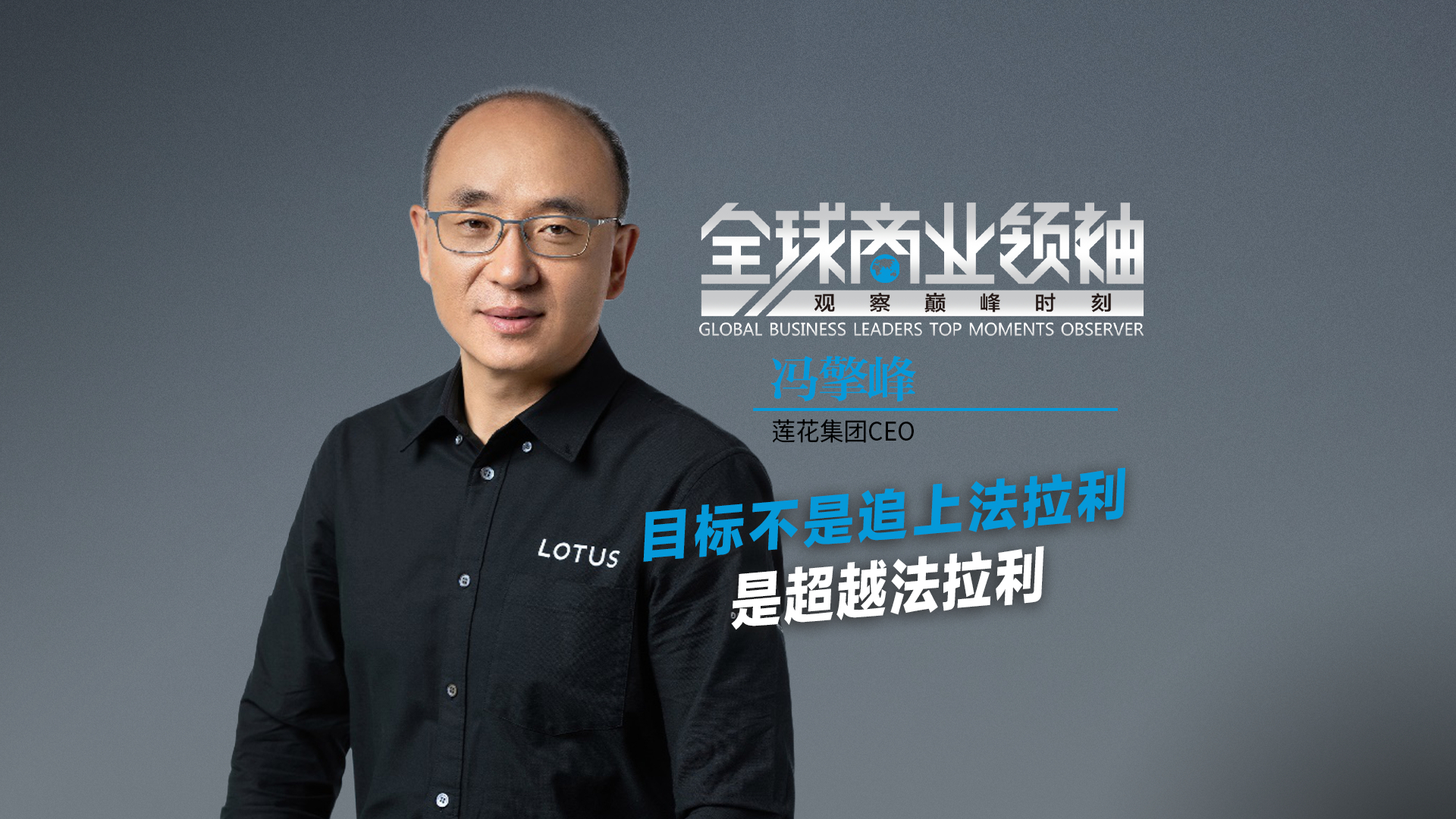
Lotus Group CEO Feng Qingfeng: The goal is not to catch up with Ferrari, but to surpass Ferrari
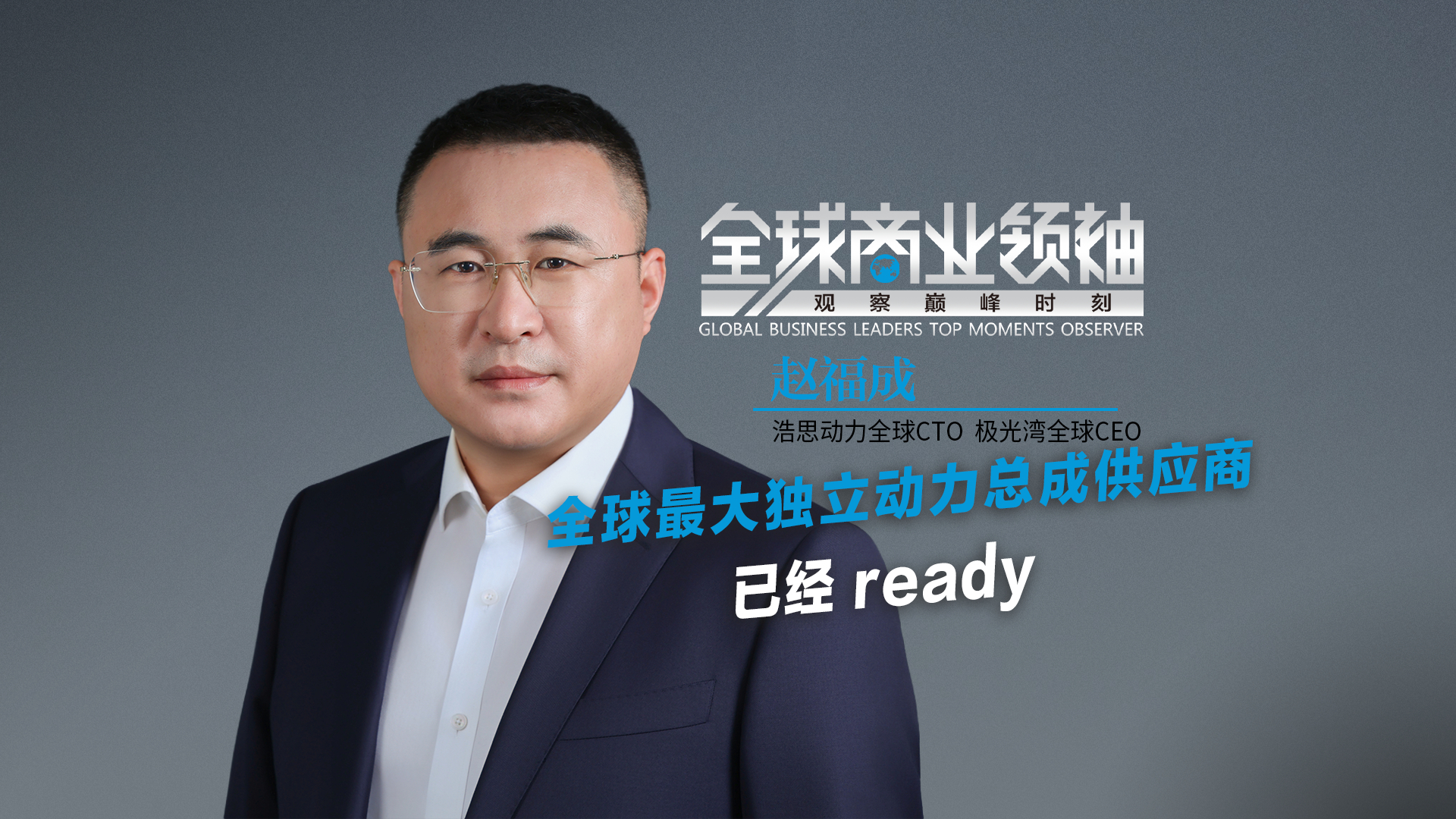
Haosi Power Global CTO/Aurora Bay Global CEO Zhao Fucheng: The world's largest independent powertrain supplier is ready