Economic Observer Follow
2026-11-03 13:04

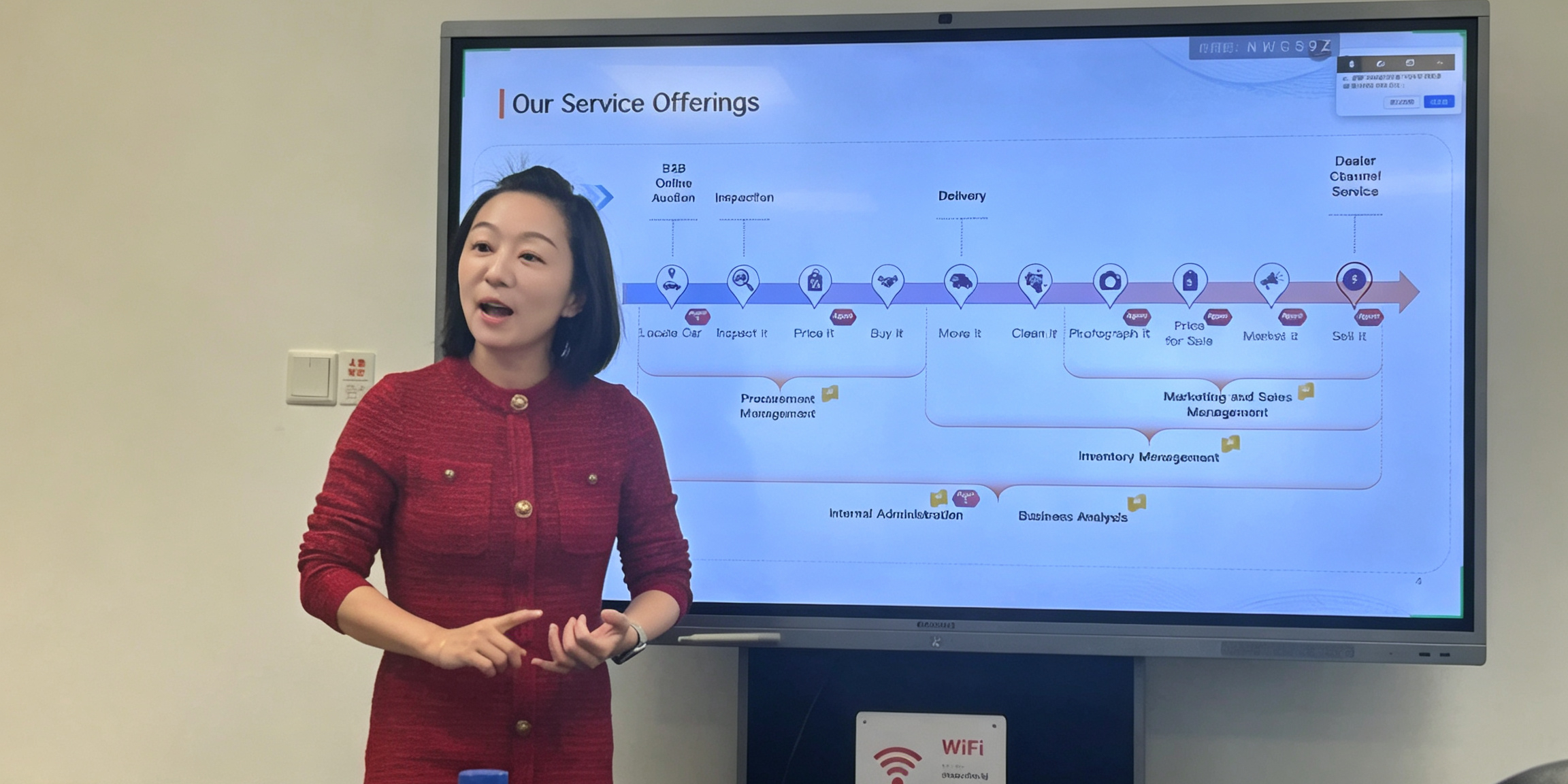
On November 2nd, Da Sou Che Group (Nasdaq: DSC) released the "White Paper on China's Used Car Industry (First Half of 2026)" (hereinafter referred to as the "White Paper") at its Beijing branch.
According to the white paper, as of the first half of 2026, the annualized separation rate of China's second-hand car market (second-hand car transaction volume/car ownership) is only 5.2%, lower than the 8% -15% in mature countries such as Europe, the United States, and Japan; During the same period, the ratio of used car to new car transactions was about 1 times (i.e. 1:1), lower than 2.4 times in the United States and 1.9 times in Europe. The white paper believes that there is still significant upward potential in the volume of second-hand car transactions.
From 2020 to 2022, the Ministry of Finance, Ministry of Commerce and other departments have introduced reform measures including the cancellation of relocation restrictions and the reform of second-hand car tax burden. According to the white paper data, the cross city circulation rate of second-hand cars has increased from 35.3% in the first half of 2022 to 41.6% in the first half of 2026. The outflow rate from other cities in Beijing and Shanghai is about 70%; Cities such as Chengdu and Chongqing mainly focus on receiving incoming vehicle sources.
It is worth noting that the current growth in second-hand car trading volume mainly comes from new energy. In the first half of 2026, the proportion of new energy vehicles in the second-hand car transaction volume increased to 7.6%, a year-on-year increase of 2.4 percentage points. However, compared to the nearly 50% penetration rate of new energy vehicles, the transaction volume of used new energy vehicles is still less than one sixth of that of new vehicles.
Liu Zenan, the head of the White Paper Working Group on the Used Car Industry at Da Sou Auto, stated that in the first half of this year, the resale value of new energy used cars within three years showed an improvement trend compared to the same period last year. Among them, the resale value of new energy vehicles with one year, two years, and three years of age increased by 1.2, 3.5, and 0.7 percentage points respectively compared to the same period last year. The difference in residual value between new energy vehicles and fuel vehicles with a 1-year vehicle age has narrowed from 5.8 percentage points to 2.5 percentage points.
Meanwhile, due to the impact of the new car price war, the second-hand car price index dropped from 100 in the first half of 2022 to 76.9 in the first half of 2026, with the decline in second-hand car prices being about twice that of new cars. This further leads to a decrease in the proportion of transactions involving vehicles of different ages within the next three years, from 28.2% in the second half of 2023 to 24.6% in the second half of 2025.
The new car price war has also affected the residual value of used cars for luxury brands. The residual value of used cars for domestic brands, joint venture non luxury brands, and luxury brands with a car age of less than three years has decreased from 68.1%, 72.3%, and 76.8% in the first half of 2022 to 56.8%, 58.0%, and 60.8% in the first half of 2026, respectively. The gap in residual value between different brand categories is gradually narrowing, and the downward pressure on residual value for luxury brands is particularly evident.
Due to factors such as the new car price war, the second-hand car industry has been under continuous pressure in recent years. The China Automobile Dealers Association predicts that another 20000 second-hand car dealerships will close this year. According to the sample data from DaSouChe, in the first half of 2026, the gross profit margin index of car dealers decreased from 100 in January to 85.6 in June; The profit proportion of various scale car manufacturers decreased by 10 to 16 percentage points year-on-year.
According to Zou Qin, CFO of DaSouChe, although the overall second-hand car market has been growing in the first half of this year, transaction volume does not equal industry profits. The industry is shifting from highly dispersed to specialized and efficient, and circulation efficiency is the core contradiction of the second-hand car industry. In the context of overall profit margins being squeezed, the differences in industry operating capabilities will be more reflected in precise product selection, dynamic pricing, inventory structure, and capital utilization efficiency. Relying solely on experience judgment or pursuing transaction scale is no longer sufficient to fully cope with the complex changes in the market.
Da Sou Che was founded by Yao Junhong in 2012 and went public on NASDAQ in June of this year. Its Big Windmill system holds over 90% of the market share in China's second-hand car dealer operation system, with over 65000 monthly active users. It has also built an offline service network around trading, testing, logistics delivery, and other links.
Zou Qin said, "In the procurement process, 'Big Windmill' intelligently matches supply and demand data, historical transaction prices, and logistics costs to help car dealers identify cross domain transaction opportunities. In the sales process, dynamic analysis is conducted based on actual transactions, inventory on sale, and changes in supply and demand in the region to help car dealers adjust purchase and sales prices in real time. In the inventory management process, data analysis and AI assisted tools help second-hand car dealers identify unsold risks earlier. ”
Zou Qin also stated that this is the first time that DaSouChe has released the white paper, and a semi annual industry in-depth report will be released thereafter. Da Sou Che is also actively seeking cooperation with official institutions to jointly release and provide reference for industry practitioners to analyze industry changes. After completing its IPO, DaSouChe hopes to contribute a data perspective from the forefront of the industry. ”Zou Qin said.
An industry insider told the Economic Observer that after Da Sou Che's listing, its stock price came under pressure. One of the purposes of releasing the white paper is to convey the value of its B2B SaaS company to the capital market, allowing the market to understand that it holds highly granular first-hand trading, inventory, and residual value data in the industry, in order to fulfill the narrative of "data, AI infrastructure" in the prospectus and improve institutions' understanding of the company.


Haosi Power CPO Hu Shichuan: Follow us to go global and promote our products worldwide
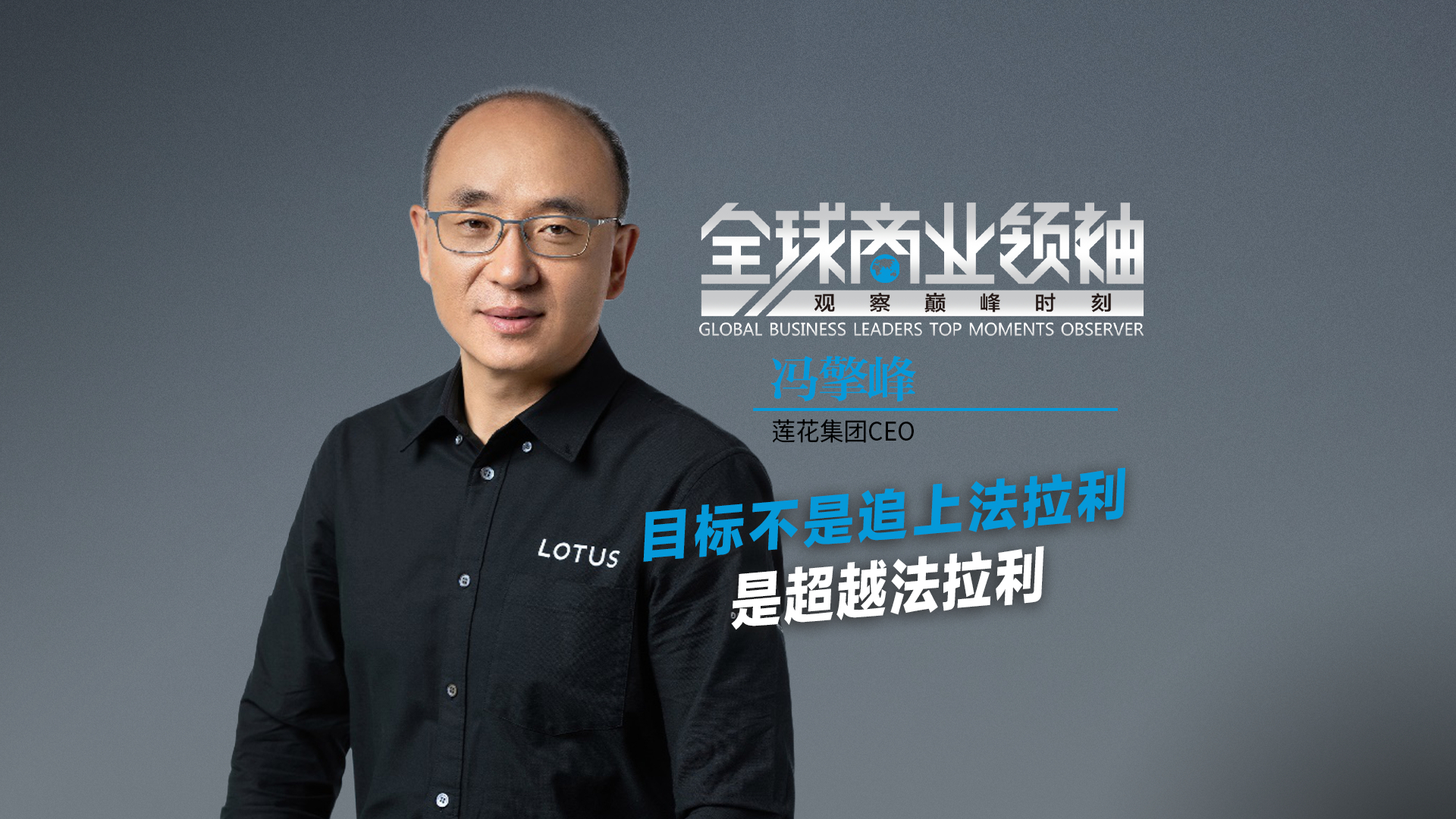
Lotus Group CEO Feng Qingfeng: The goal is not to catch up with Ferrari, but to surpass Ferrari
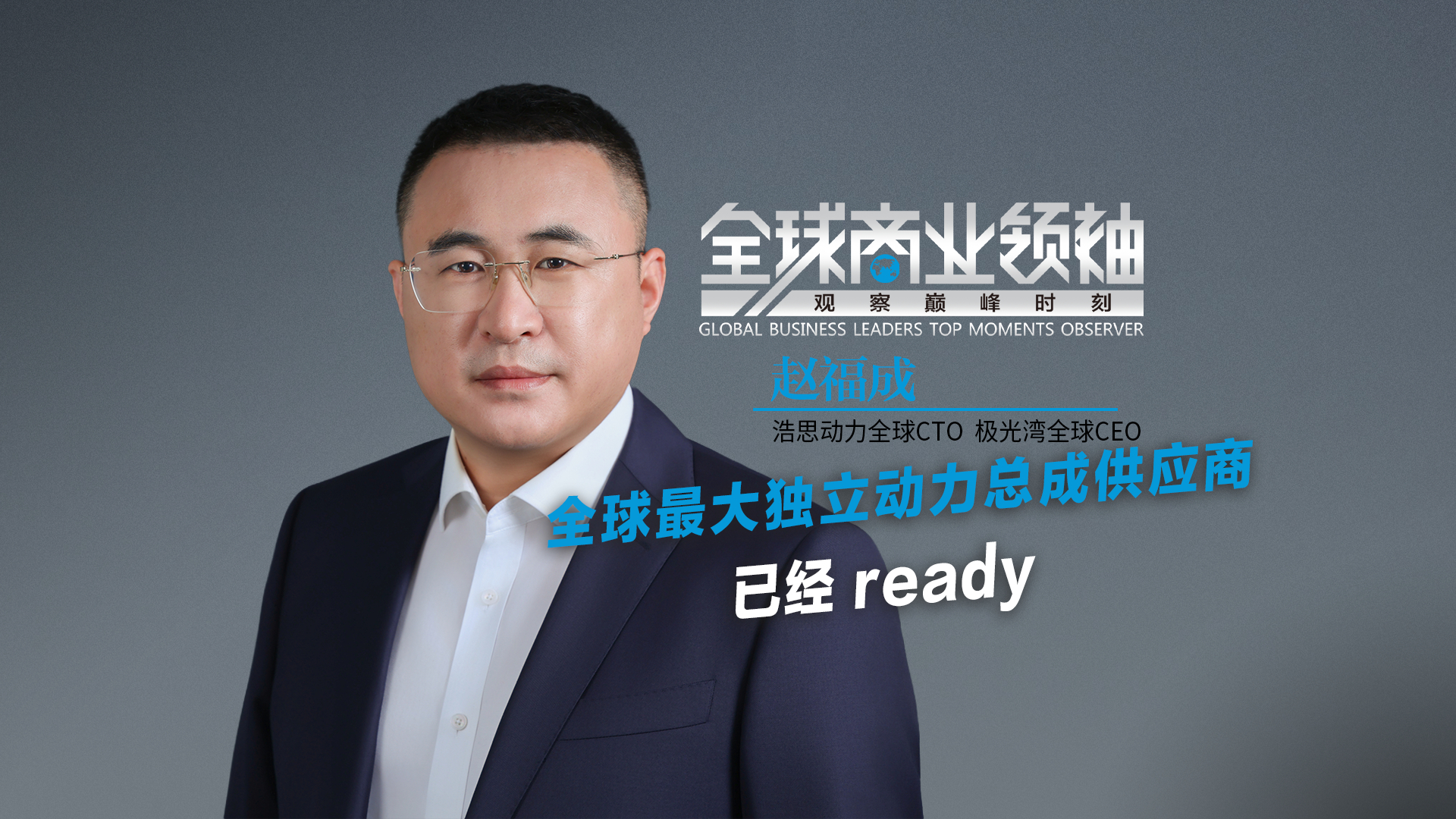
Haosi Power Global CTO/Aurora Bay Global CEO Zhao Fucheng: The world's largest independent powertrain supplier is ready


 Subscribe