2026-10-16 19:38

Economic Observer reporter Zheng Mingzhu
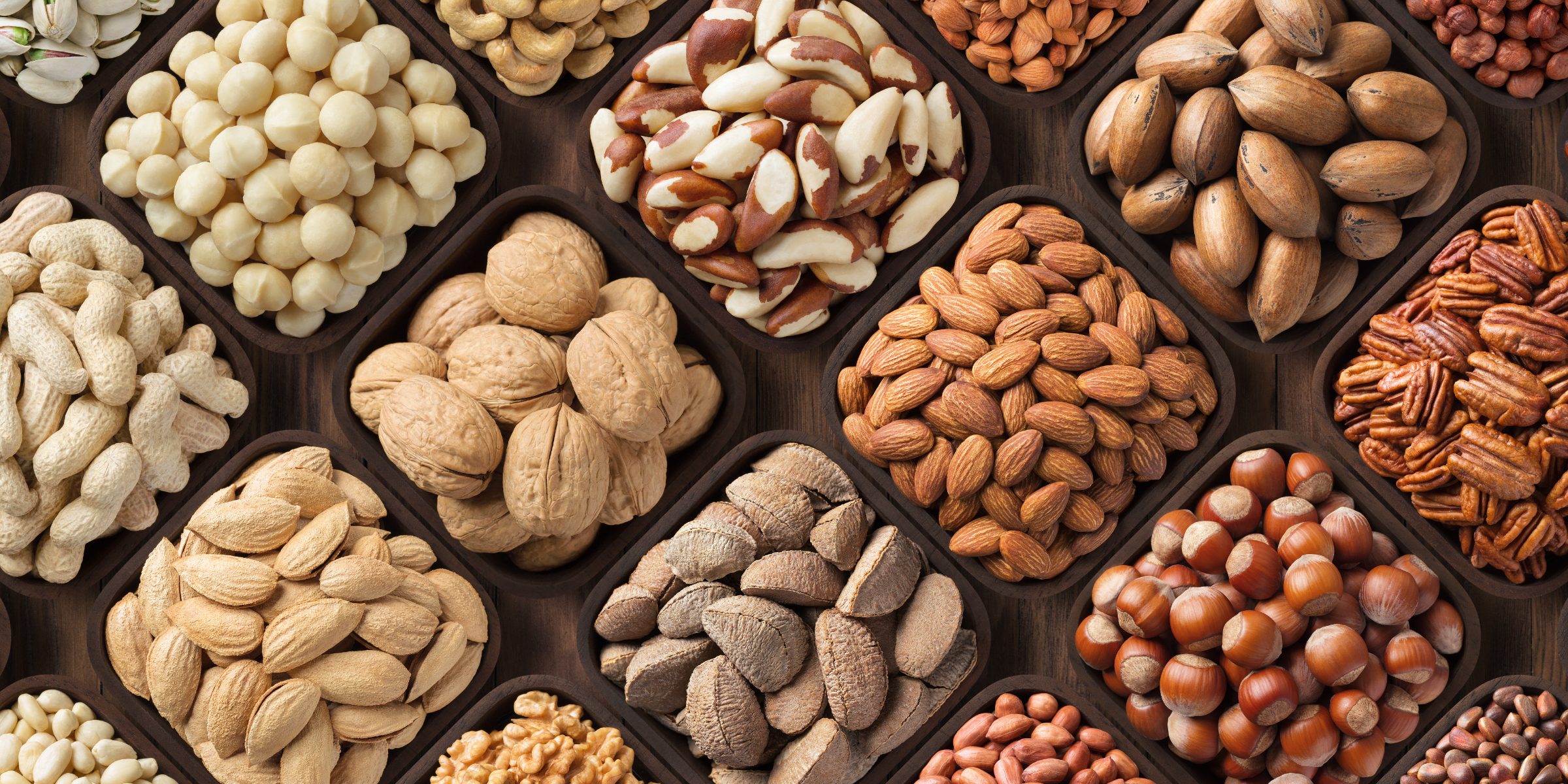
Pistachios will also be restricted from purchase.
Recently, many netizens have shared their shopping experiences on social media: they encountered purchase restrictions when going to Sam's Club or opening customers to buy pistachios.
On October 15th, the reporter searched for the self owned brand Member's Mark salt baked pistachio product (1.13kg) on the Sam's Club app, and the product status displayed "restocking", making it impossible to place an order directly. At the same time, the page indicated a purchase restriction rule: each member is limited to purchasing 2 pieces every 30 days. Its selling price is 99.9 yuan/bag, while in December last year, the price of the same product was 89 yuan/bag.
Another warehouse membership supermarket experienced a similar situation when its customers opened for sale. On October 15th, the reporter saw at the official flagship store of Kaike on JD.com that Kaike's own brand, Cochran, had 1.36kg specification pistachios - salt roasted pistachios and roasted shelled pistachios, with a price tag of 179.88 yuan and a membership price of 149.9 yuan, and both products were limited to one purchase.
After the purchase restriction, the "scalpers" took action upon hearing the news. In the Sam's comment section, a consumer claimed on October 14th: "I bought two bags and gave them directly to the 'scalpers', earning a small profit of 50 yuan." On social media, there were also posts with content such as "Collecting pistachios, adding 40 yuan to one order of two bags" and "High priced recycling of pistachios from market opening customers. On second-hand platforms such as Xianyu, a large number of sellers post proxy ordering information, such as "Sam's pistachios proxy ordering, 2 bags for 250 yuan, can only buy 2 bags within 30 days, first come, first served".
Supermarkets have opened up purchase restrictions, terminal prices have risen, and there have even been price hikes and reselling in the second-hand market. Why has this small nut become a scarce commodity?
Tight Supply
Zhu Bing (pseudonym), who runs a handmade Italian ice cream shop in Nanjing, Jiangsu, purchases pistachio nuts approximately every two weeks to make pistachio ice cream. In August of this year, the price of the pistachio nuts he often buys suddenly increased from 69.9 yuan/500g to 109.9 yuan/500g. Zhu Bing introduced that the price of Happy Nut has fluctuated frequently since the beginning of this year, but the fluctuation range is around 10 yuan. The sudden increase of 40 yuan is indeed unprecedented.
Many businesses in the pistachio industry have a tangible sense of price increases. The owner of a dried fruit shop outside the North Fifth Ring Road in Beijing told reporters that the price of pistachios has risen from 69 yuan per kilogram in recent months to 79 yuan now. On the 1688 wholesale platform, a store staff member from Zhejiang who has been open for 4 years said that if purchasing pistachios in large quantities, the price will be cheaper, such as a minimum order of 1000 kilograms, with a selling price of 56 yuan per kilogram. For the current price, the staff member said that this is the highest price moment he has ever experienced, "raw materials are very expensive this year". The price of another Hebei store is 119.88 yuan/kg, and he also said, "The price has risen sharply
Pistachios are mainly produced in the United States, Iran and Türkiye. Specifically in the Chinese market, although Xinjiang has a production area for pistachios, the current output is very small. More than 95% of domestic pistachios rely on imports, mainly from the United States and Iran.
On the supply side, the two major production areas of the United States and Iran are experiencing supply contraction, compounded by multiple geopolitical and climatic factors, leading to a tightening of global supply of pistachio raw materials. Several industry practitioners have mentioned that the price increase and tight supply of pistachios in the domestic market are rooted in the rising prices of upstream international raw materials, and the cost pressure is transmitted down the supply chain to the domestic terminal market.
California, USA is one of the largest sources of pistachios in the world. According to local media reports in the United States, the issue of empty shells of pistachios is a major challenge facing the industry, as the unusually hot weather in March disrupted the flowering period. On the other hand, Iran is also an important production area for the global supply of pistachios. The production and export trade of pistachios in the region have become complicated due to geopolitical frictions, and the cost of production will not be good in 2025. The escalating conflict in 2026 will further disrupt logistics and trade channels, adding insult to injury.
Zhu Bing once asked his supplier about the reason for the price increase of Happy Nut. The other party explained that the raw materials come from Iran, and now the farms producing pistachios in Iran have been bombed. The other party further stated that "if the price drops, it will take at least five years, and even if we plant it now, we will have to wait for five years" because pistachio fruit trees have a long fruiting cycle and need many years to enter the peak production period, making it difficult to rapidly expand production in the short term.
Pistachio Hot
The "pistachio craze" on the consumer side has intensified the supply shortage.
A purchasing staff member from a domestic chain supermarket told the Economic Observer that another reason for the price increase of pistachios is the improvement of deep processing capabilities, which has opened up more edible scenarios, resulting in a tight supply of raw materials and driving up prices.
At the end of 2023, a "Dubai chocolate" made from pistachios, cream, puff pastry, and other ingredients exploded on social media TikTok, quickly driving a global consumption boom for pistachios. Subsequently, international brands such as Starbucks, Swiss Lotus, and DQ have launched pistachio related products, while domestic brands such as Heytea and Moyogurt have also launched new pistachio series products. On October 12th, Pepsi also launched a sugar free pistachio chocolate flavored cola.
Pistachios are stepping out of their traditional role as "New Year's nuts" and accelerating their penetration into various daily consumption scenarios. According to Innova Market Insights, a market research firm in the food and beverage industry, the compound annual growth rate of new food and beverage products containing pistachios worldwide from July 2021 to June 2026 reached 26%.
Several industry practitioners have stated that the current round of price increases for pistachios will continue. As the end of the year approaches, pistachios are a must-have for family reunions, and holiday demand will further release, which will also make prices more firm.
A nut industry insider with 18 years of experience told reporters that she has no plans to replenish the source of pistachios. At present, her purchase price has reached 70 yuan/jin, compared to only about 50 yuan in the same period last year. She is concerned that the high price may deter consumers.
Zhu Bing has started adjusting its business pace to cope with the pressure of rising raw material prices. To control costs, he proactively reduced the supply frequency of pistachio flavored ice cream, which was originally offered four or five days a week, but now it has been reduced to only one or two days a week. Occasionally, if a consumer specifically requests this product but the store is unable to provide a stable supply, they will truthfully inform the customer that 'pistachios have recently increased in price'. As for whether to increase the selling price of finished products, he struggled to weigh the pros and cons for a long time and chose not to raise the price temporarily. In his opinion, most consumers find it difficult to accept price increases and do not understand the reasons behind them.


 Subscribe