2026-10-16 18:41

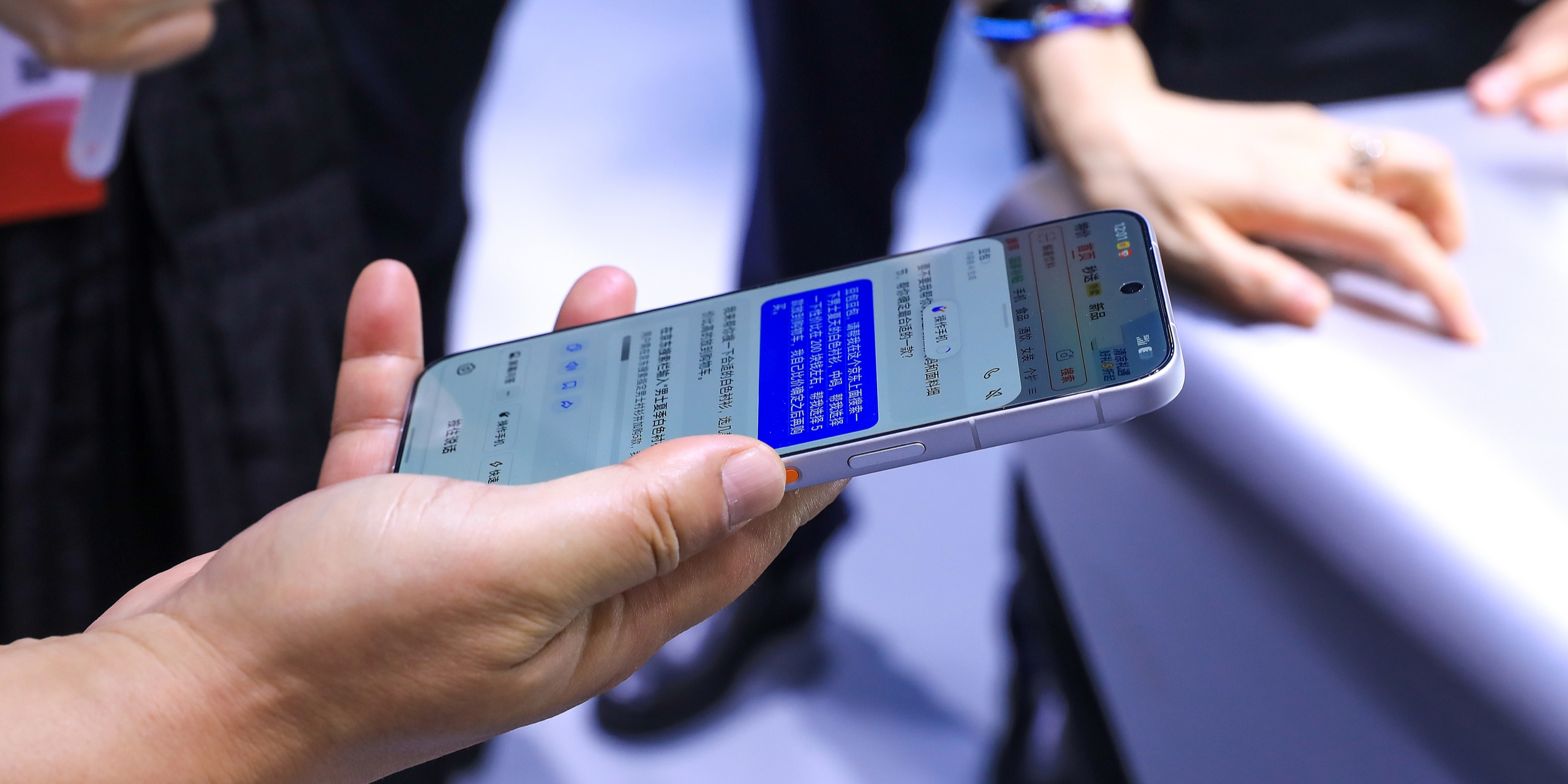
Xin Haiguang/Wen 153 apps refuse to access Doubao mobile assistant - On October 14th, Doubao mobile assistant released a list, revealing an increasingly prominent contradiction in the AI (artificial intelligence) era.
These 153 apps, including WeChat, Taobao, Alipay, Kwai, Meituan, etc., are commonly used apps. With the end of the 30 day public announcement period for SAEP (Screen Automation Operation Declaration Protocol), Doubao Mobile Assistant has announced that it will gradually open up screen automation operation permissions for third-party applications. However, for applications that have clearly stated their refusal, intelligent agents will not operate them.
Let's first sort out the causes and consequences of this matter. In December 2025, the first generation of Doubao mobile phones will be released, with the core selling point being GUI (graphical user interface) screen automation operation: AI recognizes screen images, simulates manual clicking and sliding, and can complete operations across applications with just one command, without the need for app manufacturers to specifically open API interfaces.
This is actually a new product trend in the era of AI intelligent agents, but it has sparked huge controversy in the industry. A large number of mainstream apps directly restrict and block the GUI automation operations of Doubao Assistant. Many users found that high-frequency software such as WeChat and Alipay could not make AI operate automatically and experience a big discount after they bought their mobile phones. This is the so-called "ecological wall" problem.
So, when the second generation of Doubao Mobile Consumer Edition was released, a SAEP screen automation declaration protocol was also simultaneously launched, which handed over the decision-making power of whether it could be automatically operated by AI to app developers and set a 30 day public notice period; After the public announcement period ended, 153 apps declared their refusal of GUI automatic operation.
This is not a bloody conflict with bayonets, but the confrontation between the two sides is evident. To understand this divergence, the first step is to clarify what AI agents are changing.
Over the years, the mobile Internet has formed a mature business model: users open apps to meet their needs, while the platform builds its own business advantages by mastering traffic portals, user data and transaction scenarios. In this process, the app captured traffic from the web end because it has some advantages that are difficult to replicate compared to the web end. The webpage runs in the browser sandbox with restricted permissions, while the app is a native program installed in the system that can deeply call on mobile hardware, such as QR code payment, real-time location taxi, and beauty photography, which are difficult for the webpage to achieve. Based on these innovative applications, the mobile Internet has created huge new business value and spawned new Internet giants.
However, the biggest flaw of the app is the island problem. The PC Internet web page is open, and hyperlinks can be used between web pages to call each other's interfaces and read data. At that time, the Internet was an interconnected network. But in the era of apps, they have become closed to each other, with no data connection, and each app is like an island, unable to seamlessly link across apps. Platforms like Tencent and Alibaba, although their super apps have built a rich ecosystem of products and services, their core goal is still how to keep users within their own ecosystem.
In order to connect the islands, product managers have made various innovative attempts, such as cross app jump solutions using browsers as bridges, such as mini programs, but none of them are essential changes. It was not until the emergence of AI intelligent agents that the possibility of fundamental change emerged. When AI enters mobile phones, users may not need to open different applications, but directly tell AI their needs, allowing it to search for information, compare prices, and complete operations across different applications. The focus of user attention may shift from which app to which AI to use. This means that AI is not only clicking on the screen for users, but also may become a new intermediary between users and Internet services. That's the direction that Doubao Mobile wants to go.
The problem is that change is difficult to achieve overnight, and there are too many contradictions that need to be resolved. For example, the hidden security issues behind screen automation operations. AI may misunderstand user intentions and cause losses to users; For example, regarding privacy issues, what information does AI have the right to access; For example, the issue of responsibility, such as how to allocate responsibility for losses caused by AI operations. Application developers have reason to be cautious about automated operations that have not been fully validated.
This raises a deeper question: how to distinguish whether an app rejects AI based on security reasons or closed motives? A large number of past cases have shown that security reasons are often used for abnormal exclusive behavior and harm consumer interests. For example, some mobile phone brands' app markets refuse to list apps launched by other mobile phone brands on security grounds.
Even though AI itself does not naturally represent consumer interests, it may be influenced by business cooperation, recommendation mechanisms, and profit distribution methods. The emerging AI gateway may break down silos while also utilizing algorithms to create new information barriers, causing consumers to shift from one dependency to another.
These are all challenges that new things must face. From this perspective, the SAEP protocol launched by Doubao Mobile Assistant, although controversial, finally provides a direction worth exploring for the industry and the public - transforming AI operation permissions from vague technical conflicts to rule issues that can be clearly declared, specifically divided, and openly discussed. The rules should follow the standard that technological innovation should not override security, and the platform's security responsibility should not become a natural passport for a closed ecosystem.
From the perspective of consumers, most people definitely expect to have a thoughtful AI assistant. This is also the trend driven by technological progress, and it will be realized sooner or later. In this process, it is obviously unwise for Internet manufacturers to stubbornly resist the tide of the times. This does not mean that it is necessary to cooperate with anyone's mobile AI assistant. The ideal AI assistant may not necessarily be the bean bun mobile phone model, and it may not even necessarily exist on traditional terminals such as mobile phones. But in the face of the future, at least we should have a big number in mind and make decisions without big mistakes.
(The author is a technology columnist)