Economic Observer Follow
2026-10-16 17:28

Economic Observer reporter Zhang Rui
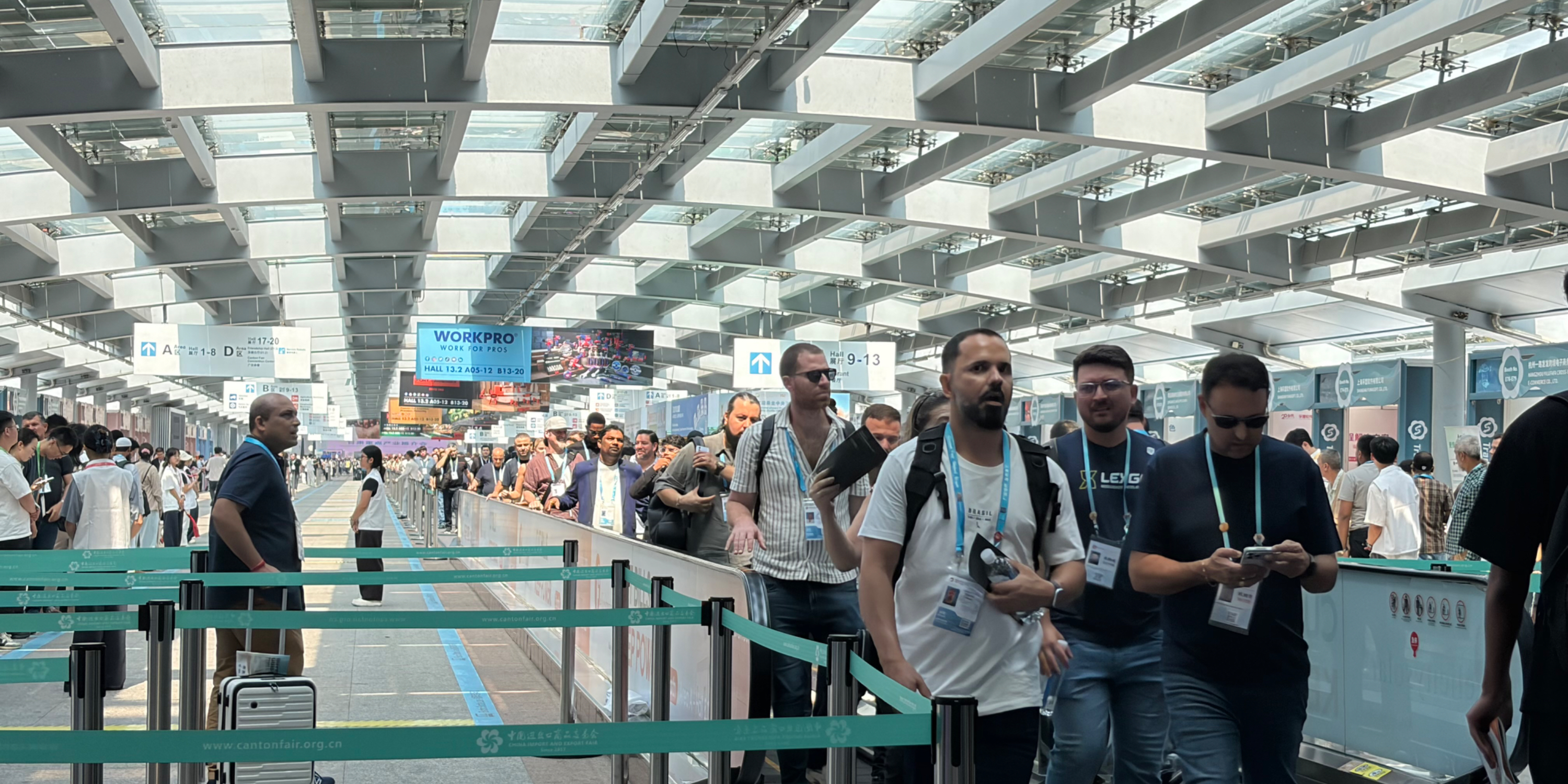
On October 15th, the 140th China Import and Export Fair (referred to as "Canton Fair") kicked off in Guangzhou.
On the first day of the opening ceremony, reporters from the Economic Observer visited three major exhibition areas: motorcycles, home appliances, and robots, attempting to gain a close-up understanding of the brand breakthrough of traditional manufacturing, the intelligent transformation of the home appliance industry, and the scenario based exploration of embodied intelligent products.
Zhang Xueji's car effect
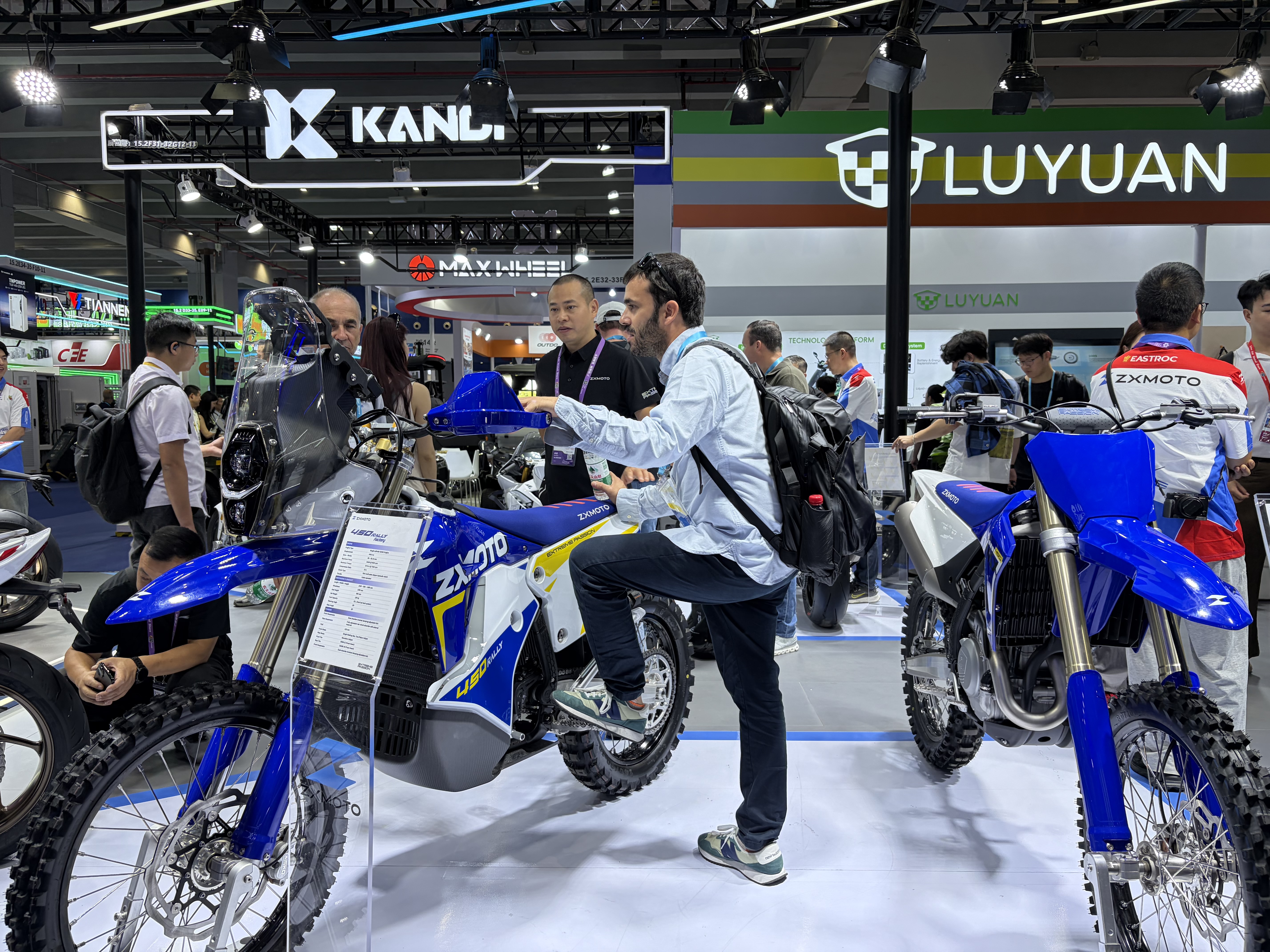
The level of excitement in the motorcycle exhibition area this year has significantly increased compared to the past. Among them, the most popular one is undoubtedly the exhibition booth of Zhang Xueche, where a continuous stream of customers came and went to inquire and take photos on site.
On October 15th, Yang Yang from Zhang Xueji's overseas marketing department stated in an interview with the Economic Observer that this is the company's second time participating in the Canton Fair. Compared to the previous "temporary exhibition", they have made more thorough preparations this time, not only bringing models for sale, but also showcasing new products that have not yet been officially launched. Everyone's feedback on us is good, and our customer traffic is also very good, "he said.
In terms of expanding into overseas markets, Yang Yang stated that the company only officially launched its overseas journey in March this year, and will focus on deepening its presence in the European and Southeast Asian markets in the future. Among them, cooperation has been reached with local agents in the Vietnamese market, and negotiations with partners are underway in the North American market. The export of motorcycles involves a lot of preliminary work, including trademark registration, overseas certification, etc. This year we have truly opened the door to the overseas market. "He also said that according to current market expectations, the company's overseas business volume is expected to be comparable to the domestic market, ultimately forming a" 50-50 "pattern.
The timing is very ripe now, and overseas markets will be the most important growth engine for our brand, "Yang Yang confidently said. The company is confident in exploring overseas markets because Chinese manufacturing provides a very mature and complete supply chain system for the entire motorcycle industry.
He further stated that in the past, most Chinese motorcycle companies relied on OEM and OEM models to earn meager profits, but now, a complete supply chain, continuous iteration and upgrading of technology, and the improvement of national comprehensive strength have created new opportunities for Chinese motorcycle brands.
The inherent impression of Chinese brands among overseas customers and consumers is undergoing a transformation, "Yang Yang said. As Zhang Xueji's motorcycle continues to" make a name for itself "in motorcycle races, this cognitive change is still happening." The country has paved the way for us, and we can boldly showcase our brand and products
Similarly, Borussia Sport has also truly felt the changes in industry heat. According to Lee, the sales manager of Boruto Racing, Boruto focuses on relatively niche off-road racing tracks, but Zhang Xue's motorcycle performance has also had a positive impact on the entire industry. In the past, overseas customers often had the impression of Chinese products being low-end and of average quality. Now this perception is gradually changing, and many customers are willing to take a serious look at how our cars are, "said Lee.
Lee also stated that the high cost-effectiveness of Chinese motorcycles remains an important bargaining chip for domestic racing cars to enter the European market. Many novice overseas players will prioritize Chinese products with outstanding cost-effectiveness when entering, and the prices of Japanese new cars with the same positioning can often reach three times that of domestic ones.
Some customers are still willing to continue choosing us when upgrading because our technology and performance can withstand market comparison, not just because of low prices. "Lee believes that there is still a gap between domestic motorcycles and Japanese brands, but the gap has been rapidly narrowing in the past two to three years." The obvious change is that customer quality complaints have significantly decreased compared to the past
At this year's Canton Fair, Bosuer Racing made electric vehicle models its core highlight, with its new generation of products being smaller in size and having a more streamlined product line. In Lee's view, compared to catching up in the field of fuel engines, Chinese car companies have already taken a leading position in the electric vehicle race. At the same time, the European market values the concept of environmental protection, and overseas merchants' interest in electric motorcycles is still increasing.
When it comes to the impact of European and American tariff policies, Lee said, "There is an impact, but it is still within a controllable range." He told reporters that the overseas customers of Borussia Motor have been relatively stable, and many of them have been cooperating for 20 years. When it comes to this year's expectations, he said that the company facilitated new cooperation with major clients last year, and the business volume has already reached a new level.
AI Home Appliances Re iterate
The popularity of the motorcycle exhibition area is just a microcosm of this year's Canton Fair. At the Smart Life Exhibition Hall, which focuses on home appliances, a home appliance innovation centered around AI is also taking place simultaneously.
The Economic Observer reporter visited the exhibition booths of multiple companies such as Midea, Gree, Haier, and Hisense and noticed that the smart home scenario with AI as the whole house intelligent brain has become standard - different from competing hardware parameters in the past. Home appliance companies no longer simply sell single products, but output a complete set of intelligent solutions that are suitable for local environments and living habits to users in different regions overseas.
For example, Midea's theme for this exhibition is "Integrating AI into the Brain of Home Appliances and Sending Liquid Cooling into the Heart of Computing Power". On October 15th, Midea staff introduced that taking air conditioning products as an example, through the AI global temperature control M-Station system, real-time temperature and humidity, personnel activities, and air quality can be sensed, and the optimal air supply mode can be automatically switched to achieve "wind follows human movement". This work logic has extended from individual Midea appliances to a complete set of smart air, energy, and water systems for the entire house.
In addition, leading home appliance companies such as Gree, Haier, and Hisense have also provided similar whole house intelligent linkage solutions.
Among them, Gree insists on a "no roll" price and hopes to conquer customers with hardcore technology. Gree's North American market staff told Economic Observer reporters that Gree's product iteration mainly revolves around the real pain points of overseas users in the global diversified market. For example, in North America, electricity prices are high, and local products focus on strengthening energy-saving performance; For overseas remote office workers, the fresh air function of related products has become an important feature. In the European market, strict noise regulations require them to have higher standards for the "sound experience" of air conditioning; In the direction of intelligence, Gree also provides "offline intelligence" by deploying chips locally on devices, freeing them from dependence on cloud networks and adapting to complex network environments overseas.
At this year's Canton Fair, Gree showcased its "freshly ground coffee robot" for the first time. The staff of Gree Electric told the Economic Observer that compared with most similar equipment on the market that uses coffee powder for operation, Gree coffee robots have achieved "on-site grinding of coffee beans". Currently, the product has been exhibited at Dong Mingzhu Health Home.
The Economic Observer reporter saw on site that in addition to the further evolution of AI home appliances, companies such as Midea, Haier, and Gree are extending their business into the field of robotics.
Robot Landing Scene
Embodied intelligence is another major new highlight of this year's Canton Fair. Unlike conceptual prototype displays, domestic enterprises tend to anchor specific real-life scenarios and seek feasible commercial landing directions for robots.
For example, Haier did not follow the trend and pursue the path of universal humanoid robots, but chose to rely on its own home appliance industry accumulation to root robots in real-life scenarios and solve practical problems.
On October 15th, Haier robot engineer Bruce Lee told reporters that the exoskeleton robot exhibited on site has been launched in China with a price of over 10000 yuan. This product relies on AI algorithms to recognize the user's walking posture, adapt to different steps and environments, mainly serving the elderly population with declining mobility, as well as sports enthusiasts.
An elderly person in Shanghai wore this exoskeleton and traveled to six European countries in 12 days. Another elderly person had difficulty traveling and could only walk 200 meters, but after wearing it, they could walk 2000 meters and participate in outdoor activities outside their homes, "he said.
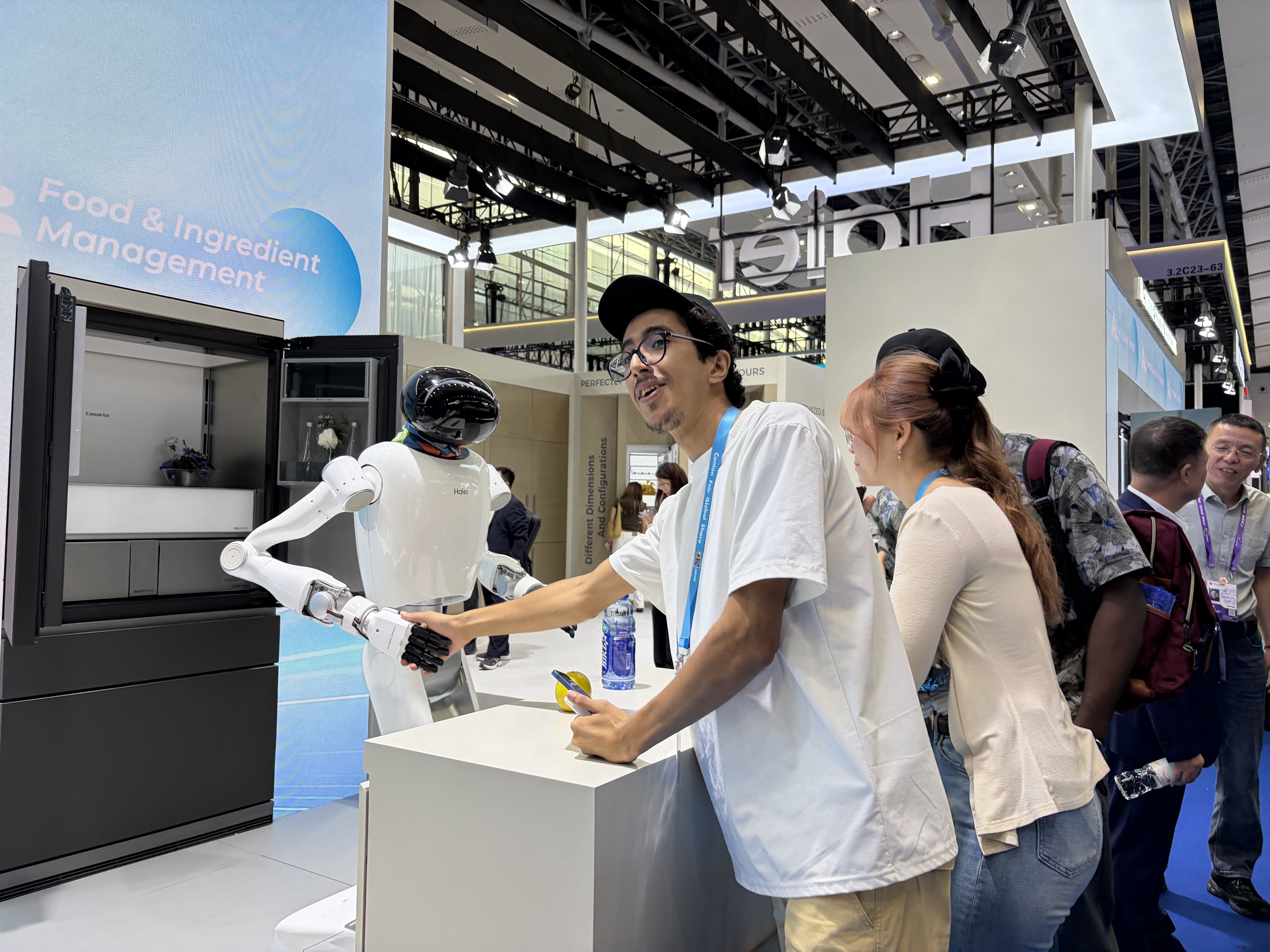
On the other side of the exoskeleton robot, there is a household robot that Haier is testing and training. This is our imagination of robots entering home services, "said Bruce Lee. Now it can complete the storage of sofa clothes, then feed them into the washing machine, start washing and drying, and plan to expand clothing hanging storage in the future, as well as adding functions such as coffee making in the future.
The biggest bottleneck now is data. "Bruce Lee believed that there is not enough real-world data available for robot training at present. For example, placing a water cup on the desktop requires massive data training for the robot to recognize and grab it.
When it comes to industry competition, Bruce Lee said that Haier's competitive advantage lies not in hardware parameters, but in the collaborative linkage between robots and home appliances. Meanwhile, with the increasing globalization capability of Chinese enterprises, the acceptance of domestic robots by overseas merchants is also growing.
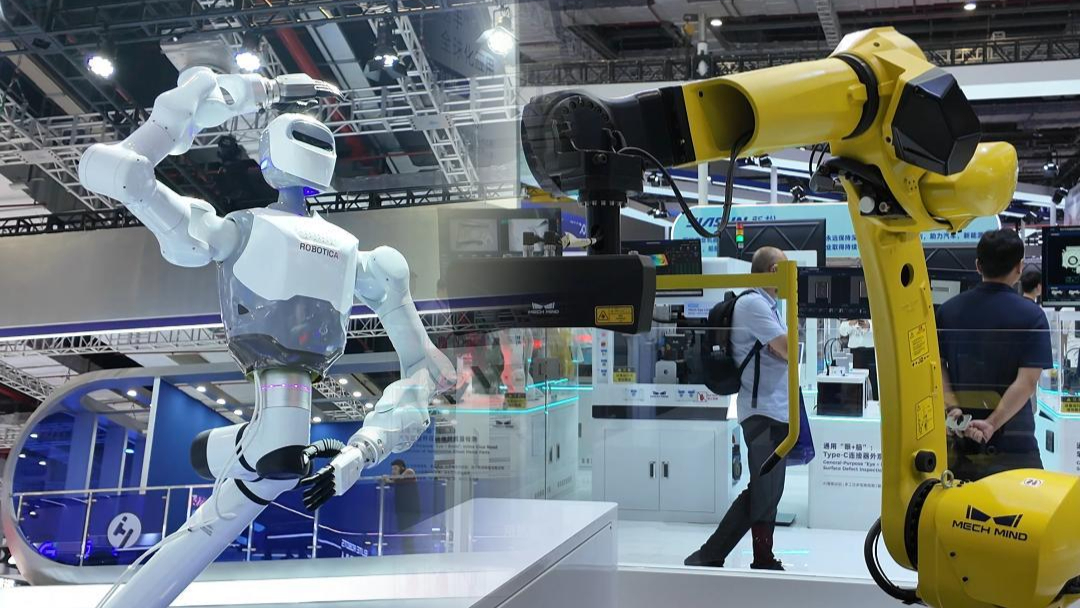
Another company exploring differentiated paths in the field of robotics is Dongyi Technology. Gao Yutong from the brand department of Dongyi Technology told Economic Observer reporters that the company's business started with joint modules for robot components and now extends to complete machines. Gao Yutong said that Dongyi Technology has set up two major sections for this exhibition: humanoid robots can showcase badminton, table tennis matches, and boxing performances for the audience, and navigation robots can provide on-site services; The robotic dog focuses on demonstrating industrial applications such as inspection in industrial parks. In addition, the robotic dog device can also expand its diverse functions and scenarios by replacing modules.
When it comes to the reasons for choosing sports scenes, Gao Yutong said that ball sports have extremely high requirements for robot full body collaboration, real-time perception, and on-site decision-making. After overcoming the technical difficulties in sports scenes, the migration to other industry scenes will be smoother.
Gao Yutong also stated that compared to technical exchanges at industry exhibitions, the Canton Fair can bring them more market feedback. For example, in the overseas market, Japanese, Korean, European and American merchants have strong intentions. "Today, on the first day, we had a customer sign an intention to cooperate.
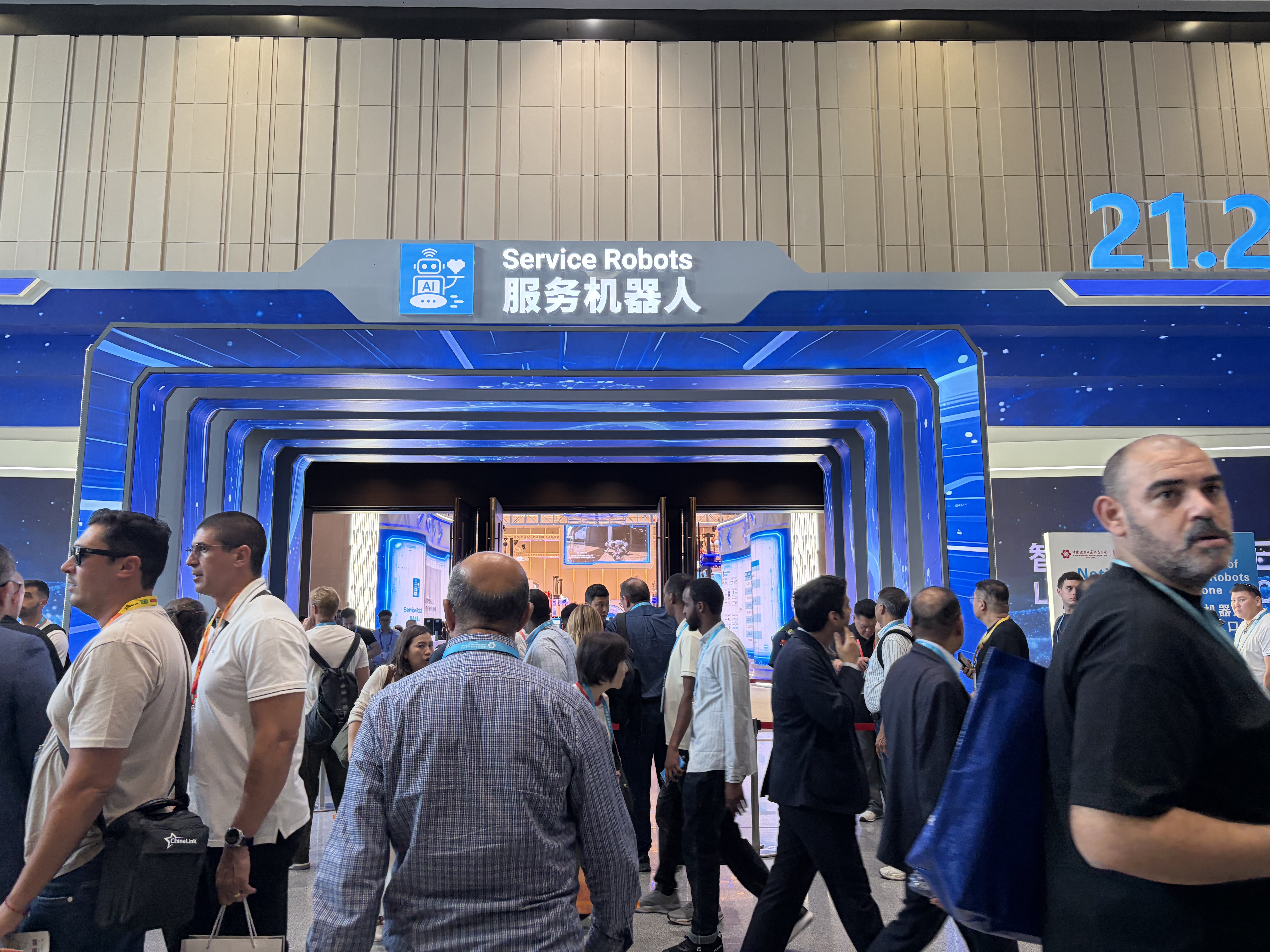
The popularity of robots going global is also supported by industry data. In August of this year, a Morgan Stanley research report pointed out that Chinese suppliers accounted for over 97% of global shipments of humanoid robots in the first half of 2026, and raised the annual forecast for Chinese humanoid robot shipments from 28000 to 50000, with an increase of nearly 80%.
For the overall export situation in China, CITIC Securities also believes in a recent research report that the export growth rate for the whole year of 2026 is expected to be close to 20%, and the export growth rate next year may have a significant decline compared to 2026. At the same time, it is pointed out that China's export structure transformation and upgrading are clear, and next year's exports of computing hardware, ships, industrial robots, and new three types will have relatively excellent performance.


 Subscribe