Economic Observer Follow
2026-07-23 18:45


Economic Observer reporter Song Fuli
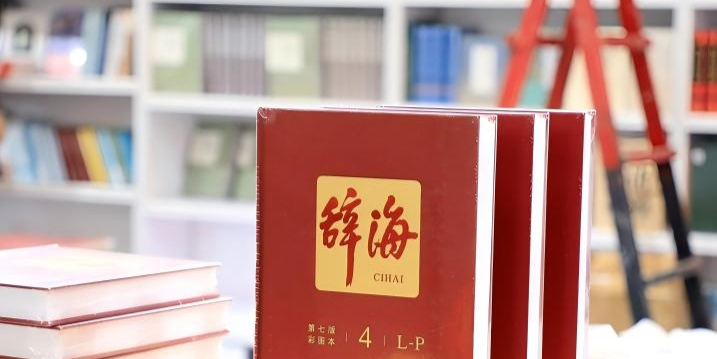
The Spirit of Cihai and the People of Cihai
In 1989, Comrade Jiang Zemin, who was then the Secretary of the Shanghai Municipal Party Committee, wrote an inscription for the fourth edition of "Cihai", proposing the requirement of "promoting the 'Cihai spirit' of meticulousness, careful wording, and rigorous style, and striving to improve the cultural quality of the Chinese nation".
This inscription officially puts forward the "Cihai Spirit" and is closely linked to "improving the cultural quality of the Chinese nation", endowing the compilation of "Cihai" with a higher cultural mission and national significance.
Some scholars believe that the 1980s was the era when Chinese society moved from a "knowledge desert" to a "knowledge renaissance". In an era of extreme scarcity of higher education resources, it has undertaken a huge function of knowledge dissemination and become the spiritual nourishment for countless self-taught talents.
For example, Zhang Zuoguang, a reader from Tai'an City, Shandong Province, was recommended by an organization in 1984 to apply for a two-year paid full-time university, but he only had a junior high school degree. For this reason, the leaders of the unit gifted him a set of the third edition of "Cihai". Zhang Zuoguang relied on self-study and combined it with the examination of "Cihai" to finally get into university and achieve a better life.
Therefore, the oral proverb 'Right, look up the sea of words' has been passed down from mouth to mouth by a large number of readers, forming a social consensus. This reflects the position of "Cihai" in the minds of intellectuals - when encountering questions about knowledge, the first reaction is to open "Cihai" for verification.
When a reference book is linked to the cultural quality of the Chinese nation, the "Cihai Spirit" not only reflects countless individual identities, but also the evaluation of "meticulousness, careful wording, and rigorous style", and points to a complete set of strict quality management systems.
The chief editors, experts, scholars, and editors who participated in the compilation of "Cihai" have interpreted the "Cihai Spirit" from different perspectives in different historical periods and contexts. For example, Li Na, the editor of Cihai, said, "The spirit of Cihai is embodied in the dedication of generation after generation of Cihai people, reflected in the meticulous review of submissions, and runs through various systems of the quality assurance system
But a common statement is that the "Cihai Spirit" is a spiritual character that has been condensed in the arduous compilation practice of the past century, and in turn shapes and guides generation after generation of "Cihai people" who uphold this spirit.
In 1998, President Jiang Zemin wrote the title of the book "Cihai". In 1999, he met with Xia Zhengnong, the 96 year old editor in chief of Cihai, and his accompanying deputy editor in chief in Shanghai, expressing high recognition of the editors of Cihai. This year, Mr. Chao Feng further elaborated the "Cihai Spirit" into five aspects: dedication spirit, rigorous style, scientific attitude, overall consciousness, and strict discipline.
In fact, the proposal and sublimation of the "Cihai Spirit" not only affirms all compilers, but also has deeper practical significance.
The unprecedented success of the third edition of "Cihai" opened an era of great development in Chinese dictionaries. In the decades following the 1980s, a large number of iconic dictionaries representing the cultural level of the country were published one after another. For example, the revised version of "Ciyuan" was also released in 1984, forming a pattern of "one ancient and one modern" with "Cihai"; The Encyclopedia of China was launched in 1978, took 15 years, and was fully published in 1993; The Chinese Dictionary was launched in 1975, the first volume was published in 1986, and the entire book was completed in 1993.
Along with the great development of dictionaries, with the market-oriented reform of "self financing" by Chinese publishing houses, serious problems such as "shoddy production, repeated plagiarism, and low quality" have also emerged. At this time, Chao Feng, who also served as the first vice president and acting president of the Chinese Lexicographical Society, promoted the nationwide crackdown on counterfeit and inferior dictionaries, and advocated for the General Administration of Press and Publication to issue relevant regulations and establish a quality inspection system for dictionaries.
Mr. Chao Feng believes that the quality of dictionaries is not simply a matter of whether they are useful or not, but rather a deep proposition related to the accuracy of cultural inheritance, the foundation of national education, the standardization of language and writing, and even national cultural security.
In the practice of dictionary editing, whether the strict standard of "all viewpoints reflected in entries must have a basis, all bases must be marked with sources, and quoted sentences must not have a single word error" is adhered to and resolutely implemented still depends on generations of dictionary enthusiasts.
Today, when we want to understand the "Cihai spirit" behind the evaluation of "meticulousness, careful wording, and rigorous style", perhaps we still need to look at how the old editors of Cihai did it.
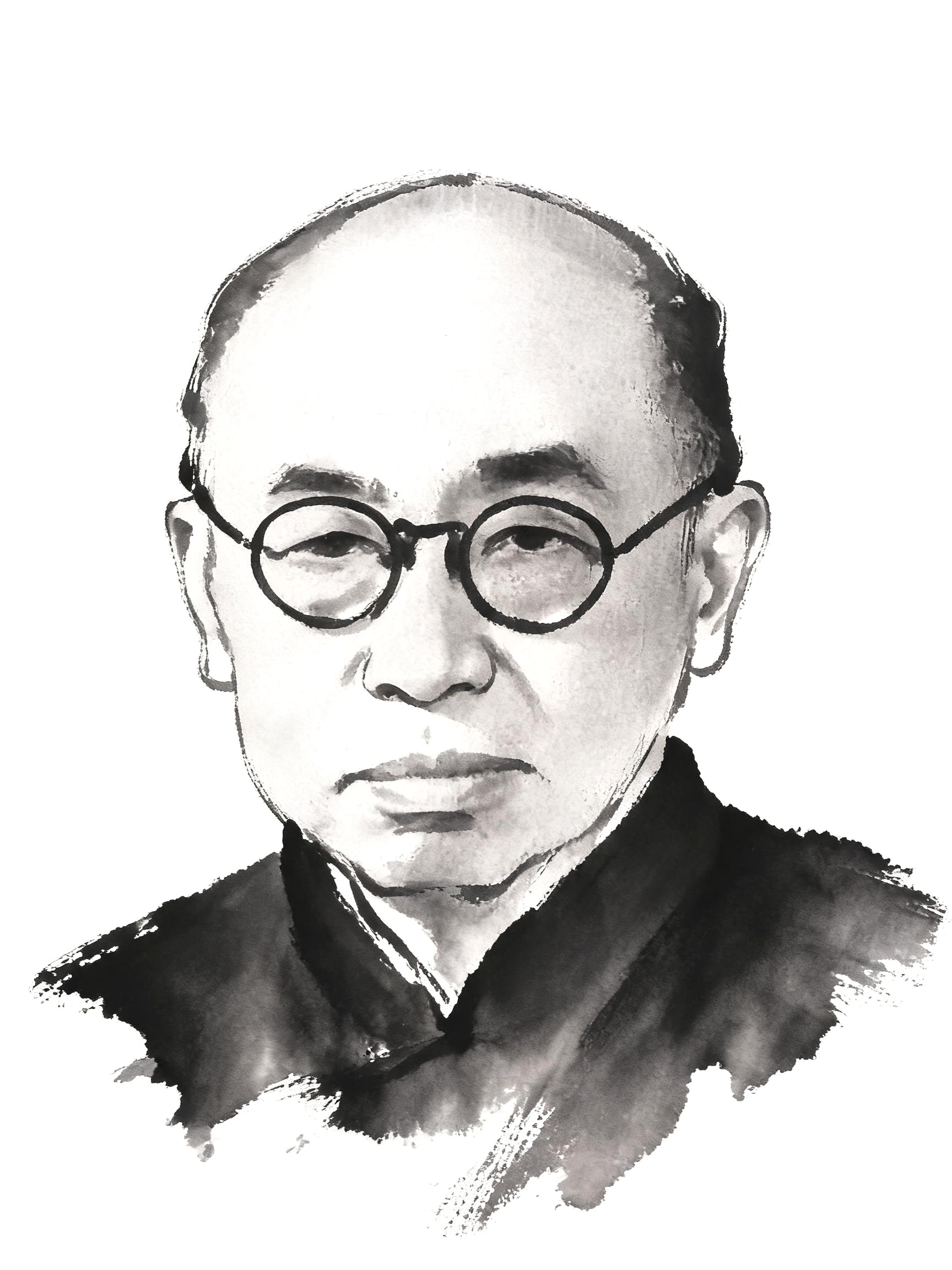
When Shu Xincheng was editing "Cihai", he encountered a word from Lu Xun's novel "Hometown" - "き". The original text describes Run Tu as "holding a steel fork in his hand and stabbing it as hard as he could towards a piece of bamboo. Shu Xincheng searched through the materials at hand, but could not find any source or definition of this word. Shu directly wrote to Lu Xun himself seeking advice, and after Lu Xun received the letter, he personally replied on May 4, 1929:
The character '」' was created by me based on the sound spoken by rural people, and it reads like 'check'. But I don't know what kind of animal it is myself, because this is what Run Tu said, and others don't know the details. Looking back now, maybe it's a badger.
This letter, which verifies a single word, has become a great story in the history of compiling "Cihai". Of course, it was also included as a formal character in "Cihai" due to the fact that "xi" was a new word invented by Lu Xun.
More than 80 years later, the revision of 'Cihai' has reached its seventh edition.
Mr. Wang Jiru, the editor in chief of the language and vocabulary department who is over seventy years old, searched for various reference books and related books, as well as a large amount of pictures and text content online, in order to understand what "ji" is, how it is different from "shu" and "zao", and how it relates to today's millet, yellow rice, and millet. He also learned online shopping and bought cooked millet, yellow rice, millet, and other products for comparison, and communicated with sellers in Inner Mongolia, Shandong and other places.
Mr. Wang Jiru ultimately came to the conclusion that millet is called "Ji", rhubarb rice is called "Shu", and millet is called "Rang". He also made a comparison chart of the three grains and their plants.
The compilation of "Cihai" spans over a hundred years, during which technology can be iterated and forms can change. However, the reverence for knowledge, adherence to quality, and responsibility to readers will always be the unshakable foundation of dictionary publishing. The editor of 'Cihai' was therefore repeatedly instilled with a three-stage creed:
Lexicons are reference books, and reference books are benchmarks and standards. Errors in benchmarks and standards are misleading.
Due to the unique significance of the guidelines in 'Cihai', many people consider it as a 'national endorsement' outside of reference books. This is reflected in the focus of character related entries. How a historical figure is presented in "Cihai" is often seen as a form of national recognition. For example, in the commentaries of modern and contemporary figures, whether to describe them as "great" or "outstanding", and who should be labeled as "proletarian revolutionaries", have all touched upon very sensitive historical evaluations and party history research, which require a high degree of wisdom to understand and grasp.
Therefore, in order to minimize errors, Cihai has established a rigorous quality management system. From the moment the manuscript enters the editing process, it goes through 23 stages, and the person in charge of each stage must sign and take responsibility.
But this does not mean that 'Cihai' will not make mistakes.
In the preface of the book "Cihai Lun" co authored by Xu Qingkai and Qin Zhenting, there is a passage that reads:
The test of history has proven that "Cihai" meets the needs of readers with its outstanding characteristics and high quality... On the other hand, the fact also shows that "Cihai" is not so perfect, and there are many shortcomings and errors in the book. Although it has been revised five times and continuously improved, it still falls short of expectations. The countless experiences and lessons contained therein are truly a rare spiritual wealth.
The two authors of this book have long been involved in the compilation of "Cihai". Xu Qingkai served as the deputy editor in chief of Shanghai Lexicographical Publishing House, and Qin Zhenting served as the deputy director of the Cihai Office and an editorial board member of "Cihai". The two "old editors" of "Cihai" both believe that "Cihai" is not so perfect and has many shortcomings and mistakes
The story of "correcting mistakes" runs through the century long compilation history of "Cihai".
Why do you think the spirit of meticulousness is reflected in the 'Cihai Spirit'
'Cihai' was compiled by people, so mistakes are bound to occur. Any mistakes must be corrected immediately to reflect a high sense of responsibility, 'said Tang Kemin.
Admitting mistakes is the starting point for revision. Every mistake made by Cihai should not only be corrected in a timely manner, but also the reasons for the mistake should be analyzed, and ways to avoid it should be discussed. How to avoid making mistakes again in the process and system is often published in Cihai's internal publication, Cihai Newsletter, for the editorial team to learn from. Therefore, the "countless lessons learned" from the mistakes made in "Cihai" have accumulated over time and become a "rare spiritual wealth".
At the age of 85, Mr. Chao Feng published the book "The Lost Secretary of Ci: 143 Right and Wrong", which systematically "exposed" errors in various dictionaries, including "Cihai". The book covers 143 short articles ranging from "quality of life" to "religious beliefs", from "Qin Shihuang burning books and burying scholars" to "market and market economy".
Mr. Tang Kemin has been retired for more than 10 years, but still serves as a reviewer for "Cihai". He relied on decades of editing experience to ensure that Cihai had as few errors as possible in the later stages.
For "Cihai", there are countless "non commissioned" readers who are enthusiastic about reading it. Among the readers, there are experts who, with a reverence for knowledge, systematically pick mistakes and provide opinions. This kind of unpaid participation, purely for the purpose of improving the quality of books, is also the driving force behind the continuous improvement of 'Cihai'.
From December 2015 to March 2016, Shanghai Lexicographical Publishing House and Zhonghua Reading Newspaper held a "Centennial Cihai • My Heart's Cihai" essay contest, collecting many stories that pointed out mistakes for Cihai.
A reader from Anhui, Feng Zhixuan, discovered in the 2010 edition of the popular version of "Cihai" that the right half of the character "h ú" should be "day" instead of "day". The Kangxi Dictionary and "Ciyuan" clearly state that the third and fourth editions of "Cihai" were both incorrect, with "day" written instead of "day". In the fifth edition, it was finally corrected, but in the sixth edition, it was corrected again.
Feng Zhixuan wrote a letter to the editorial board of Cihai and soon received a reply, adopting the relevant suggestions.
Lin Xun, a reader from Guangdong, found that in the fifth edition of "Cihai", there are inconsistent translations of the same city in entries such as "Chen Yinke", "Black Humor", and "Article 22 Military Regulations", some of which are Zurich and some are Zurich. He sent these normative suggestions to the Cihai editorial committee and soon received a thank-you letter: "Thank you for your concern and love for 'Cihai'. Your opinion is completely correct, and we will correct it when reprinted
In addition, Shanghai reader Peng Jing suggested expanding the scope of the article to include famous sinologists and scholars who have been working abroad for a long time, and listed a list of sinologists. These suggestions have also been partially adopted.
The "Cihai", which adheres to the principle of open door compilation, was able to continuously revise through extensive absorption of suggestions and constant error correction.
After the publication of the seventh edition of "Cihai", Shanghai Lexicographical Publishing House set up a dedicated person to handle readers' phone calls and letters regarding various issues related to "Cihai", and set up a "My Feedback" column on the online interface of "Cihai" to collect various opinions and suggestions from users. With the launch of the online version, revisions are no longer limited to a 10-year period. Some content that needs to be modified and supplemented can be immediately revised on the online version as long as it is confirmed.
All of these, who have improved "Cihai" in various ways, are the compilers of Cihai in a broad sense, all of whom are "Cihai people".
If 'Cihai Ren' is an entry, how would you provide a definition and interpretation
I believe that 'Cihai people' are a stable and authoritative academic community, "said Zhang Min, deputy editor in chief of Shanghai Lexicographical Publishing House. They may not only refer to a certain group of people, but also a vast network interwoven with multiple identities and shared spiritual pursuits.
The 'Cihai people' also include a group of deputy editors who possess resources, including leaders from universities and research institutions, as well as renowned experts, scholars, and publishers. Sometimes, they may not directly write articles, but they build the knowledge framework of the entire book from a higher level, conduct macro level review of the word list, and provide important resource support and role, which is an important guarantee for the smooth progress of this massive project.
'Cihai Ren' also includes researchers who provide theoretical support. On the basis of studying "Cihai", they formed a specialized "Cihai Studies" - studying the vocabulary, style, and phonetic evolution of "Cihai", providing theoretical support and academic suggestions for compilation work. For example, the book "Cihai Lun" systematically explains the methodology of compilation, including the framework level of dictionaries, the selection of prefixes and word purposes, the tracing of explanatory texts, the cross work between items, the review process, and even the path to digitization.
In addition to studying the history of the revision of "Cihai", "Cihai Studies" also examines the relationship between "Cihai" and social development, because the revision and compilation of "Cihai" is not only a publishing activity, but also a social activity, and closely related to the fate of the country and the nation.
Chen Laihu, a teacher at Northwest Normal University, conducted a systematic study on the history of the revision of "Cihai" from 1957 to its official publication in 1979. In his article "A 22 Year Revision History of" Cihai "from the Perspective of Socialist Culture," he wrote:
The imprint of history is deeply imprinted between the lines of 'Cihai'. As a large-scale comprehensive reference book, "Cihai" needs to explain, define, and standardize the encyclopedic terms included in it, forming objective, accurate, authoritative, and easily accepted knowledge by readers. Therefore, every revision of it means a reconstruction of the knowledge order.
The eighth edition of 'Cihai' that aims to 'go global'
On the evening of July 26, 2004, then General Secretary of the Communist Party of China, Hu Jintao, visited Mr. Xia Zhengnong, who was in his first year of retirement.
In fact, Xia Zhengnong was still presiding over the editor in chief meeting of "Da Ci Hai" that afternoon. So Xia Zhengnong reported the meeting situation to Hu Jintao, and when Hu Jintao found out that Xia Zhengnong was still hosting "Da Ci Hai", he highly praised him!
What is' Da Ci Hai '?
The relationship between "Da Ci Hai" and "Ci Hai" is closely related. It was established in 2002 with the intention of filling the gaps in "Ci Hai" by including entries from various disciplines that were not previously included due to quantity limitations. Therefore, the reader positioning of "Da Ci Hai" is higher, mainly targeting professional researchers, university teachers and students, and readers with higher knowledge levels, to meet their "higher requirements".
Da Ci Hai "is divided into 38 volumes and 42 volumes, with a scale of over 280000 articles and 50 million words. If "Cihai" is a large-scale comprehensive dictionary, "Da Cihai" is a super large comprehensive dictionary, but its compilation style is further improved on the basis of "Cihai", adding new disciplines and new words and meanings of various disciplines that have not yet been covered in "Cihai", and the subject editors and authors are also partially the same.
Therefore, for a considerable period of time, some subject editors simultaneously took care of the two major cultural projects of revising "Cihai" and compiling "Da Cihai". To this end, in 2005, Shanghai established a public institution called the Cihai Compilation Office to carry out the work of soliciting and finalizing manuscripts, researching dictionary compilation methods, collecting information, and organizing related activities.
Mr. Xia Zhengnong regards "Da Ci Hai" as his final mission in life. On his 100th birthday, he wrote a poem saying: "Despite the limited years, I still cherish it and complete the last chapter.
The system of "Da Ci Hai" is vast and time-consuming, and can only be published year by year according to the compilation progress. From the earliest publication of the philosophy volume in 2003, to the final batch of the economic volume in 2015, the compilation and publication took a total of 13 years.
In 2016, General Secretary Xi Jinping sent a letter congratulating the 80th anniversary of the publication of "Da Ci Hai" and the first edition of "Ci Hai". He expressed sincere condolences to experts, scholars, and comrades, and hoped that everyone would "strengthen cultural confidence, adhere to reform and innovation, and create timeless masterpieces".
However, Mr. Xia Zhengnong ultimately did not see all of "Da Ci Hai" published and passed away in October 2008.
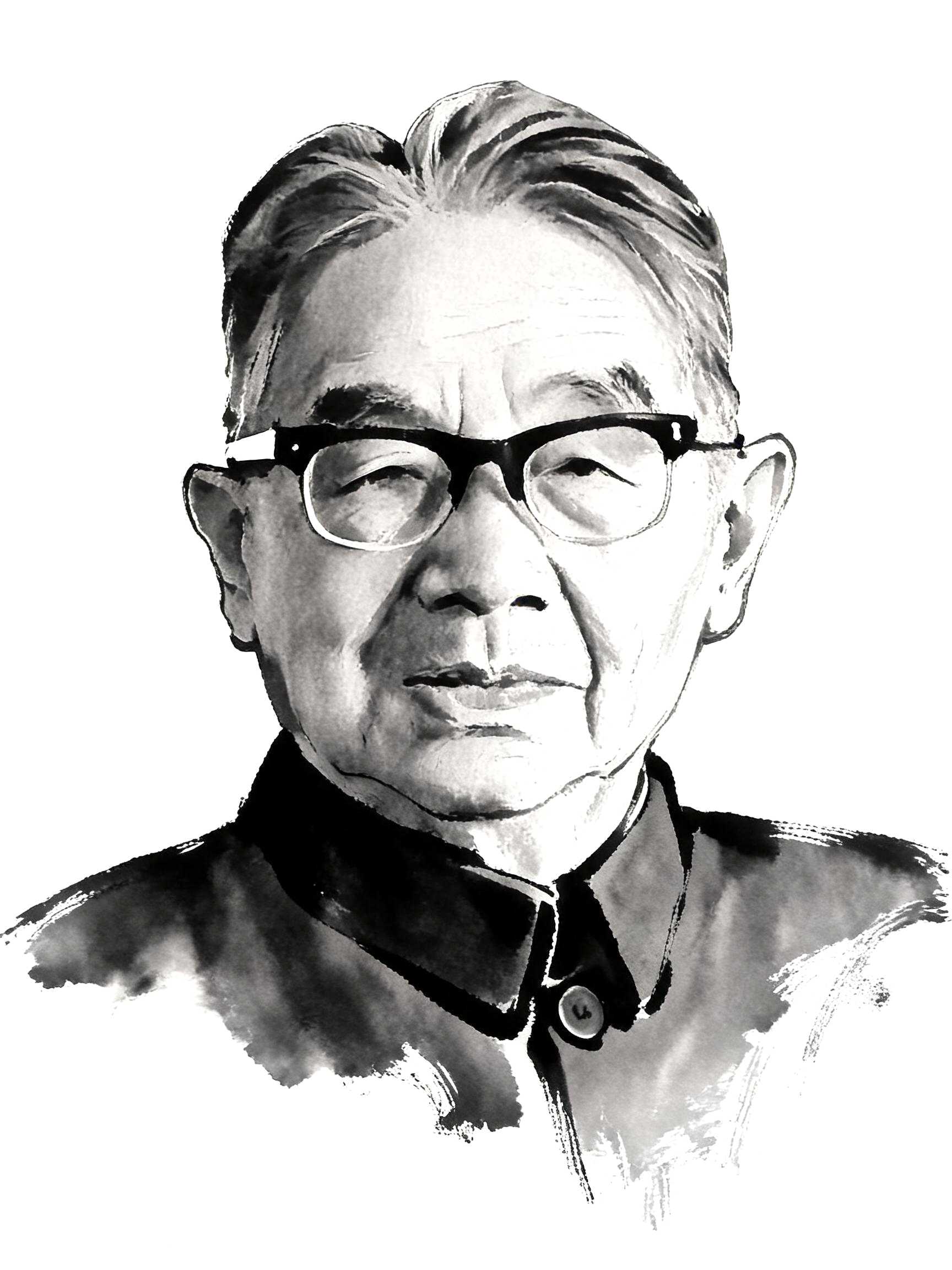
The baton of "Cihai" and "Da Cihai" has been handed over to Chen Zhili. Chen Zhili was then the Vice Chairman of the Standing Committee of the National People's Congress and the President of the All China Women's Federation. Afterwards, Chen Zhili also edited the seventh edition of "Cihai".
The biggest change in the seventh edition of "Cihai" is the launch of an online version. For this reason, editor in chief Chen Zhili also took advantage of his visit to the United States to conduct research on the online version of the Encyclopedia Britannica and examine its development.
The Encyclopedia Britannica, formerly known as the Encyclopedia Britannica, is the oldest and continuously revised encyclopedia in the English speaking world. The book was published in Edinburgh, Scotland from 1768 to 1771, and has since been continuously updated and reprinted. In 1929, the copyright was transferred to the Americans and later published by the American Encyclopedia Britannica company. Its encyclopedia knowledge system introduces knowledge and important figures from various disciplines, and was launched online in 1994, resulting in a doubling of its audience.
On May 16, 2025, the launch conference for the compilation and publication of the eighth edition of "Cihai" was held in Shanghai.
Editor in chief Chen Zhili proposed that "Cihai" should form a new pattern of complementary advantages, mutual support, and mutual benefits between the online and paper versions; Cihai also needs to strengthen the construction of its talent team, unite and gather more first-class scholars to participate in Cihai's work.
The eighth edition of "Cihai" will comprehensively reflect the excellent achievements of human civilization and systematically showcase the fruitful achievements of Chinese civilization. To this end, we will optimize the proportion of the structure of Chinese word parts and encyclopedia parts, strengthen the construction of independent knowledge system, and carry out "systematic reconstruction" of knowledge content. The total number of words collected will increase from nearly 130000 in the seventh edition to around 200000, with an overall growth rate of over 40%.
The editing team for the eighth edition of 'Cihai' is bound to continue expanding. The discipline chief editor is hired nationwide, with Beijing and Shanghai being the most important academic centers, and has specifically strengthened the recruitment of scholars from Beijing.
Like previous versions, the eighth edition of "Cihai" first comprehensively reflects the true face of China's development in the past 10 years (2020-2029), keeping up with the development of the times and being close to real life. For example, vocabulary such as' new quality productivity 'and' new development concept 'will be emphasized to reflect the trajectory of national development and social changes.
After the practice of the seventh edition of "Cihai" online version, "Cihai" is no longer just a paper book. The editing team found through analyzing the search data of online readers that many high-frequency search terms were not included. These 'not searchable' words have become the key targets of the eighth edition supplement. This makes the expansion of the eighth edition of "Cihai" no longer solely based on the judgment of experts and scholars, but on the basis of responding to readers' needs. Therefore, the vocabulary section of the eighth edition of "Cihai" will increase from 40000 to 80000.
The comprehensive expansion of the eighth edition of "Cihai" will also respond to changes in readers' knowledge levels. The original intention of compiling "Cihai" over a hundred years ago was to serve readers with a "medium level of education". However, over the past century, the education level of Chinese people has been constantly improving, and the standard of "medium level of education" has also undergone qualitative changes. Before the 1980s, a middle or high school education could be considered as a "medium level of education", but now that China has basically popularized 9-year compulsory education, the standard for "medium level of education" has also risen. This requires "Cihai" to include more, deeper, and more professional vocabulary in order to meet the knowledge retrieval needs of contemporary readers.
Regarding the judgment of income "new words", "Cihai" always adheres to the attitude of "cautious lag". The latest scientific research achievements often first appear in academic journals, and after being promoted and popularized by mass media, they form a certain system in academia and society, and have a certain degree of stability, before "Cihai" considers including them. That is to say, "new words" must wait until they are no longer isolated phenomena and can be compatible with the existing disciplinary system before they are eligible for inclusion.
For example, during the revision of the seventh edition of "Cihai", due to the popularity of smartphones, the English abbreviation "App" for mobile applications became quite popular. However, the seventh edition of "Cihai" did not rush to include this term, only mentioning it in the "Application" section. It was not until several years later, when it was confirmed that the term had been continuously used and had a certain degree of stability, that the online version of Cihai included the App and its Chinese name 'Mobile Application'.
In addition, the encyclopedia section of the eighth edition of "Cihai" will provide more space for new words that were previously not included. Some disciplines in the encyclopedia are expected to double their word count. This is also different from "Da Ci Hai". Specialized dictionaries will dig down five or six layers, while "Ci Hai" generally goes up to the third layer.
What areas should be expanded? How many entries should be expanded? The initial framework construction is like building the backbone and branches of a tree. First, about 45 major disciplines are established as the backbone, and then sub disciplines are built under the major disciplines to form small branches. Some science and technology fields in China that have made significant progress often contribute a large number of new words, and these disciplines are also the focus of vocabulary.
For Jing Xiaoying, the director of the technology editorial office, keeping up with the latest technological frontiers in China and incorporating a large number of new words is a significant challenge.
Taking space science as an example, this discipline was first established in the fifth edition of "Cihai". This is closely related to the development of rocket launch technology in China from the late 1980s to the early 1990s. The scale of word collection increased from just over a hundred in the initial edition to over two hundred in the sixth edition of Cihai, with an additional 30% added in the seventh edition. The expansion of the eighth edition requires a 200% increase in this discipline, which is directly related to the rapid development of China's manned spaceflight field.
The establishment of numerous emerging disciplines will also contribute a large number of new words. For example, the seventh edition of "Cihai" added two new disciplines, "Energy Science" and "Materials Science". The entries in these two fields were previously scattered among traditional disciplines such as chemistry and chemical engineering. Due to the consistency of compilation, the original basic knowledge points are still retained in the original disciplines, and the number of entries for these two new disciplines will also be greatly expanded in the eighth edition.
Economics, as a mature discipline of Cihai, has also undergone a major expansion. Thirteen sub disciplines, including "finance," "regional economy and labor economy," and "industrial economy," will expand horizontally and refine vertically, increasing from over 5000 to over 8000, with a growth rate of over 50%. Among them, the branch of "Western Economic Theory" will refine its vocabulary, important theoretical models, and cutting-edge concepts in foreign economic thought history, microeconomics, macroeconomics, as well as institutional, transformation, and development economics.
Chen Yiyi is the editor of the economics discipline, responsible for liaising with a team of 12 discipline editors and authors. She is also a reader of the Economic Observer, and in her daily work, she has been following the reports of economic media, understanding new economic phenomena, and providing some suggestions for the selection of new words.
For example, Chen Yili believes that the term "platform economy" has been widely recognized and gradually stabilized, so she suggested to the chief editor of the "Regional Economics and Labor Economics" discipline to include it. Later, it was discovered that the entry was also listed in the vocabulary list submitted by the editor in chief of the "Industrial Economics" discipline. After consolidation and overall planning, the platform economy is ultimately included in the discipline of "industrial economy". In this branch of discipline, a number of new terms such as' Manufacturing Strong Country Strategy ',' Low altitude Economy ',' Strategic Emerging Industries', and 'Specialized and Innovative Enterprises' have also been included, closely responding to national strategies and economic and social development.
The income of new words in many fields reflects the important development of that field. In the past decade, China has made significant progress in the field of archaeology, and the top ten archaeological achievements announced every year will be included in the entries. In addition, some emerging archaeological disciplines, such as industrial archaeology, urban archaeology, and underwater archaeology, have added entries. Not only that, some major archaeological discoveries from abroad are also included in the entry.
In order to reflect the new era proposition of the "the Belt and Road" initiative and the "exchange and mutual learning between Chinese and foreign civilizations", the history, culture, geographical features and other contents of the countries related to the "the Belt and Road" increased by 200%, including many new entries on "Arab literature".
Since the launch of the eighth edition of "Cihai", the core work has been to select words and establish entries. The list of entries also needs to undergo three reviews for approval. After the third review, a discussion meeting was held, and only after the discussion meeting was the list of entries officially finalized. Now, the compilation of "Cihai" has entered the stage of author writing and subject editor review, and the writing work has begun.
However, for rapidly developing emerging disciplines such as "artificial intelligence" and "space science", the editorial board of "Cihai" will still reserve certain entry gaps. The entries in these cutting-edge fields will not be locked in too early, but will be supplemented with the latest achievements before the final draft (late 2027-2028), when the technology is relatively mature, or after some classified entries have passed the confidentiality period.
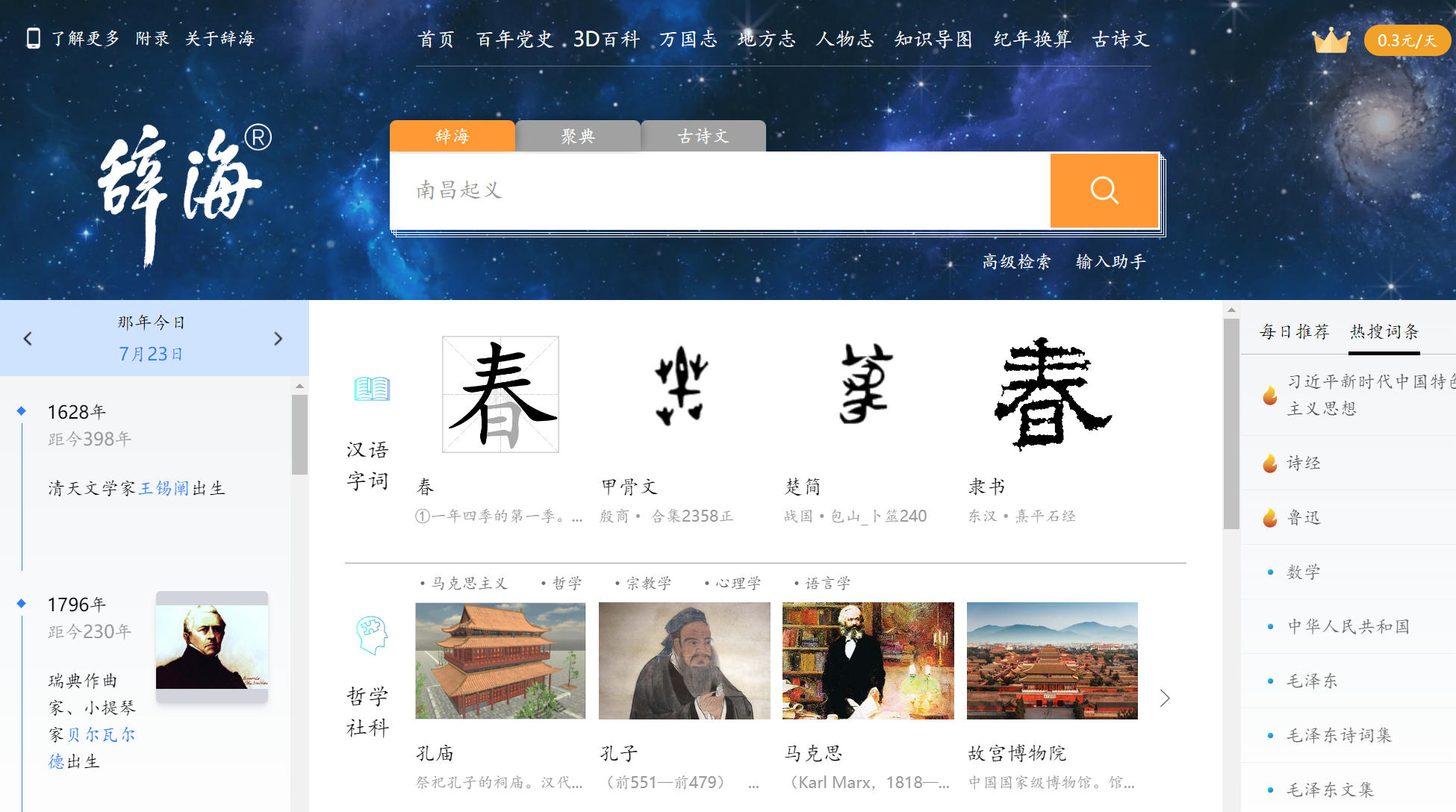
At the editorial meeting of "Cihai" on November 7, 2024, editor in chief Chen Zhili emphasized that "Cihai" should not only adhere to the position of Chinese culture, extract and showcase the spiritual symbols and cultural essence of Chinese civilization, promote Chinese culture to better enter the world, but also deepen cultural exchanges and mutual learning, embrace diversity, absorb and reflect all outstanding achievements of human civilization.
This meeting established an important goal to implement the plan for translating "Cihai" into foreign languages. The translation work of the refined edition of "Cihai" (7th edition) has been completed and is currently undergoing revision. It will be released by the end of 2026 and distributed globally.
From an international perspective, the digitization and internationalization of reference books have become a global trend. The Encyclopedia Britannica stopped printing in print as early as 2012 and fully switched to digital publishing. The internationalization of Cihai is not only a reflection of cultural confidence, but also a strategic measure to compete for international knowledge discourse power and build China's independent knowledge system.
Therefore, China's large-scale dictionaries will systematically expand overseas, starting from the eighth edition of "Cihai". Foreign readers who want to learn about Chinese civilization, technological achievements, and China's development philosophy can also find authentic authoritative introductions from China through the window of "Cihai".
The Sea of Words is about to go global, and its significance has surpassed that of the reference book itself.
The evolution of 'Cihai' in the AI era
The release of the eighth edition of "Cihai" is actually more than just "going out". Or, to put it another way, "Cihai" is going to "go global", accompanied by an unprecedented round of technological changes, which is a new challenge for the construction and dissemination of knowledge systems.
The establishment of the editorial board meeting of "Cihai" that "Cihai will be mainly based on the online version" and "online and offline integration, software and hardware linkage" also points to a clear digital direction for "Cihai".
From handwritten paper, data cards, metal drawers, and pins a hundred years ago, to today's digital editing platforms, and then to intelligent editing platforms. The equipment and technology of the editors of "Cihai" have also undergone tremendous changes. With the advancement of digitalization, the editing methods of "Cihai" are constantly upgrading.
From the third edition to the eighth edition, every technological innovation will force a reshaping of the editing process, and the mature working mode of the previous edition cannot be directly applied to the next edition. Therefore, compilation work must constantly adapt to the changes in work methods brought about by new technologies while adhering to authoritative content, which is also a form of "innovation".
When the eighth edition of "Cihai" was brewing and launching, it collided head-on with the era of artificial intelligence (AI). As popular terms such as' lexical elements' and 'embodied intelligence' are about to be included, the editing work will also face the challenge of artificial intelligence... or empower it.
Will AI be used for the compilation of 'Cihai'? ”
The application of AI in 'Cihai' has already begun, and currently, we rely on its convenience while maintaining vigilance and using it within a limited scope. ”Zhang Min said.
When preparing for the eighth edition of "Cihai", Shanghai Lexicographical Publishing House built a brand new editing platform and integrated AI assisted functions for the first time. After entering the directory, the system will provide AI suggestions to indicate whether there are any issues with the content. Of course, AI prompts may be right or wrong, and further editing and verification are still needed.
Shanghai Lexicographical Publishing House has independently developed a proofreading system based on the database of "Cihai". This system not only performs traditional word proofreading, but also performs "knowledge-based proofreading". Because the underlying database relies on authoritative reference books such as "Cihai" and "Chinese Dictionary", it can discover many hidden factual errors.
For example, for editors, common sense errors are easy to detect, while knowledge-based errors are difficult to detect. If it is written in the manuscript that 'something happened in the second year of Ming Hongwu', this proofreading system will prompt: 'No, this happened in the twentieth year of Hongwu, not the second year of Hongwu.' When checking the original manuscript, it will be found that a 'ten' was indeed missing. This kind of error correction ability based on logic and authoritative data has made the editors of Cihai indispensable.
However, the external cooperation of "Cihai" still maintains a cautious attitude. Cihai, a valuable underlying data and corpus resource, is likely to be lost or abused in the process of accessing the Internet.
In the face of the demand of readers on the Internet to check their knowledge online, Cihai online edition also needs to constantly innovate in its retrieval methods. The online version of "Cihai" now supports entry search and interpretation search, single keyword and multi keyword combination search, browsing by subject classification, searching by Pinyin and radical, and voice recognition search and photo recognition search. In addition, AI intelligent error correction is also introduced, and users can match incorrect characters with correct entries, such as typing "Schr ö dinger" as "Schr ö dinger", which can still be found.
As mentioned earlier, the newly added entries in "Cihai" have shifted from relying on the judgment of subject editors to judging based on the online version's inspection rate. This means that the "content production mode" has undergone a fundamental change, and editors and readers can interact with each other to produce content on demand.
In May 2021, the online version of "Cihai" was officially launched, digitizing nearly 130000 entries and 23.5 million words of content from the seventh edition of "Cihai" for the first time. Since then, it has been continuously iterated, adding about 230000 new entries. As of August 2025, the online version of "Cihai" has accumulated over 500 million inspections.
In the era of artificial intelligence, relying on generative models, knowledge acquisition has become incredibly fast and rich. How can 'Cihai' keep up with this pace of the times? Or, do future readers still need 'Cihai'? "I asked.
For authoritative and scientific knowledge, it is necessary in any era, "Zhang Min said. In the process of collecting and digesting knowledge, scholars have refined and polished countless entries, which is the" broad and clear collection "of a group of high-quality scholars. 'Broad access' is to broaden one's horizons and avoid blind spots in studying abroad; 'Mingshou' aims to make precise judgments and define clearly.
In the process of writing "Cihai", it is required to have "evidence-based" and reliable sources. All content in the explanatory text of the entry must have a source and basis. And the basis must be true, complete, and first-hand, not based on hearsay or hearsay.
One of the stubborn problems of generative big language models is "illusion" - that is, generating seemingly reasonable but actually erroneous or fictional content. This may create a paradox: information is extremely abundant, but reliable information becomes scarce. The knowledge system is facing a crisis of dilution and pollution.
When answering specific questions, mainstream models tend to have a probability generation mechanism that is "exhaustive" rather than "refined", attempting to improve the probability of hitting the correct answer by exhaustively searching for all relevant knowledge points, but ignoring the contextual constraints and cognitive load limitations in human dialogue.
The "conciseness" of "Cihai" may be the weapon to combat this issue. Concise means that each interpretation has been repeatedly refined by authoritative experts, with high information density, precise expression, no redundancy, and no ambiguity. In the context of intelligent retrieval, readers need fast, accurate, and reliable answers, rather than lengthy arguments.
The seventh edition of "Cihai" has a clear operational definition of conciseness, and in the revision of the explanatory text, it is required to achieve: no extended discussions, no empty phrases, no repetition or redundancy, and avoid redundant information. This can be understood as the knowledge, quantity, and level provided to readers being necessary and appropriate, meeting their general needs while not being too specialized or detailed.
For readers, the efficiency of knowledge acquisition can be measured by the Signal to Noise Ratio (SNR), which refers to the ratio of the strength of useful signals to background noise, that is, the effective cognitive increment obtained per unit time. In an environment of information overload, "what not to give you" and "what to give you" may have become equally important. The compilation of "Cihai" itself relies on the high signal-to-noise ratio knowledge production method artificially refined by experts and scholars.
When the conversation is filled with AI generated nonsense, truly valuable experience sharing will be drowned out, and readers need to expend extra mental effort to filter out the 'correct nonsense'. Being in such an overloaded environment for a long time, people will gradually lose the patience for deep reading, develop the habit of "scanning", and ultimately lead to the omission of key information.
Mr. Xiong Yuezhi is both the subject editor and author, as well as a loyal reader of "Cihai". He enjoys exploring various fields such as mathematics, physics, chemistry, literature, history, and philosophy. He believes that in the era of artificial intelligence, the significance of "Cihai" is more prominent, which first stems from the subdivision of knowledge and the dilemma of being a "generalist".
Before the Tang Dynasty, if a person spent their entire life reading, they could finish reading all the books in the world. After the maturity of movable type printing in the Song Dynasty, there was an exponential growth in official and private printed books, and no one could read all the books in the world. In modern society, knowledge division of labor is becoming increasingly detailed, and updates and iterations are extremely fast. It is impossible for one person to master knowledge in all fields, and the so-called 'omniscient and omnipotent' no longer exists.
Since personal energy is limited, the only way to innovate outside of one's profession is to use reliable reference books and apply the knowledge of "experts" to oneself. Consulting these concise knowledge is like a bridge across knowledge boundaries, quickly transforming others' professional achievements into one's own knowledge reserves, expanding cognitive boundaries, and maintaining innovation and competitiveness.
As knowledge becomes increasingly segmented and diverse, the significance and role of reference books become greater, "said Xiong Yuezhi. From this perspective, the compilation of" Cihai "will never end.
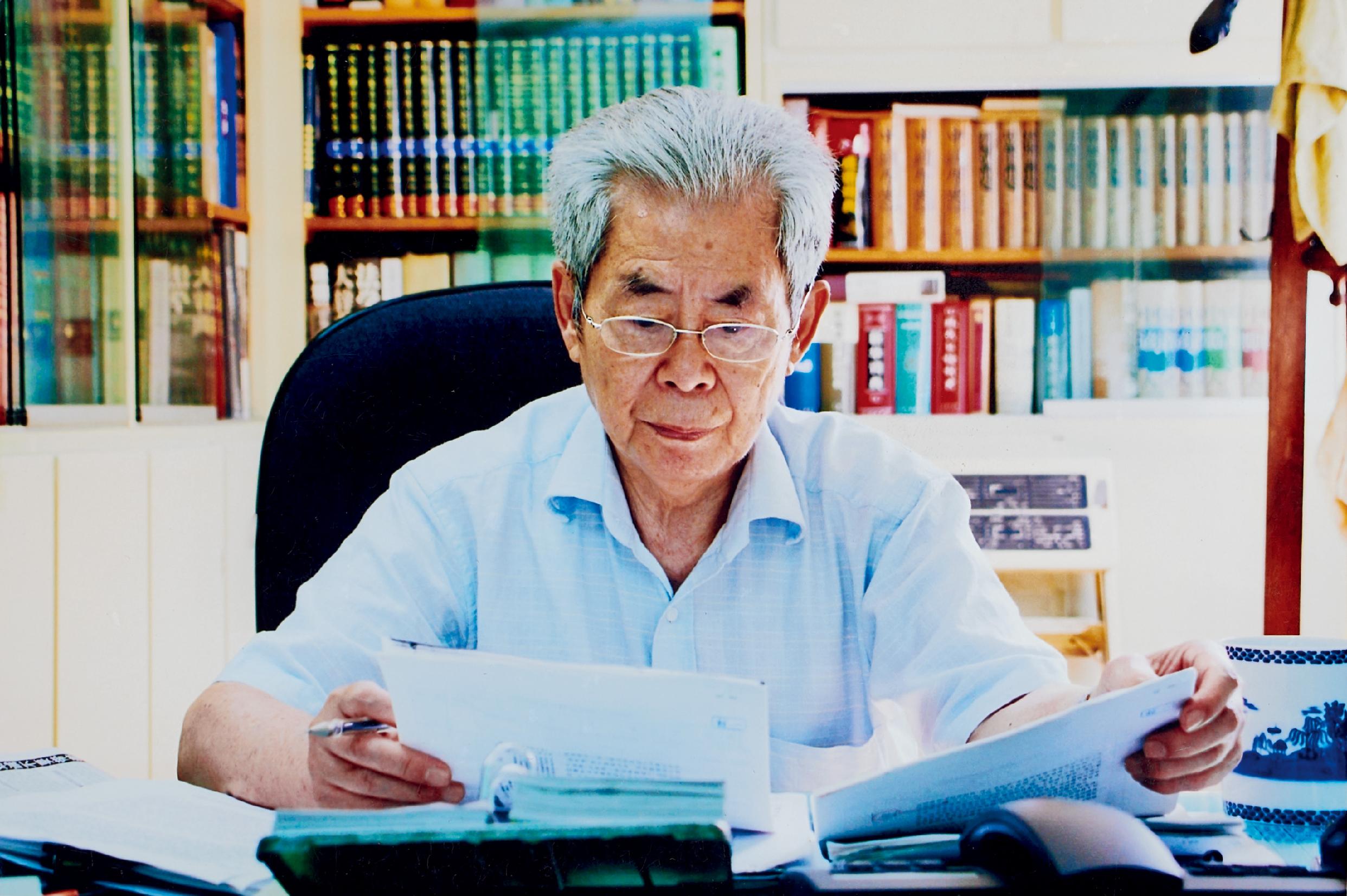
Tong Lijun, deputy editor in chief of Shanghai Lexicon Publishing House, once wrote that looking at the century long history of compiling and publishing "Cihai", it can be divided into two stages: the first stage is the creation of the "Cihai" brand, with the first generation of "Cihai people" represented by Shu Xincheng, including Lu Feikui, Shen Yi, Xu Yuangao, Zhang, and others.
The second stage is continuous revision to make 'Cihai' a century old brand. This was completed by the second and third generations of "Cihai people" represented by Xia Zhengnong, the editor in chief, including the second editor in chief Chen Wangdao, as well as many senior colleagues such as Chao Feng who participated in this work. In the second stage, there were two major contributions. Firstly, the system of revising every ten years was established, which laid the institutional guarantee for "Cihai" to become a century old brand; The second is to transform closed door compilation into open door compilation, attracting elites from various disciplines across the country to participate in the compilation of "Cihai".
Tong Lijun believes that the compilation of Cihai is now entering the third stage: Cihai+Internet. The future 'Cihai' will be more vivid, colorful, and tangible.
In the corridor of the office building of Shanghai Lexicographical Publishing House, there is a motto: "As a lexicographer, one should observe the needs of the users and provide them with what they need. This sentence from Mr. Lu Feikui a hundred years ago reflects the "reader centered" ideology, which is still the value creed upheld by today's "Cihai people".
Cihai is not an academic showcase for editors, but a knowledge tool for readers. Mr. Lu Feikui keenly realized a hundred years ago that the value of dictionaries lies not in how much knowledge the editor displays, but in whether readers can easily and accurately obtain the required knowledge. This requires editors to stand in the reader's shoes and anticipate what problems readers will encounter and what information they will need when checking.
Just as it needs to be given "emphasizes the precision of supply: not too much, not too little, neither perfunctory nor redundant. This kind of value concept is also extremely precious in the present. The eighth edition of "Cihai" will undoubtedly attract many authors to join, and young scholars, teachers, and researchers who have emerged in various disciplines will soon be involved in the writing of explanatory texts for the eighth edition of "Cihai".
You can try to imagine a scene like this: in the next two to three years, "Cihai people" from Shanghai, Beijing, and distributed throughout the country will sit at their desks and keyboards, pondering, choosing words, and making sentences for a 140 word explanatory text for a certain entry, repeatedly typing out a few words, deleting them, typing them again, deleting them again... And every word they write and every sentence they ponder will be a brick and stone in the construction of the new knowledge building of the eighth edition of "Cihai".
Mr. Chao Feng, who has passed away, once said that "Cihai" is the footprint of the times and history. And every step taken in history also leaves footprints in 'Cihai'.

The front air spring has hidden dangers, and Xiaopeng X9 has initiated a recall

Test drive Huawei Qiankun ADS 5.0: WEWA 2.0 architecture first test, will be gradually installed on Huawei's models
The car owner's self driving new energy vehicle's overseas car infotainment system has been remotely locked for over 30 hours, and the brand involved has responded by triggering the built-in security protection mechanism of the car infotainment system, which is a commonly used anti-theft and damage prevention measure in the industry


 WeChat registration or login


 Subscribe