2026-11-12 16:53


Following the 'Golden Nine'”After failing, the car market also failed to welcome the "Silver Ten"”。China Association of Automobile Manufacturers (CAAM)”)According to the data released on November 11th, the production and sales of automobiles in October reached 3.063 million and 3.016 million respectively, with a month on month increase of 2.5% and 2% respectively, and a year-on-year decrease of 8.8% and 9.2% respectively; From January to October, the cumulative production and sales were 26.318 million and 26.286 million vehicles, respectively, a year-on-year decrease of 5% and 5.1%. Chen Shihua, Deputy Secretary General of the China Association of Automobile Manufacturers, said at the press conference: "We are currently estimating the annual sales of the automobile market in 2026, and the situation is not very optimistic.”
'Internal cooling and external heating' is one of the most prominent features of the passenger car market in October. In the first 10 months, the cumulative sales of passenger cars reached 22.622 million units, a year-on-year decrease of 6.6%. However, upon closer inspection, the domestic sales volume was only 14.528 million units, a year-on-year decrease of 25.2%; The export sales reached 8.094 million units, a year-on-year increase of 69.6%. The year-on-year decline in domestic automobile sales has exceeded 20% for seven consecutive months. Exports have exceeded one million vehicles for five consecutive months.
Chen Shihua predicts that the domestic sales of passenger cars will be less than 19 million units in 2026. As a comparison, the domestic sales of passenger cars in 2025 will be 24.065 million units, a year-on-year increase of 6.4%. This means that the domestic market may shrink by more than 5 million vehicles year-on-year this year.
The biggest factor dragging down domestic passenger car sales is fuel vehicles. In October alone, the sales of fuel vehicles decreased by 500000 units compared to the same period last year; The cumulative decrease in the first 10 months was 3.516 million vehicles. High oil prices continue to accelerate the substitution of oil and electricity, and the gasoline car market is shrinking at a faster than expected rate.
Commercial vehicles show a differentiation of monthly weakness and cumulative growth. In October, the production and sales of commercial vehicles reached 350000 and 354000 respectively, a year-on-year decrease of 3.7% and 1.8%, respectively; From January to October, the cumulative production and sales were 3.629 million and 3.663 million vehicles, respectively, an increase of 5% and 5.3% year-on-year. Structurally, affected by the rise in gas prices, the sales of natural gas commercial vehicles in October were only 8000 units, a year-on-year decline of nearly 70%; The domestic sales of new energy commercial vehicles reached 112000 units, a year-on-year increase of 36%.
New energy remains a bright spot in the industry. In October, the production and sales of new energy vehicles reached 2.017 million and 1.94 million respectively, an increase of 13.8% and 13.1% year-on-year, with new car sales accounting for 64.3%; From January to October, the cumulative production and sales of new cars were 14.509 million and 14.411 million respectively, an increase of 11.5% and 11.3% year-on-year, accounting for 54.8% of the total new car sales. However, the domestic sales of new energy vehicles are also under pressure. In October, the domestic sales of new energy vehicles were 1.334 million, a year-on-year decrease of 8.6%; The penetration rate of new energy continues to rise, with new energy passenger vehicles accounting for 70% of domestic passenger vehicle salesFrom January to October, the penetration rate of new energy passenger vehicles in China reached 61.2%.
In October, the overseas automobile market continued to grow. In October, automobile exports reached 1.066 million units, a year-on-year increase of 60.2%; From January to October, the cumulative export volume was 9.271 million vehicles, a year-on-year increase of 65.1%. In October, the export of new energy vehicles reached 606000 units, a year-on-year increase of 1.4 times, accounting for over 50% for five consecutive months; Among them, the export of pure electric vehicles was 374000, an increase of 1.3 times, and the export of plug-in hybrid vehicles was 233000, an increase of 1.6 times. The growth rate of plug-in hybrid vehicles has surpassed that of pure electric vehicles. By function, the export of passenger cars reached 927000 units, a year-on-year increase of 62.3%; The export of commercial vehicles was 139000 units, a year-on-year increase of 47.1%, of which trucks and buses increased by 45.6% and 57.9% respectively.
According to the analysis of the China Association of Automobile Manufacturers, China's automobile market maintained a month on month growth in production and sales in October, with a slight year-on-year decline. The export remained strong and resilient, especially with monthly export volumes exceeding 1 million vehicles for five consecutive months, which will effectively support the stable operation of the automobile industry.
But hidden dangers continue to accumulate. Chen Shihua pointed out that the current external shocks have deepened the impact on the automotive industry, and there are many uncertainties in foreign trade. The reduction of automobile export tax rebates will squeeze the profit space of enterprises. The domestic automobile market has not been effectively improved, and the contradiction between strong supply and weak demand is still prominent. The industry's profit level is still low, and the overall operation is facing significant pressure. The industry needs to promote the synergy between stock policies and incremental policies, stabilize market expectations, and boost consumer confidence.

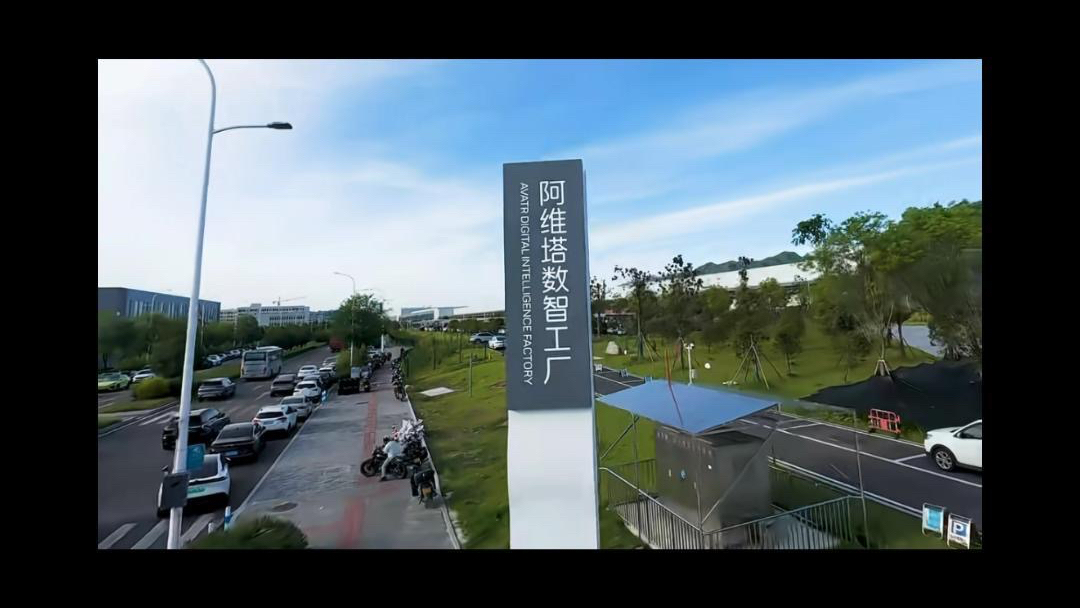
Changan Automobile listed for transfer of 10% equity of Avita Technology, with a minimum price of approximately 3.2 billion yuan

The "golden nine and silver ten" in the car market have faded domestically, but exports have surged

Post Friendship Period "has become a hot search and hit the screen, becoming a dark horse in variety shows in 2026


 Subscribe