Economic Observer Follow
2026-10-25 10:10


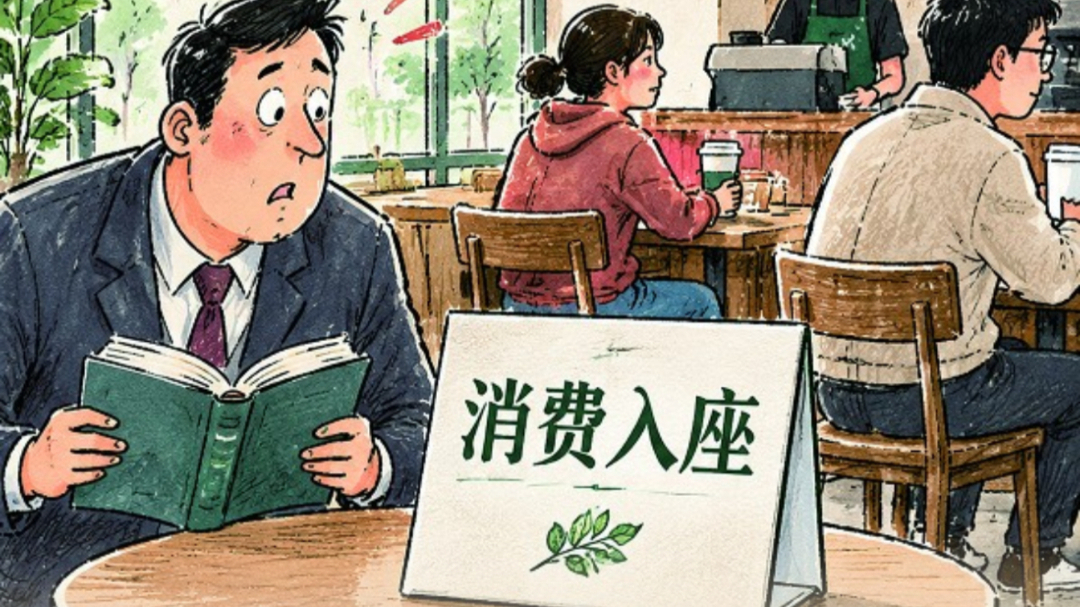
Speech/Writing 40 complaints - this is the number of complaints received by a school in two weeks. The prosecutor opens their mailbox every day and receives emails transferred from the Education Bureau. The reasons for complaints are varied: disdain for frequent changes in teachers, unwillingness for children to clean the bathroom, and recognition that teachers are targeting their own children. The homeroom teacher changes teachers during maternity leave, and parents even ask: Do teachers have to have children?
These strange complaints are not isolated cases, many schools have been suffering from "excessive complaints" for a long time. A ledger from a grassroots education bureau in Southwest China shows that it received 128 reports in the first 8 months of 2024, and after verification, only 7 of them were basically true. Excessive complaints have become a burden for many schools.
Of course not. Complaints that cross the normal boundaries of rights protection do not need to be repeated for their harm to the educational ecosystem: they unnecessarily consume teachers' energy, erode their enthusiasm, and are also a very bad example for children. The sharp point behind the question 'Do teachers have to have children?' is that parents cannot distinguish the boundaries of their rights and do not understand how to put themselves in others' shoes. What do they subtly teach their children in family education?
What I want to discuss more is the excessive attention behind excessive complaints. Or, in other words, it is the excessive sensitivity of parents to any discomfort their children may experience, as well as their excessive intervention in their children under this mentality. Our parents may find these complaints from current parents completely unreasonable, as they simply cannot think of these issues. Do they not care about children? Of course not. The educational concepts between generations are indeed different, but as parents, they all do not want their children to suffer any grievances, and their hearts are the same. However, some parents are now a bit sensitive to the understanding of "grievances". It seems that their children's hearts are made of glass, and if they are not wrapped layer by layer, they will shatter.
This excessive protection of children also makes schools cautious. A high school was complained by parents for posting praise lists for top performing students, and later the student rankings were no longer made public. Parents and students lack a reference point for understanding academic performance. Even more subtly, although there are no explicit regulations, some schools seem to have formed a tacit understanding: there are no red crosses on test papers and assignments, and wrong questions are only marked with red circles or diagonal bars. It is said that they are afraid that the red cross will hurt students' self-esteem.
But the problem is that under seemingly comprehensive and meticulous protection, the child's mental health frequently lights up red lights. Outside the Children's Depression Clinic of Peking University Sixth Hospital, there are still many children waiting for treatment after midnight. So, should we reflect on why such meticulous care did not better protect the physical and mental health of children?
The causes of mental health problems are complex, including academic competition, social media, and widespread diagnosis. It is difficult to attribute them to a single parenting style, but this kind of care itself is worth re evaluating.
Perhaps we are paying too much attention to our children now, but we are getting the wrong direction: what we should see is ignored, and what we should let go of is excessively intervened. Taking changing teachers as an example, it is necessary to maintain continuity, but changing teachers is not unacceptable. Children can learn to adapt to different styles of teachers. Of course, teachers cannot humiliate or physically punish students, but well intentioned criticism is not a raging beast and will not engulf children; I don't know the red cross on the exam paper either.
What children really need to be seen is that they endure academic pressure from morning till night, almost without any breaks, in school. The competition they are facing, in the feelings of many people, is more intense than we were back then.
But how many children have truly gained understanding from adults? The parent who complained about changing teachers is still worried about 'what should we do if our child's grades decline due to frequent teacher changes'? Parents' demands may not necessarily be the true needs of their children. An 11 year old child felt comforted after reading "The Little Prince" because the author understands children the most. This may remind us that what children expect is not just protection, but true understanding.
Our generation's childhood was more extensive and even somewhat muddy. Parents may not necessarily know how to understand children, and there are also many drawbacks such as neglecting children's feelings and lacking psychological support. In addition, due to insufficient cognition, some psychological issues may not have been noticed. But the relatively crude parenting style has indeed given us more freedom. At that time, the pace of life was not as tense as it is now, and children could have a lot of time that was not arranged or scrutinized. This kind of relaxation alternation, like breathing, may invisibly help us release stress and is a psychological buffer that cannot be underestimated.
Children nowadays seem more 'glass hearted', not because they are more fragile, but because they have endured more intense pressure without truly empathizing; They seem to be paying attention to every detail, but they have lost some free time. Changing teachers, red crosses, and rankings are just appearances, what really needs to be weighed is whether the protection we provide is placed in the right position.