2026-10-09 19:18

Economic Observation Network According to CCTV News App, on October 8-9, 2026, Chinese Minister of Commerce Wang Wentao and European Commission Commissioner for Trade and Economic Security Malos Shevchovich held the second meeting of the China Europe Trade and Investment Consultation Mechanism (hereinafter referred to as the Mechanism) in Beijing. Both sides had pragmatic and productive discussions, and formed a consensus list of results.
Both sides reiterated that as key trading partners, they will handle their differences properly within the framework of WTO rules, and are committed to continuing to stabilize bilateral economic and trade relations and making them more balanced. Both parties have agreed to hold the third meeting of the mechanism in March 2027, and prior to that, they will maintain close communication, including a ministerial level video conference in January.
Trade and investment balance
Both sides will continue to explore the possibility of reducing tariffs on certain goods within the framework of WTO rules.
Both sides will continue to strengthen communication and cooperation under the trade monitoring mechanism, and actively play the role of the dialogue mechanism to enhance mutual understanding.
After intensive consultations, both parties have reached an understanding on the trade of hybrid vehicles in a manner that complies with WTO rules.
Both parties recall the guidance document on price commitments for electric vehicle anti subsidy cases and will continue the relevant procedures for enterprise price commitments and reviews for electric vehicle anti subsidy cases.
Both parties will continue to maintain dialogue on the issue of market access for medical devices. The EU welcomes the measures taken by China to expand the import of EU medical devices, including holding a procurement matching meeting during the 9th CIIE.
China will accelerate the recognition of regionalization principles for eligible EU member states based on risk assessment. Both parties agree to exchange methods and technologies for disease control and jointly explore ways to lift restrictions on the importation of bluetongue disease from relevant member countries to China.
Both parties agree to continue technical exchanges on the computer reservation system. Both parties agree to continue follow-up consultations on their respective regulatory frameworks for cosmetics and drugs, in order to further address existing and emerging market access issues.
Both parties agree to engage in technical dialogue on the EU Foreign Subsidies Regulation (FSR).
The European side clarified that the EU's financing guidance document for inverter projects is not specific to any particular country, and both parties will further discuss this issue.
Both parties agree to explore investment cooperation, promote each other's economic development, and discuss future oriented cooperation.
Export Control
Both sides reiterated the need to further strengthen the China EU export control dialogue and welcomed the strengthening of communication and exchange on their respective export control policies, including through the release of policy guidelines, organization of government enterprise exchange activities, and training.
Both sides agree on the importance of enhancing the predictability and stability of global industrial and supply chains. China is willing to continue providing convenience for the approval of export licenses for rare earths and permanent magnets to Europe through the "Green Channel" mechanism. The European side will continue to work with member states to facilitate the resolution of key dual-use licensing cases against China.
Both sides reiterated their commitment to addressing concerns in the field of export controls and discussed the possibility of developing structural facilitation measures around compliant trade of dual-use items between China and Europe.
Under the framework of the export control dialogue mechanism, both parties have reached an understanding to provide advance notification before listing, improve the transparency of the listing and transfer procedures, and support the initiation of transfer procedures within their respective legal frameworks.
Intellectual Property Right
Both China and Europe have made progress in resolving systemic intellectual property issues. Both parties agree to continue working together to resolve relevant issues and set phased goals, focusing on effective and fair intellectual property protection and enforcement, higher transparency and predictability. Both parties agree to monitor progress through the China Europe Intellectual Property Working Group.
WTO Reform
Both sides agree to further strengthen bilateral communication and cooperation on WTO reform in an open and constructive manner. Both parties commit to participating in the reform of the World Trade Organization and agree to discuss all relevant issues in order to make substantial progress.
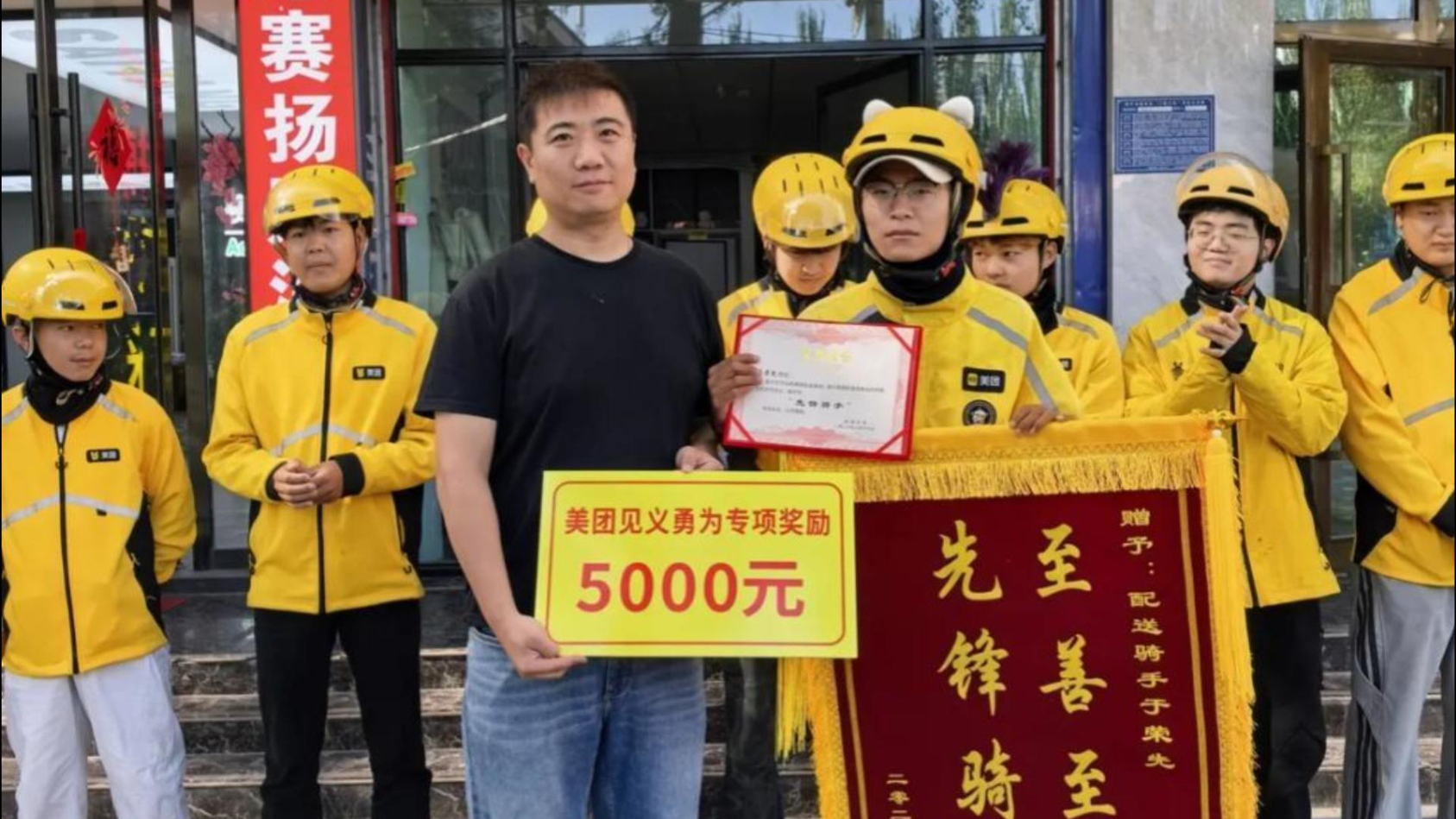
The Central Political and Legal Affairs Commission has released the list of brave warriors for the third quarter of 2026, with Meituan riders Guo Yabin, Yu Rongxian, and Cheng Jianfeng on the list

New "Three Piece Set" in Shopping Mall: Market, IP First Exhibition, First Store
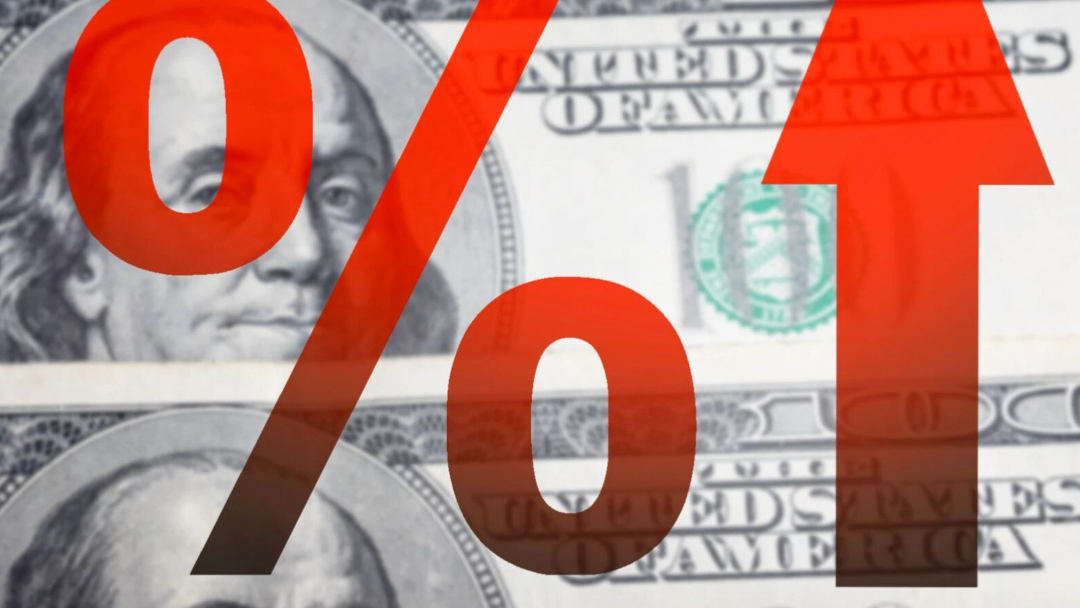
Up to 4.35%! Which bank in mainland China or Hong Kong has a higher fixed deposit interest rate for US dollars?