2026-10-01 08:28


On September 30th, the Hubei Regulatory Bureau of the State Administration of Financial Supervision and Administration announced administrative penalty information to the public. Hubei Bank was fined 2.85 million yuan for four violations of laws and regulations; At the same time, relevant responsible persons shall be warned and fined.
Regarding regulatory penalties, Hubei Bank stated that it attaches great importance to the issues discovered during regulatory inspections, sincerely accepts regulatory penalties, and resolutely implements regulatory opinions. This punishment is based on on-site inspections conducted by regulatory authorities from October to December 2024. As of November 2025, all issues identified during the inspections have been rectified in accordance with regulatory requirements, and have no substantial impact on the daily operations and business development of the bank.
Hubei Bank stated that it will resolutely implement the work requirements of regulatory departments at all levels, consolidate the foundation of prudent operation, strictly adhere to the bottom line of compliance management, comprehensively improve the level of risk management, and serve the high-quality development of the real economy.
In recent years, Hubei Bank has adhered to the concept of "compliance starts from the top and everyone is responsible for compliance", and has been transmitting and consolidating the main responsibility of compliance at all levels. It has made efforts to fill the gaps from multiple dimensions such as system, culture, process, digitalization, and supervision system, and continuously built a strong internal control and compliance defense line.
In terms of compliance governance system construction, by the end of 2025, the bank will introduce the "Hubei Bank Compliance Management Measures", with the President serving as the Chief Compliance Officer to strengthen the compliance responsibilities of the senior management. In terms of cultivating compliance culture, the bank launched a special activity called "Internal Control and Compliance Improvement Year" this year, focusing on the goal of "knowing and respecting, clarifying direction, and doing well". Scholars from universities, regulatory and industry experts were invited to give lectures and conduct training to achieve full coverage of compliance education and strengthen the compliance awareness of all staff.
At the same time, Hubei Bank has strengthened its internal control mechanism and continuously optimized its process system. Establish a three-level limit monitoring mechanism for special risks such as liquidity risk and operational risk, and promote the digital transformation of professional risk management. Initiate the reform of the credit management system, implement the "four centralized" credit process reengineering of centralized review and approval, centralized lending, centralized credit file management, and centralized post loan direct inspection for various credit lines, and strengthen risk control from the source.
In addition, Hubei Bank is promoting the reform of the audit system and establishing a comprehensive supervision system for the entire bank. Under the unified leadership of the Party Committee of the head office, we will integrate supervision resources such as disciplinary inspection, patrol, audit, compliance, risk management, internal control, and supervision, create an integrated supervision platform, and use digital means to enhance supervision efficiency.
Industry insiders have stated that in recent years, the regulation of the financial industry has continued to tighten, and the normalization and refinement of regulatory inspections are the trend in the industry. Banks and insurance institutions have frequently received regulatory fines, which is a common situation in the industry. However, financial institutions should take this as a lesson, draw lessons from it, and continue to improve their compliance management level.
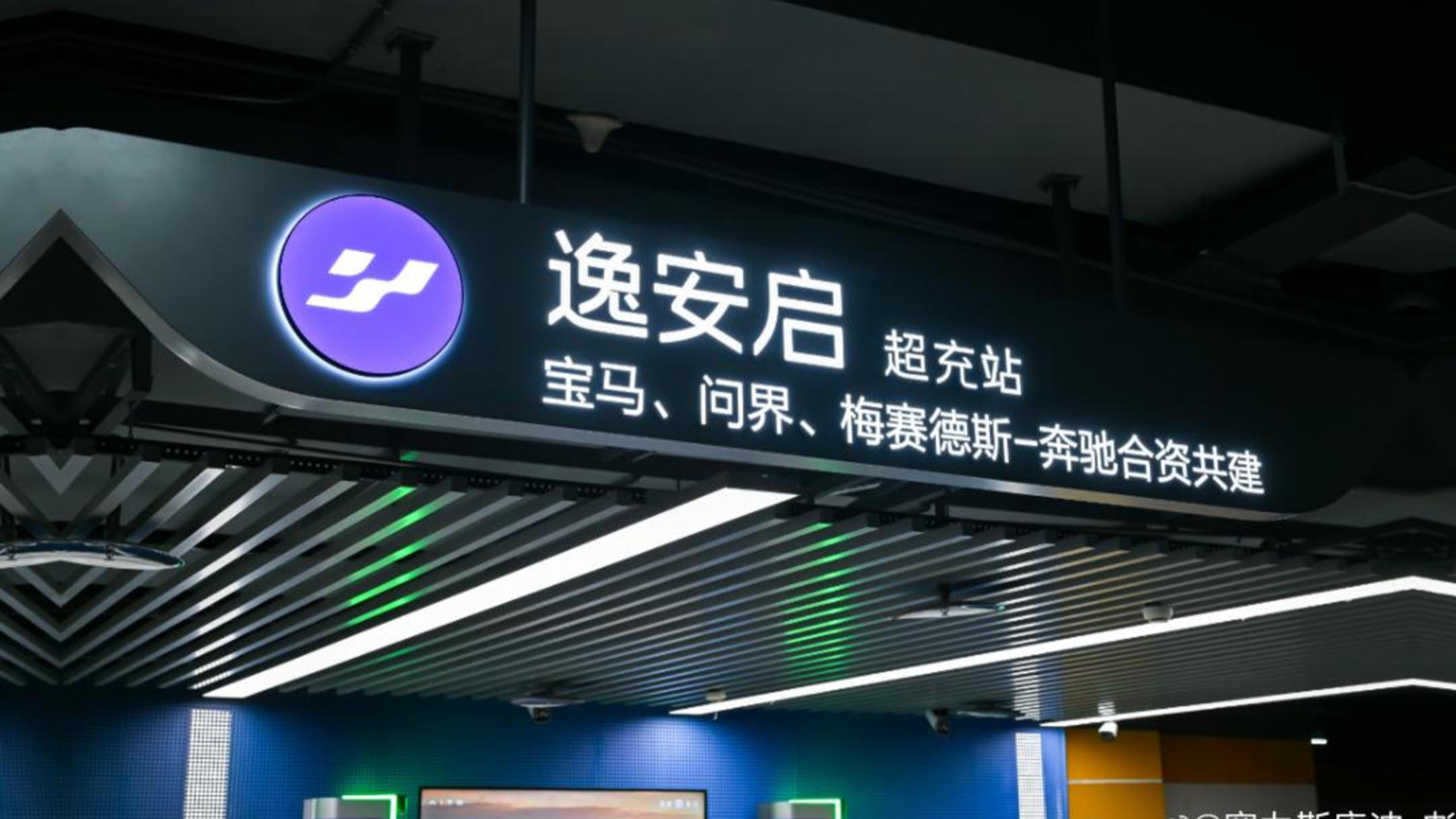
Xilinx officially announced that Wanjie has joined the Mercedes Benz and BMW supercharging camp, with over 600 stations directly connected
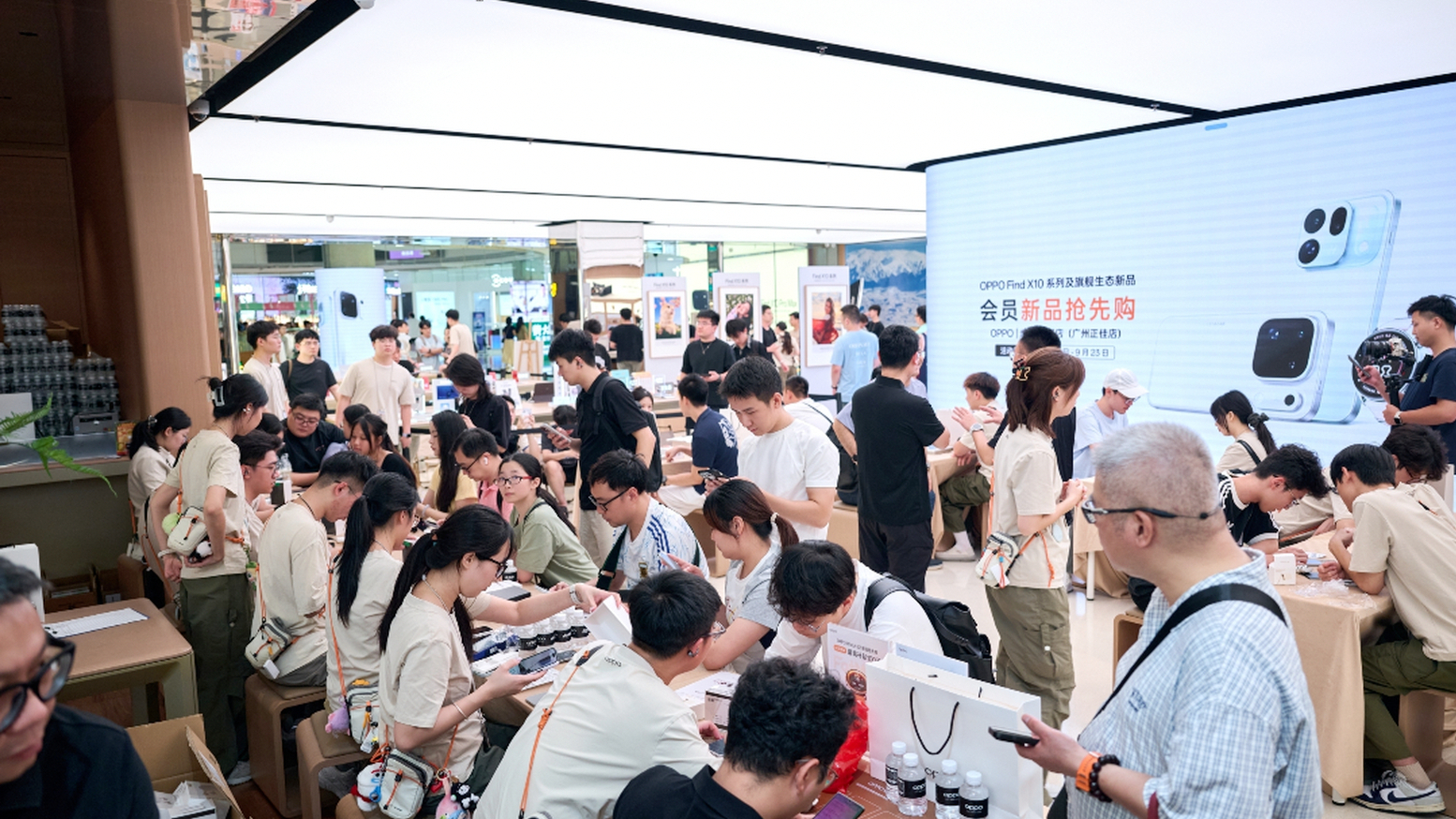
OPPO Find X10 tops sales on the standard version track

Technology Show | iQOO16 is now available for sale, under the name of Standard Edition, to meet the requirements of Pro Max product strength