Economic Observer Follow
2026-07-21 23:13


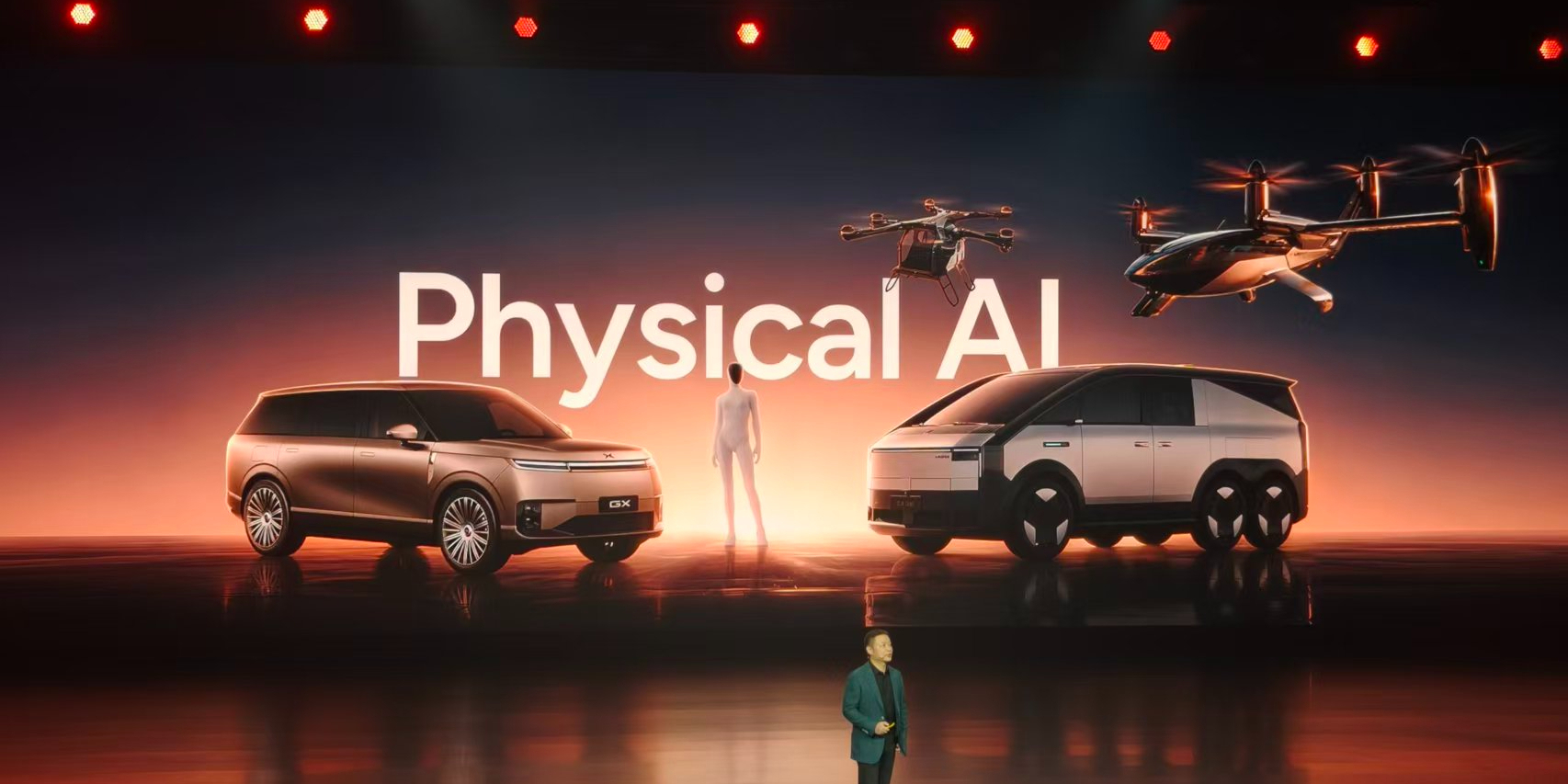
In mid July, Xiaopeng Group held its first large-scale overseas brand launch event in Munich, Germany. At the meeting, Xiaopeng Group showcased its technology product matrix, including intelligent cars, flying cars, and embodied robots. At the same time, Xiaopeng's MONA L03 (including pure electric and extended range versions) announced its global launch and sales to 65 countries and regions, with a starting price of 123800 yuan in the Chinese market.
Prior to this press conference, Xiaopeng had already entered the European market to sell multiple models, established a research and development center in Munich, and collaborated with Magna factory in Austria for localized product production. Its global research and development, production, and operation network had initially formed.
This centralized brand launch is a summary of Xiaopeng's previous overseas development and a prospect for the next global expansion direction. This Chinese company has revealed its ambition with the declaration of "Physical AI for ALL": not only to sell automotive products globally, but also to open up a channel for physical AI to go global from China.
Global development standards for MONA L03
As a globally synchronized development model, the Xiaopeng MONA L03 is designed, developed, and validated according to the aesthetic and standards of the global market throughout the entire process.
In terms of design, the Xiaopeng MONA L03 is led by Juanma Lopez, former Ferrari exterior design leader and Vice President of Xiaopeng Automotive Design, leading the global design team. The wide body sloping body, frameless doors, flat side windows, and ultra wide rear curved windshield, combined with a drag coefficient as low as Cd 0.228, make this car both aerodynamic and youthful design language, allowing aesthetics to serve performance and efficiency.
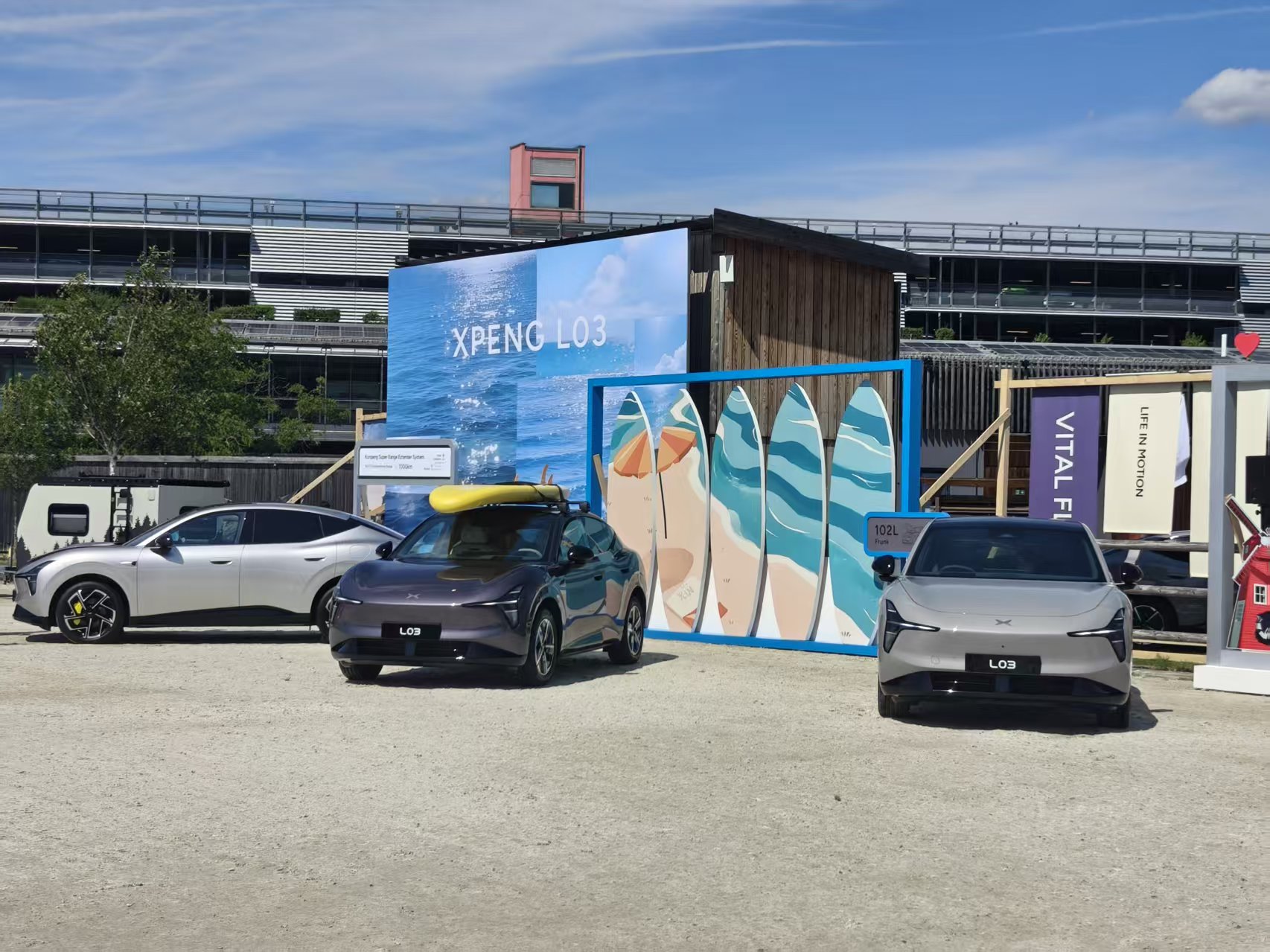
In response to the diverse driving habits of global users, Xiaopeng MONA L03 has iterated its intelligent cockpit system and launched the overseas version of the cockpit operating system XOS 6, making the intelligent interactive experience more in line with the usage logic of global users. XOS 6 version can accurately execute clear instructions such as navigation and air conditioning, and can also understand natural, open, and even emotional expressions, allowing for free dialogue with users based on context. For the multilingual environment in Europe, it supports mixed recognition of languages such as English, German, French, etc., allowing different passengers to communicate naturally in different languages without frequent language switching. In addition to the intelligent cabin experience, the Xiaopeng MONA L03 has also upgraded the comfort, technology, quality, and spatial carrying capacity of the cabin, which can meet the diverse needs of commuting, travel, camping, and content creation scenarios.
To adapt to the differences in energy structure, replenishment conditions, and user travel modes among different countries and regions around the world, Xiaopeng MONA L03 provides two power solutions: pure electric and super extended range, allowing users to choose a more suitable travel mode according to their own living scenarios. The pure electric version of Xiaopeng MONA L03 CLTC has a maximum range of 650km and a comprehensive power consumption of as low as 11.5kWh per 100km. The super extended range version of CLTC has a pure electric range of 325km, a maximum comprehensive range of 1380km, and a WLTC fuel consumption of as low as 4.96L per 100km, with no anxiety about range.
At the same time, in the critical security field, Xiaopeng MONA L03 is developed according to global multi climate, multi terrain, and strict regulatory standards, and simultaneously meets the five-star safety standards of China, Europe, and Australia. The vehicle is equipped with a full scenario tire burst stability system, driver disability assistance system, etc., providing more comprehensive safety protection for users worldwide.
Global adoption of the same model for advanced intelligent driving
Advanced intelligent driving is a core selling point of the Xiaopeng MONA L03, and it is also the significant differentiation of this car from most models in the European market.
As a pioneering representative of intelligent driving in China, Xiaopeng has multiple industry-leading capabilities in high-speed intelligent assisted driving and urban navigation assisted driving. In March of this year, Xiaopeng Turing AI intelligent driving, equipped with the second-generation VLA model, was mass-produced and pushed to users. In the first month of the push, the proportion of assisted driving mileage exceeded 50%. The second-generation VLA model of Xiaopeng Turing can achieve a set of models that connect L2 assisted driving and L4 autonomous driving. The L4 level Xiaopeng Robotaxi equipped with this model has started internal testing among employees, marking another crucial milestone in the Xiaopeng physics AI landscape.
Recently, He Xiaopeng, Chairman and CEO of Xiaopeng Group, and Liu Xianming, Head of General Intelligence Center, completed the localization acceptance test of Xiaopeng Turing AI intelligent driving in Germany. This model based on Chinese road conditions training has shown high adaptability and stability in Europe. In response to the complex road rights and road environment in Europe, Xiaopeng Turing AI intelligent driving focuses on strengthening pedestrian priority, traffic sign recognition, and implicit traffic rule understanding. As a result, Xiaopeng has become the first domestic enterprise to use the "same model" to connect China and Europe, and is accelerating the promotion of mass production adaptation in the European market.
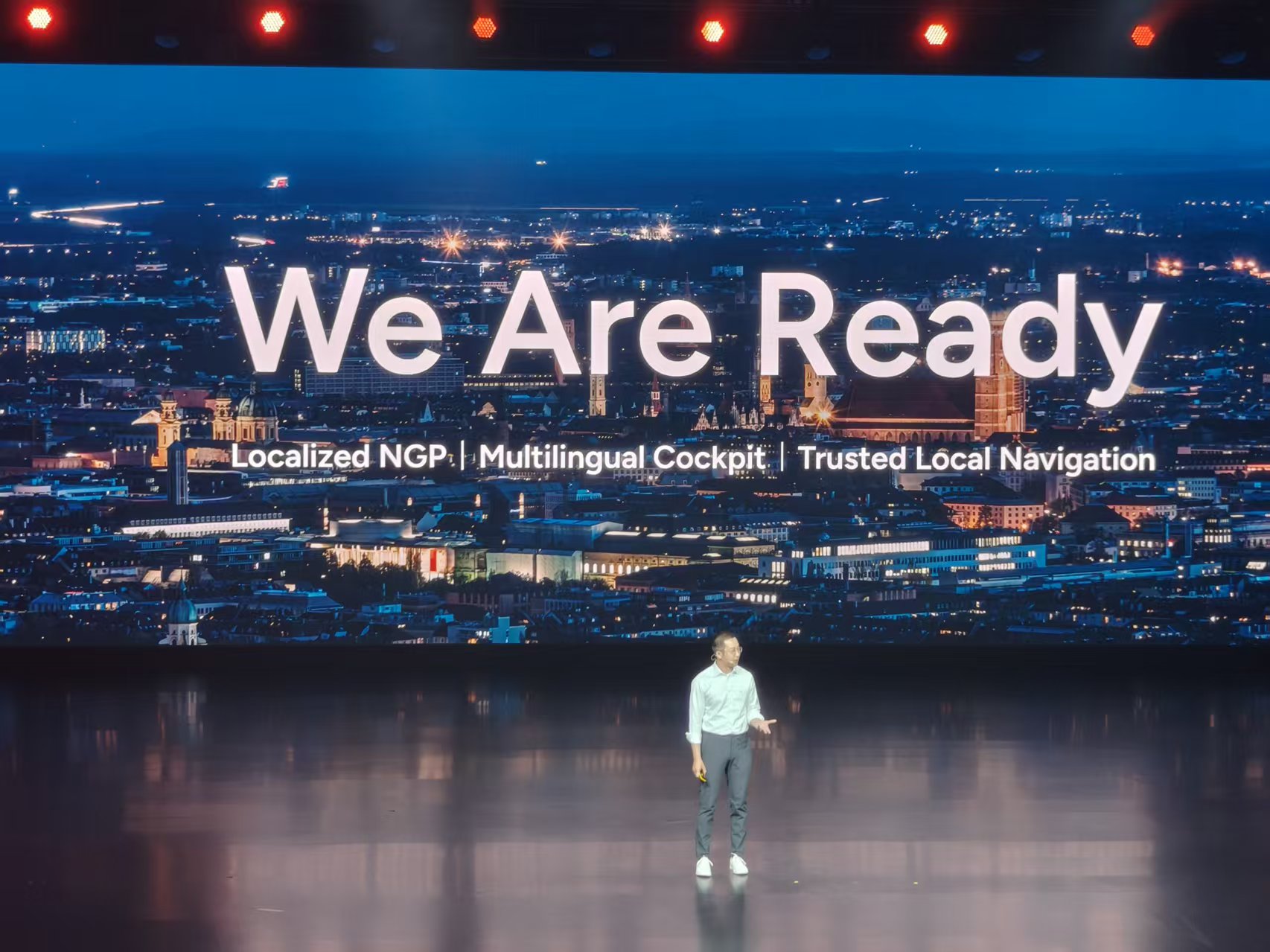
Liu Xianming pointed out that the essence of autonomous driving is a problem of physical AI, and understanding the operating laws of the real physical world is the starting point of Xiaopeng Turing's second-generation VLA model. Unlike traditional solutions that rely on high-precision maps and preset rules, the second-generation VLA model of Xiaopeng Turing is based on its understanding of the physical world, allowing vehicles to perceive unfamiliar road conditions, understand scene semantics, and make more flexible driving decisions like humans. Liu Xianming summarized the relationship between the world model and VLA as "one entity with two sides", which enhances the understanding and action of the model in the real world through different training signals that mutually reinforce each other.In response to the challenge of insufficient overseas training data, Xiaopeng uses world models to generate real, continuous, and physically consistent training data, improving the model's generalization ability in different countries and road environments around the world.
In overseas markets, Xiaopeng has introduced Google Maps mapping service and created a native in car navigation experience that is more in line with the habits of overseas users through Auto SDK, becoming the first car company in the Asia Pacific region to achieve this depth of cooperation.
Localized intelligent driving, multilingual intelligent cockpit, and local navigation ecosystem together constitute Xiaopeng's intelligent capabilities, with the goal of gradually delivering intelligent assisted driving systems that are more suitable for local road environments to global users from 2027 onwards.
Global operations drive the implementation of physical AI
Xiaopeng's entry into the global market is not just about shipping products for sale, but by establishing an ecosystem that includes research and development, manufacturing, supply chain, and services, and building the foundation for long-term development. Xiaopeng focuses on building global localization capabilities and constructing research and development, production, and operation systems for the global implementation of physical AI capabilities.
Taking the European market as an example, Xiaopeng adheres to the development philosophy of "In Europe, For Europe" and continues to improve its localized research and development, production, sales, and service capabilities. Establish an independent research and development center in Munich, covering product development, user services, and charging ecosystem construction; Joining hands with Magna factory in Austria to promote localized production projects, G6 and G9 have been implemented first; At the same time, we deepen technology and supply chain collaboration with global partners such as Bosch, Continental, and ZF, and jointly expand the European market with over 150 distributors.
Currently, Xiaopeng has gained over 60000 European users. In May of this year, the Xiaopeng G9 ranked first in sales among Chinese brands of pure electric mid to large SUVs in four countries: France, Denmark, Portugal, and Norway; The Xiaopeng G6 has achieved the top spot in mid size SUV sales among Chinese brands in five countries: Germany, France, Denmark, Portugal, and Norway.
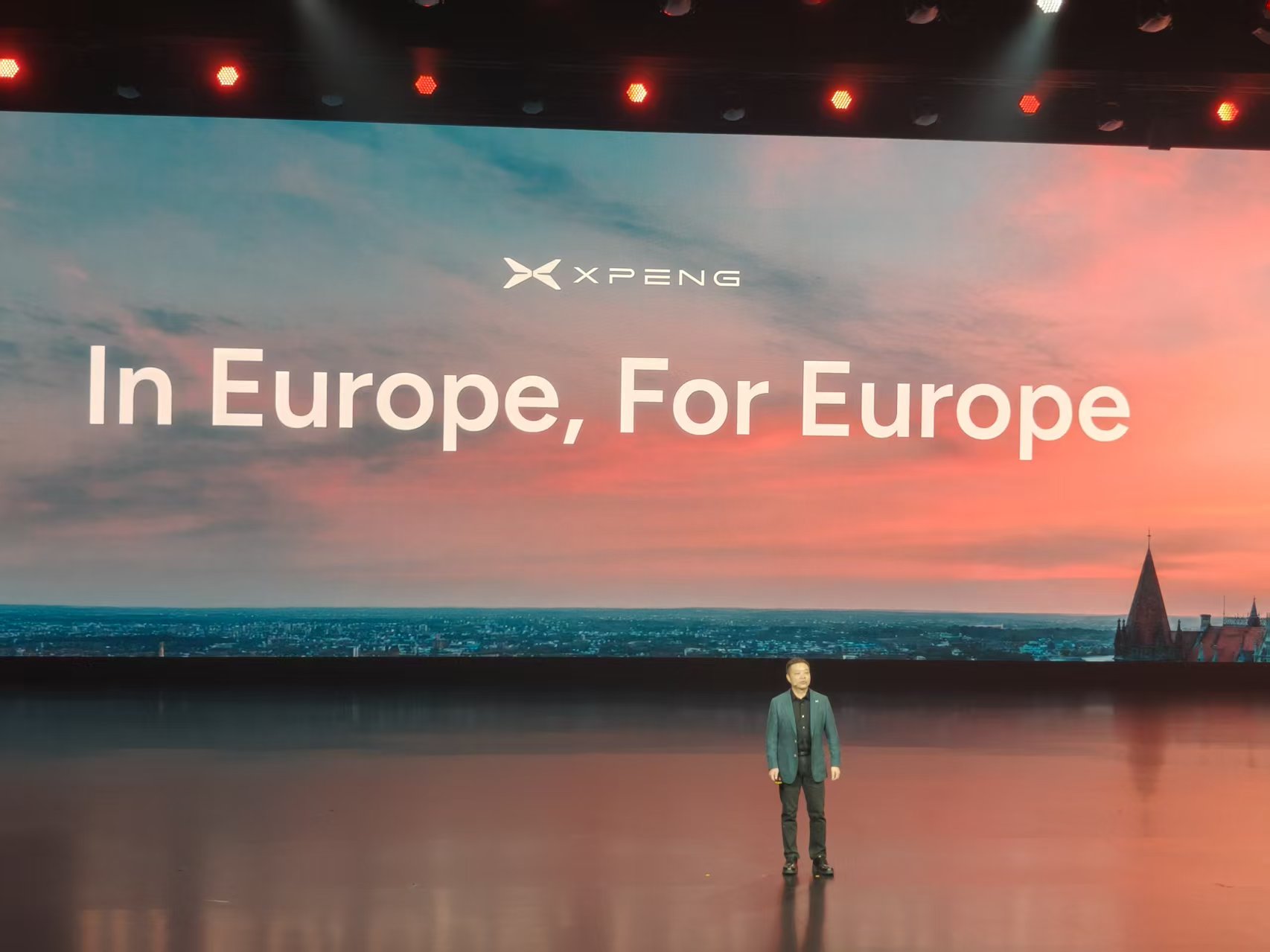
As of now, Xiaopeng's global cumulative sales have exceeded 1.2 million vehicles, with a sales network covering 65 countries and regions worldwide and over 1200 stores; Xiaopeng's ultra fast charging network has covered 31 countries and regions, with a cumulative access to over 2.7 million charging resources.
With the continuous deepening of globalization layout, Xiaopeng is promoting the expansion of physical AI capabilities from intelligent cars to more physical scenarios. Around the three major directions of AI cars, robots, and flying cars, the three share Xiaopeng's self-developed physical AI technology base, and promote the development of different intelligent terminals through unified AI capabilities.
Among them, the Xiaopeng humanoid robot is planned to enter the global commercial scene in 2027; Xiaopeng Flying Car has accumulated over 7000 orders and built the world's first flying car factory with a planned annual production capacity of 10000 units, accelerating the large-scale production.
In the future, Xiaopeng will continue to increase research and development investment, promote physical AI technology from China to the world, and enable artificial intelligence to be implemented in more real-world scenarios.


 WeChat registration or login