Economic Observer Follow
2026-07-20 21:36


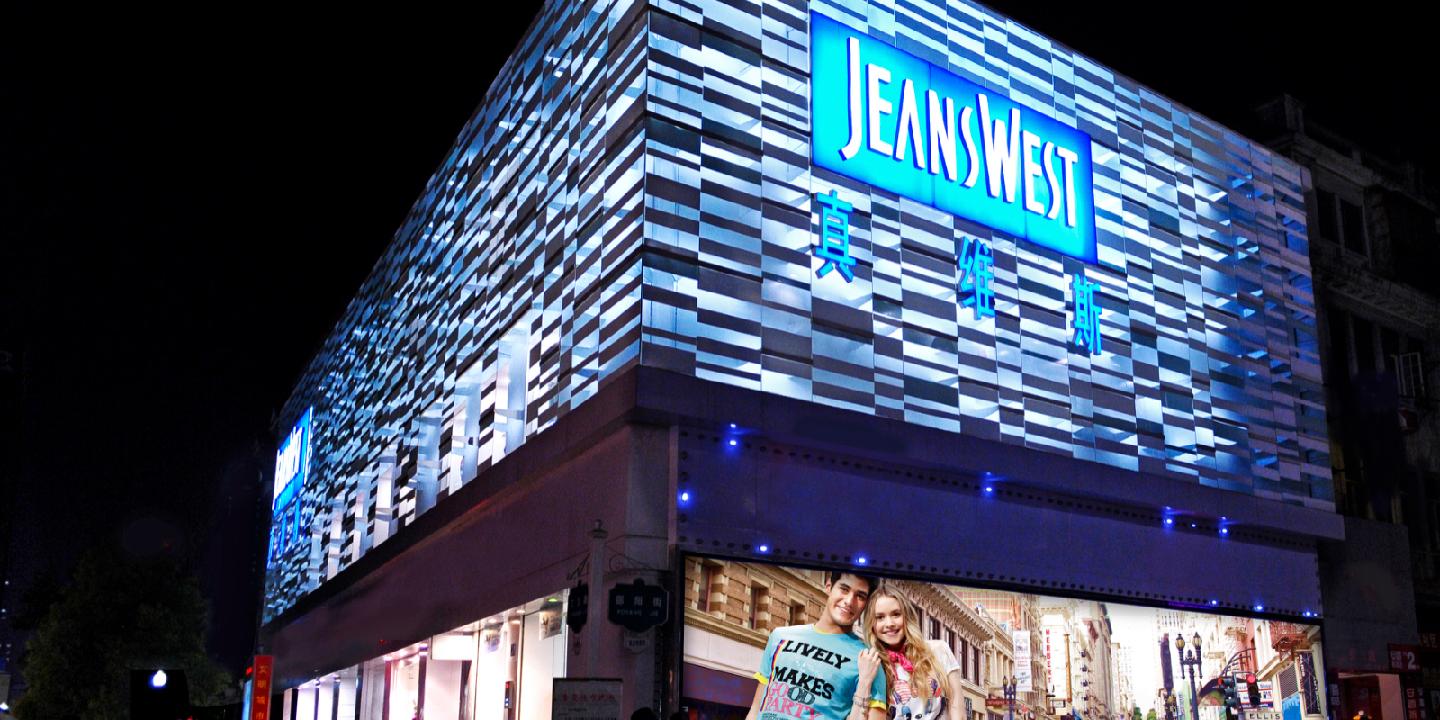
The news that "Zhenweis's omni channel GMV (total merchandise transaction volume) will exceed 10 billion yuan by 2025" has recently sparked widespread discussions in the domestic leisure clothing industry.
The casual clothing brand, Zhenweis, which occupies a part of the national memory, had over 3000 offline stores at its peak, but now its stores have decreased to less than 300. Stores are no longer everywhere, and when many people thought that Zhenweis had reached its end, it was thriving online.
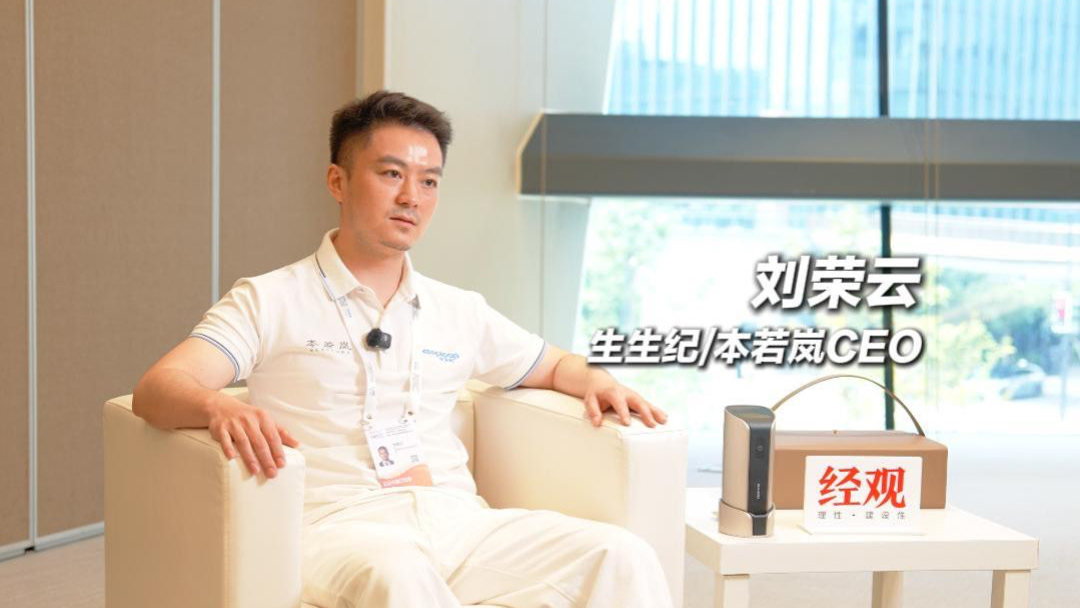
Regarding the current operational situation of Zhenweis, Liu Weiwen, Deputy General Manager of Xuri Trading (China) Co., Ltd. and General Manager of Zhenweis E-commerce, told the Economic Observer that Zhenweis has maintained high-speed growth in the past five years, with sales increasing by a total of 13 times. By 2025, the omnichannel GMV will exceed 10 billion yuan. Liu Weiwen stated that Zhenwei took the initiative to make a series of adjustments, "amplifying the impact of controllable factors and reducing the impact of uncontrollable factors".
One of them is the adjustment of Tiktok channels. When Jeanswest entered Tiktok about four years ago, 90% of the sales of the platform came from live broadcast, and half of them depended on the third-party Internet celebrity anchors. But now, with Zhenwei's intention to adjust its operational structure, the proportion of live sales in this channel has dropped to 30%, of which about 90% of the revenue comes from the brand's own live broadcast rooms.
At present, on the Tiktok platform, Jeanswest's sales from "commodity cards" have accounted for more than 50%, that is, the shelf e-commerce in the brand Tiktok Mall, which depends on the active search of consumers; Next is short video sales, as introduced by Liu Weiwen. This is the fastest-growing sector in recent years, and currently accounts for over 10% of sales through this channel.
Brand authorization for 'monitoring the entire process'
Janus was born in Australia in 1972. In 1990, it was acquired by Hong Kong's Sunrise Group and entered mainland China in 1993, opening its first store in Shanghai. Its pioneering open self selection retail model was completely different from the mainstream counter sales model at that time. When the average person's monthly salary was only seven or eight hundred yuan, a pair of jeans by Jeans could be sold for 100-300 yuan. At that time, Zhenwei was synonymous with "casual wear" in the hearts of many "80s" and "90s". In the late 1990s, Zhenwei actively adjusted its strategy and lowered clothing prices to within 100 yuan, embarking on the path of "brand popularization". This positioning quickly made it popular in cities of all sizes across the country.
However, with the influx of international fast fashion brands and the rise of e-commerce after 2010, the stores of Zhenweis have significantly shrunk. In 2018, Zhenweis established a strategy of fully developing online and building a "brand ecosystem".
As of now, Zhenweis has over 900 stores online, which are operated by hundreds of Zhenweis partners. From the perspective of pricing strategy, the mainstream products of Zhenweis are concentrated in the price range of tens of yuan, and the price of the same clothing for its spokespersons is also controlled at around 100 yuan.
Liu Weiwen said that the sales revenue of Zhenweis in 2025 is about 6.38 billion yuan.
Senma brand and Metersbonwe, both located on the same casual wear track as Zhenweis, will have revenues of 4.055 billion yuan and 450 million yuan respectively in 2025.
The achievements of Zhenweis cannot be separated from the construction of a "brand ecosystem". The official definition of "brand ecosystem" by Zhenweis is the strategic transformation from "clothing retailer" to "brand operator", with the core being to break the traditional model and build an open and collaborative industrial platform.
Among them, on the one hand, Zhenweis controls brand tone, quality standards, and overall strategy, and outputs a unified standardized operation system, digital management tools, and industry experience to partners; On the other hand, the partner is responsible for product development, production, and online store operation by combining their own supply chain or operational advantages.
In terms of revenue distribution, Zhenweis charges service fees for the corresponding brand and management system, and the remaining revenue is shared with partners according to the agreed proportion in the contract.
This model is often compared to the light authorization model of "selling hang tags" in the industry. In Liu Weiwen's view, there is a fundamental difference between the two. The core of traditional "selling hang tags" is to sell brand usage rights, and the brand lacks deep involvement after authorization. However, the ecosystem model of Zhenweis is a two-way collaboration and full chain empowerment.
He introduced that digital systems are the core carrier of this model, but their role goes far beyond compliance monitoring. Through a unified middle platform system, Zhenweis can not only control the entire process of store display, pricing strategy, live streaming standards, product quality, etc., but also synchronize real-time sales data, consumer trend judgment, quality control standards, and operational methodology with partners.
Transform the factory into a partnership
At the beginning, the main partners in the brand cooperation circle were the OEM factories of Zhenweis. They have a mature supply chain system and production capacity, but lack the ability to directly engage with consumers in brand building.
The addition of Zhenweis is equivalent to saving them the process of "0-1" brand cultivation in the early stage. For example, in the category of jeans, the original denim OEM factory needed to produce according to the design and specification requirements of Jeans, and then deliver it to the brand for sale.
But in the new ecological model, role relationships are redefined. We are on equal footing with the supplier, we are no longer the first or second party, but a partner, "said Liu Weiwen. What Zhenweis needs to do is to" activate factory resources ", with factories specializing in jeans opening jeans stores and factories specializing in down jackets opening down jacket stores, each leveraging their own strengths.
Zhenwei will communicate the category requirements of each quarter to the cooperating factories, and the factories will submit style proposals based on their own best fabrics and processes. Zhenweis is responsible for auditing and quality control. After passing, the factory will first produce small batches for online testing. If the sales data feedback is good, the order will be quickly pursued. Liu Weiwen believes that this approach significantly reduces both warehousing and logistics costs, as products no longer need to be transported from the factory to the brand's warehouse, but are directly shipped by the production factory.
Taking the platform of Tiktok as an example, Jeanswest has opened multiple subdivided stores such as women's clothing, men's clothing, trousers, children's clothing, underwear, sports and fitness. But an unavoidable question is whether consumers will lose their unified understanding of 'what exactly is Zhenweis'?
Liu Weiwen believes that the key lies in two points. Firstly, the consistency of style is controlled by Shinweis. Secondly, consumers themselves are already "stratified". Different consumers have different habits of using different platforms, and consumers on the same platform are also divided due to different interest tags. Liu Weiwen said: "Each store on Tiktok has a different category positioning. For example, a store specializing in the same model of the spokesperson attracts fans; a store specializing in jeans attracts consumers who have a clear demand for jeans."
In his opinion, this kind of "segmentation" is actually precise. "In the past, 3000 physical stores had the same appearance when consumers walked in. Now, there are 900 online stores, each with its own face, facing different segmented groups of people.
Starting from the initial cooperation circle mainly consisting of contract manufacturers, the brand ecosystem of Zhenweis has now opened its doors to a wider range of cooperative entities. Zhenweis has established a complete entry evaluation system to review applicants from three dimensions: first, product development ability; The second is the ability to control the supply chain, with the core being whether it can achieve the "fast response" speed and quality standards required by the brand; The third is the operational capability of the online store, evaluating whether it has the ability to operate independently on third-party platforms.
In addition, the collaborative network of the ecosystem has gradually expanded to "university think tanks+technical teams", covering multiple universities and professional service institutions such as Hong Kong Polytechnic University, Donghua University, Huizhou University, etc.
Regarding future development plans, Liu Weiwen stated that Zhenweis will not give up offline. At present, the offline stores of Zhenweis have rebounded from the lowest point of 200 to nearly 300. "Consumer consumption habits are constantly changing, from a single channel to multiple channels. To maintain the brand's market share and awareness, it is necessary to operate multiple channels simultaneously.


 WeChat registration or login


 Subscribe