2026-06-27 17:31


In the Chinese automobile market in 2026, the penetration rate of new energy continues to rise, reaching a historic high of 62.9% in May. According to data from the China Association of Automobile Manufacturers, the wholesale sales of narrow plug-in hybrid vehicles in May were 372000 units, a year-on-year increase of 10.5%, accounting for 27.5% of the total wholesale sales of new energy vehicles. Plug in hybrid vehicles are becoming the core force to replace traditional fuel vehicles. In the mainstream household market of over 200000 yuan, the long-term coexistence of hybrid and pure electric has become an industry consensus.
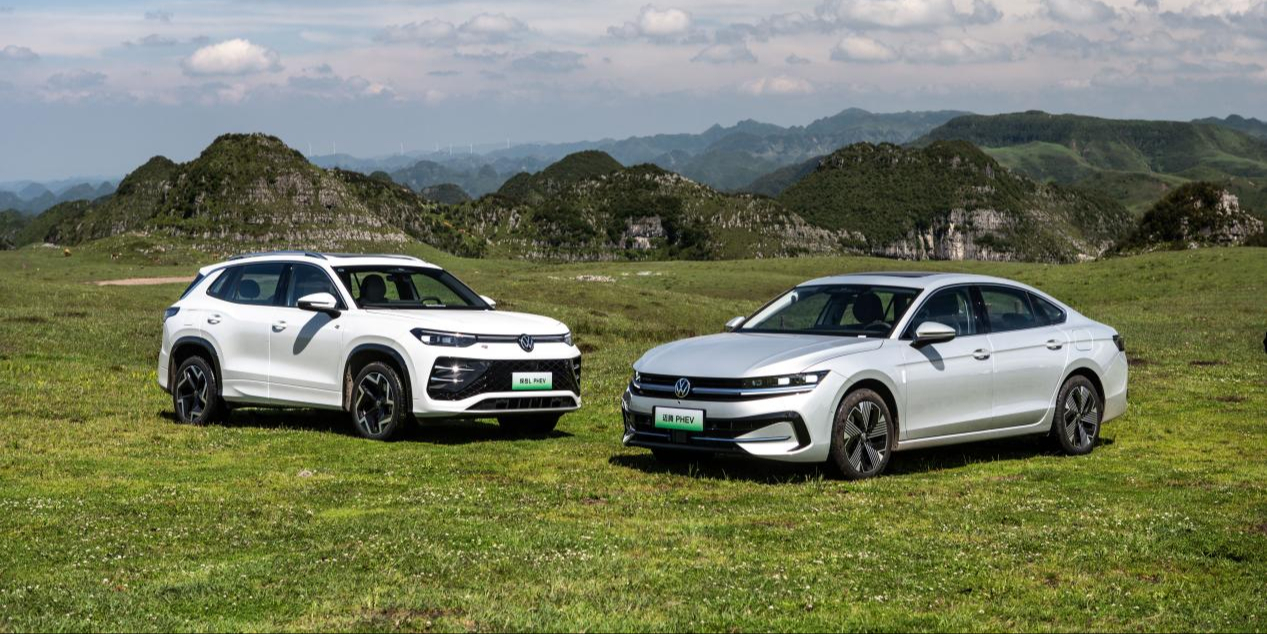
At the same time, after five years of rapid growth, range extender hybrid models are starting to cool down and the market continues to contract. This means that plug-in hybrids with simpler structures, lower costs, and a combination of long range and low fuel consumption are expected to meet more demand for hybrid consumption, and their prospects remain broad. This also explains why, in the current domestic plug-in hybrid market bidding farewell to wild growth, there are still many car companies intensively launching plug-in hybrid new cars - FAW Volkswagen is one of them. On June 25th, the Magotan PHEV and Tanyue LPHEV were officially launched, with the Magotan PHEV priced between 169900 and 194900 yuan and the Tanyue LPHEV priced between 169900 and 181900 yuan.
It cannot be avoided that the current hot selling models in the plug-in hybrid market are mainly domestic brands with uneven product quality. User complaints continue to rise, highly concentrated on four major pain points - high-speed power loss, fuel consumption false labeling, weak power supply, winter range attenuation, and poor long-term reliability. Consumers are trapped in a dilemma of choice, and the industry urgently needs new benchmarks to rebuild confidence. So, can the Magotan PHEV and Tanyue LPHEV from the "big factory" FAW Volkswagen take on this responsibility?
Sincerity from 'big factories'
Chinese users have complex emotions towards plug-in hybrid models: they enjoy the convenience of no range anxiety and low fuel consumption, but also have to face many practical pain points. Faced with these pain points, FAW Volkswagen's dual PHEV equipped with golden hybrid technology has come up with a systematic solution.
Firstly, the pain point for users in terms of energy efficiency is that some car companies only stack batteries on their products to extend pure electric range, but the technology content of the hybrid system itself is insufficient, resulting in poor fuel economy under low battery conditions. In response to this pain point, FAW Volkswagen PHEV models have responded with golden hybrid technology. Volkswagen refers to this powertrain as the 'Golden 2.0 Super Hybrid', which is unique not in terms of technological complexity, but in its system level collaborative efficiency. The combination of EA211EVOII hybrid engine and TQ251 hybrid gearbox forms a compact and efficient multi in one coaxial hybrid architecture. The mechanical transmission efficiency of the gearbox exceeds 97%, and the energy loss from the engine to the wheels is less than 3%, ranking among the top tier of hybrid gearboxes in the industry.
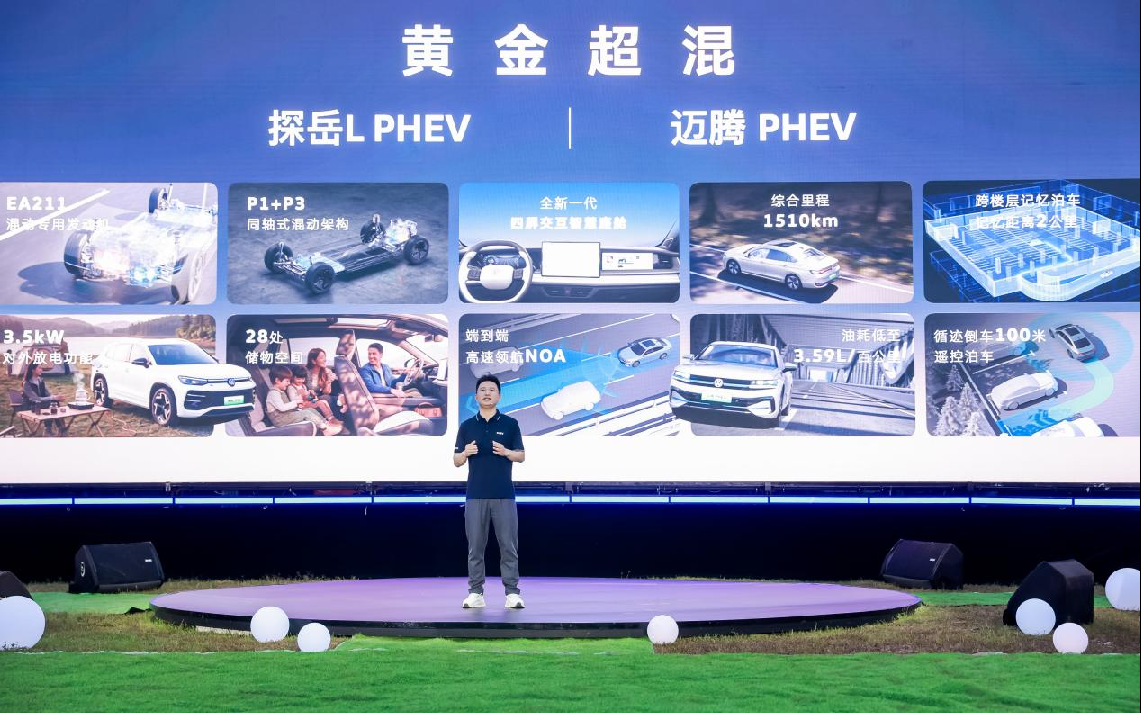
The other meaning of the word "gold" is that it breaks the inherent impression of "a dragon with electricity, a worm without electricity" in plug-in hybrids. The Magotan PHEV has a fuel consumption of as low as 3.59L per 100 kilometers, while the Tanyue LPHEV has a fuel consumption of as low as 3.9L. Even if the battery is depleted, the energy consumption is still much lower than that of fuel vehicles in the same class. More noteworthy is that this system can refuel 92 octane gasoline, significantly reducing users' daily usage costs and selection barriers.
In terms of battery life, consumers of plug-in hybrid models often hope that the battery life is long enough and the replenishment is fast enough to meet diversified driving scenarios. The FAW Volkswagen PHEV model adopts a dual electric full range ultra hybrid architecture. Under CLTC conditions, the pure electric range of the Magotan PHEV is 162km, and the comprehensive range is 1510km; The pure electric range of the Tanyue LPHEV is 145km, and the comprehensive range is 1439km (pro), which can achieve "easy driving in Beijing and Shanghai with one tank of gas, two months of commuting without refueling". Specifically, the new car is equipped with a high-performance 5-proof battery that supports up to 50kW DC fast charging, significantly reducing the waiting time for energy replenishment.
In terms of driving control, plug-in hybrid models have long had a "congenital flaw" in the driving experience: due to the lack of precise coordination in the power switching between the engine, motor, and gearbox, the vehicle often experiences power interruption or abrupt intervention when switching between pure electric and hybrid modes, manifested as acceleration jerks, obvious drag and drop during deceleration, and passengers are particularly prone to motion sickness. In response to this issue, the FAW Volkswagen dual car PHEV has achieved seamless switching between four modes: pure electric, series, parallel, and energy recovery through an intelligent control system. On this basis, the dual-mode recovery control makes the coasting deceleration linear and smooth like a gasoline car, and the anti dizziness coasting control system can actively recognize the driving intention, intelligently adjust the energy recovery force, and greatly reduce the pitch sensation caused by frequent braking.
From the golden driving control of EA888+DSG in the era of fuel vehicles, to the current P1+P3 coaxial dual motor architecture, FAW Volkswagen has continued the German smooth chassis tuning and powertrain calibration experience in the hybrid era, allowing plug-in hybrid vehicles to truly combine the quiet and smooth driving experience of electric vehicles with worry free fuel vehicle range.
In addition, consumers have two concerns about plug-in hybrid models in the past: firstly, they are not as intelligent as pure electric vehicles, and secondly, the pace of intelligence of joint venture brands is relatively slow. The arrival of FAW Volkswagen dual PHEVs is completely dispelling these doubts.
In terms of intelligence, the two new cars are equipped with the Xingyun Intelligent Driving Assistance System, which has developed a high-speed NOA function within a speed of 120km/h for Chinese road conditions. It covers end-to-end navigation assistance for highways and expressways, and can achieve full scene capabilities such as lane change assistance, avoidance assistance, traffic light recognition and start stop, ramp passage, and emergency congestion response. Both new cars are equipped with multiple intelligent parking functions, supporting 2-kilometer cross floor memory parking that is leading in the same class. They can store 15 routes and adapt to various scenarios. They have precise narrow parking in and out, mobile remote parking, and 100 meter tracking and reversing capabilities. They are the first in the industry to recognize and avoid small and suspended obstacles, filling radar detection blind spots and resolving various parking pain points in all aspects. In terms of cabin intelligence, both models are equipped with a new CNS 3.0 intelligent infotainment system, which is equipped with high-performance chips to create a four screen linkage intelligent cabin. The driver and co driver can receive differentiated information and entertainment services. At the same time, it is equipped with practical features such as an immersive audio cockpit, wireless fast charging, remote vehicle control, and seamless boarding, enhancing the convenience and comfort experience of daily travel.
On the quality level, in terms of battery safety, which consumers are most concerned about, the two new cars have built a high-performance "5-proof" battery system - anti-collision, anti leakage, anti-corrosion, anti self ignition, and anti scratch bottom, forming a 5-layer three-dimensional protection from the inside out. In terms of overall vehicle quality, FAW Volkswagen also strictly adheres to the global standard system.
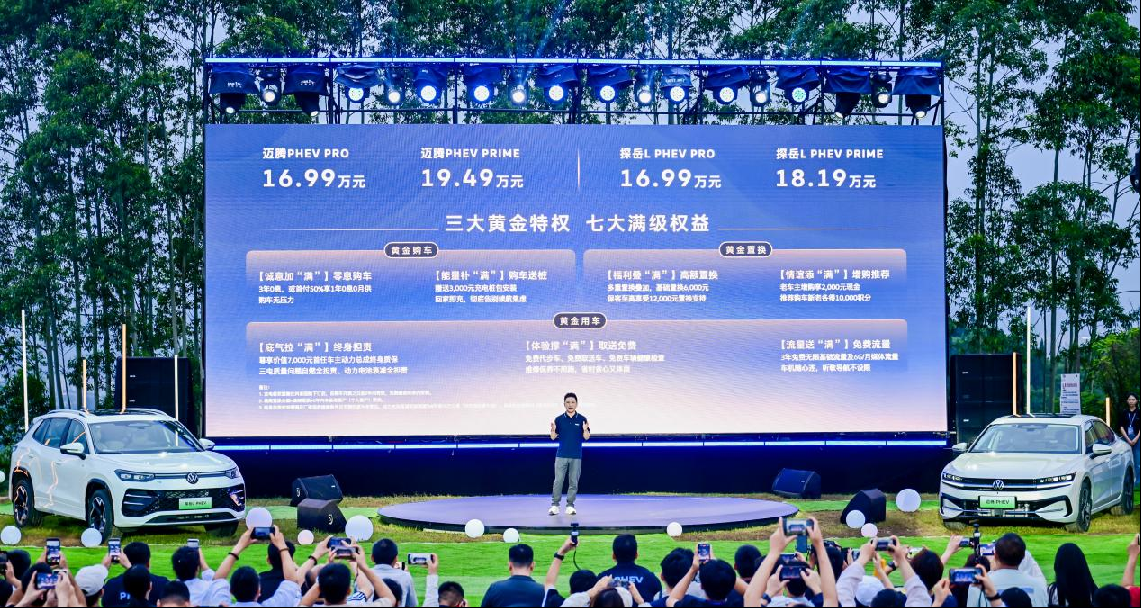
Sincerity is not limited to products. FAW Volkswagen has also launched multiple purchase rights for dual PHEVs, such as 3-year zero interest or 50% down payment for 1-year zero interest monthly payment, a complimentary 3000 yuan charging pile installation package, and a maximum 12000 yuan exchange subsidy. In addition, old car owners can enjoy a cash subsidy of 2000 yuan for additional purchases, and the first car's main powertrain can enjoy a lifetime warranty worth 7000 yuan. They will also receive 3 years of free unlimited basic data, as well as free services such as commuting, pick-up and drop off, and vehicle health checks.
Reshaping the plug-in hybrid market landscape
The current pattern of the domestic plug-in hybrid market can be summarized as: independent leadership, joint ventures under pressure.
According to data from the China Association of Automobile Manufacturers, among the top 20 plug-in hybrid vehicle sales rankings from January to May 2026, 19 were domestic brand models, with only Buick GL8 PHEV barely making it to the 19th place. Among the 28 models with cumulative sales exceeding 10000, there are only 4 joint venture models - Buick GL8 PHEV, Volvo XC70, Buick Zhijing E7, Nissan N6, all of which rank last.
The reasons for this pattern are multifaceted: for a long period of time, joint venture brands were considered relatively backward in electrification and intelligence, and the moat established in the era of fuel vehicles with technological and brand advantages was disintegrated by rapidly rising domestic brands in the era of new energy. In addition, starting from 2026, the new energy purchase tax will be reduced from full exemption to half collection, and the threshold for plug-in hybrid pure electric range will be raised from 43 kilometers to 100 kilometers. A batch of short range plug-in hybrids will be blocked from the policy.
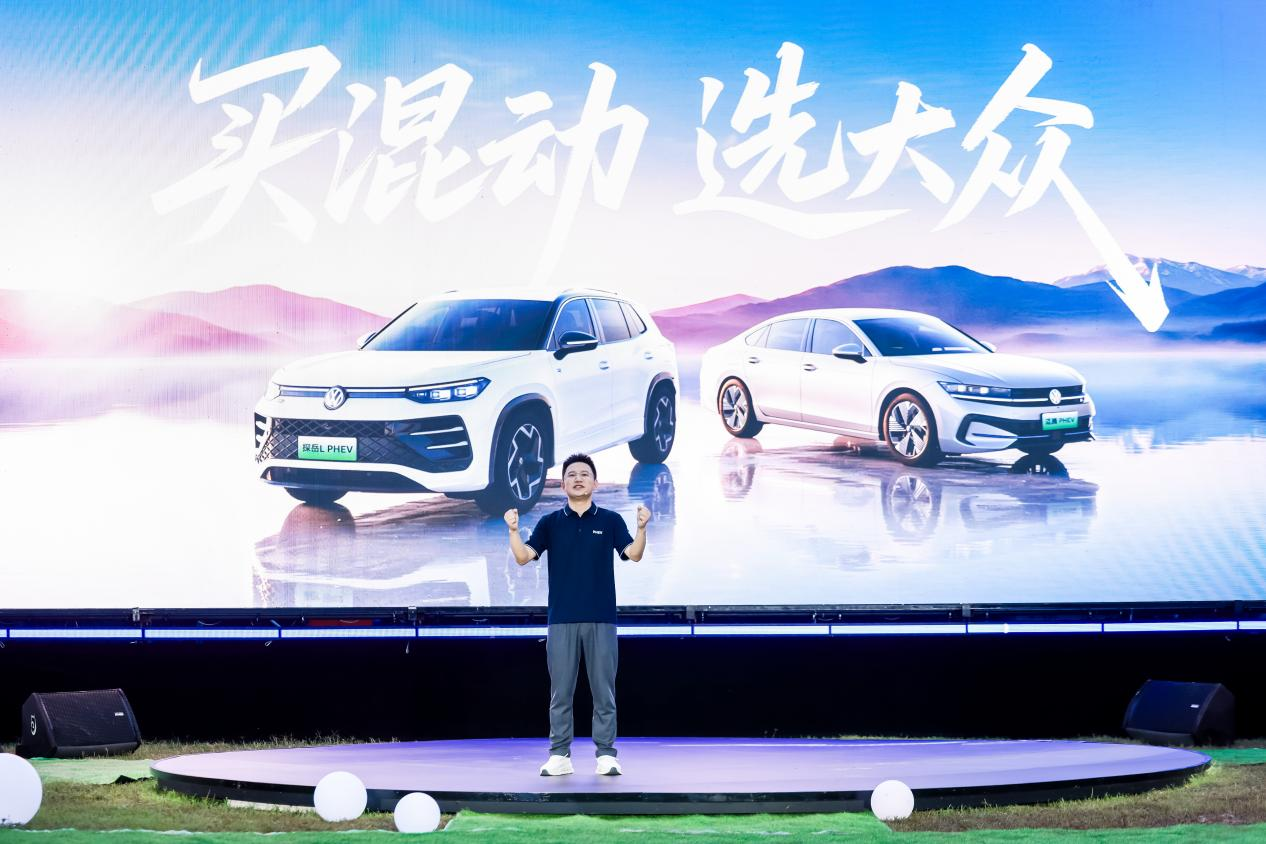
But the pattern is not static. Some top joint venture brands are taking the initiative to launch a combination of punches, and the FAW Volkswagen dual PHEV is the product pioneer of joint venture brands. In the process of breaking through, its unique competitive advantages are mainly reflected in several aspects.
Firstly, the endorsement of Volkswagen's brand and quality. In an era full of uncertainty, consumers crave the stable sense of certainty provided by big companies. FAW Volkswagen will sell 1.587 million complete vehicles in 2025, ranking first in sales for the joint venture brand. The market share of fuel vehicles will grow by 0.9 percentage points against the trend. This scale and reputation are trust assets that no new force can replicate in the short term. With the launch of the FAW Volkswagen dual PHEV, FAW Volkswagen is shifting its quality control system accumulated in the fuel era to new energy products.
Secondly, Volkswagen is not a novice in the field of plug-in hybrids and has a deep technical accumulation. Since 2019, FAW Volkswagen has successively launched the Magotan GTE and Tanyue GTE based on the P2 architecture. But at that time, the P2 single motor scheme was limited by its structure, and the power output of the motor had to go through a dual clutch gearbox, with the engine still the main power source. The biggest technological change of this dual PHEV is the comprehensive upgrade of the power architecture from P2 single motor to P1+P3 coaxial dual motor architecture. The EA2111.5TEVO II hybrid engine is deeply matched with the TQ251 hybrid gearbox, resulting in lower losses and achieving a completely transformed technological leap.
Thirdly, the pricing strategy should be implemented in one step. The new car breaks the industry inertia of joint venture brands being priced higher than domestic brands. The starting price of the PRO version of the two cars is 169900 yuan, the PHEVPRIME version of the Magotan is 194900 yuan, and the LPHEVPRIME version of the Tanyue is 181900 yuan. Compared with the previous pre-sale starting price of 174900 yuan, it further drops and directly enters the core area where B-class sedans and mid size SUVs compete fiercely.
In addition, the two models launched this time greatly strengthen the intelligent shortcomings of the joint venture brand, and have fully aligned with the mainstream industry level in both intelligent driving and cockpit dimensions. Its core hardware - Zhuoyu inertial navigation binocular ™ The stereo vision system, combined with end-to-end large models and binocular enhanced OCC algorithm, has a detection line of sight of up to 212 meters and can recognize special objects such as tricycles and cones unique to China's transportation environment, making assisted driving "daring and easy to use". The all-new CNS3.0 intelligent interactive car system is equipped with Qualcomm 8155 chip and four screen interactive display.
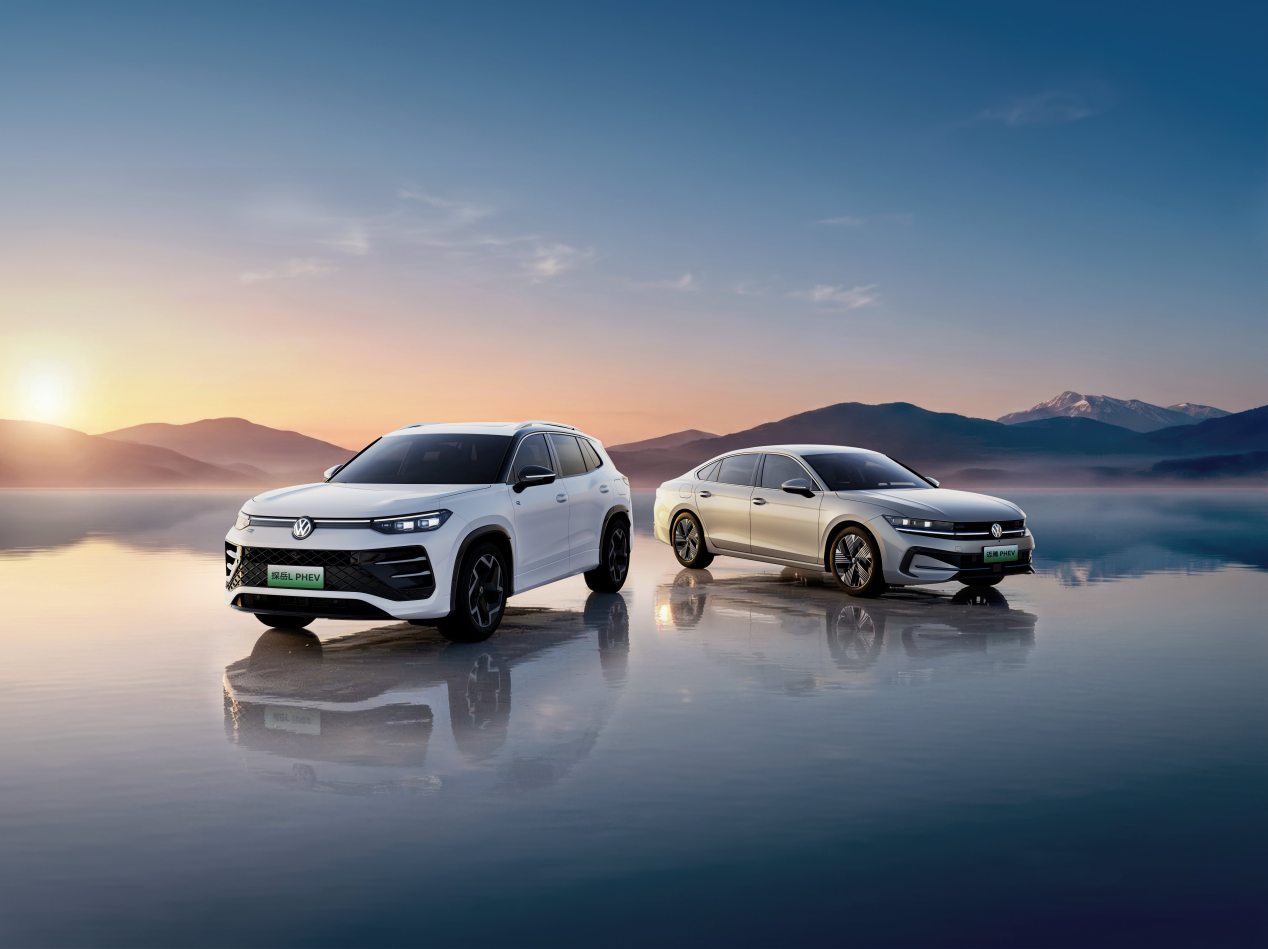
Overall, the core competitive logic of FAW Volkswagen's dual PHEV is not complicated: to buy a German plug-in hybrid vehicle with both energy efficiency and intelligence at full levels with the budget of a gasoline car of the same class. In the past, consumers had to make a trade-off between "fuel efficiency" and "reliability", choosing between "smart experience" and "joint venture brand" - this compromise of either or was broken in the Passat PHEV and Tanyue LPHEV.
From a strategic perspective, FAW Volkswagen is currently accelerating its transformation towards electric intelligence. Thirteen new car models will be launched throughout 2026, including seven new energy vehicle models, surpassing gasoline vehicles for the first time. The goal is to achieve a sales proportion of around 60% for new energy vehicles by 2030. Starting from the second half of this year, new energy vehicle models will be intensively launched at a pace of 3 to 4 models every six months and 6 to 8 models every year. Whether the Magotan PHEV and the Tanyue LPHEV, as the first batch of products from the planning to the implementation of the "oil electric hybrid all intelligence" strategy, can play the "first shot" well is of symbolic significance.
Summary
In the pattern of domestic brands dominating the plug-in hybrid market and joint venture brands losing their voice for a long time, the arrival of Magotan PHEV and Tanyue LPHEV is not only a product supplement, but also a systematic counterattack launched by FAW Volkswagen in the hybrid track. Their significance is not just about two new cars, but also a clear signal: Volkswagen is starting to take hybrid seriously. For users who are still hesitating between "which hybrid to buy", the balance of choice now has an additional core premium option with significant weight.


 WeChat registration or login