

Economic Observer Follow
2026-06-05 20:28


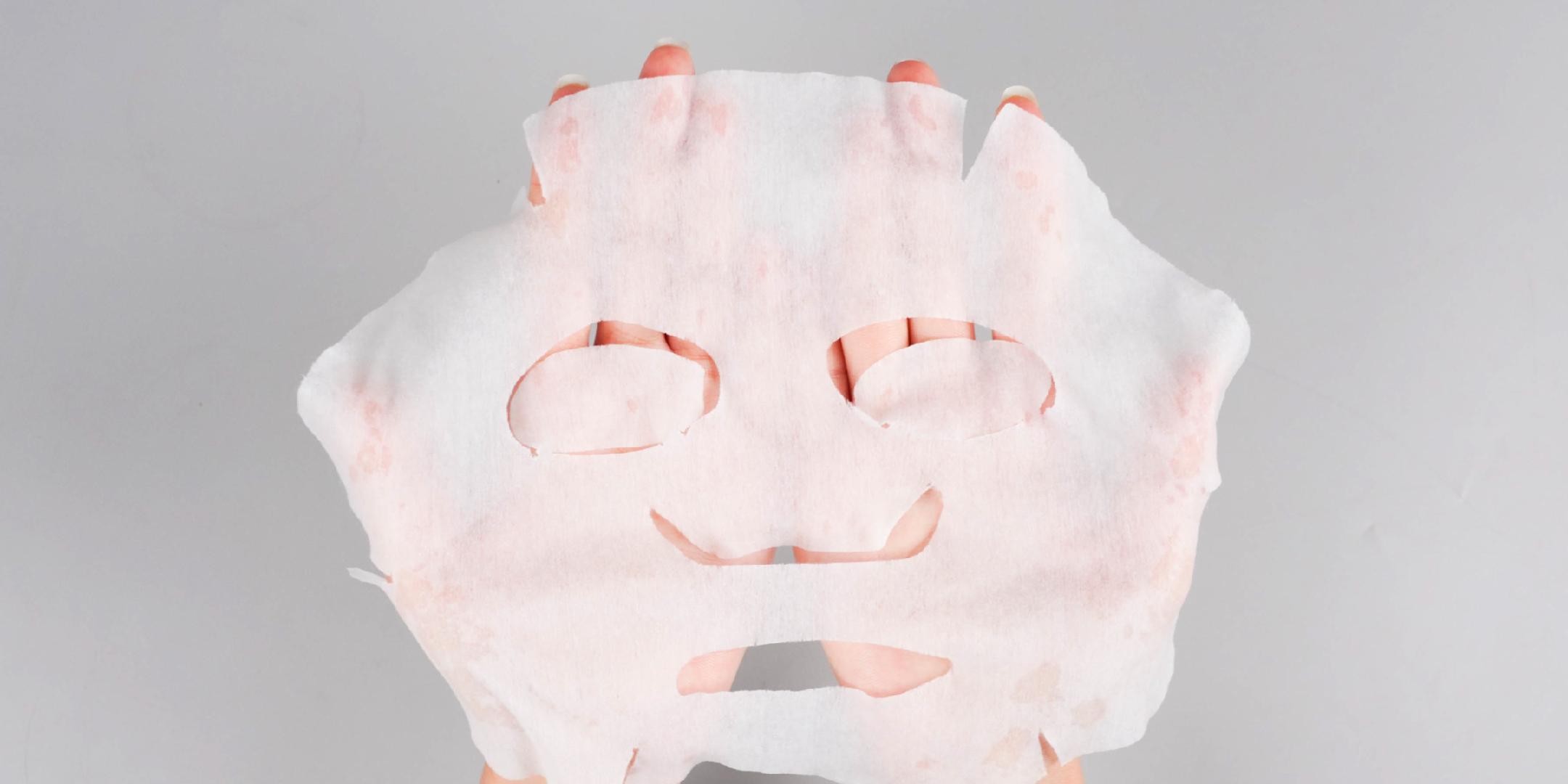
Walk into a community pharmacy near the Third Ring Road in Beijing with an area of less than 20 square meters. When you look up, you can see the shelves facing the store door. There are different brands of "Yimei facial mask". Facing the line of sight is a medical recombinant collagen dressing called Yutong Medical. Similar products also include Yifu Langlang, Meirenyan, UEH and other brands, as well as well-known brands such as Kefu Mei and Fuljia. When asked by the Economic Observer if it was possible to use a personal medical insurance account to purchase these products, the salesperson replied, "I can't use it. I haven't been able to use medical insurance for some time now
A pharmacy clerk a few kilometers away gave the opposite answer. In front of the medical dressing shelf, the salesperson explained that these products can all be paid using the medical insurance personal account. The reporter noticed that the lower left corner of the product label of these facial mask was affixed with the "medical insurance" logo with white characters on a blue background, including the collagen dressing that can be re beautified, and the Jingrun Pearl medical sodium hyaluronate repair film. The clerk said that at present, there is no clear requirement that this kind of facial mask cannot be covered by medical insurance, but will it be excluded from the medical insurance payment in the future and will "wait for notice".
On May 19th, the National Healthcare Security Administration and the Ministry of Finance issued the "Notice on Further Strengthening the Supervision and Management of the Use of Basic Medical Insurance Personal Accounts for Employees of Designated Retail Pharmacies" (hereinafter referred to as the "Notice"), requiring provincial-level healthcare insurance departments to issue a unified whitelist for the payment of medical insurance personal accounts for employees of designated retail pharmacies in the province by the end of September 2026. The notice clearly stated that facial mask cosmetics, health care products, toothpaste, toothbrush, dental floss, contact lenses, massage equipment and other equipment and consumables with low medical added value, which are mainly used in daily life, should not be included in the white list.
Half a month after the policy was released, reporters visited multiple pharmacies in Beijing and asked a total of 20 pharmacies in Qingdao, Guangzhou, Chengdu, Shanghai, and other places as consumers. It was found that there were significant differences in the terminal implementation of pharmacies using medical insurance accounts to purchase medical dressings. Among the 20 pharmacies sampled by reporters, about 60% of them were unable to sell medical dressings through medical insurance accounts.
In the past two years, many local cosmetics brands have regarded OTC channels (over-the-counter drug channels or pharmacy channels) as a new increment, and pharmacies have become a key track for their layout.
Wu Yapeng, who has been operating a pharmacy for nearly 30 years and has multiple chain pharmacies in Jiangsu and Zhejiang provinces, told reporters that medical dressings have several sales advantages in the pharmacy channel: firstly, pharmacies provide professional scenarios for products; Secondly, store clerks can make product recommendations around scenarios such as postoperative repair and sensitive skin repair; Thirdly, in the past, some stores supported individual payment for medical insurance, which reduced consumers' direct cash expenditures.
What impact will the introduction of this new policy have on the pharmacy sales of medical dressing brands? Does it affect the plans of various brands to increase their OTC channels?
Swipe the medical insurance card to buy facial mask and gradually tighten it
A chain pharmacy located within the Fifth Ring Road in Beijing has signs such as "Medical Equipment," "Personal Care," and "Wheelchair Rental and Sale" hanging outside. This is a chain brand with about 38 stores in Beijing, and the brand has over 34500 super direct and franchise stores nationwide. The salesperson strongly recommends a medical recombinant collagen dressing brand called Yutong Medical, priced at 98 yuan. It is produced in Hunan and labeled with the words "sterile" and "medical collagen" on a red background and white text on the packaging box. The salesperson describes it as "clinically used" and "more effective than Kefu Beauty". When the reporter asked whether it could be paid by medical insurance, the clerk shook his head and said that the facial mask of Class II medical devices could not be covered by medical insurance.
However, in a chain drugstore in Qingdao, the clerk first recommended a brand that is not common in the market, then introduced Kefumei, Fuljia and other brand products, "as long as it is a machine, you can apply Yimei facial mask"; Another pharmacy clerk in Qingdao said that the online e-commerce platform cannot use medical insurance due to system issues, and "you can use it by purchasing in store"; A drugstore clerk in Guangzhou gave a similar reply, "Yimei facial mask cannot be paid online, but can be applied offline".
In pharmacies, these products are often referred to as "medical dressings" and "Class II device facial mask". Previously, the scope of use for employee medical insurance personal accounts was relatively broad, and some places allowed personal accounts to pay for non pharmaceutical products such as health products and personal care items in designated pharmacies. The "medical insurance buys facial mask" shared by many netizens on social media mostly refers to the use of personal account of medical insurance to pay for "Yimei facial mask".
According to the above notice requirements, provincial medical insurance departments need to introduce a unified whitelist system for the whole province by the end of September, resulting in varying implementation progress in different regions. A chain pharmacy in Shanghai mentioned that several mainstream facial mask of medical dressings were removed from the medical insurance list last year; A pharmacy clerk in Qingdao admitted that "medical insurance was still available in April this year, but it is no longer allowed".
Wu Yapeng told the Economic Observer that there are differences in communication among pharmacies, which are related to the management of chain headquarters, updates to the cash register system, and the pace of store execution. Large chain pharmacies usually respond faster.
High gross profit products
During visits to Beijing, Qingdao, Chengdu and other places, reporters saw that medical dressing shelves were very prominent in some pharmacies, some facing the entrance, some occupying a five story shelf about one meter wide on one side of the entrance, and some placed together with other medical equipment and personal care products. Some store clerks will prioritize recommending niche brands and attract consumers with activities such as "buy one get one free" and "25% off two items".
When asked about the sales of different brands of medical dressings, some store clerks also mentioned these niche brands first, saying that they "sell very well, some people buy five or ten sets at once". Reporters found that most pharmacies do not prioritize recommending well-known brands such as Kefumi and Winona, but instead focus on promoting medical dressing products with lower prices and less heard of by consumers. The explanation given by a pharmacy clerk in Beijing is that the recommended product is "not advertised and sold at a lower price" than Kefumi.
Wu Yapeng believes that pharmacies are willing to recommend some unknown brands, which are directly linked to the pharmacy's profit income. The prices of common drugs are highly transparent, and most drugs have meager profits, while non pharmaceutical categories such as medical dressings usually have better profit margins. He said that some pharmacies place medical dressings in prominent positions precisely because these products can contribute to higher gross profits.
It is worth noting that the frequent use of "Yimei facial mask", "mechanical facial mask" and other sales scripts by pharmacy salespersons does not mean that medical dressings can be simply understood as "facial mask". In the article Cosmetics Science Popularization: Watch out for the Consumption Trap of facial mask published by the State Drug Administration in January 2020, it is mentioned that the so-called "mechanical facial mask" is actually a medical dressing and belongs to the category of medical devices. Medical dressings can come into direct or indirect contact with wounds, and have medical functions such as absorbing wound exudate, supporting organs, preventing adhesions, or providing a suitable environment for wound healing. According to the relevant requirements of medical device management, the naming of medical dressings shall not contain the words such as "beauty" and "health care". Therefore, there is no concept of "machine size facial mask", and medical device products cannot use "facial mask" as their name.
What is the impact on the brand
Winona under Betainy (300957. SZ) and Kefumi under Juzi Biotech (02367. HK) are among the earliest domestic beauty companies to explore OTC channels. According to the White Paper on the Trend of Functional Skincare Products in Chinese Retail Pharmacies, Winona began to lay out in 2016, and its OTC channel sales have approached 1 billion yuan by 2023; In the same year, the OTC channel sales of Kefumi reached 467 million yuan, accounting for over 60% of the market share of this channel together with Winona.
According to the Economic Observer, more than six local cosmetics companies announced their entry into the OTC channel in 2025. Prior to this, there were no more than three top cosmetics brands in this channel.
Regarding the impact of the whitelist system on brands, Juzi Biotechnology told Economic Observer on June 4th that it believes the pharmacy channel is still one of the key directions for the company's offline layout. Beteini stated that it has conducted a careful evaluation of the policy and they have determined that the policy does not have a substantial impact on the operating fundamentals of the company and its Winona brand. It is also stated that Winona's products in OTC channels do not involve personal medical insurance account payments, and sales are completed through market-oriented methods such as cash, bank cards, and mobile payments, without relying on medical insurance payments.
The brand also emphasizes that the advantage of pharmacies lies in professional scenarios, rather than payment methods. Bettany told the Economic Observer that Winona launched medical repair dressings, secondary essence throwing, postoperative repair paste dressings and other products to provide a richer professional product portfolio for OTC channels and meet the diversified skin health needs of consumers, rather than pursuing medical insurance payment eligibility. At present, Betainy's main promotion on OTC channels is the "makeup equipment alliance" model, which covers consumers' full scene skincare needs through the combination of "makeup brand" and "equipment brand". The core value of this model lies in providing differentiated professional categories for pharmacies, improving customer unit price and repurchase rate, rather than relying on medical insurance payment to drive sales.
After the announcement of the National Medical Insurance Administration on May 19th, Fu Erjia (301371. SZ) also replied on its investor Q&A platform on May 21st that it is not yet clear whether the company's medical device dressing products can be included in the whitelist of individual medical insurance accounts at various provincial levels. The whitelist mainly affects consumers' payment methods and has no substantial impact on whether the company's products can be sold through OTC channels.
At present, the OTC channel has a relatively low contribution to Fuerjia's revenue, with approximately 5% and 6% in the first quarter of 2025 and 2026, respectively. The company stated that although its OTC channel coverage in the industry is at a low level, it will continue to improve its sales system and increase its layout in OTC channels.
Juzi Biotechnology also recognizes the professional endorsement role of pharmacy channels. On June 4th, Juzi Biotechnology told Economic Observer that the core value of OTC channels lies in their professional and medical attributes, which match Juzi Biotechnology's technology driven professional brand positioning. Consumers have more trust when purchasing products at pharmacies, and offline pharmacy outlets can help consumers solve urgent needs.


Commercial aerospace companies collectively sprint for IPO

Xiaoma Zhixing responds to the unmanned car collision accident: no injuries were caused, and has proactively reported to the traffic management department and contacted the car owner

Tide Point Research Institute | The World Cup has not yet started, and the "war" among brands has already heated up


 WeChat registration or login


 Subscribe
