2026-02-27 12:46


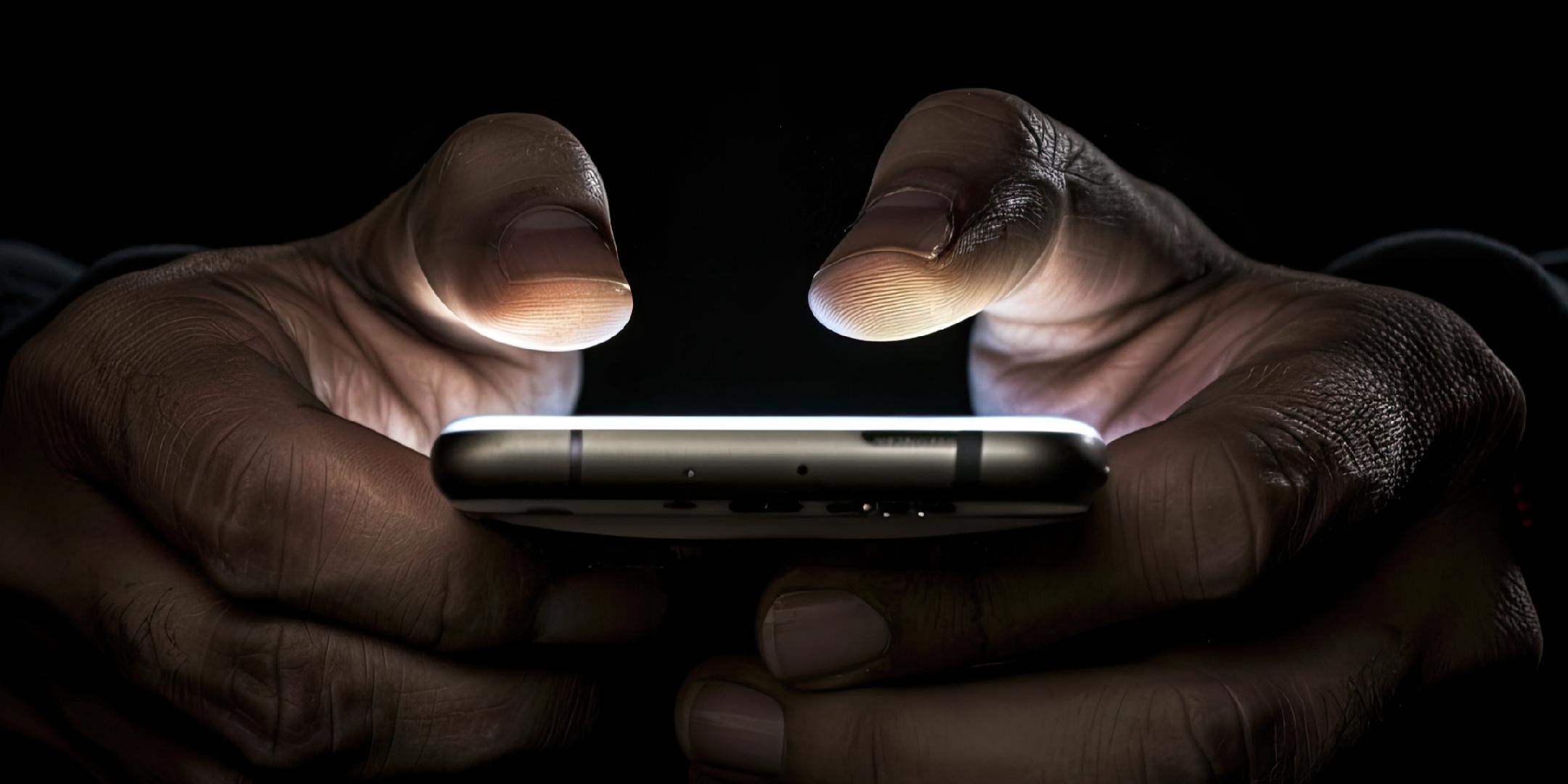
The long-standing mobile phone manufacturer Meizu, which was once favored by Lei Jun, has lost its charm due to overdue supply chain payments, executive resignations, and employee turnover.
On February 26th, a news caused a huge uproar in the technology industry and consumer groups - Meizu's mobile phone business has entered a substantial shutdown state and will be officially delisted in March 2026. This news is like a giant rock thrown into a calm lake, stirring up waves and making people feel sorry for this once glorious mobile phone brand.
At the same time, the Meizu 23 series project, which was originally planned to be released by Meizu, has been suspended and the entire team has been laid off. On the morning of the 27th, Meizu released a statement on its official WeChat account in response to recent issues such as the shutdown of its mobile phone business. Meizu stated that it will temporarily suspend its self-developed hardware projects for new domestic mobile phone products and actively engage with third-party hardware partners, while its existing business will not be affected in any way.
In recent years, the competition in the domestic mobile phone market has been extremely fierce, and many brands have chosen to strategically shrink. Although there are many difficulties, we still strive to maintain the normal iteration of Meizu phones. However, the continuous surge in memory prices in recent years has made the normal commercialization of new products impossible, "Meizu said.
Various signs indicate that the decline of Meizu's mobile phone business has become an undeniable fact.
Looking back at the development history of Meizu, it can be said to be full of legendary colors. It was founded in 2003 and was once the leader in the domestic music player market. In 2007, Meizu released its first smartphone, the M8.
The launch of Meizu M8 marks Meizu's successful transition from the MP3 player field to the smartphone industry. This phone quickly won the love of consumers with its unique design and excellent performance, laying a solid foundation for Meizu in the smartphone market.
Even Lei Jun was attracted by Meizu phones. According to "The Legend of Lei Jun", in the first half of 2009, Lei Jun praised Meizu's innovation and humanization whenever he met people, and even took out the M8 for a live roadshow with friends at a dinner party. Lei Jun even flew to Zhuhai twice with partner Lin Bin to visit Meizu founder Huang Zhang, not only suggesting that Meizu embrace the Android system, but also attempting to enter the market as an angel investor.
But the result was that Lei Jun built his own Xiaomi empire after failing to facilitate cooperation, while Meizu began its own decline, falling into a long strategic swing and the curse of being small and beautiful in the following years. With the increasingly fierce market competition and the rapid rise of brands such as Huawei and Xiaomi, Meizu's market share is gradually being squeezed.
In 2014, under the promotion of former Meizu Senior Vice President Li Nan, Meizu established the brand Meizu Blue, which focuses on "youth quality products". But Meizu Blue has not received enough attention within Meizu, and the effect is not ideal. In 2016, Meizu internally believed that it could not blindly pursue sales, but should focus on high-end and profit oriented products. Afterwards, Meizu began to learn from "OV" (OPPO and vivo), attempting to leverage its brand and channel capabilities that reached 20 million sales in 2015, quickly cover offline channels with machine sea tactics, expand its scale, while compressing product costs and obtaining greater profits with high offline premiums.
Meizu's decline stems from the failure to seize opportunities during the most critical period of China's smartphone transformation and upgrading, and the chaotic competitive strategy has dragged down the overall development pace. Financial writer Yu Sheng summarized Meizu's loss in "Mobile War": in 2015, he closely followed Xiaomi to engage in a "Meizu Blue" price war, in 2016, he learned "OV" tactics to compete for offline phones, and in 2017, he turned to Huawei to start a business phone.
Especially the offline competition with "OV" has greatly damaged Meizu's vitality. Analysis suggests that channel expansion has brought greater cost pressure to Meizu, but it has not resulted in the expected sales volume, which has become the root cause of Meizu's ultimate stall. With the increasingly fixed pattern of Apple and "Huami OV Rong" in the Chinese mobile phone market, Meizu has gradually become a peripheral manufacturer.
In 2018, Meizu proposed the "exquisite and unique" strategy, attempting to return to the "small and beautiful" style, but no one bought it anymore. That year, sales were only 5.51 million units, a sharp drop of 74%. The competition in the mobile phone market entered the stage of deep customization and independent chip manufacturing ten years ago. Meizu fell behind the tide of the times, and being swallowed up by the tide became inevitable, "said industry analyst Zhang Shule.
In 2022, Xingji Era, a subsidiary of Geely Holding Group, acquired Zhuhai Meizu Technology and established Xingji Meizu Group. At that time, the outside world once believed that with the backing of wealthy automotive giants, Meizu phones may usher in a rebirth. After the acquisition, Meizu successively launched new phone series such as Meizu 20 and Meizu 21, attempting to regain its presence on the forgotten edge of the market.
At that time, Xingji Meizu proposed the goal of "returning to the top 5 in the mid to high end mobile phone market within three years" and recruited several mobile phone industry executives in an attempt to revive Meizu's mobile phone business. However, despite new capital injections and management adjustments, Meizu's mobile phone business has not been able to reverse its decline. In 2025, Meizu's mobile phone losses will become increasingly severe, and Geely has judged that its losses are too high and decided not to continue investing.
According to data from Omdia, a technology research and consulting firm, Meizu's market share in China will be less than 1% by 2025, indicating no presence at all. At that time, there were rumors that Meizu phones would exit the market.
In January 2026, Wan Zhiqiang, CMO of Starkey Meizu Group in China, stated at an event that the significant increase in memory would have a huge impact on the smartphone business plan, and Meizu 22 Air would cancel its IPO plan. He also revealed at the time that the Meizu 23 would still be released in 2026, but in reality, the project is no longer in substantial progress, confirming previous market rumors.
Last year, there were frequent changes in the company's executives. Several former employees of Starkey Meizu stated that most of their colleagues had resigned last year, and the Starkey Meizu executive team also underwent drastic changes. Since the departure of former CEO Su Jing, several core executives, including COO Liao Qinghong, have left one after another. According to sources close to Meizu, since April last year, many of Meizu's suppliers' payments have been unable to be settled properly, and there are still a large number of outstanding debts that have become bad debts. Meizu's likely outcome is to file for bankruptcy.
It is worth noting that although Meizu's mobile phone business is about to be delisted, its FlymeAuto car phone business will operate independently. It is reported that FlymeAuto is an intelligent cockpit operating system launched by Meizu, which has been favored by some car companies due to its simplicity, ease of use, and powerful features. At present, Geely's Jike Automobile and other brands have adopted the FlymeAuto car system, and it is expected that more car companies will cooperate with Meizu in this regard in the future.
In addition, there are reports that the Meizu brand may continue to remain within the Geely system, and a small number of employees have been transferred. At present, there are still over 1000 employees in the Feishu group of Xingji Meizu, but many have resigned, and a small number of employees have transferred to Jike Motors within the Geely system. Although Meizu's mobile phone business is about to come to an end, Meizu's brand and technology will still be inherited and developed to a certain extent.
Some analysts believe that the decline of Meizu's mobile phone business is the result of multiple factors working together. In terms of product innovation, Meizu's pace is relatively slow and has failed to keep up with market trends in a timely manner; In terms of marketing strategy, Meizu has also failed to effectively attract consumers' attention. In addition, Meizu also has some shortcomings in supply chain management, channel construction, and other aspects, which have constrained Meizu's development.
The delisting of Meizu phones has brought profound enlightenment: in the fiercely competitive market environment, enterprises must constantly innovate and enhance their core competitiveness in order to stand invincible in the fierce competition. At the same time, strategic planning and decision-making for enterprises are also crucial. Once mistakes occur, they may miss out on opportunities for development.
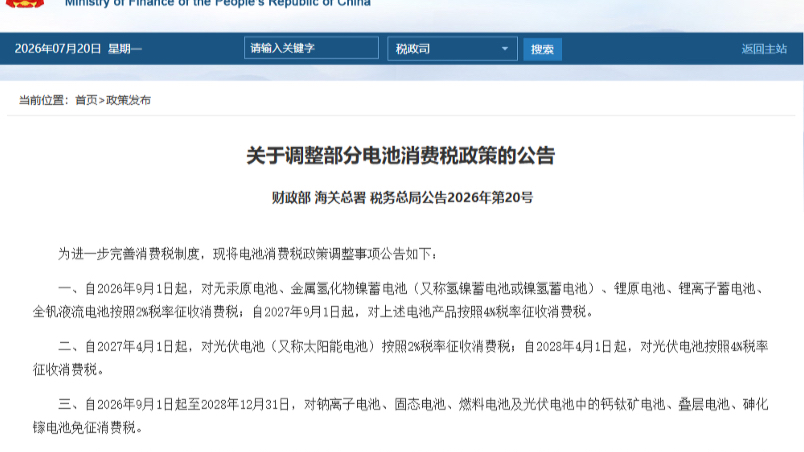
Is the 27 month tax-free window for solid-state batteries an expansion opportunity or a countdown to cost reduction?

Sinian Intelligent Driving has completed a 300 million yuan Series C financing, and the popularity of the autonomous driving heavy-duty truck track is rising. Unmanned truck collection in ports and mining areas has already made profits
The probability of implementing incremental policies in August and September is relatively high


 WeChat registration or login



 Subscribe