2026-11-20 15:24

The price range of 100000 to 150000 yuan is the main price band in the Chinese car market and also one of the most sensitive price ranges for buyers. Many people are buying a car for the first time and will go to three stores for a price difference of one thousand yuan, which can also be calculated as the monthly electricity bill. I usually commute by car alone, take the elderly and children out on weekends, and on holidays, I may have to travel hundreds of kilometers back to my hometown.
This price range is also the key to the popularization of assisted driving. With the gradual adoption of domestically produced sensors and large model algorithms, the trend of intelligent driving sinking has become clear. However, for a long time, buyers wanted a more complete set of assisted driving systems, but still had to upgrade the configuration. Some car models, although equipped with Navigation Assisted Driving (NOA), mainly cover highways and urban expressways. When it comes to mountainous highways or national highways with worn lanes, the system can handle fewer situations.
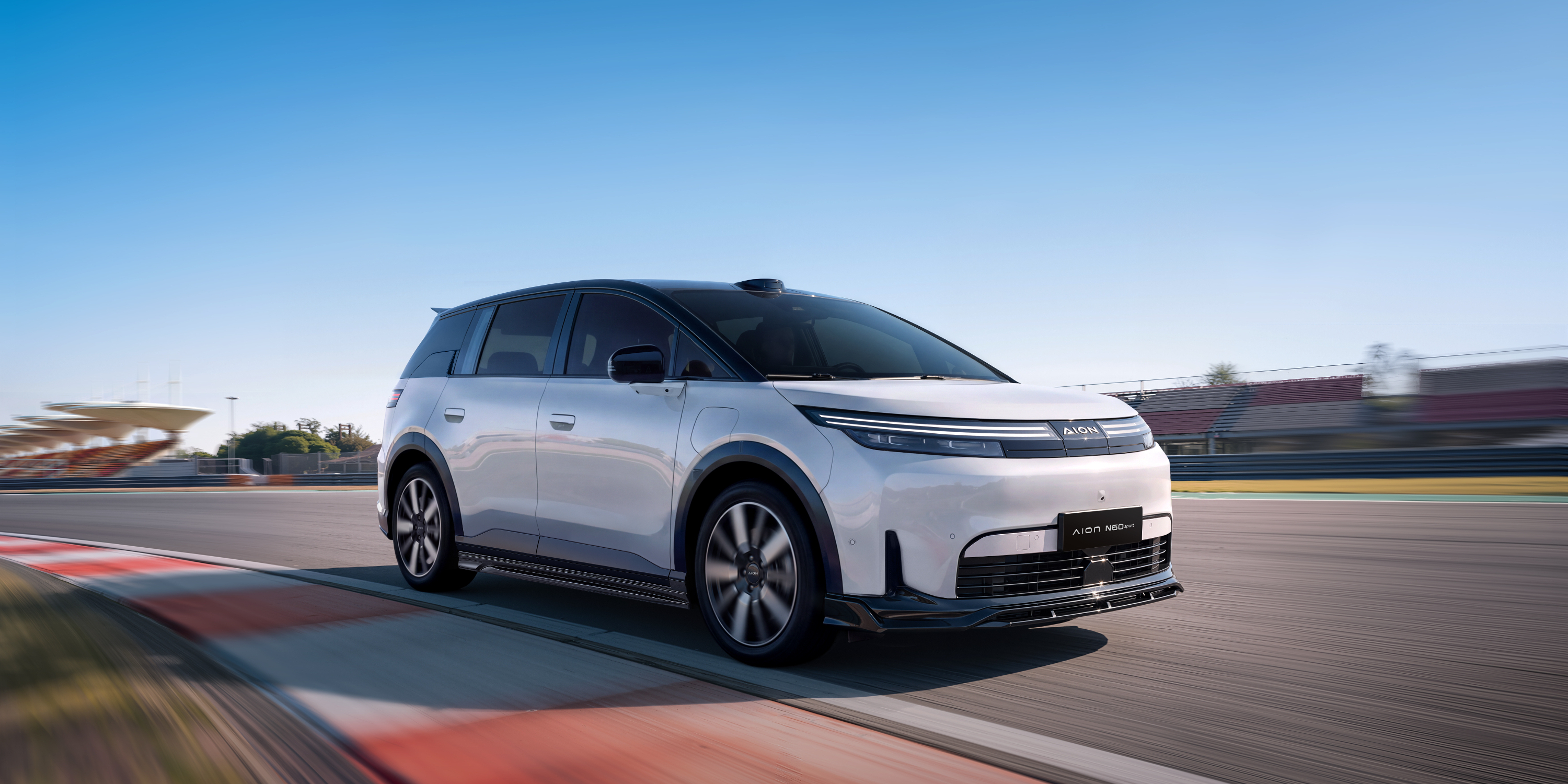
If the budget is stuck at around 120000 yuan and you want to choose a high-end intelligent driving, you have to weigh how much range you can buy and whether the rear seats are spacious enough. The product strategy of the Aion N60 is simple, including laser radar and advanced driver assistance systems as standard across the entire range, and allowing buyers to choose the range according to their travel needs. For a 100000 yuan family SUV, the ability of intelligent driving to run on complex roads and the comfort of the rear seats all need to be included in the same purchase budget.
From mountain roads to urban villages
To determine the effectiveness of a smart driving system, you can first look at how it handles difficult roads. The hanging wall highway has a narrow road surface and dense bends, with one side closely attached to the mountain and the other side facing a cliff. Some road markings are worn out irregularly, and the mountains can easily block the view of oncoming vehicles. When two cars collide in a bend, the moment they begin to slow down and the distance left on each side are all related to whether the cars can pass smoothly.
In the actual test released by Autohome, the Aion N60 can recognize the lane boundary of worn road sections and predict the direction of oncoming vehicles in advance. The vehicle passes corners smoothly and the deceleration is relatively gentle. There were no frequent changes in direction or sudden braking during testing. Most car owners rarely have the opportunity to drive on highways with hanging walls, but winding roads, blurred markings, and blind turns are all road conditions that they may encounter when driving back home.
Another test was conducted during the evening rush hour in Guangzhou's urban villages. Electric vehicles, pedestrians, and temporarily parked trucks are crowded in a two-way two lane alley, leaving little space for vehicles to judge and detour. The Aion N60 has completed this testing route.

In the "Intelligent Driving New North" horizontal evaluation organized by Bilibili, more than 80 models were tested, with prices ranging from 100000 yuan to millions of yuan. The Aion N60 completed the testing route of the horizontal evaluation, with zero takeover throughout the entire process. It also participated in the China Intelligent Driving Competition Guiyang Station, scoring 117.81 points in the preliminaries, out of a total of 120 points, leading by more than 20 points, and continuing this momentum in the finals. Models equipped with the same end-to-end solution have achieved leading results in seven sub stations.
At the launch conference of the Aion N60, Han Xu, CEO of Wenyuan Zhixing, publicly invited a 300000 yuan intelligent driving model for comparison. Listening to it at the press conference, this statement carries a hint of applause. If we really want to compare, how to cross a blind bend on a wall hanging highway, and how to detour around the parking lot in Zhongcun Village during rush hour are all specific scenes that can be compared.
Supporting these actual test performances is the Xingling Zhixing ADiGO GSD 3.0 jointly developed by GAC and Wenyuan Zhixing. The core of this system is a segmented end-to-end model that integrates perception, decision-making, and control into one model. The rule-based assisted driving scheme requires engineers to set rules in advance for different situations, and the rarer the situation, the more difficult it is to cover in advance. The GENESIS world model of Wenyuan Zhixing can batch generate scenes that are difficult to collect on real roads in a virtual environment for model training. The road conditions that are rarely encountered in real cars can be practiced repeatedly in a simulation environment.
Wenyuan Zhixing's Robotaxi has accumulated over 10 million kilometers of real road operation experience. According to relevant technical data, the actual road data used for system development exceeds 40 million kilometers. These road experiences are also used for the development of passenger car assisted driving.
In terms of hardware, the entire series of Aion N60 is equipped with a 192 line LiDAR, with a maximum detection range of 250 meters. Three 4D millimeter wave radars have increased the perception of pitch direction, which can assist in identifying static obstacles and road undulations. In addition to 11 high-definition cameras and 12 ultrasonic radars, the entire vehicle has a total of 27 sensors.
The computing platform uses a single Qualcomm 8650 chip with a computing power of 200 TOPS. According to the technical data of the vehicle model, GAC has optimized the architecture from the underlying software, middleware to the application layer, reducing system latency by 75%. Reducing the time from recognition to action and using a chip to run urban navigation and assist driving can help control the hardware cost of the entire system. All models are equipped with advanced driver assistance, and ultimately this cost hurdle must be overcome.
The safety function has also been calibrated according to different vehicle speeds. According to the vehicle model data, the calibrated speed range of Automatic Emergency Braking (AEB) is 10 to 130 kilometers per hour, covering various working conditions from urban areas to highways. Emergency steering assist (AES) is suitable for working conditions above 60 kilometers per hour. When the vehicle speed is low, the system prioritizes braking to avoid danger and reduce the additional risk of emergency steering.
According to data from the China Association of Automobile Manufacturers, the sales of the Aion N60 have exceeded 10000 units. Wall mounted highways and intelligent driving reviews provide buyers with reasons to test drive in the store. If they really want to pay, they also need to see how the car takes care of their family's daily life.
This Household Account
I bought a family SUV for just over 100000 yuan, and the store asked about intelligent driving. When I went home, they discussed the inconvenience of getting on and off for the elderly and whether the trunk could accommodate the entire family's luggage. How wide the rear doors can be opened and how high the threshold is off the ground, you can almost feel it when picking up an elderly person or carrying a child on the car.
The Aion N60 has a length of 4615 millimeters and a wheelbase of 2775 millimeters. The four wheels are pushed towards the corners as much as possible, and the officially announced interior space utilization rate is 75.3%. The vertical height inside the car is about 1.2 meters. The maximum opening angle of the rear doors is close to 90 degrees, and the threshold is 410 millimeters above the ground. Carrying a child onto the car and helping an elderly person sit down can free up more space for activities, making it easier to take pets out. The regular capacity of the trunk is 447 liters, which can be expanded to 1947 liters when the rear seats are folded down. There is also a storage compartment under the floor.
The chassis is an easily sacrificed part of this price range. The entire series of the Aion N60 comes standard with front MacPherson strut, rear five link independent suspension, and flexible hydraulic bushings. This chassis can filter out some of the fine bumps when driving on the bumpy repair roads in the city. When encountering a winding mountain road with continuous turns, flexible hydraulic bushings can also help control body shaking and alleviate stiff bouncing. Intelligent driving requires smooth steering and deceleration, which also relies on the coordination of the chassis.
When an electric vehicle loses power or brakes with one foot, rear passengers may easily feel pulled back and forth. Encountering traffic lights in the city, stopping and starting, this feeling is constantly compounded. The full scene anti motion sickness system is designed to address the pulling sensation during deceleration.
The cockpit also continues this household concept. The co pilot is equipped with a zero gravity seat, which can be easily adjusted to a lying position with a double 120 degree angle, and can also change positions during long-distance parking breaks. The front seats provide ventilation, heating, massage, memory, and electric adjustment functions. The rear backrest can be infinitely adjusted between 117 degrees and 137 degrees, and the 2.38 square meter panoramic sunroof is equipped with an electric sunshade. Steering wheel heating, 15.6-inch 2.5K central control screen, 6kW external discharge, 50W wireless charging, electric tailgate, and heat pump air conditioning are also included in the configuration table.
Of course, appearance cannot be ignored. The Aion N60 was designed by Ye Baohuan, who had participated in the design of the BMW i8. The quantum star ring light group echoes the front and rear, with a total length of 3600 millimeters. The entire vehicle offers seven exterior colors and three interior colors. The design has some recognition, and the lines are also relatively restrained. When the family goes to the store to see the car, there is still room for negotiation on the color and interior.
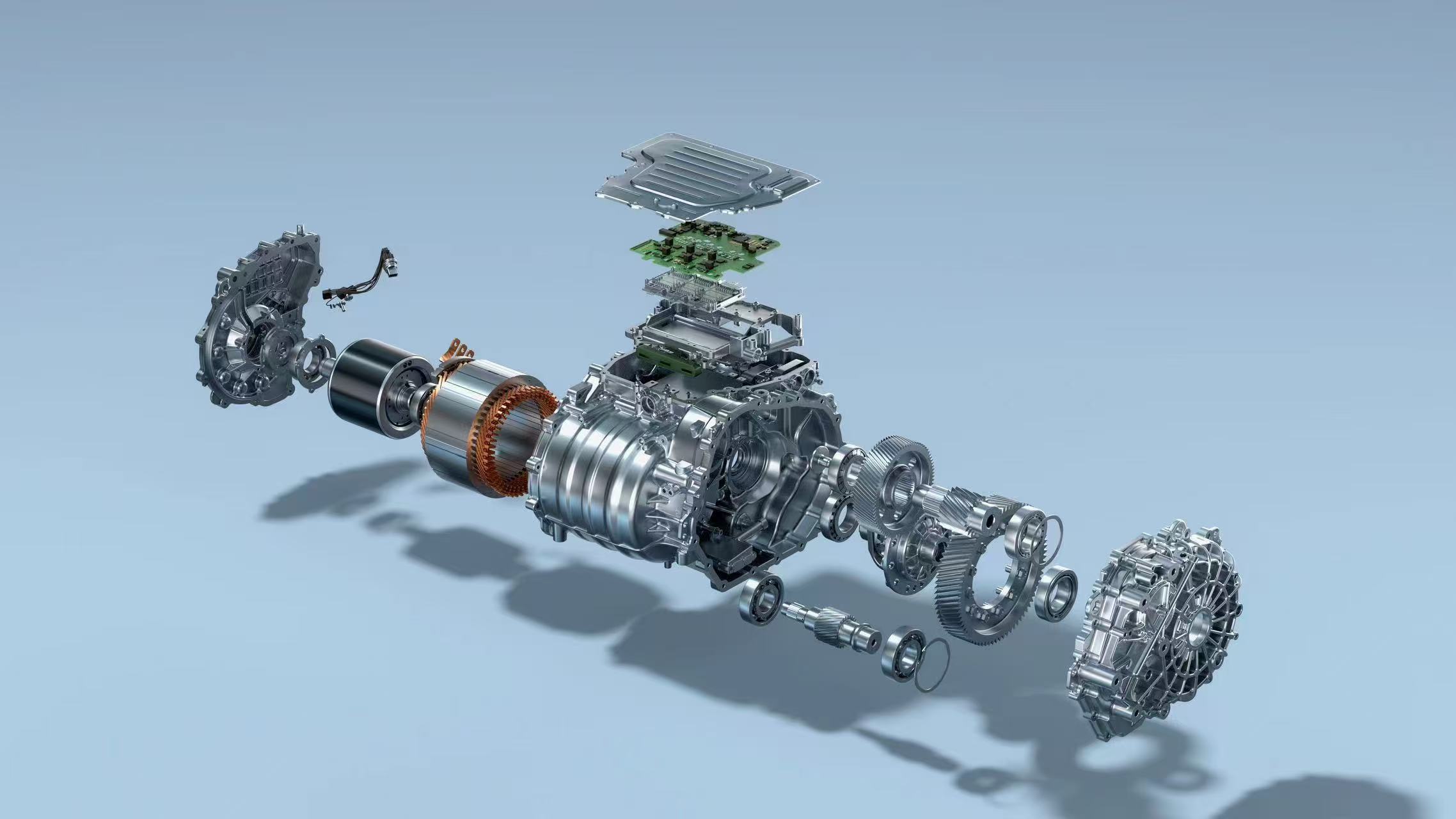
When a family goes on a long journey, in addition to whether they feel comfortable sitting, they also need to consider how far they have driven and how long they have to wait to recharge their batteries on the way. The Aion N60 is equipped with an amorphous alloy electric drive. According to the technical data of the vehicle model, the peak efficiency of the motor is 99%, and the comprehensive efficiency of the electric drive CLTC is 94%. The electronic control adopts 400 volt silicon carbide modules, which have a 71.6% lower loss than IGBT modules. Reducing losses during the power transmission process will ultimately be reflected in the electricity consumption per hundred kilometers. The officially announced CLTC operating condition has a power consumption of 11.7 kilowatt hours per 100 kilometers. For people who drive to and from work every day, this data is related to how much electricity they need to spend each month.
The Aion N60 offers three CLTC range versions: 410 kilometers, 510 kilometers, and 610 kilometers. The commuting distance is fixed and charging is convenient, which can be selected based on the daily mileage. Frequent cross city or holiday driving on highways can also affect the decision regarding charging conditions and replenishment time. According to official data, it takes 23 minutes to charge the battery from 30% to 80% during fast charging. Running a long distance to the highway service area to rest, how much electricity to replenish, how long to wait, and there is also a balance to be calculated before departure.
Another factor to consider when buying a tram is the reliability and warranty of the battery, which needs to be evaluated in a few years. The Aion N60 is equipped with a magazine battery 2.0. According to the brand's published data, the magazine battery has been installed in over 1.3 million vehicles, and relevant information includes needle puncture, shooting, and thermal runaway tests. The first non operating car owner can enjoy a lifetime warranty for the three electric vehicles according to the policy. Aion has also launched a "three responsibility" policy covering self ignition of three batteries, abnormal battery decay, and intelligent parking accidents, and provided a "burn one compensate three" commitment, with specific applicable conditions subject to official terms.
For ordinary families, buying a car usually takes several years to drive. What to do if the battery shows abnormal decay later on, and who is responsible for the accident of smart parking, are all things worth clarifying when looking at the purchase terms. Including smart parking accidents in the liability clause is equivalent to putting the responsibility for using this feature on paper. In terms of vehicle safety, the Aion N60 adopts a cage structure, with high-strength steel accounting for 66%. The core skeleton of the passenger compartment is entirely made of 1500 megapascal hot formed steel. The volume of the side airbag is 19 liters, and the volume of the side airbag curtain is 36 liters, which can maintain pressure for 6 seconds.
Returning to the car purchase budget of around 120000 yuan, choosing between 410 kilometers, 510 kilometers, or 610 kilometers can be calculated based on actual commuting distance, long-distance travel frequency, and charging conditions. As for the smart driving account that used to have to be calculated back and forth between different configuration versions, the Aion N60 has already included LiDAR and advanced assisted driving in the entire lineup. For buyers who want to buy a pure electric SUV that can fit their entire family and value intelligent driving, this multiple-choice question is the one that needs to be avoided.