2026-10-27 21:06

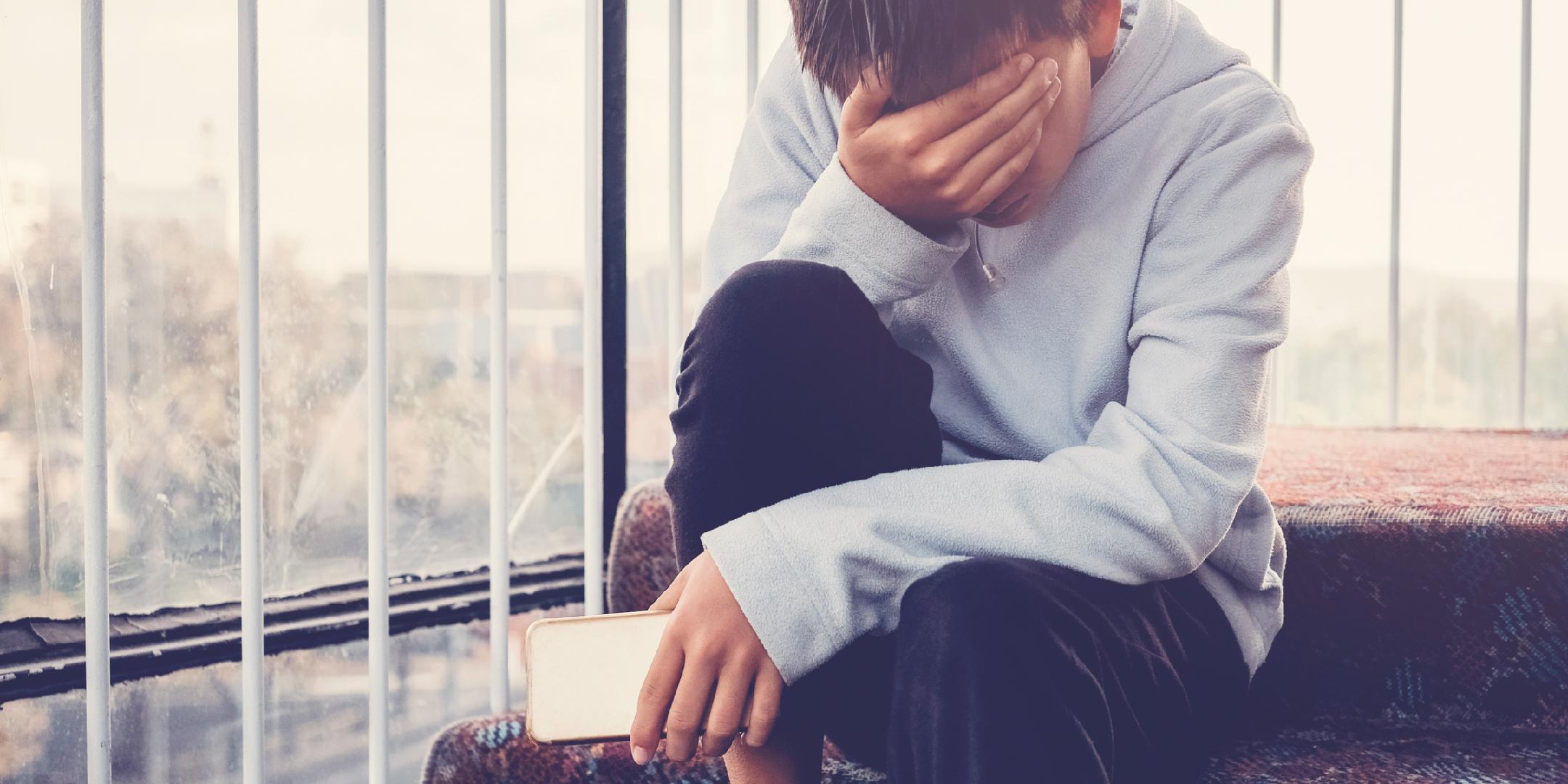
In recent years, the problem of school refusal has shown three overall trends: younger age, which may sprout in higher grades of primary school; longer term, which increases the cycle of suspension resumption suspension; compound, often intertwined with emotional distress, parent-child conflict, and academic failure. "On October 26th, at the 5th Youth Psychological Safety Forum hosted by the China Education Thirty Forum, Zhang Peng, director of the Beijing Positive Psychology Association's School Disgusting Intervention Committee, shared his observations on adolescent school refusal.
He stated that refusing to attend school is due to emotional and psychological distress, actively avoiding school, taking a leave of absence is a formal procedure to suspend school attendance, and skipping school is an unauthorized absence from class. The motivations and intervention directions of the three are different.
In recent years, refusing to attend school has become a global issue. The Blue Book of Mental Health: Report on the Development of China's National Mental Health (2023-2024) issued by the Institute of Psychology of the Chinese Academy of Sciences in 2025 shows that the mental health of adolescents and college students still needs continuous attention. A survey of over 50000 students in grades 4 to 12 nationwide in 2024 found that 29.2% of adolescents whose parents are both away have a risk of depression; Among adolescents with a high degree of maternal emotional neglect, this proportion reaches 40.1%; Among adolescents at high risk of depression, 45.4% frequently or daily have thoughts of not wanting to go to school.
According to relevant reports cited by Zhang Peng, the proportion of children and adolescents worldwide who refuse to attend school and related issues is 17.8%. In the general outpatient departments of psychosomatic medicine in China, 20% -30% of children with academic refusal problems are seeking medical treatment, and the proportion of patients seeking medical attention continues to increase, leading to a tendency towards "medicalization of academic aversion".
On the forum, Chen Xingjia, a member of the China Education Thirty Forum and founder of the Shenzhen Henghui Public Welfare Foundation, also shared his observations on the "Mockingbird" rural children's psychological care project - on the first day of taking over a new class, Teacher Yan from Gansu Province found eight girls with self inflicted cuts on their arms. One of the female classmates' experiences was particularly heart wrenching. She was kicked by her teacher with high heels when she was in elementary school, and since then, she has been afraid of the sound of high heels. She expresses despair through her scars.
Facing the challenges of student withdrawal, disinterest in learning, and emotional breakdown, how to heal becomes the key.
Zhang Peng stated that traditional intervention methods pathologize children's defects, rely solely on a single channel of conversation and referral, hastily close cases upon returning to school, and attribute the reasons to the child's weak willpower. The positive resource perspective advocates identifying advantages, providing ecological support, taking small steps to return, and starting to transform the supportive environment in which children live.
He stated that interventions with incorrect direction are more likely to cause greater secondary harm to children with greater force, and a intervention framework of "assessment and diagnosis individual/family/school three-level intervention dynamic reassessment" needs to be established. Firstly, identify the child's personal strengths and reconstruct their emotions and meaning in life; The intervention concept at the family level is "safety first, then demand", which means first catching the child's emotions, achieving high-pressure unbinding, and gradually repairing the parent-child relationship; At the school level, students can be arranged to have flexible resumption of classes starting from half a day or the next day, while also pairing with peers and receiving positive feedback from teachers.
Li Zhenxi, a member of the China Education Thirty Forum and chairman of the Youth Psychological Safety Forum, also mentioned that in the face of students' withdrawal, disinterest in learning, and emotional breakdown, we should not only ask "what's wrong with this child", but also turn to "how are we living together". We should shift our focus from discovering individual problems, handling conversations or referrals, to the peer relationships, teacher-student relationships, evaluation methods, and collective atmosphere that students are in every day, and prevent risks in daily class life.
To this end, Li Zhenxi talked about three paths to reduce psychological risks, one of which is to provide emotional support and identity recognition in peer relationships. Pay attention to students who are quiet, unsociable, and easily overlooked; The second is to provide a sense of security and value in the teacher-student relationship, with the key being stability, fairness, and predictability. Students who make mistakes should first understand the situation, not be humiliated by others, not labeled, and not treat temporarily backward students as negative examples; Thirdly, in class activities, everyone should be seen, have a sense of competence and emotional outlet, and class evaluation should not only be based on grades.


Why does Kimi always apologize?

The profit of the automotive industry hit a new low in September, with a year-on-year decrease of 68% and a sales profit margin of only 1.4%

German President Steinmeier visits Volkswagen Hefei base to personally experience intelligent driving assistance systems and autonomous parking


 Subscribe