

2026-10-15 18:10

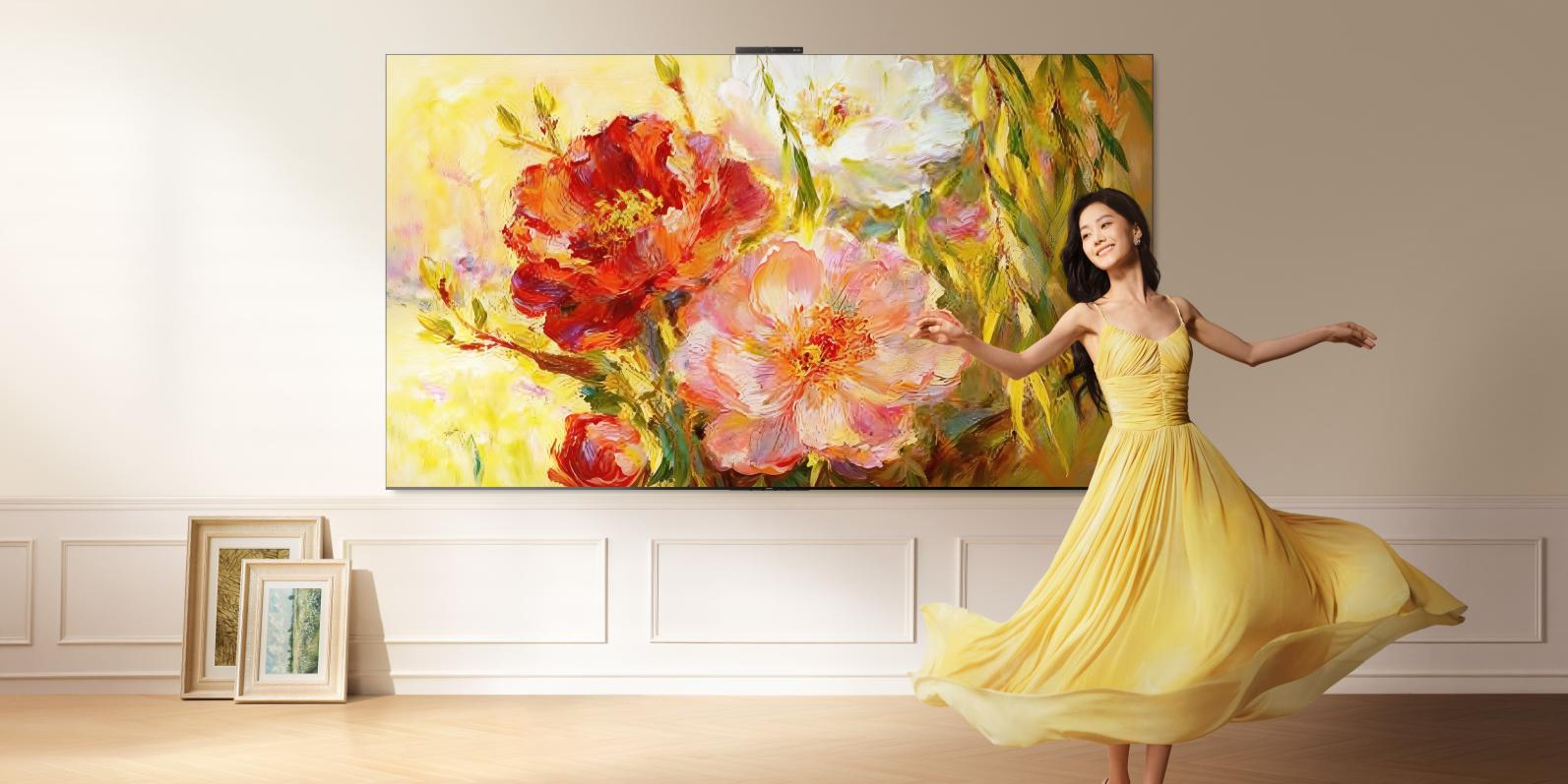
The Double Eleven War is approaching, and under the dual catalysis of the "national subsidy" policy and platform promotion, the television market is expected to see incremental release. Compared to sales data, what is more worthy of our attention is the changes in consumer decision-making: after several rounds of price wars, consumers are no longer simply paying for "parameter tables", but tend to choose products that can provide deterministic experience upgrades.
In this round of value reassessment, Huawei's smart screen stands out, and its advantage does not rely on hardware stacking, but has completed the ecological upgrade from "display terminal" to "home digital center". So, under the ultimate dividend of this year's Double Eleven combined with national subsidies, how should we match Huawei's rich product line of smart screens according to our own needs? Let's have a plate today.
Buying a Huawei smart screen is not just about buying a screen
In the past decade, the Chinese television industry has fallen into a typical "prisoner's dilemma": manufacturers compete in a single dimension such as backlight partitioning and peak brightness, but this homogeneous competition has not brought about a qualitative change in user experience, but has instead compressed the industry's profit margin, leading to the structural problem of "low startup rate and long replacement cycle" that remains unsolved.
According to statistics from OvCloud, the retail sales of China's color TV market in 2025 will only be 27.63 million units, a year-on-year decrease of 10.4%, reaching a new low in nearly a decade. Even with the stimulus of the "national subsidy" policy, the market has not seen any recovery. The key to breaking the deadlock lies in redefining the value anchor of the product and reshaping consumers' purchasing reasons.
Huawei Smart Screen relies on the distributed capability of HarmonyOS system, breaks away from the linear involution of "parameter only theory", and establishes a core "moat" that is different from traditional TV. One is the interactive revolution, where the "Lingxi pointing remote control" of Star Flash technology points to different points, making the large screen as smooth and better as a mobile phone. Secondly, the ecological barrier has been broken down. Through the "Super Desktop" and "4K Super Projection", mobile applications and membership content can seamlessly flow to the large screen, solving the pain points of reduced clarity and unsynchronized audio and video. Thirdly, as the "central control brain" of HarmonyOS Smart Home, it supports one touch screen mirroring, seamless communication, and can centrally dispatch smart devices throughout the house. It can be said that when the value of a product shifts from "physical attributes" to "connectivity attributes", this "experience upgrade" can accurately meet the core demands of current consumer upgrades.
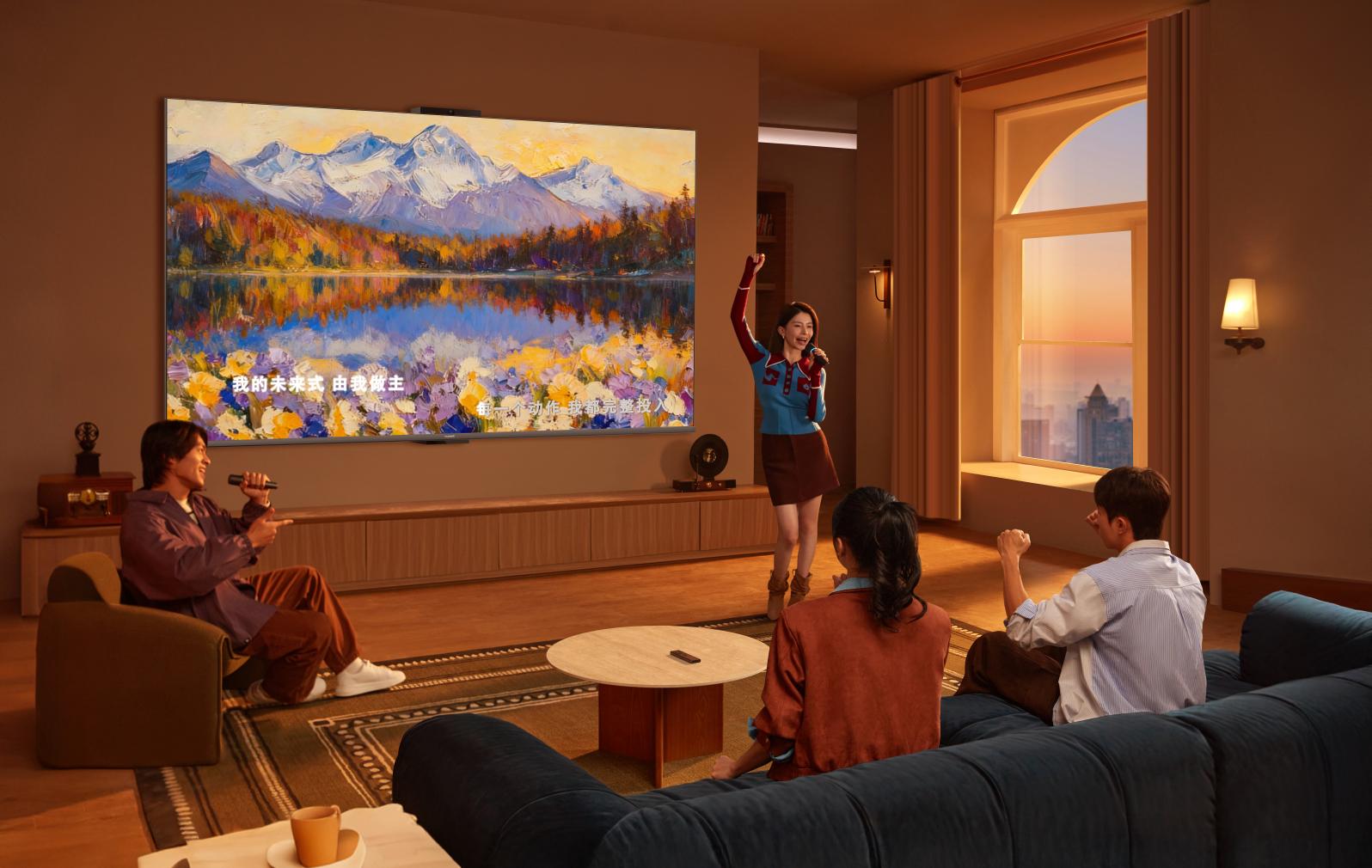
A thousand people and a thousand faces of usage scenarios, good products will understand you more and more as you use them
It is this "invisible value" composed of interaction and ecology that has become the common foundation of Huawei's smart screen product matrix. If we focus on specific product lines, we will find that this experience upgrade has evolved into different product forms to meet the needs of different groups of people.
The Vision series targets young people who are budget sensitive, frequently use mobile phones, rent or live alone. For this group, the core demand of television is not to be filled with ultimate audio-visual configurations, but to find a balance between "usability" and "aesthetics". Among them, Huawei Vision Smart Screen 6 SE RGB brings RGB MiniLED technology to the 3000 yuan range, making the picture more transparent and reducing halo, which is very friendly to young people who love watching anime and game live broadcasts. At the experiential level, it is also closer to the content consumption habits of young people who prioritize their phones. It solidly focuses on the most sensitive aspects of young people, such as color, screen mirroring, and smoothness. This precise focus is actually more convincing than parameter stuffing.
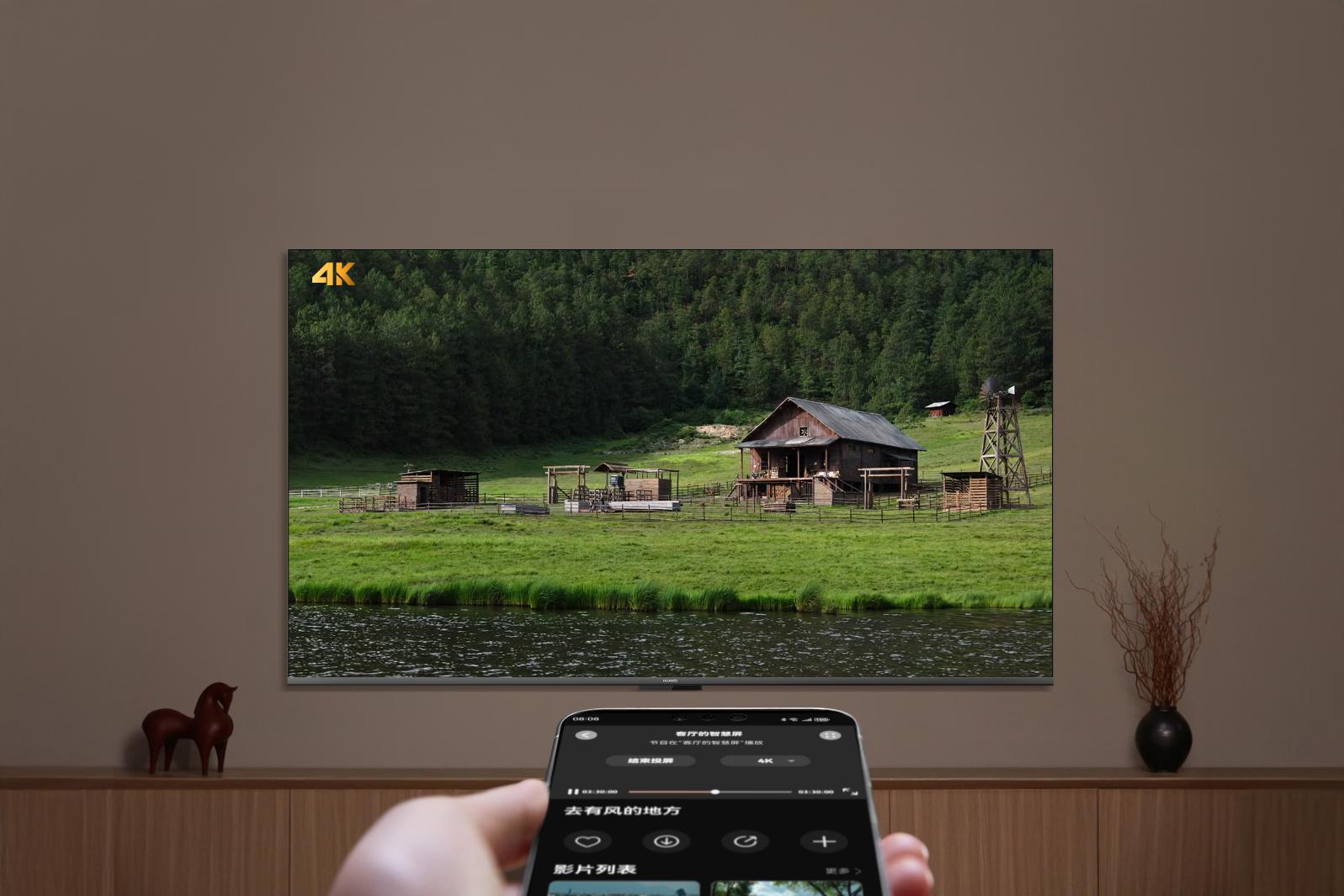
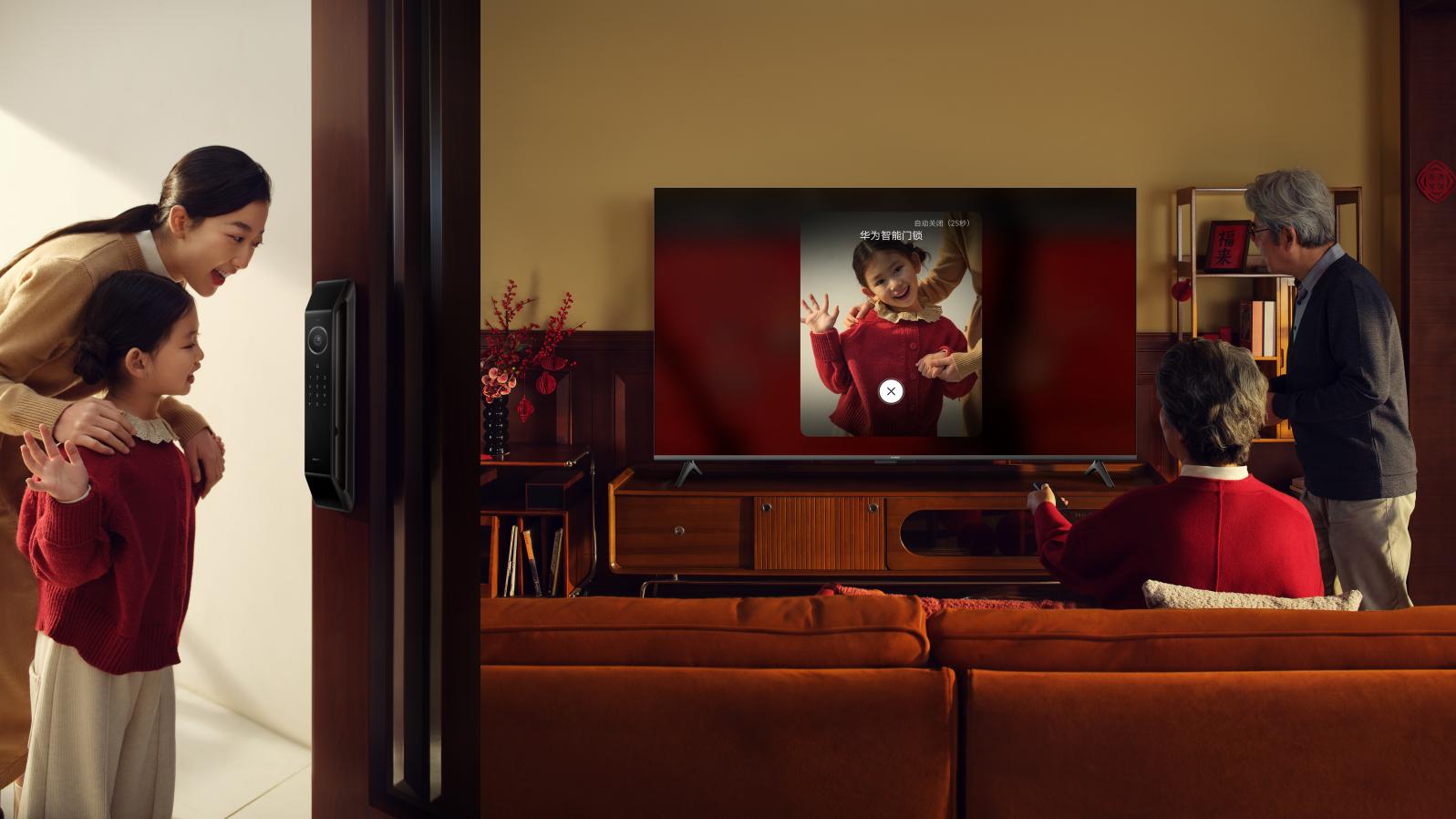
When the scope of use extends to the whole family, the demand also extends to multiple scenarios such as movie watching, gaming, learning, parent-child, and elderly use. Huawei Smart Screen S7 Pro transforms into an "all-in-one home hub", covering the usage habits of every family member: with a full blooded HDMI 2.1 interface and high refresh rate MEMC, it can stably handle console games and high-speed motion graphics; The AI camera, Lingxi pointing remote control, and Lingxi stylus extend the living room into a space for motion sensing games, AI fitness, children's learning, and parent-child interaction; The super desktop further connects mobile phones and large screens, allowing online courses, office documents, and more to be displayed on the large screen, meeting the needs of learning and light work at home. Whether it's eye protection and sitting posture reminders for children, easy operation and remote assistance for elders, or family connectivity and remote home viewing functions, they all meet the expectations of Chinese families for living room centers.
For high-end users with sufficient budget and deep layout of Huawei's whole house intelligence, TV is not only an audio and video terminal, but also a symbol of spatial aesthetics and technological taste, just as the Huawei Smart Screen MateTV 2 carries the definition of "quality life" for this group. On the audio-visual level, the dual core driver of Kirin T92 flagship chip and Honghu Vivid independent image quality chip supports the top-level specifications of 5000 nits peak brightness, thousand level zone control light, and 0.5% low reflection coating. Even in the living room under direct sunlight during the day, the image is still deep and transparent. In addition, the real-time rendering of 2D to 3D and the linkage of the highest 16.3.4 channel home theater level sound field bring the experience of a private cinema into the home.
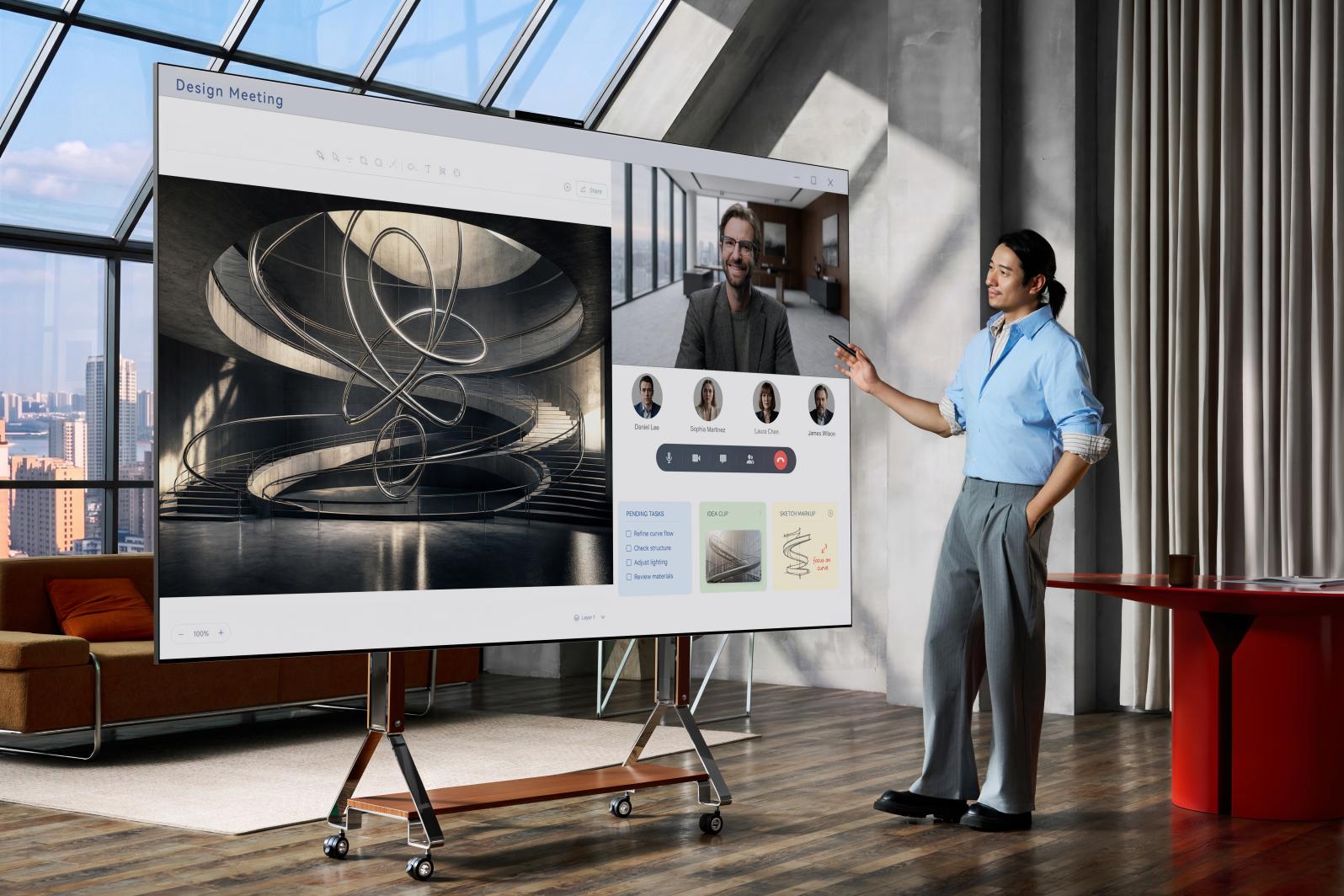
From the true color inclusiveness of Vision 6 SE RGB, to the all-around balance of S7 Pro, and to the flagship leadership of MateTV 2, Huawei's smart screen product matrix has never been trapped in homogeneous parameter competition. Each specific model is a deep response to the real life scenarios of specific groups of people.
At present, Huawei's whole house intelligence has achieved large-scale implementation in high-end hotels, real estate front decoration, office space and other To B fields. This technology maturity verified by B-end high voltage provides strong confidence support for C-end consumers. As one of the more price friendly windows for televisions, Huawei Smart Screen also launched multiple limited time promotional activities during the Double Eleven period. The Vision series offers a maximum discount of 4000 yuan (from October 9th to November 14th), while the S series offers a maximum discount of 3000 yuan (from October 9th to October 31st, with some models ending on November 14th). From rigorous verification in commercial scenarios to sincere concessions in the consumer market, Huawei Smart Screen is providing a more reliable choice for home screen replacement with its technological maturity and price friendliness.
While the industry is still debating the parameters of "screen", Huawei's smart screen has already raised the dimension of competition to "life" itself. For consumers, what they choose is not only a TV, but also a full scene lifestyle that becomes smarter and more in line with their preferences as they use it. And perhaps this is the most noteworthy growth logic in the new trend of Double Eleven.

ST Qingyue fined 172 million yuan for suspected fraudulent issuance and illegal letter disclosure
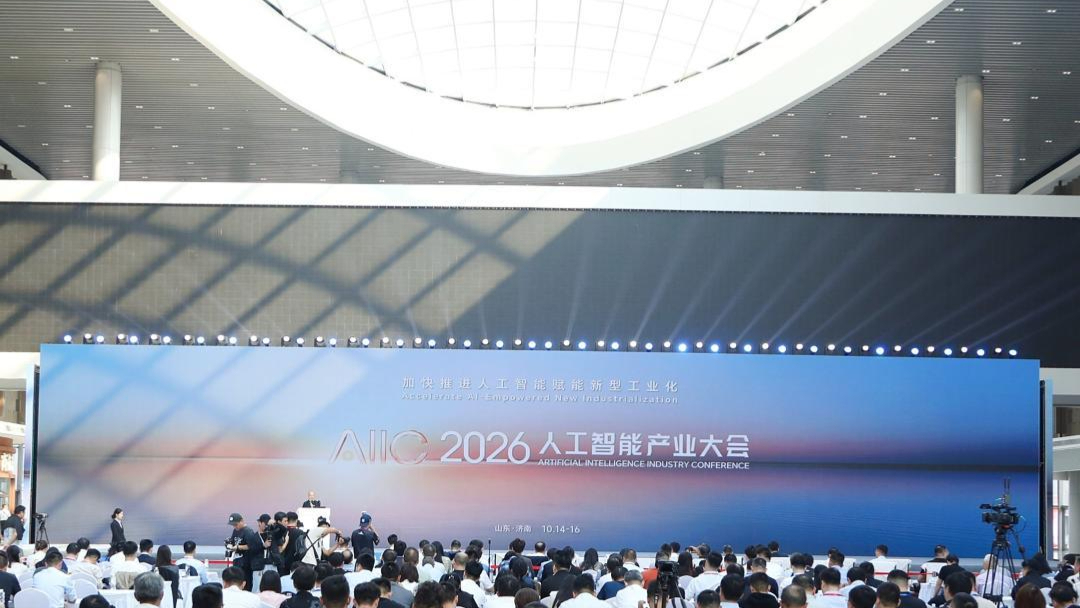
Focusing on "Artificial Intelligence Empowering New Industrialization", the 2026 Artificial Intelligence Industry Conference opens in Jinan
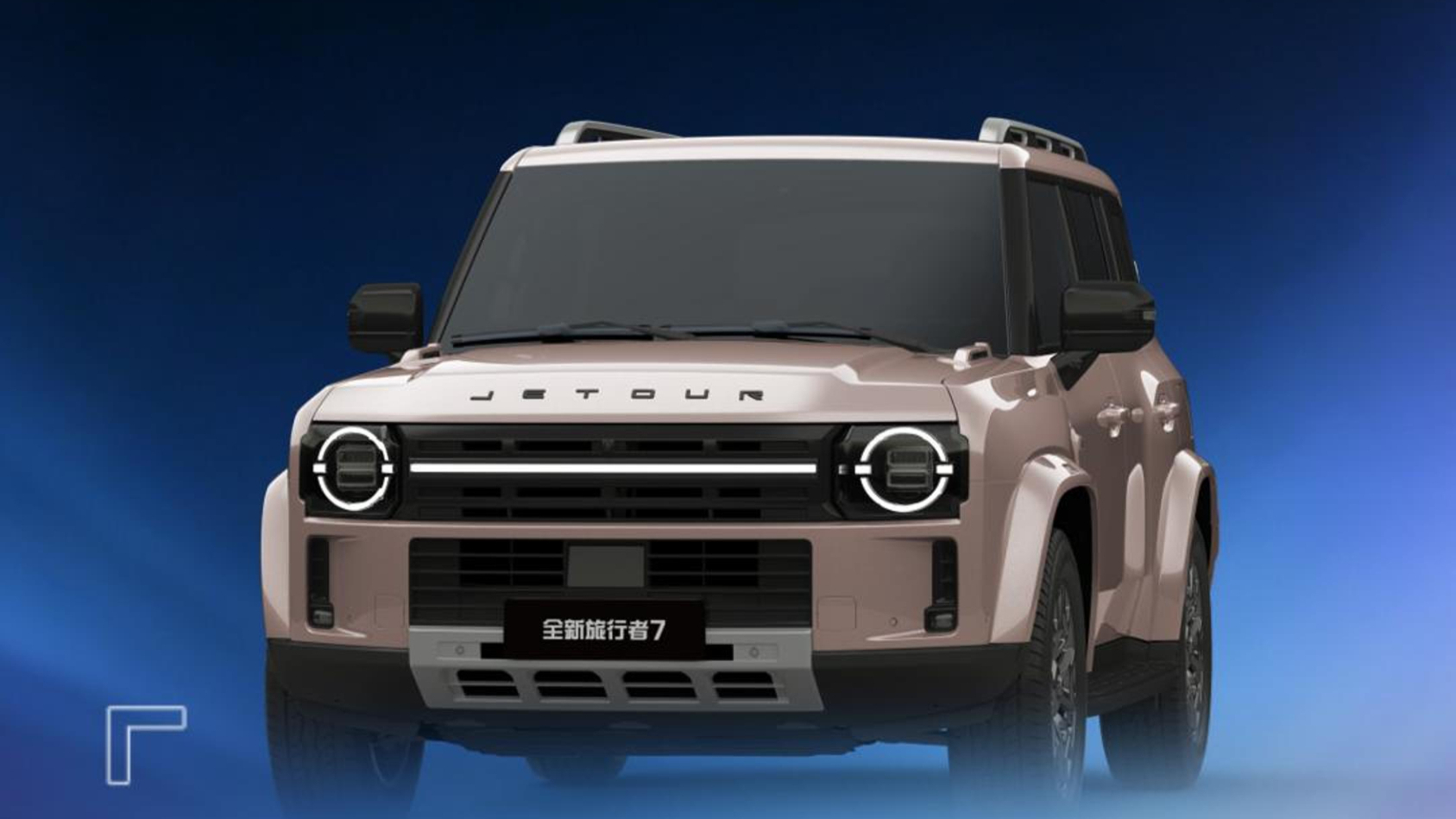
Can Traveler 7 take care of both commuting on weekdays and mountain trips on weekends? This time, the all-new Jetour Traveler 7 will focus on its "Keyo" # Smart Beauty Travel Champion Box # Kecheng Keyo Keyo Travel # 7 Series Square Box New Benchmark # New Traveler 7 Renewal Surprise Price Starting from 125900 yuan


