

2026-10-14 10:30

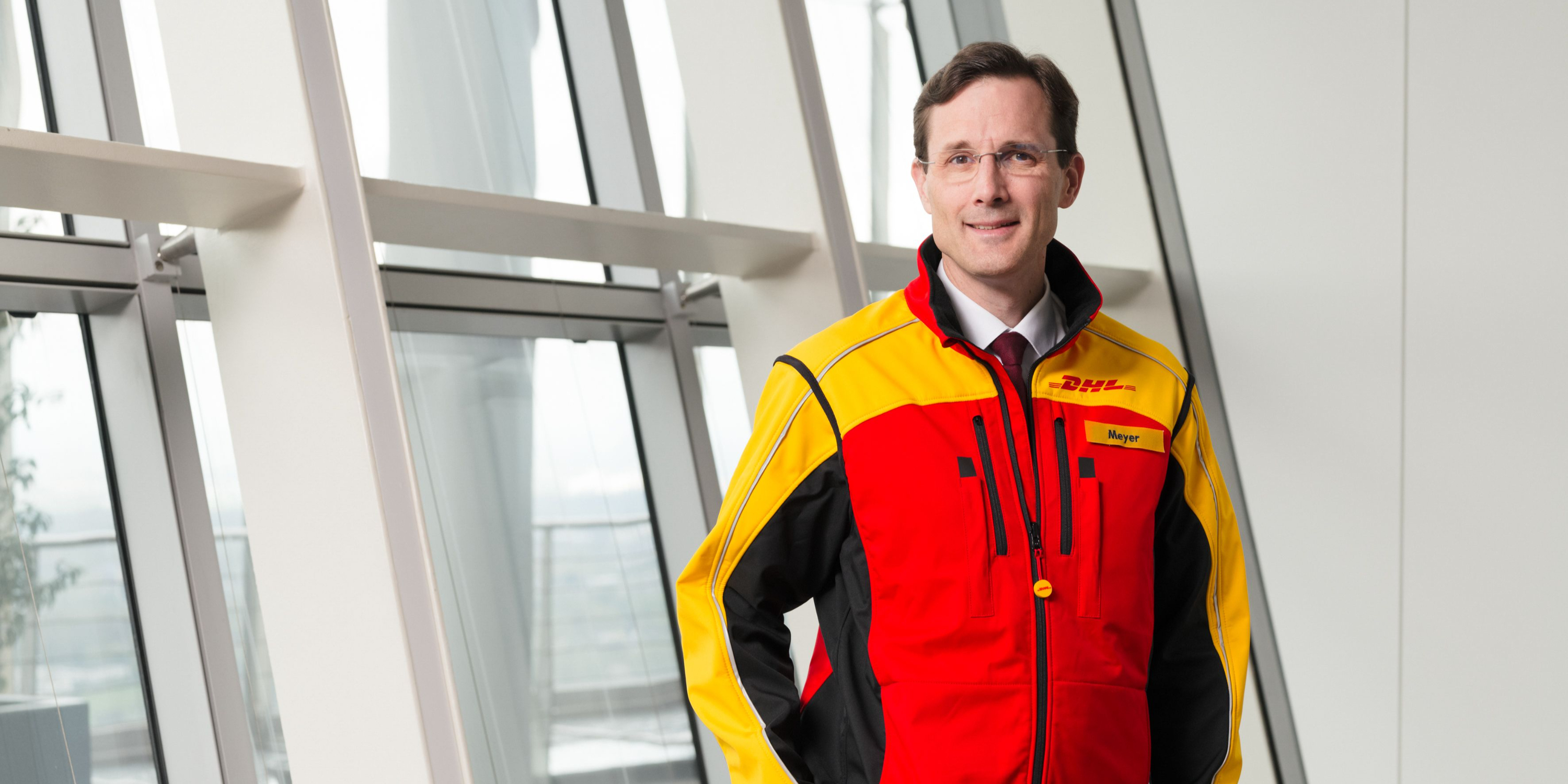
From assisting enterprises in international trade during the early stages of reform and opening up to supporting Chinese enterprises in expanding their production and sales networks globally today, the development of Sinotrans DHL is closely linked to China's continuous expansion of opening up and deep integration into the world economy. In 2026, this joint venture between Sinotrans and DHL will celebrate its 40th anniversary.
For the past forty years, the local operational experience of Sinotrans and DHL's international network have complemented each other, providing services for multinational enterprises to enter the Chinese market and building bridges for Chinese enterprises to participate in international division of labor. Both parties will continue to improve infrastructure and expand service networks in long-term cooperation, transforming their respective advantages into logistics capabilities that connect China with the world. Sinotrans DHL has become a vivid footnote to the mutually beneficial and win-win economic and trade cooperation between China and Germany.
At present, as the Chinese economy moves towards a stage of high-quality development, this cooperation has gained richer connotations.
Chinese companies are providing increasingly diverse products and services in the global market, and their overseas operations are gradually extending to research and development, production, sales, and other aspects. Along with this, international logistics companies need to integrate their global service networks more closely with the innovation capabilities and industrial advantages of Chinese enterprises, helping them connect with overseas demand and carry out industrial cooperation on a larger scale.
This year, Sinotrans and DHL Group signed a new round of cooperation memorandum of understanding, planning the long-term strategic layout of Sinotrans DHL and further expanding the cooperation to the global market.
Cooperation in contract logistics, international freight forwarding, aviation capacity coordination, regional network linkage and other fields helps both parties integrate resources and provide more complete supply chain services for cross-border operations of enterprises. The trust and experience accumulated over forty years of cooperation are becoming the foundation for both parties to jointly explore new markets.
While deepening cooperation, DHL is also continuously improving its infrastructure in China.
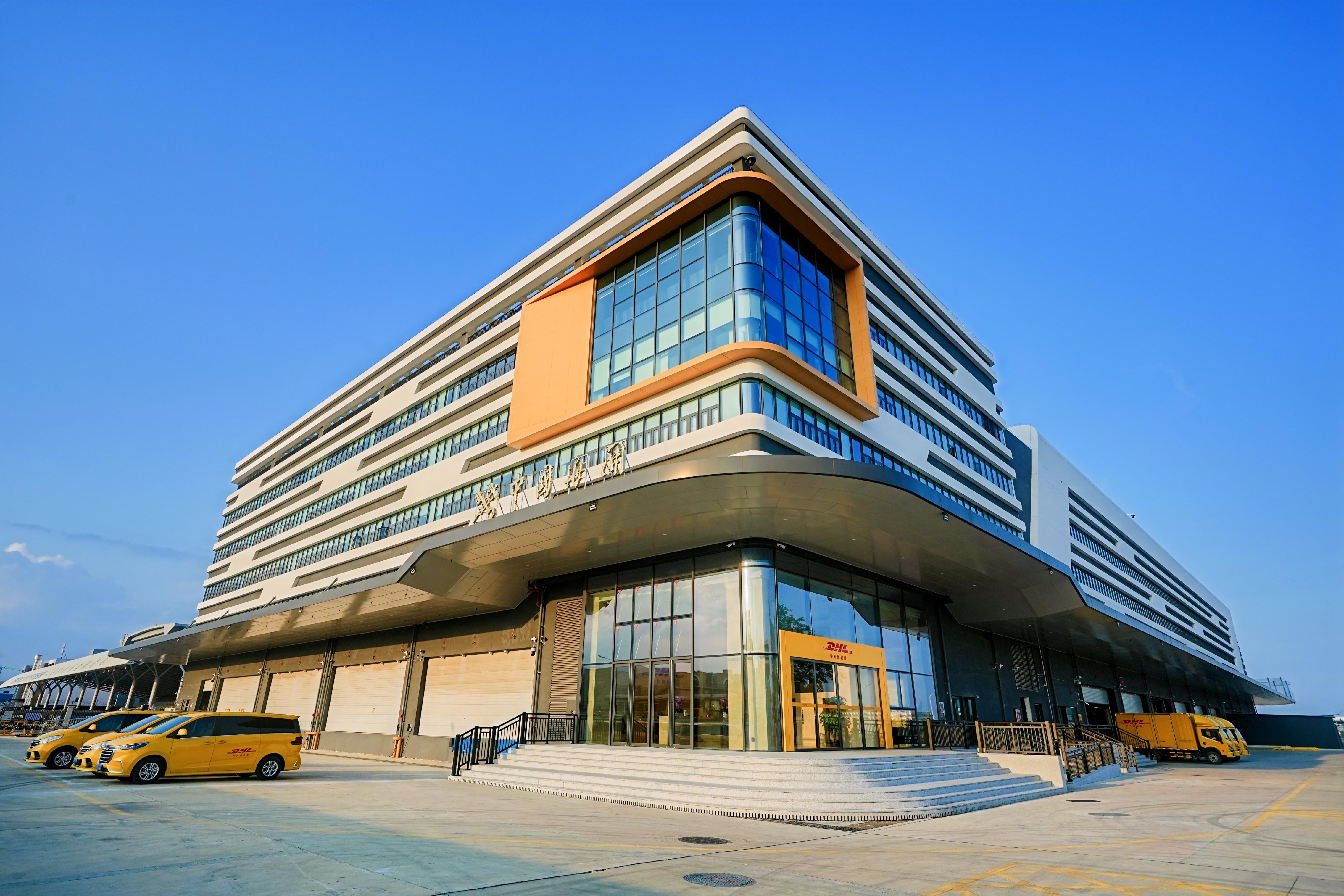
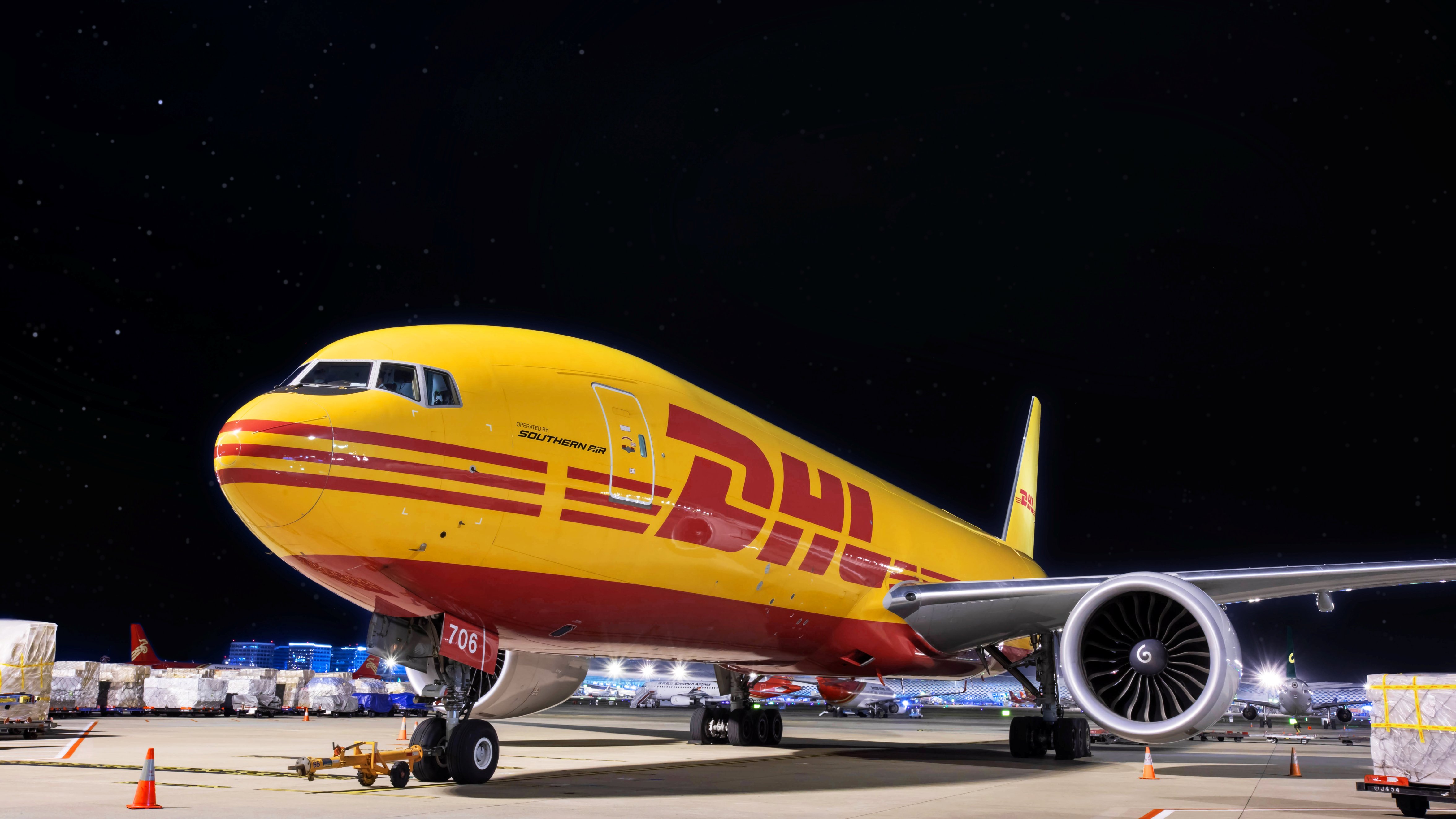
In July of this year, the DHL Shenzhen "Super Port" with a total investment of over 1.2 billion yuan was officially put into operation. Relying on automated sorting, intelligent warehousing and other facilities, the port further enhances its international express processing capabilities, forms a network synergy with Guangzhou Port and Hong Kong Central Asia Hub, and provides support for high-end manufacturing and cross-border e-commerce in the Guangdong Hong Kong Macao Greater Bay Area to expand into international markets.
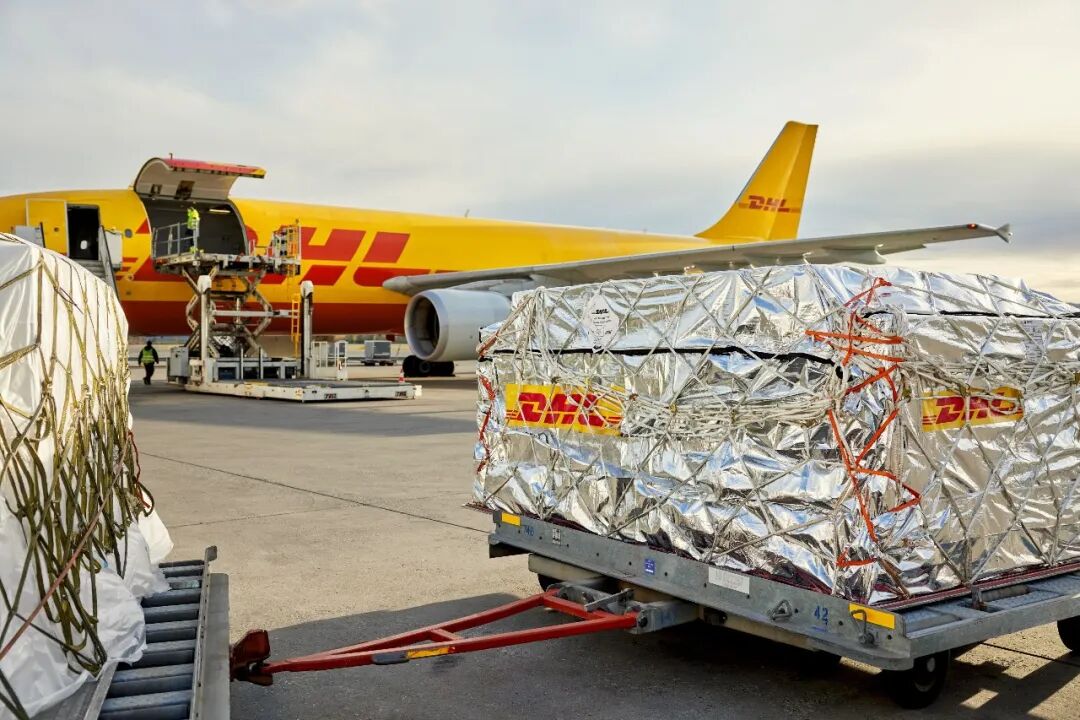
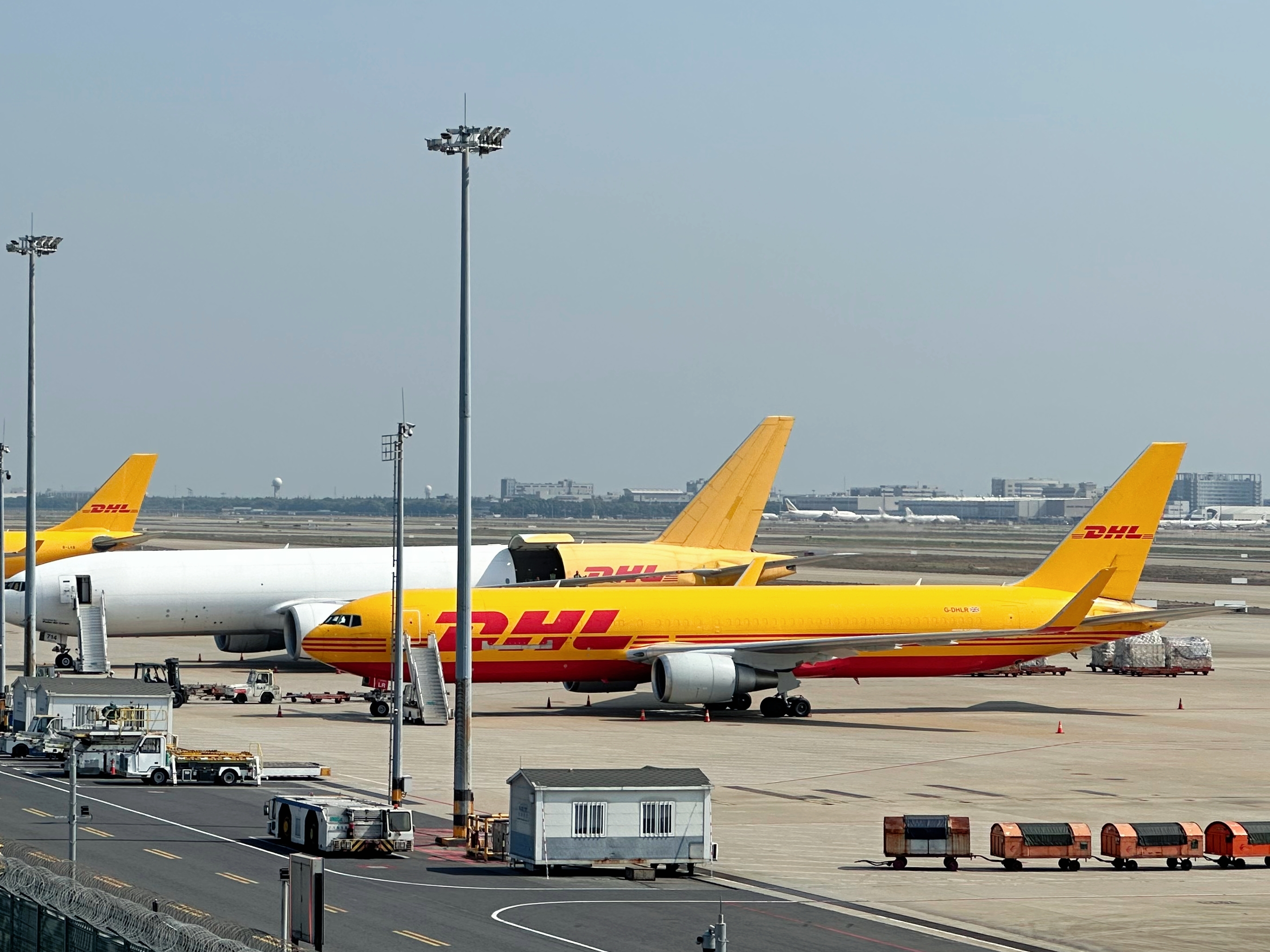
In addition to improving port facilities, DHL Express has also opened freight routes connecting Shanghai, Bangkok, Bahrain, and Brussels, enhancing air logistics connections between China and Southeast Asia, the Middle East, and Europe. The construction of ports and the expansion of air routes complement each other, further facilitating the logistics channels between Chinese industrial clusters and overseas markets, and creating conditions for global enterprises to rely on China for production, procurement, and trade.
The smooth international logistics is related to the efficiency of enterprises participating in international competition and the depth of global industrial and supply chain cooperation.
The continuous development practice of Sinotrans DHL in China shows that Chinese and foreign enterprises can share opportunities in openness and achieve common growth through long-term cooperation. With China's high-level opening up to the outside world, multinational logistics companies will continue to root in China, serve the world, and play a greater role in promoting trade and industrial cooperation.
Recently, the Economic Observer had a deep conversation with Tobias Meyer, CEO of DHL Group, regarding topics such as cooperation in China, Chinese companies going global, and changes in the global supply chain.
He stated that China's important position in the global economy and international trade, as well as its continuously enhancing innovation capabilities, have brought long-term opportunities for DHL's development in China. DHL will continue to increase its investment in China, support Chinese enterprises in expanding their global markets, and enable more customers to benefit from the two-way connectivity between China and the world.
The following is a transcript of the conversation:
Economic Observer: Sinotrans DHL was established in 1986 and was one of the earliest Sino foreign joint ventures in the early stages of reform and opening up. Forty years have passed, what is the position of the Chinese market in DHL Group's global business map? What changes have DHL's strategic positioning in the Chinese market compared to forty years ago?
Ma Taoyuan:China has always been one of the most important markets in DHL Group's global strategy. As the world's second-largest economy and an important growth engine for international trade, China is not only a global manufacturing powerhouse, but also an increasingly important source of innovation and consumer demand.
In the past forty years, the rapid development of the Chinese economy and the continuous expansion of opening-up to the outside world have brought broad development opportunities for DHL and the DHL Group as a whole. Nowadays, China has deeply integrated into the global supply chain system and is playing an increasingly important role in international trade.
When we entered the Chinese market over forty years ago, our primary mission was to help China connect with the world, and also to help the world connect with China. Today, this connection has become deeper, broader, and more diverse. We continue to provide support for multinational corporations operating in China, while also increasingly helping Chinese companies go global.
With more and more Chinese companies accelerating their international layout, the market demand for high-quality and reliable international logistics and supply chain solutions continues to grow. In fact, DHL provides a wider range of services in many global markets than in the Chinese market. We hope to leverage our unique global network advantages to provide more support for Chinese companies to expand into overseas markets.
With a network covering over 220 countries and regions worldwide, we are seeing more and more products, technologies, and innovative achievements from China entering the global market. At the same time, we also help international enterprises to more efficiently seize the development opportunities in the Chinese market. The value created by this two-way connectivity is constantly increasing.
Looking ahead to the future, our confidence in the Chinese market remains unchanged. Despite changes in the global geopolitical environment and trade policies of major economies, China remains a key driving force for global economic growth and international trade development.
We will continue to increase our investment in the Chinese market, continuously improving our investment in infrastructure, network capabilities, digital innovation, and sustainable development. Our goal is to become the most trusted and capable partner for Chinese enterprises in conducting international trade and building global supply chains.
Economic Observer: In April of this year, DHL Group signed a new round of strategic cooperation memorandum of understanding with Sinotrans. Can you introduce the core content of this memo? What is the top priority direction for both parties to advance in the next stage of cooperation?
Ma Taoyuan:The success of Sinotrans DHL over the past forty years fully demonstrates the solid foundation and strong vitality of our partnership. Our joint venture fully leverages the respective advantages of both shareholders, and both parties have always firmly supported the sustained development and transformation of the enterprise.
The newly signed memorandum of understanding aims to further integrate the complementary advantages of both parties and create greater value for customers. In the future, we will further deepen cooperation in international markets where our interests align, including contract logistics, freight forwarding, air transport capacity coordination, and regional network integration.
Looking ahead to the future, we will focus on supporting the global development of Chinese enterprises. We hope to help Chinese enterprises connect more efficiently with the global market, while also supporting international enterprises to further expand their development layout in China, promote two-way economic and trade exchanges, and investment cooperation.
We will also strengthen our industry-specific solution capabilities. Advanced manufacturing, new energy, life sciences and healthcare, cross-border e-commerce and other industries are increasingly becoming important forces driving global economic growth. In the future, both parties will continue to enhance their professional service capabilities in these key industries to meet the increasingly complex and diversified supply chain needs of customers.
At the same time, we will enhance supply chain resilience and digital capabilities. Against the backdrop of increasing global environmental uncertainty, customers are not only concerned about efficiency, but also place greater emphasis on the resilience and stability of the supply chain. We will further strengthen the construction of digital capabilities to help customers better cope with market changes and potential risks.
These key directions are highly aligned with DHL Group's "2030 Strategy". In the future, both parties will further deepen network collaboration, resource sharing, and digital innovation to create a more intelligent, efficient, and resilient supply chain system for customers.
Economic Observer: In the past few years, China's foreign trade structure has undergone significant changes, with exports from cross-border e-commerce, new energy, high-end manufacturing and other fields growing rapidly. What new trends has DHL observed in serving Chinese companies going global? What new requirements do these changes pose for DHL's own service capabilities?
Ma Taoyuan:The most significant change we have observed is that the driving force behind China's export growth is gradually shifting from cost advantage to innovation driven. In the past, competitiveness was often reflected more in scale and efficiency; Today, growth is increasingly coming from product innovation and production technology innovation.
Whether it's new energy vehicles, batteries, photovoltaic technology, medical consumables and equipment, or consumer electronics products, Chinese companies are constantly moving towards higher levels of the global supply chain value chain.
In some segmented fields, Chinese enterprises have demonstrated strong international competitiveness and rapidly expanded their global market share.
The second important trend is that the way Chinese enterprises develop internationally is undergoing changes. In the past, many companies mainly entered overseas markets through exports; Today, more and more companies are building production bases, research and development centers, distribution centers, and sales networks near their target markets. This not only helps to better meet the needs of local customers, but also contributes to building a more resilient supply chain layout in an increasingly complex and uncertain global environment.
At the same time, cross-border e-commerce still maintains a strong development momentum. But with changes in customs policies in major markets, the demand for logistics services from e-commerce platforms and merchants is also constantly upgrading. They are increasingly seeking integrated end-to-end solutions that cover warehousing, transportation, customs clearance, order fulfillment, and reverse logistics.
These changes have also raised higher requirements for logistics service providers. Chinese companies continue to expand their global business, bringing huge opportunities to the industry, and our role is no longer just about transporting goods from one location to another. We are committed to becoming a trusted supply chain partner for our customers.
Whether it's helping Chinese new energy companies enter the European market, supporting Chinese cross-border e-commerce brands to reach global consumers, or assisting advanced manufacturing companies in building a global supply chain network, our goal has always been to help customers achieve sustainable, resilient, and long-term successful international development.
Economic Observer: The current global trade environment is facing certain uncertainties, including the impact of geopolitical and tariff policies. As one of the world's largest international logistics companies, how does DHL predict the trend of global trade in the coming years? What role will China play in it?
Ma Taoyuan:Currently, changes in geopolitical situation, adjustments in trade policies, and various disruptions in physical supply chains are posing challenges for global enterprises. But at the same time, we also see that companies are actively adjusting their strategies and quickly adapting to the new market environment.
Looking ahead, we remain confident in the long-term development prospects of global trade. Enterprises will continue to explore new markets, and consumers will continue to pursue more diversified and cost-effective product choices. The development of various industries also relies on the global flow and collaboration of raw materials, technology, and innovative resources.
What has truly changed is the new form presented by globalization. The global supply chain is becoming more diversified, and businesses are paying more attention than ever to resilience, flexibility, and risk management capabilities. The single source procurement model will gradually decrease, and more and more companies will begin to reduce risks through decentralized procurement and production layout. And this trend often does not reduce international trade, but instead stimulates more cross-border trade flows and supply chain connections.
The "2026 DHL Global Connectivity Report" jointly released by DHL and the Stern School of Business at New York University also shows that despite facing many uncertain factors globally, the level of global connectivity has reached a historic high.
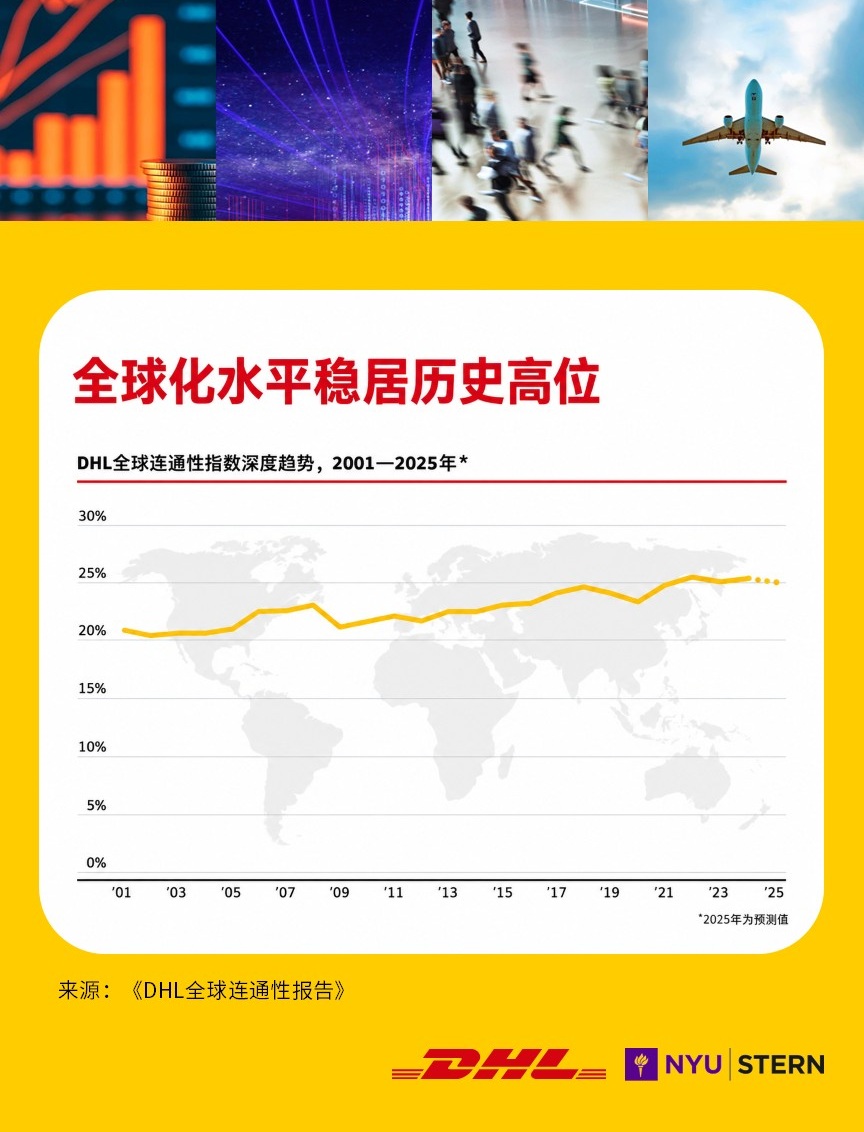
From this perspective, global trade is not regressing, but rather reshaping and evolving. The supply chain network has become more complex, regionally diverse, and places greater emphasis on balancing efficiency and resilience. In this context, the importance of logistics partners that can help customers achieve global resource allocation, enhance supply chain flexibility, and effectively manage risks will further increase.
Economic Observer: DHL Group is promoting green logistics transformation globally, including electrification of delivery fleets and the use of sustainable aviation fuels. How are these measures being promoted in the Chinese market? What do you think are the advantages of China's green logistics infrastructure and policy environment?
Ma Taoyuan:Sustainable development is a core component of DHL Group's' 2030 Strategy '.
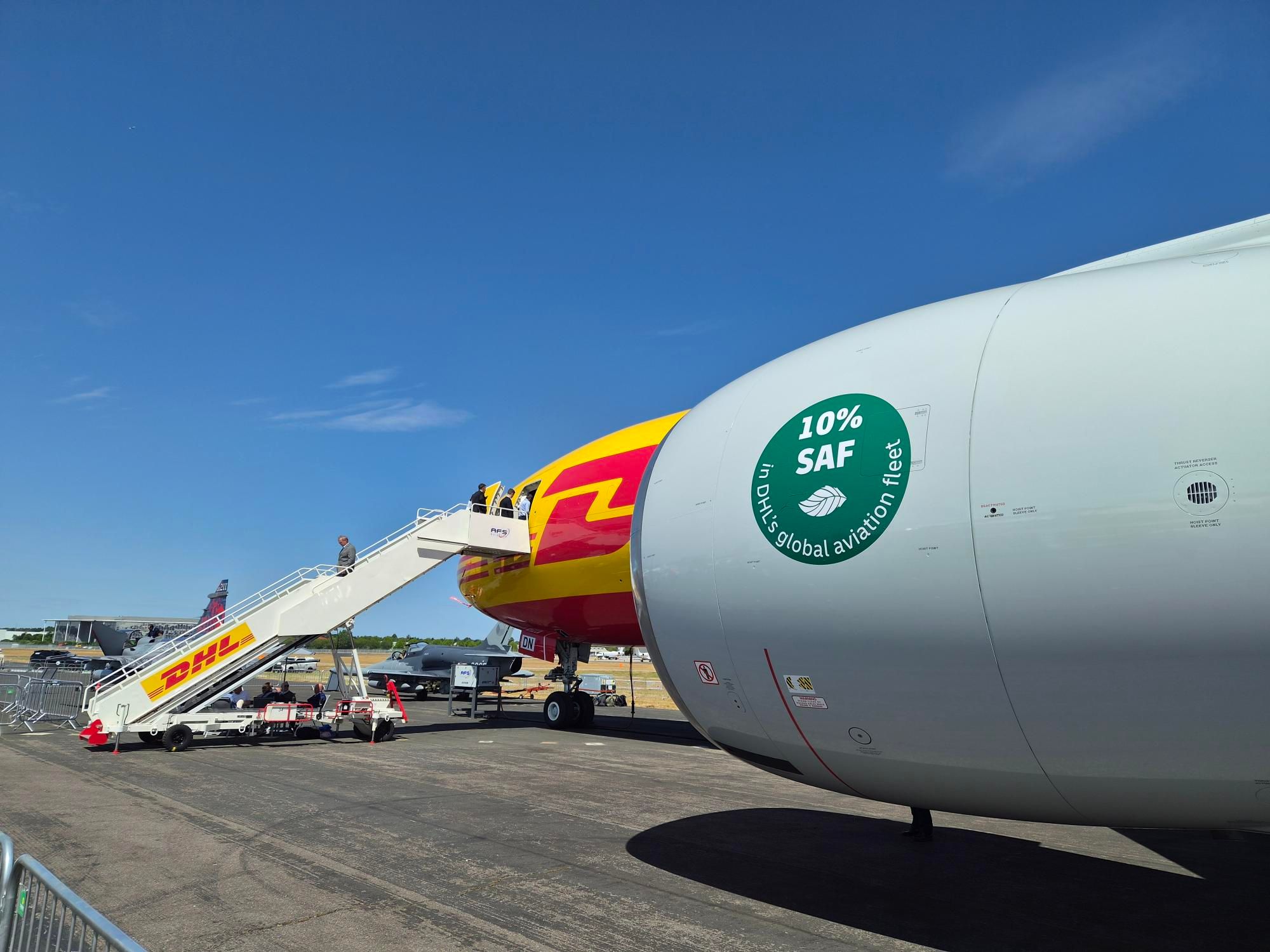
Our goal is to become the "preferred choice for green logistics" for our customers. To this end, we continue to increase investment in decarbonization of transportation networks, infrastructure, and operational processes. By 2025, DHL Express' global fleet will achieve the highest proportion of sustainable aviation fuel (SAF) usage in operation to date.
In China, we are also steadily advancing the transition to carbon reduction.
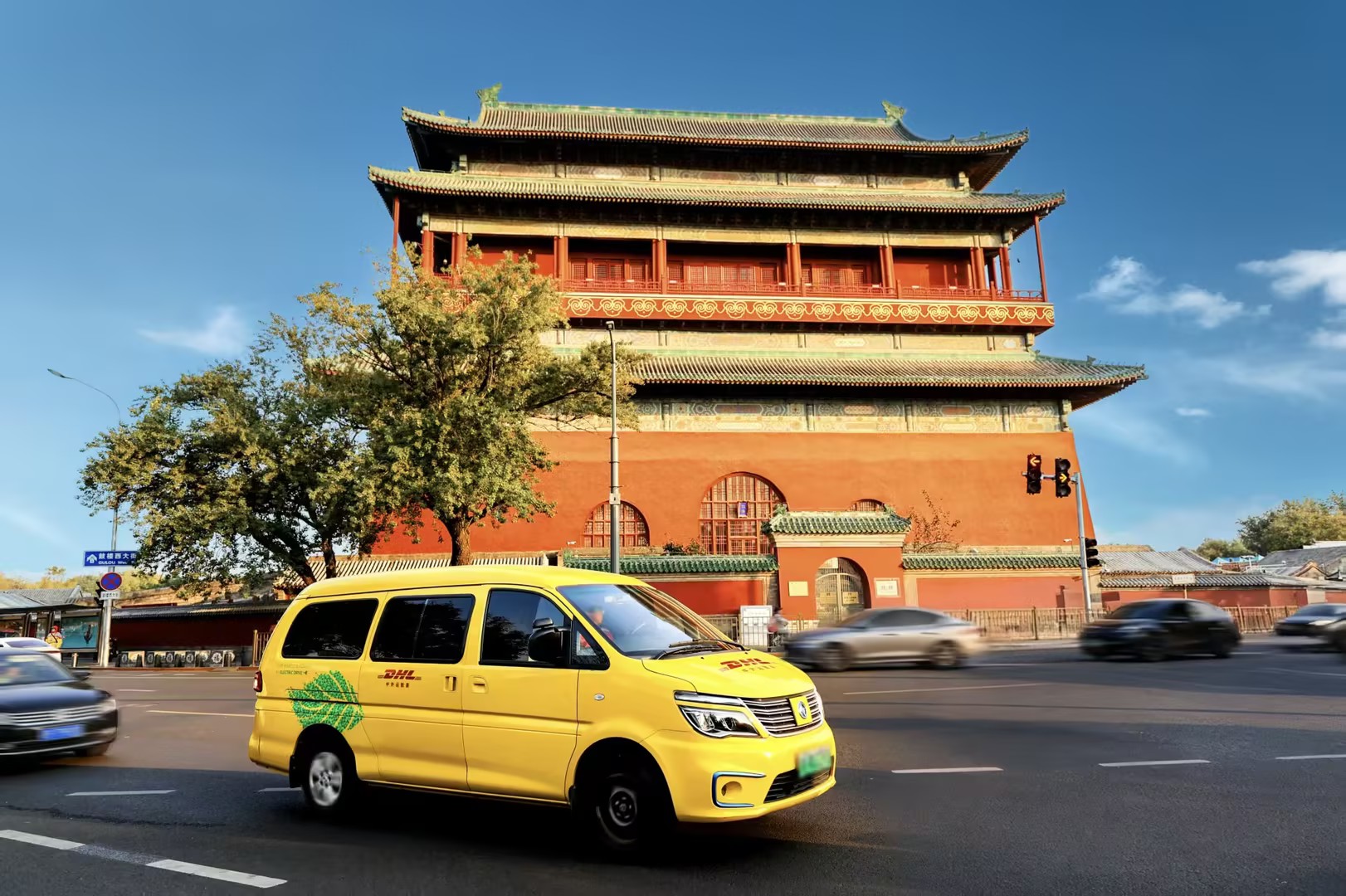
At present, over 30% of delivery fleets in China have completed electrification transformation and achieved 100% use of green electricity. At the same time, we are continuously reducing greenhouse gas emissions throughout our operational network by optimizing transportation routes, constructing energy-efficient facilities, and promoting more environmentally friendly packaging solutions.
In the field of air transportation, sustainable aviation fuel (SAF) is one of the most important means to achieve emissions reduction. We actively procure and use SAF, hoping to drive the industry to expand SAF production capacity by releasing clear market demand signals. In the future, it is necessary to further expand the supply scale and develop more types of raw material sources, which can be used to produce basic materials for aviation fuel, in order to promote the industry to achieve larger scale applications.
Our continuous investment in decarbonization also enables us to help our clients achieve their own emission reduction goals. Through DHL GoGreen Plus service, customers can choose to ship international parcels in a more sustainable way, and we will allocate carbon reduction measures including SAF to relevant freight services accordingly.
In the Chinese market, we have seen customers showing strong interest in this.
Currently, about half of the customers have adopted GoGreen Plus (green aviation fuel) service. We are greatly encouraged by this, as more and more Chinese companies are actively taking on environmental responsibilities, supporting the reduction of carbon emissions through practical actions, and promoting more sustainable development.
Economic Observer: Digitization is profoundly changing the operational mode of the logistics industry. What are the current investment priorities of DHL Group in digitalization and artificial intelligence? How are these technologies being implemented in the Chinese market?
Ma Taoyuan:Digitization is also one of DHL's key strategic areas of focus. We are actively utilizing various technologies to improve operational efficiency, response speed, and customer experience, while empowering employees to create greater value in all aspects of the supply chain.
Artificial intelligence (AI) is playing an increasingly important role.
For example, in the field of road transportation, AI based intelligent camera systems have significantly improved transportation safety levels, helping to reduce accident rates by up to 50%. We have deployed an increasing number of automated robots in the warehousing and sorting processes to improve operational efficiency and accuracy. At the same time, AI has also demonstrated tremendous value in information processing scenarios, such as customs management, customer service, and delivery scheduling and scheduling for warehouses, stores, and factories.
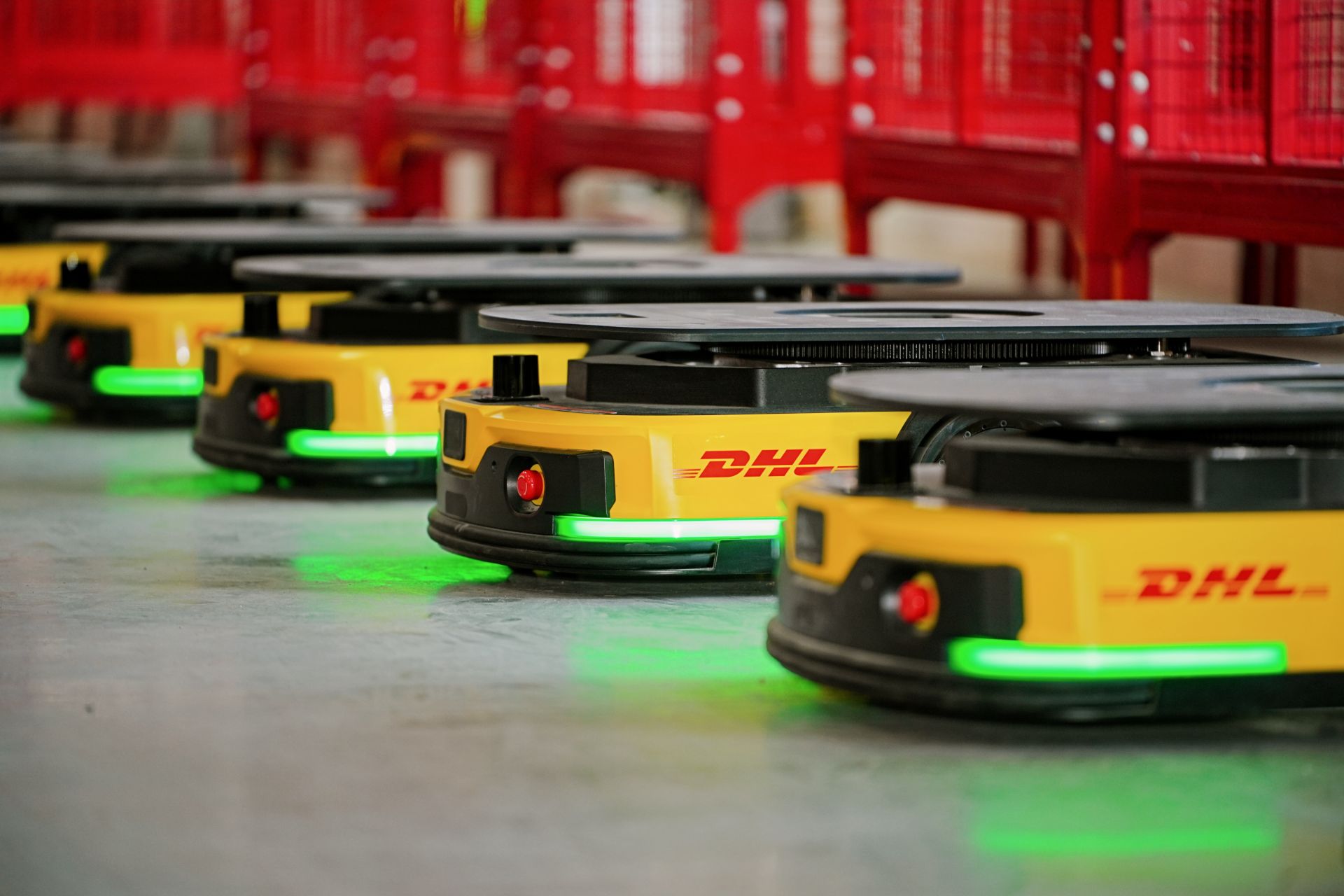
China is at the forefront of digital innovation globally, so we maintain close cooperation with numerous Chinese partners, especially in areas such as robotics technology. DHL typically deploys mature and validated technology solutions globally, so once we discover and validate effective innovative solutions in China, we will also promote them to other markets around the world, allowing more customers and businesses to benefit from China's innovative achievements.
Economic Observer: From the first batch of joint ventures in the early stages of reform and opening up to a cumulative investment of over 10 billion yuan in China today, the 40 years of Sinotrans DHL are also a microcosm of China's opening-up to the outside world. How will DHL Group further cultivate the Chinese market and continue to serve the interconnectivity between China and the global market in the next decade?
Ma Taoyuan:DHL Group's major business segments have been deeply rooted in China for many years.
In addition to DHL Express, DHL Global Forwarding and DHL Supply Chain have also been operating in the Chinese market for over 40 years, with DHL Supply Chain currently establishing a strategic partnership with SF Group. At the same time, DHL eCommerce and Post&Parcel Germany are actively supporting Chinese cross-border e-commerce enterprises and small and medium-sized enterprises to expand their international business.
All business segments of DHL Group will continue to firmly invest in the Chinese market.
On the occasion of the 40th anniversary of the establishment of Sinotrans DHL, we remain confident in the long-term development prospects of the Chinese market.
China has a large and dynamic market, a well-established industrial system, and continuously enhancing innovation capabilities. As China continues to promote high-level opening up to the outside world, international trade will continue to achieve mutual benefit and win-win results.
We believe that China's comprehensive advantages and open market environment will continue to create new opportunities for global trade and economic growth for many years to come.
In the future, we will continue to increase our investment in the Chinese market and further strengthen the connection between China and the world. Our goal is to make global trade more efficient, resilient, and sustainable, creating long-term value for customers and contributing to global economic development.

ST Qingyue fined 172 million yuan for suspected fraudulent issuance and illegal letter disclosure
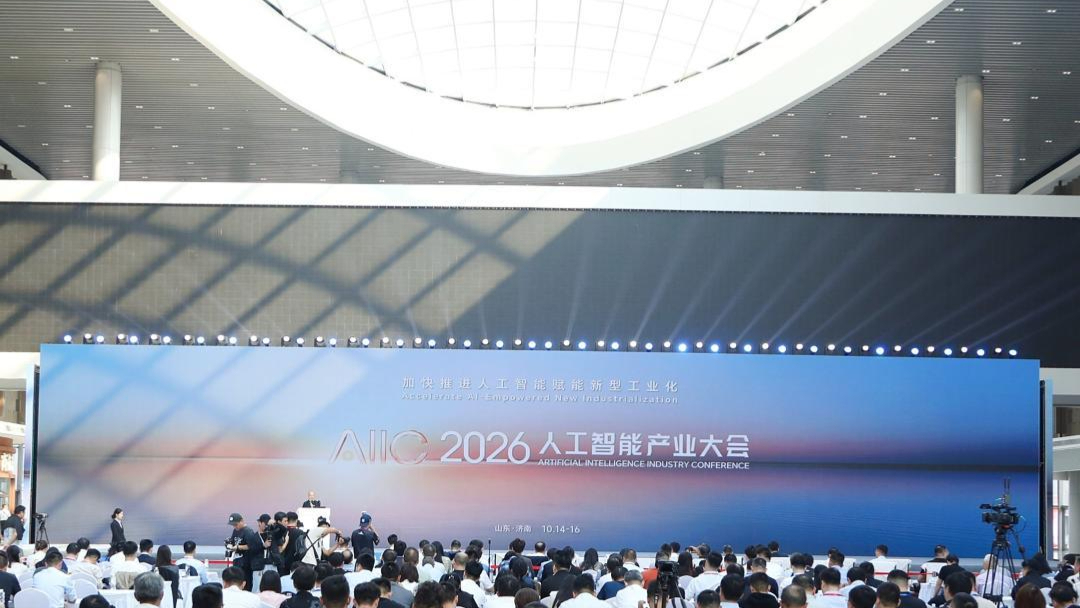
Focusing on "Artificial Intelligence Empowering New Industrialization", the 2026 Artificial Intelligence Industry Conference opens in Jinan

Can Traveler 7 take care of both commuting on weekdays and mountain trips on weekends? This time, the all-new Jetour Traveler 7 will focus on its "Keyo" # Smart Beauty Travel Champion Box # Kecheng Keyo Keyo Travel # 7 Series Square Box New Benchmark # New Traveler 7 Renewal Surprise Price Starting from 125900 yuan


