2026-10-04 15:44

Economic Observer reporter Zheng Chenye
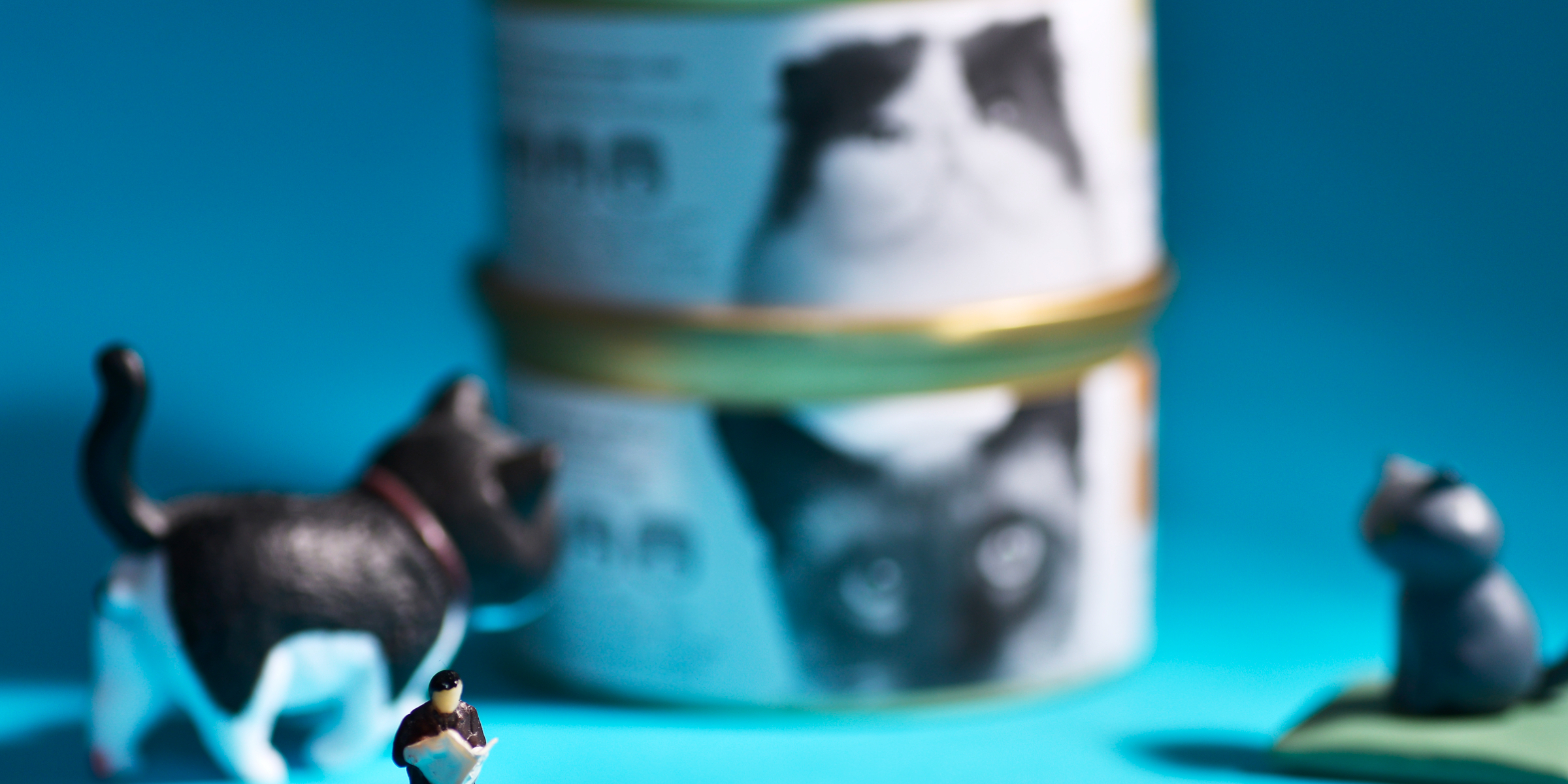
On the night before traveling abroad during the National Day holiday, Mr. Gao, who lives in Shanghai, sent his house password to a stranger. The other party was a home feeding person he found on social media, and the two had only talked on their phones. What Mr. Gao is most worried about during this trip abroad is the little cat named "Fugui" at home.
A few days before departure, Mr. Gao read many posts on social media about door-to-door cat feeding, and finally chose a person who lived not far from his house and had posted many cat feeding records. The other party offered 60 yuan each time. Considering that wealthy people are afraid of being born, they tend to hide under the bed when new people arrive at home. Mr. Gao listed a long list of precautions for the other party in the chat box - which cabinet to put cat food in, how to feed canned food, and not to forcefully grab when wealthy people hide. The two agreed that the other party would come to their door every other day and take a few photos of their wealth before leaving each time to send to them.
Before sending out the password, I hesitated for a long time, "Mr. Gao said. In the past, when he was away for a short time, he would take care of his friends nearby, but this time he was away from home for a longer period of time, and his friends also had their own holiday arrangements. He felt embarrassed to ask his friends to come to him every day and didn't want Fu Gui to change places to live.
According to data released by JD Consumer and Industrial Development Research Institute, a subsidiary of JD Group (09618. HK), on September 30th, the search volume for "pet feeding" on the JD APP increased by more than 300% in the two weeks leading up to National Day, and pet home service orders increased by more than 200% month on month.
Before leaving home, entrusting a cat or dog to someone used to be a small matter of mutual support between family and friends, but now there is a clearly priced option. The demand for home feeding is concentrated during long holidays, and pet hardware such as smart feeders and smart litter boxes are also entering more and more pet owning families.
Home Feeding
According to data released by the National Bureau of Statistics on July 15th, the national retail sales of services increased by 5.3% year-on-year in the first half of 2026. According to data released by the Paidu Pet Industry Big Data Platform, the consumption market size of urban pets (dogs and cats) in China will reach 312.6 billion yuan by 2025, a year-on-year increase of 4.1%.
This set of data also shows that when foster care is needed, pet owners still prefer pet stores, accounting for 48.5%, and those who choose professional home feeding services account for 11.4%, an increase from the previous year; When choosing a foster care institution, the proportion of pet owners who value real-time monitoring of pet conditions, user reputation, and affordable prices is significantly increasing.
Home feeding belongs to service consumption. In addition to individuals who receive orders on social platforms, pet stores, domestic companies and Internet platforms also provide this service. For example, in December 2025, Didi Chuxing will launch "Didi Pets" in more than 20 cities including Beijing, Shanghai, and Hangzhou, providing services including pet transportation, transportation, on-site feeding of cats and dogs, on-site cleaning and care, and pet home cleaning; As of April this year, JD Housekeeping has opened pet home feeding services in major areas of 23 cities.
Mr. Gao found while browsing relevant information that most of the individuals who accept orders define a service range of several kilometers around their residence, and charge based on the number of times. If they exceed the range or have an additional pet, the price will be increased. During the long holiday, the price will also be raised.
Mr. Li, who runs a community pet store in Shenzhen, mainly does laundry and foster care. Half a month before National Day, the foster homes in the store were already fully booked, and he received more than ten orders for home feeding, all of which were old customers of the store. Someone came to make an appointment a month in advance. Before the first service, he usually goes to the customer's home to take a look at the environment. Many customers have password locks installed at home and send them the password before leaving; Some customers also requested video calls and hung up after watching them finish feeding their cats. Before entering each door, Mr. Li always confirms the location of his pet to prevent cats and dogs from running out while the door is open.
Mr. Li only accepts home orders within 3 kilometers of the store. During holidays, the store houses a cat and charges 40 yuan per day. Feeding the cat at home once costs 60 to 80 yuan; Dogs need to go downstairs for a walk, which takes more than 40 minutes and incurs higher fees. Staying at a customer's house for 20 minutes takes more than half an hour on the way back and forth, "Mr. Li said. There are only two employees in the store, including himself, and one person must be left to take care of the store. He can only visit five or six customers a day, and when encountering customers who have several cats at home, the time will be even longer.
Most of the customers who come to visit him on weekdays are old clients who travel on business or weekends, with about ten orders per month. The highest number of orders in a year is during the Spring Festival, followed by National Day. During the long holiday, everyone wants to go out and play. There are fewer people willing to take orders, but there are more people coming to visit, so the price naturally increases, "Mr. Li said.
He has no plans to hire someone specifically to provide on-site services. "Hiring someone to come to your doorstep, even if there are no orders, you have to pay your salary as usual. Coming to your doorstep itself doesn't earn much money, and I do this mainly to retain old customers. They usually bathe their pets and buy food in the store," he said.
Foster care can concentrate many pets in the store for care, while home feeding can only be done door-to-door. The number of households that a person can serve in a day is limited, and the farther away they are, the fewer orders they can accept. It is difficult for this service to expand its scale by increasing the number of cage spaces like foster care.
Mr. Li knew a colleague who made home feeding a full-time job, resigned from his job to take on orders, and later found a few people to divide the work according to the district, arranging them in order of distance from the community every day, from morning to evening. During the long holiday, one person could come to more than ten households a day. After the long holiday, there are fewer orders, and it's difficult to support a team just by coming to our doorstep, "Mr. Li said.
Before this year's Spring Festival, data released by 58.com showed that since January, the demand for pet foster care on the platform has increased by over 40% year-on-year and 46% month on month, with dog foster care demand being six times that of cats.
Most of the foster dogs in Mr. Li's store are also dogs. In his opinion, dogs need to be taken for walks twice a day, and a home visit cannot solve the problem. That's why cat owners prefer to keep their cats at home.
This year's National Day, Ms. Wang from Shenzhen placed her first order on the platform to have someone come to feed her cat. She compared the certification information and user reviews of several home feeders, and finally chose a full-time practitioner who agreed to come to her home once a day for 50 yuan each time. After the other party comes to the house, add food, change water, clean cat litter, play with the cat for a while, and then send her the video.
Previously, I used to rely on my friends to come and take care of me, but they could help me once or twice. After a few more times, I feel embarrassed to speak up again, "Ms. Wang said.
According to a survey conducted by JD Consumer and Industrial Development Research Institute on September 30th, among 1000 pet owners, 31.4% of respondents chose home feeding as their first choice for holidays this year. Among them, 38.8% relied on family and friends for help in previous years, and 31.9% sent their pets to foster care in previous years.
In this survey, compared to entrusting family and friends, 48.7% of respondents value home feeding as "not owing favors"; Compared with foster care, 38.7% of respondents value pets not having to change environments, while only 5.1% value "more flexible prices".
The above survey shows that the proportion of respondents who choose to feed their pets at home, who are "sensitive in personality and easily nervous when changing environments," is the highest, at 37.5%. In addition, it is also not easy to go out with pets. In the survey, 59.9% of respondents believed that pet friendly hotels are relatively rare and have a significant premium.
The concerns of the respondents about home feeding mainly focus on the entry process. 34.7% of the respondents are worried about privacy leaks such as home address and door password, 30.5% of the respondents are worried about the loss or leakage of door locks, keys, and access controls, and 30.1% of the respondents are worried that the other party is just checking in and not taking good care of their pets.
There are only chat records between Mr. Gao and the on-site feeders, and no agreement has been signed. As the person is abroad, the situation of the pet can only be confirmed by the photos sent by the other party. He specifically instructed that in addition to taking pictures of the cat, the food box and litter box should also be taken. One day, the other party sent the photo a few hours late. He glanced at his phone every now and then until he saw Fu Gui eating, he finally felt relieved.
According to the service requirements announced by JD.com, on-site feeding personnel must undergo real name verification, background checks, and training assessments. The service content must be standardized, and key links must be marked. In the above survey, 57.4% of respondents knew that home feeding services could be found through comprehensive platforms. The two items that respondents believed could dispel their concerns the most were real name authentication, as well as evaluations and historical service records on the platform.
Standardizing training and strengthening verification can indeed reduce risks, but if pets encounter problems during care, the division of responsibilities still depends on the prior agreement between both parties.
The Beijing Consumers Association reminded in March this year that when choosing pet foster care and home feeding services, several risks should be prevented, including some businesses accepting orders beyond their capacity leading to service shrinkage, some family style foster care without operating licenses, opaque fees during holidays, individual businesses disappearing after receiving a deposit, and unclear rights and responsibilities and difficulties in protecting rights when pets get sick, die or bite others during foster care.
The association suggests that consumers conduct advance inspections, check the qualifications of merchants, sign written agreements, and specify the health status of pets, daily care standards, emergency response methods, and responsibility allocation in case of problems in the agreement.
After handing it over to the machine
In addition to inviting people to take care of them, the machines at home are also sharing more and more caregiving tasks. For example, some people go out for several days without inviting anyone to come, relying solely on automatic feeders, water dispensers, and smart litter boxes; Some people also assign machines to handle daily tasks and schedule visits every few days.
But how much care can a machine take on for its owner depends first on whether it has a cat or a dog at home.
According to the data from the Paidu Pet Industry Big Data Platform, in 2025, the number of urban pet cats will be 72.89 million, and the number of pet dogs will be 53.43 million, with 19.46 million more cats than dogs; The consumer market size for cats is 152 billion yuan, a year-on-year increase of 5.2%, while the consumer market size for dogs is 160.6 billion yuan, a year-on-year increase of 3.2%. The growth rate of the cat consumer market is even faster.
Mr. Li, the owner of the aforementioned pet store, also sells related pet equipment in the store, and almost all of the customers who come to purchase are cat owners. The dog has to go downstairs for a walk every day, machines can't help much, "Mr. Li said.
Multiple interviewees told reporters that cats generally have stronger ability to be alone than dogs, and they eat indoors, excrete in the litter box, and can be fed, watered, and "pooped" by machines. The reporter also noticed during the search on the e-commerce platform that the smart cat litter box is a product designed specifically for cats. After the cat goes to the toilet, the machine will screen the clumped cat litter into the bottom collection bin; Intelligent devices for dogs mainly include feeders, water dispensers, and cameras, and machines cannot replace walking dogs.
Developing products for cats has a relatively lower threshold, and the number of brands entering this field is constantly increasing. Price competition is becoming increasingly fierce, and exchanging price for quantity is the growth model for most categories of pet home appliances.
According to monitoring data from OviCloud, the overall average price of pet home appliances in e-commerce channels decreased by 6.9% year-on-year in the first half of 2026; The retail average price of smart cat litter boxes is 1143 yuan per set, a year-on-year decrease of 13.9%. The retail volume is 175000 sets, a year-on-year increase of 18.4%, and the retail sales are 200 million yuan, a growth of only 1.9%.
The core function of automatic "scooping" has already been done in a similar way by various brands, and competition quickly shifted towards price. On e-commerce platforms, entry-level smart cat litter boxes priced below a thousand yuan can be seen everywhere, with overall prices ranging from a few hundred yuan to over two thousand yuan.
This is a process that many emerging consumer goods industries have gone through - after a certain category becomes popular, a large number of manufacturers flock in, products quickly homogenize, prices continue to decline, and quality is inevitably uneven.
Many interviewees told reporters that they do not want to be cheap when choosing smart litter boxes. Cats are used every day, and those that are too cheap always worry about problems. Buying them back can be frustrating, "said a interviewee who owns two cats. Another interviewee told reporters that when choosing a smart litter box, her biggest concern is the anti pinch design, and she would rather spend a few hundred yuan than try it out with her own cat.
In July of this year, the State Administration for Market Regulation released the "Guidelines for Quality and Safety Risk Classification and Evaluation of Smart Home Appliances" national standard, which includes risks such as mechanical injury and user privacy leakage of smart home appliances in the evaluation scope, and divides products into four levels: A, B, C, and D according to the level of risk. This standard will be implemented from February 1, 2027.
Although hardware prices are decreasing, brand owners still have other sources of income. The reporter noticed that many smart cat litter boxes need to be paired with dedicated toilet bags and deodorizing boxes, and some brands also sell matching cat litter. These consumables need to be continuously purchased by users. For brands, consumables themselves are a big business.
Aowei Cloud Network lists Xiaopei, Homan, and CATLINK as the three top brands in the smart litter box market. According to its introduction, CATLINK not only sells hardware, but also provides software and services that cover the entire lifecycle of users' device usage.
The reporter found that these brands started with one or two products and gradually expanded to categories such as feeders, water dispensers, and litter boxes, using their own apps to connect various devices. For example, Xiaopei entered the pet supplies market earlier through smart water dispensers and automatic feeders, CATLINK started with smart litter boxes, and Homan's early core products were smart feeders and water dispensers. With the diversification of product types by brand manufacturers, pets' eating, toileting, and weight records are all kept in the brand's app, and the cost of users switching brands has also increased.
In addition, various brands are also competing in terms of functionality. When searching for products on e-commerce platforms, the reporter noticed that the functions of smart pet devices have become diverse. Cameras, remote control through apps, automatic sanding, and multi cat recognition can be seen on many models, while excretion data statistics and health warnings have become the main selling points of mid to high end models.
Due to the common occurrence of urinary system diseases in cats and their habit of hiding discomfort, health warning functions have become the focus of various brand manufacturers. For example, some flagship products can distinguish multiple cats in the home, and when combined with urine test litter that changes color when encountering urine, they can indicate urinary system problems in their pets.
But these functions still cannot completely replace humans. Although pet related information, such as whether they eat on time and excrete normally, is pushed to the owner's phone, after reminders are issued, some situations still require someone to be present to handle: the cat litter box is stuck with sand, the feeder is stuck with food and need to troubleshoot, the toilet compartment is full and needs to be emptied in a timely manner, and if there are abnormal toilet data, someone needs to bring the pet for medical treatment.
Multiple interviewees told reporters that when the smart litter box first arrived home, some cats were afraid to enter and needed to adapt for a period of time; Before going on a long journey, they will first empty the toilet bin and fill up the cat litter to extend the operation time of the equipment as much as possible when it is unattended.
Ms. Xiao, who lives in Shenzhen, has equipped her cat with several devices. Among them, the smart cat litter box was replaced this spring for just over 1000 yuan. After that, she has to purchase a toilet bag and a deodorizing box every month. When going out, she checks the situation at home through the camera every day. When it's feeding time, the cat always stays in front of the feeder and waits for the food to come out.
During this year's May Day holiday, Ms. Xiao went out for a few days, but the next day a prompt popped up on her phone saying that the litter box was stuck, and the automatic cleaning stopped immediately. By the time she returned home, the litter in the pot had already formed clumps, and the smell inside was very strong. So, during this year's National Day holiday, she made an appointment for home feeding services. Someone would come to her every few days to inspect the equipment, clean the toilet, replace the water, and check the condition of the cat.
Machines save a lot of things, but they still cannot do without people, "Ms. Xiao said.

Xilinx officially announced that Wanjie has joined the Mercedes Benz and BMW supercharging camp, with over 600 stations directly connected
OPPO Find X10 tops sales on the standard version track

Technology Show | iQOO16 is now available for sale, under the name of Standard Edition, to meet the requirements of Pro Max product strength


 Subscribe