2026-09-29 16:27

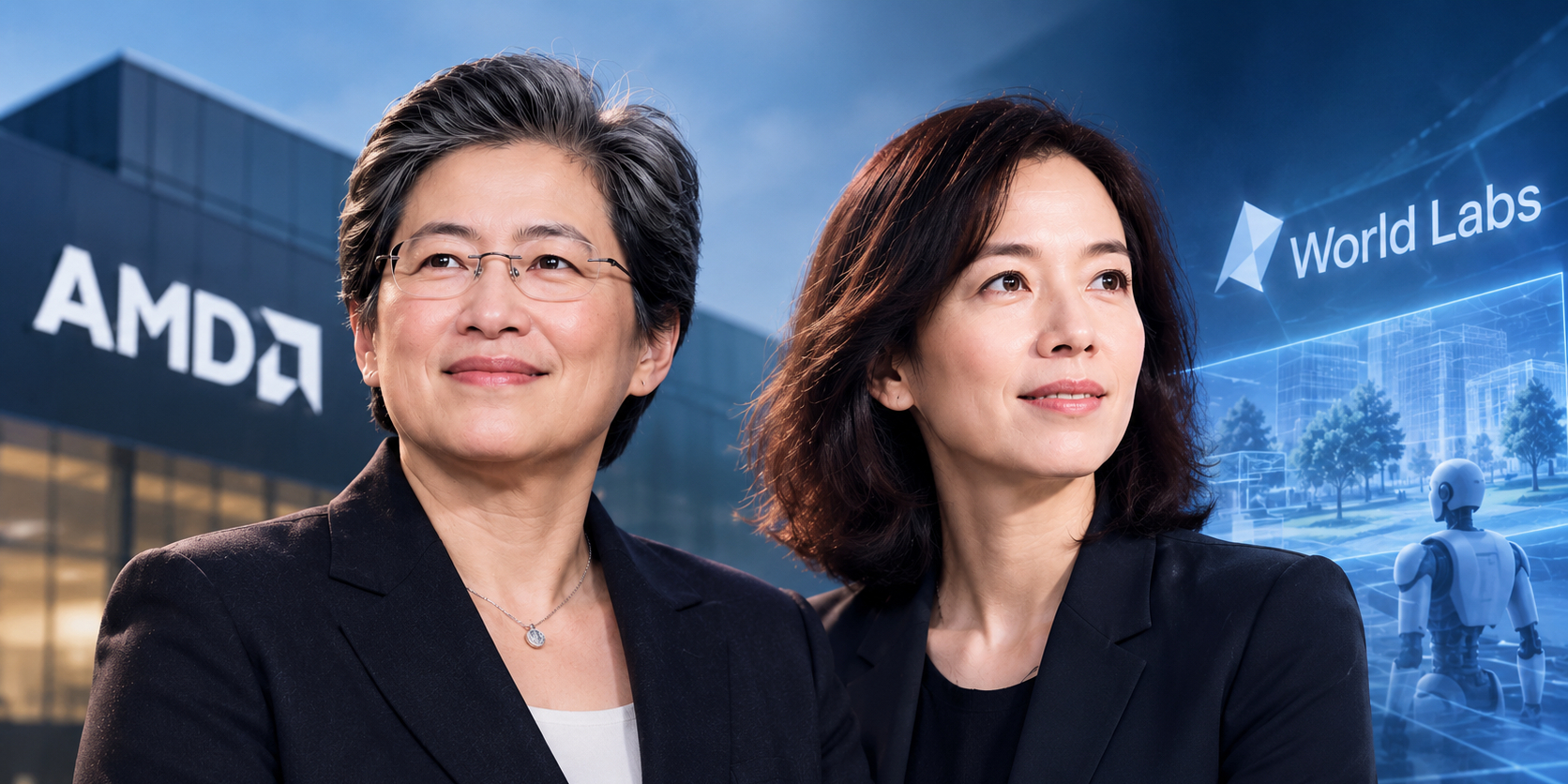
A major acquisition in Silicon Valley has once again brought the "world model" into the spotlight of the artificial intelligence industry.
On September 28th local time, AMD announced that it has reached a final acquisition agreement with artificial intelligence startup World Labs. According to the agreement, Li Feifei, founder of World Labs, will join AMD as Executive Vice President and Chief Scientist after the transaction is completed, and report directly to AMD CEO Su Zifeng. For World Labs, which has only been established for two years, this is undoubtedly a sizable transaction; For AMD, the significance of this acquisition may not only lie in acquiring an artificial intelligence company, but also in its layout for the next stage of artificial intelligence technology development.
In recent years, generative artificial intelligence represented by big language models has developed rapidly, and its ability to understand and generate information such as text, images, and code has been continuously improved. However, as artificial intelligence gradually moves from the digital space to the real world, new technological demands also emerge. Applications such as robotics, autonomous driving, augmented reality, and virtual reality not only require AI to understand language and visual information, but also require it to further understand objects, positions, relationships, and environmental changes in three-dimensional space, and make predictions, plans, and decisions based on this.
The 'world model' is receiving attention in this context. Compared to traditional models that primarily handle language and visual information, world models attempt to help artificial intelligence establish spatial understanding of real or virtual environments and further simulate environmental changes, thereby enhancing AI's ability to interact with the real world.
This is also an important reason why World Labs has attracted attention from the industry. World Labs was founded in 2024 by Li Feifei and others, mainly researching space intelligence and world models. In July of this year, the company further acquired robot training software company SceniX, combining related technologies with robot training and virtual simulation.
Simply put, robots can be trained and tested in more realistic virtual environments, and then gradually apply their relevant abilities to real-life scenarios. For industries such as humanoid robots that are still in a rapid development stage, this type of technology is expected to reduce training costs in some real-world environments and provide new technological paths for improving robot perception, planning, and action capabilities.
From AMD's perspective, this acquisition has a deeper industry logic. As one of the world's major AI chip manufacturers, AMD has long been involved in the construction of artificial intelligence computing infrastructure. However, with the continuous evolution of AI models and applications, the competition faced by chip companies is no longer limited to simply improving computing performance. If future AI is to handle more complex 3D environments, physical simulations, and real-time interactive tasks, it may pose new requirements for computing architecture, storage, communication, and software hardware collaboration.
AMD CEO Su Zifeng stated that the deeper one understands the end-to-end process of artificial intelligence, the more it can help build better systems. The inclusion of World Labs' research team and related model capabilities into the AMD system means that AMD hopes to further enhance its understanding of next-generation AI workloads and technology trends, and promote closer collaboration between models, software, and hardware.
It is worth noting that AMD has previously participated in the financing of World Labs. World Labs completed approximately $1 billion in financing in February this year, with investors including technology companies and investment institutions such as AMD and Nvidia. From investment to further acquisitions, it reflects that industrial capital's attention to emerging technologies such as space intelligence and world models is continuously heating up. At the same time, the competition in the artificial intelligence industry is also extending from big models themselves to broader industrial chains such as computing power, data, software, robots, and real-world applications. For technology companies, whether they can truly transform cutting-edge technologies into stable and scalable applications still requires continuous technological research and market validation.
Of course, the world model is still in the development stage, and its commercialization path, technological maturity, and practical application value all need time to be tested. For the entire industry, how to effectively connect basic research with industrial applications, how to improve infrastructure such as computing power and data, and seek a balance between innovation and security may be more important than simply pursuing a certain technological concept.
From this perspective, the signal released by AMD's acquisition is worth paying attention to: artificial intelligence is moving further from the digital world to the real world, and the technological system supporting this change will also become more complex. The future competition of AI is not only a competition of model capabilities, but also a collaborative competition of chip, software, data, and application ecosystems. For industry participants, continuously strengthening basic technological innovation, promoting the coordinated development of software and hardware, and making artificial intelligence better serve the real economy and practical applications may be the more noteworthy direction for this round of technological evolution.
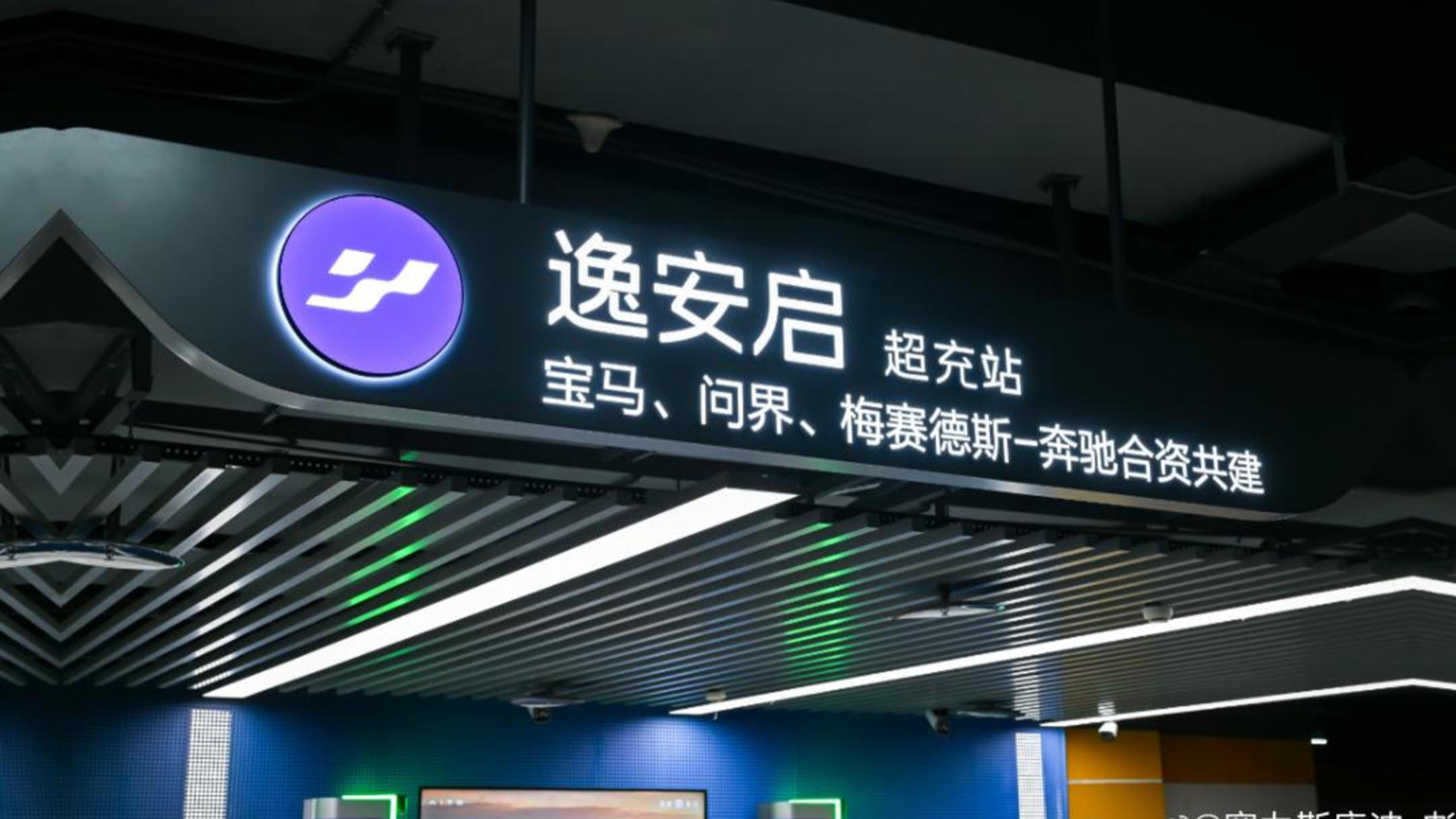
Xilinx officially announced that Wanjie has joined the Mercedes Benz and BMW supercharging camp, with over 600 stations directly connected
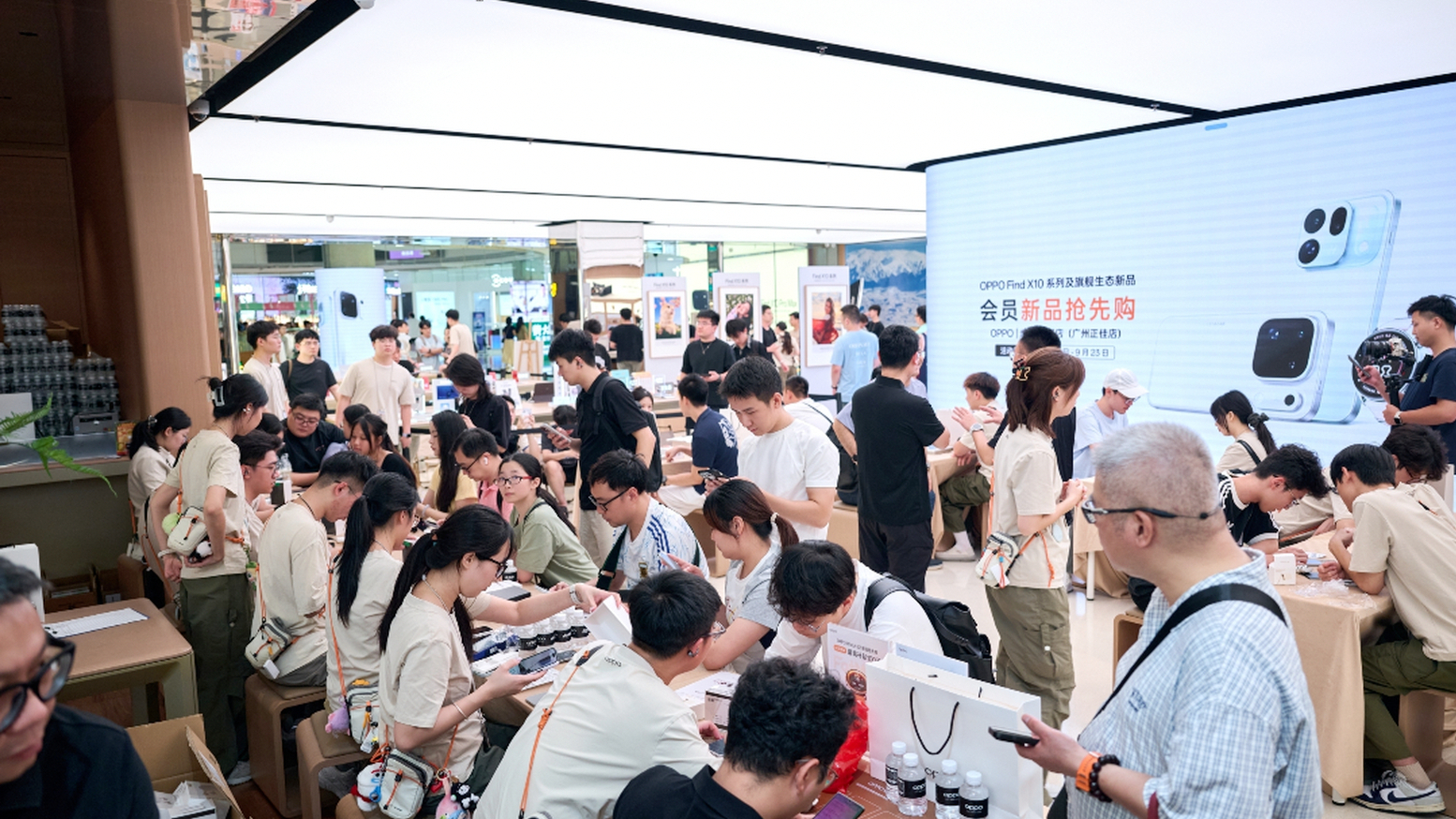
OPPO Find X10 tops sales on the standard version track
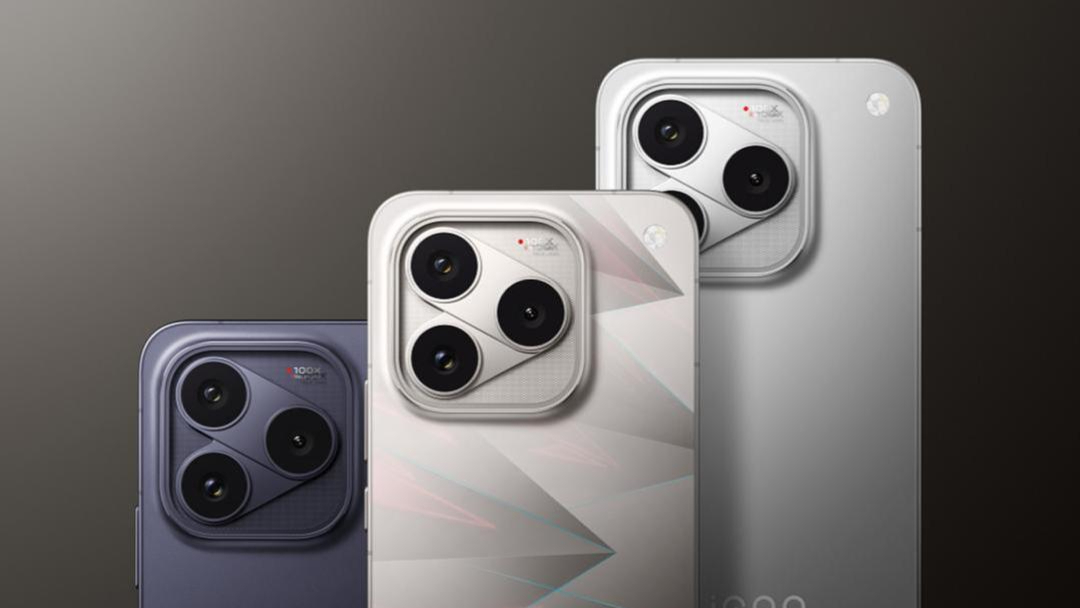
Technology Show | iQOO16 is now available for sale, under the name of Standard Edition, to meet the requirements of Pro Max product strength