2026-09-22 11:09

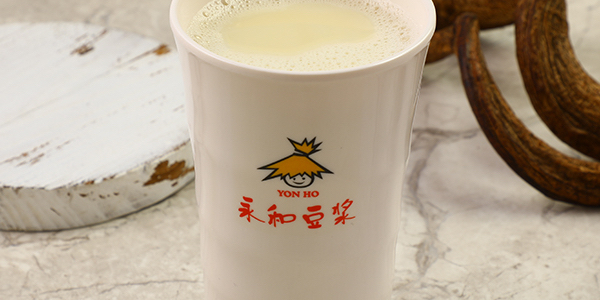
Yonghe soybean milk was caught in the whirlpool of public opinion this time because the video released by its authorized e-commerce account was referred to as "edging".
According to the media, an account named "Yonghe soybean milk Beverage Flagship Store" released several videos containing black silk dressing, bathroom bathing, etc., which had nothing to do with soybean milk products. The story lasted about 15 seconds before entering the product introduction.
According to the industrial and commercial information, the authentication subject of the "Yonghe soybean milk Chongyin Flagship Store" involved is Hangzhou Duanbamao Trade Co., Ltd. The number of fans of this account is about 4.057 million, far exceeding the size of the official flagship store of Yonghe soybean milk, 607000, which is nearly seven times that of the latter. Another account "Yonghe soybean milk Light Food Flagship Store" involving "scraping" content, and the certification subject is Hangzhou Weilie Trading Co., Ltd. Both of them have no equity relationship with Yonghe soybean milk, the official operating entity of Shanghai Yonghe. Yonghe soybean milk official responded that these accounts are the sales channels of brand authorized supply, "as long as the flagship store is marked, it is brand supply", and said that there are internal departments to carry out daily supervision on the content of authorized accounts.
On September 17th, the customer service of Yonghe Food (Co., Ltd.) replied to this matter, stating that they have provided feedback to netizens regarding the relevant issues and will conduct an internal investigation. On September 18, the customer service of Yonghe soybean milk Chongyin flagship store said: "The brand has always focused on product quality, and I'm sorry to bring you a bad impression."
The brand outsources traffic operations to a third party, but consumers' brand awareness does not differentiate between "official" and "authorized" based on this. To what extent can the brand's control over content compliance extend under the authorization mode?
Is it resolved immediately after removal?
After each brand marketing failure, the official response often presents a highly similar pattern: emphasizing that the content is created by a third party, the brand is "unaware", the video has been taken down and internal rectification has been initiated.
In August this year, after the public outcry caused by the Qixi short video released by the official flagship store of Dove, the brand responded that the video was "personal creation, does not represent the brand's position", and even emphasized that "if you don't like it, you can leave it". This kind of gesture further intensified public dissatisfaction. It was not until public opinion continued to ferment that the brand issued an apology statement, stating that it did not strictly follow the brand's content review process.
In March of this year, Logitech China claimed that insulting consumer advertisements were "published by employees without authorization", but it could not conceal the problem of its review process being virtually non-existent.
If the brand lacks supervision over the borderline content of authorized accounts and transfers brand reputation to traffic, the public will see that they would rather sacrifice decades of accumulated national goodwill than exchange for a few days of hot search hype. The term 'omission' is often used in corporate reporting, which is actually a way to shift the main responsibility. The true brand responsibility should be to face management loopholes, publicly rectify paths, and rebuild user trust. What consumers want is not operating instructions that have been taken down, but a candid explanation of why it happened and how to prevent it.
There are many irregularities in authorization
The collapse of domestic brands due to vulgar marketing content is not an isolated case, and such chaos has spread to multiple industries.
The flagship store of Lvyuan electric vehicles asked models to wear stockings and short skirts and put their legs on the handlebars to shoot a "nap tutorial"; When promoting men's outdoor running shoes, the flagship store of Huili Men's Shoes asked female models to wear black silk, do nail art and gently stroke the shoe surface, using edge wiping images to attract attention; The anchor of Haihe Milk live broadcast room frequently uses dialect vocabulary with sexual implications, combined with indecent body movements to maintain the number of viewers .....
It should be noted that during the expansion or authorization process, the brand's control will weaken, and once a negative impression is formed, it is difficult to eliminate it.
Risk Test
The fans of Yonghe soybean milk authorized stores far exceed the official stores, which means that the third party will "grab" more traffic. However, although this "third-party operation and brand supply" model can help brands grow quickly, it is also prone to the risk of content violations. Under the logic of traffic equals sales, many brands believe that cutting corners is a shortcut. However, the Yonghe soybean milk incident shows that the cost of this shortcut may be far higher than expected - the trust assets accumulated by the brand for decades may be damaged by more than ten seconds of vulgar content.
Song Xiangqing, Vice President of the Chinese Society of Business Economics, believes that if brand owners only enjoy the benefits brought by authorization but do not bear the responsibility of content supervision, then every "borderline" is overdrawn brand assets.
What measures can the brand take when the behavior of authorized accounts damages the brand reputation?
From a legal perspective, if the authorization agreement includes compliance clauses, the brand can hold the operator responsible according to the contract; If the agreement is unclear about this provision, the brand's means of accountability will be very limited.
This incident may prompt more brands to clarify content review standards and violation punishment mechanisms in their authorization agreements, and implement content compliance from verbal commitments of "daily supervision" to contract terms.
How to deal with the soybean milk incident of Yonghe will become a window to observe the trend of brand authorization e-commerce model. If the brand only responds with 'taken down, to be investigated', similar issues may repeat themselves in other brands; If brand owners and platforms establish clearer content compliance mechanisms through this, it may drive the entire industry to shift from traffic centric to compliant operations.
In addition, platform regulation is also crucial. The reason why such "borderline" content can exist for a long time and accumulate over 1900 videos, with an average of about 2.6 daily releases, indicates that the platform has loopholes in the content review process. If the platform does not strengthen the recognition and handling of such content that promotes products under the guise of vulgar traffic, similar incidents may occur again.
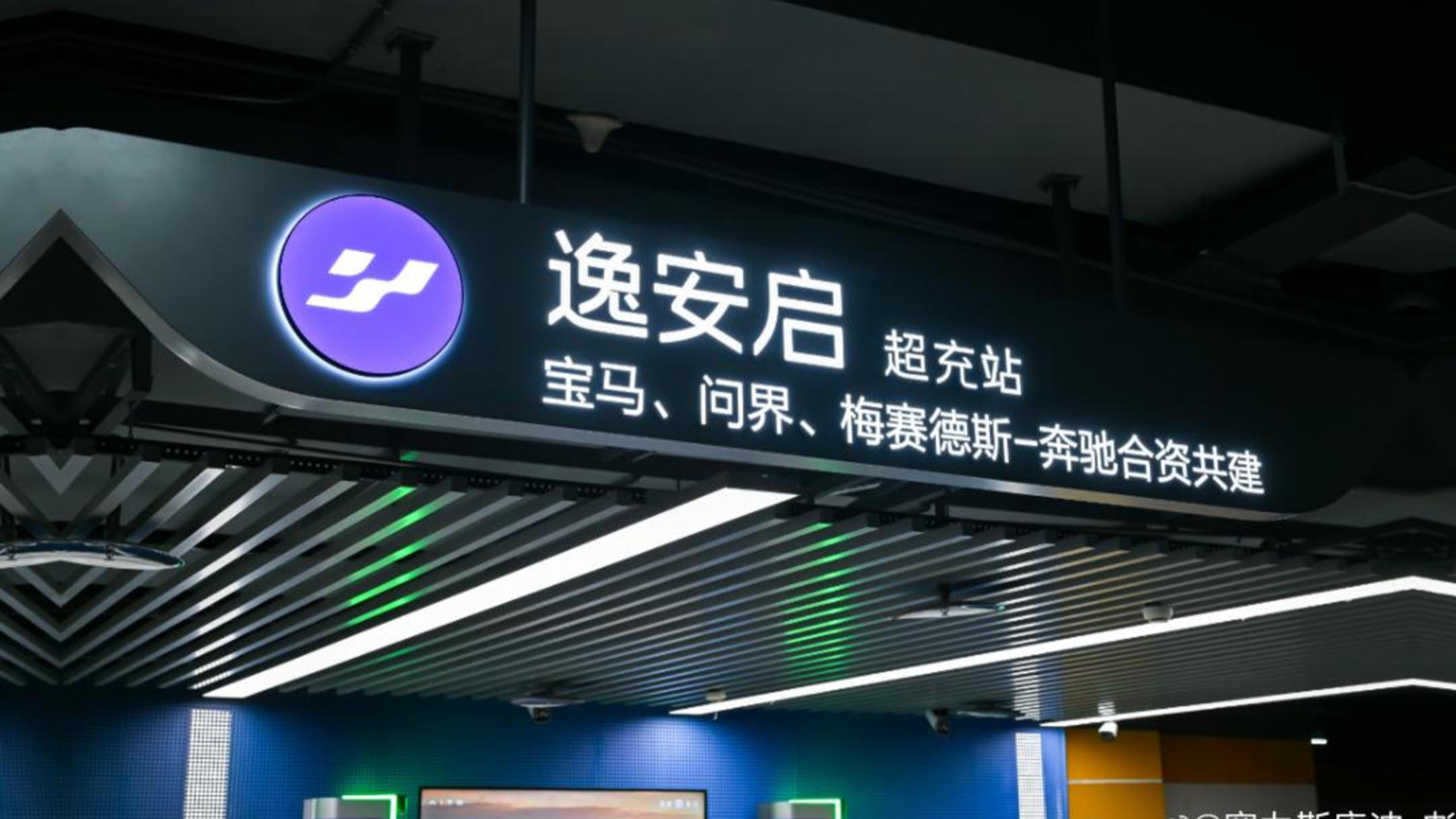
Xilinx officially announced that Wanjie has joined the Mercedes Benz and BMW supercharging camp, with over 600 stations directly connected
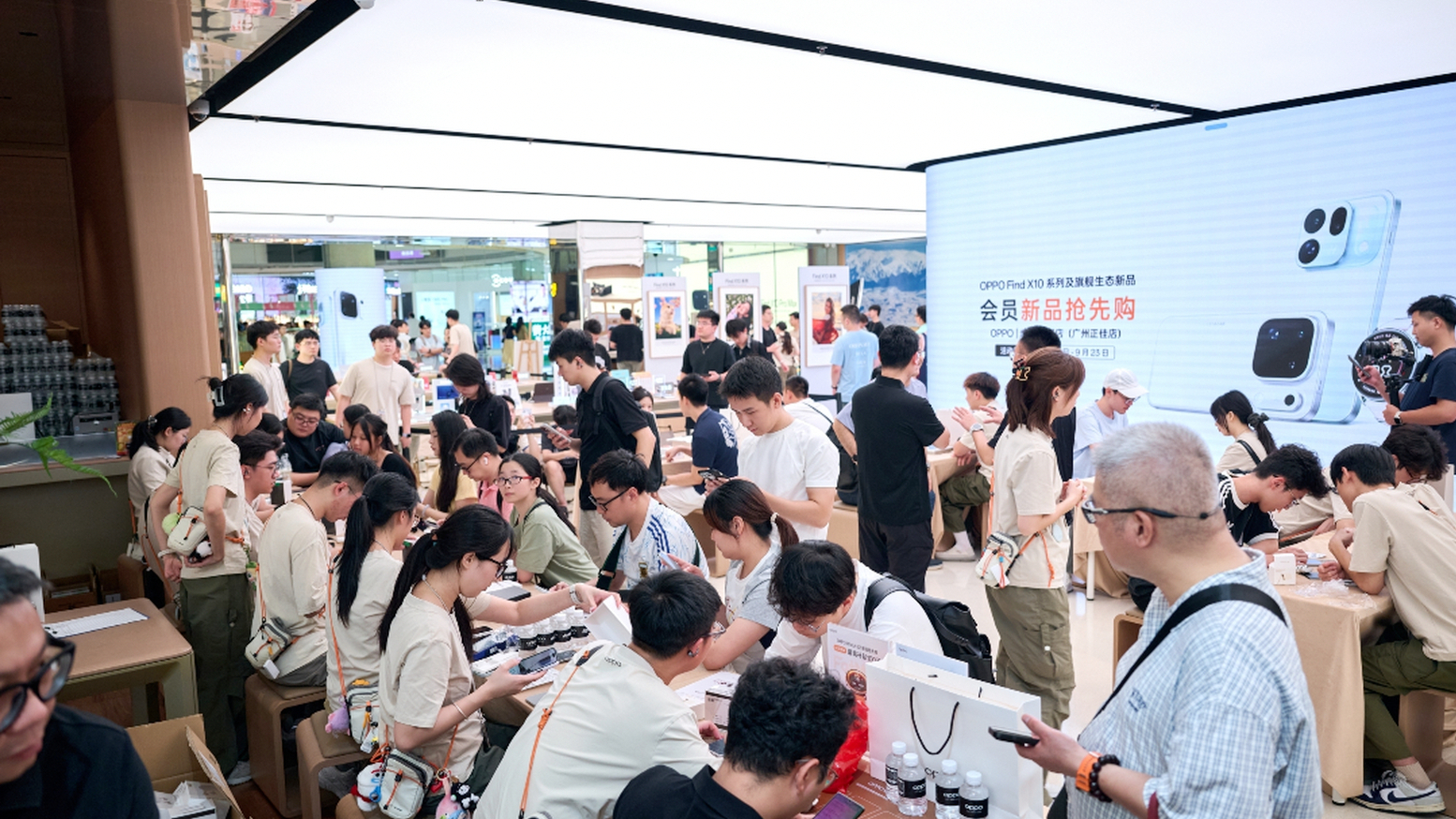
OPPO Find X10 tops sales on the standard version track

Technology Show | iQOO16 is now available for sale, under the name of Standard Edition, to meet the requirements of Pro Max product strength