2026-09-21 17:34


On September 20th, the list of winners for the 2026 Science Exploration Award was officially announced, with 50 young scientists receiving the award. For the first time in this year's list, "post-95" award winners have appeared, and the number of female award winners has reached double digits for the first time. Each awardee will receive a total of 3 million yuan in discretionary prize money over the next 5 years.
Specifically, this year's 50 award winners have an average age of 40.5 years old, and their research covers 10 fields of basic science and cutting-edge technology, from 30 universities, hospitals, and research institutions in 13 cities. For the first time, local institutions in Zhengzhou, Henan and Tai'an, Shandong have produced award winners; Seven institutions, including Peking University Cancer Hospital, ShanghaiTech University, Shandong Agricultural University, and Zhengzhou University, have won awards for the first time.
The "Scientific Exploration Award" has set an age threshold for application. Female scientists need to be 48 years old or younger, while male scientists need to be 45 years old or younger.
This year, Zhou Tiankong from Beijing Institute of Technology became the first "post-95s" winner of the award. He achieved large-scale intelligent light training and inference chips for the first time, and will explore the architecture of brain like photon memory chips in the future; Joshua Norbert Zahl, a Canadian award winner from Nankai University, collaborated with mathematician Wang Hong to prove the three-dimensional hanging valley conjecture, which was also an important achievement for Wang Hong to win the Fields Medal.
During the media interview, Xi Dan, Senior Vice President and Chief Talent Officer of Tencent, stated that the most difficult stage for young scientists is the 5-10 years after obtaining their doctoral degree. At this time, personal scientific research is often in the most critical climbing stage, but they also face life challenges such as starting a family and establishing a career, having an old family and a small family. Many excellent scientists find it difficult to achieve good economic returns in the short term due to their dedication to scientific research. The original intention of the Science Exploration Award is to support young scientists with great potential and clear goals to devote themselves wholeheartedly to scientific research
In the past few years, interviewed award-winning young scientists have also openly discussed the destination of the 3 million yuan prize money. This includes buying a house, improving laboratory conditions, and purchasing expensive research equipment. For example, in this year's media interview, Chen Yuanliu, the winner of the Science Exploration Award, mentioned, "Ultra precision machining will use expensive diamond materials. Because of the high price, students in the laboratory are very worried and dare not use them easily. I think this will not be a problem in the future
As of the announcement of this year's award list, the Science Exploration Award has supported 397 young scientists over the past 8 years.
Xi Dan said that according to incomplete statistics, nearly 400 award winners have achieved further outstanding scientific research results after winning the award. 56 people's research achievements have been selected for the National Science and Technology Award, and 18 people's work has been selected for the Top 10 Scientific Advances and Top 10 Scientific and Technological Advances in China.
The Science Exploration Award is a public welfare award funded by Tencent, led by scientists in talent selection, and operated by the New Cornerstone Science Foundation. It was jointly initiated by 14 well-known scientists including Yang Zhenning, Rao Yi, Shi Yigong, Pan Jianwei, Gao Wen, and Tencent founder Ma Huateng. It is currently one of the highest funded youth science and technology talent funding projects in China. The awards focus on basic science and cutting-edge technology, and the prize money is independently determined by the winners. The selection process is fully supervised by the Foundation's Supervisory Committee. This mechanism is designed to encourage young scientists at their peak of creativity to devote themselves to original innovation through long-term and stable support.

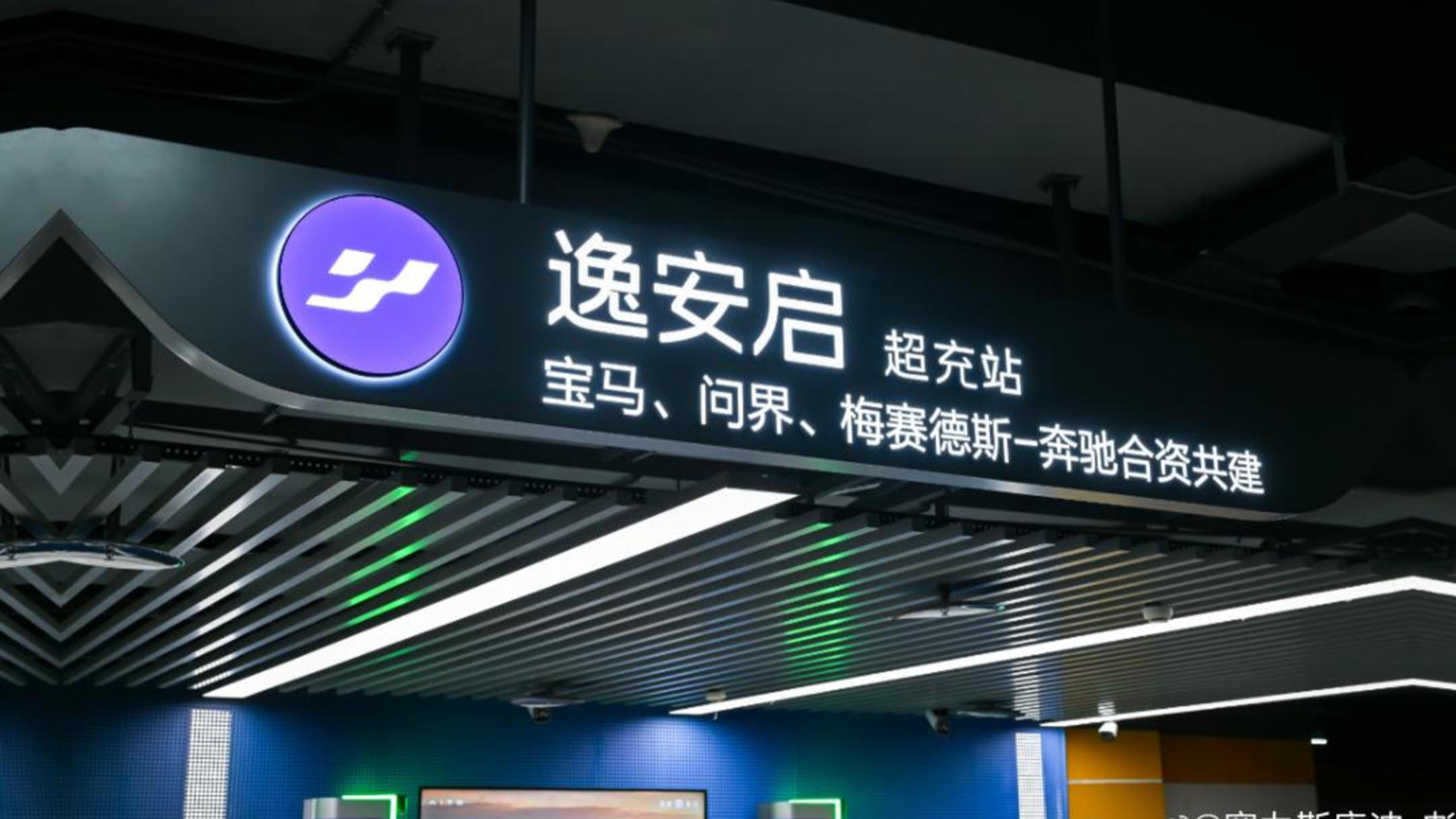
Xilinx officially announced that Wanjie has joined the Mercedes Benz and BMW supercharging camp, with over 600 stations directly connected
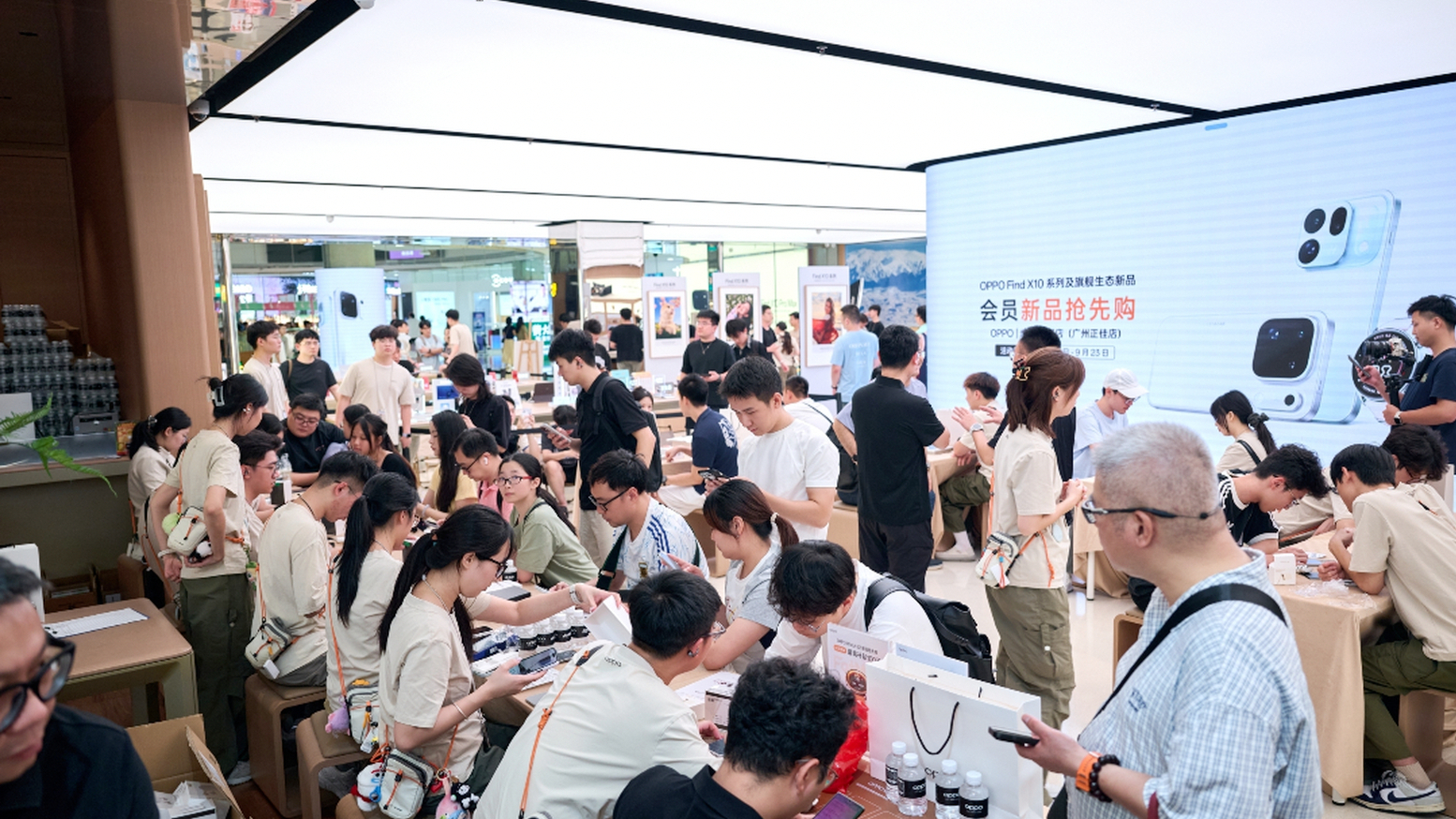
OPPO Find X10 tops sales on the standard version track

Technology Show | iQOO16 is now available for sale, under the name of Standard Edition, to meet the requirements of Pro Max product strength


 Subscribe