Economic Observer Follow
2026-09-18 22:04

Economic Observer reporter Lao Yingying
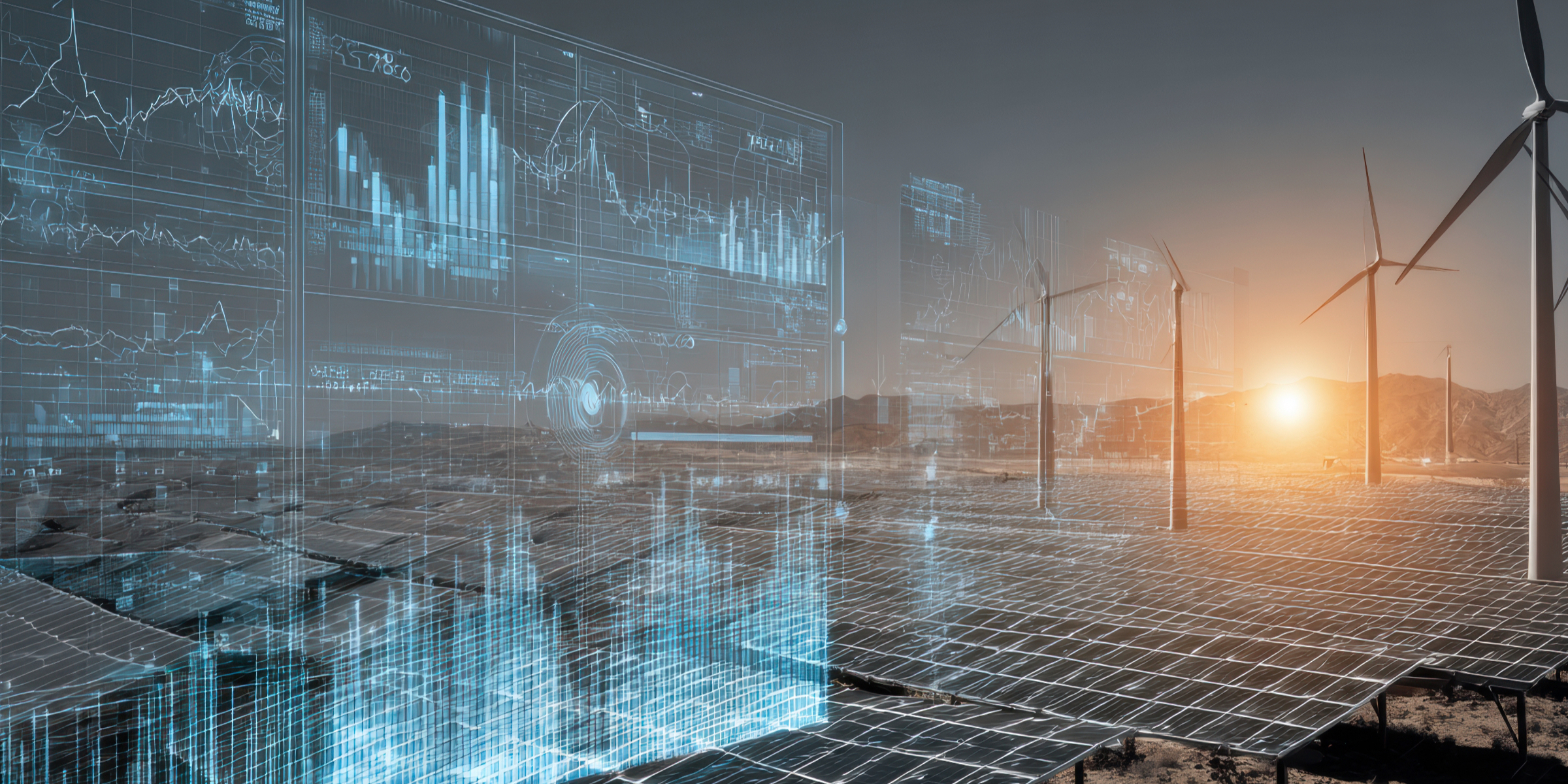
The 2026 Shenzhen International Digital Energy Exhibition will be held from September 15th to 17th at the Shenzhen Convention and Exhibition Center. During the exhibition, KPMG officially released the "World Energy Statistical Yearbook 2026" (hereinafter referred to as the "Yearbook").
The Yearbook shows that by 2025, the total global energy supply will exceed 600 exajoules for the first time, and renewable energy will become the largest source of energy supply growth for the first time during non economic downturns. Among them, solar power generation contributed 71% of the increase, and the proportion of solar power generation in total power generation will surpass wind power for the first time, almost on par with nuclear power.
This marks a structural shift: the global energy system is shifting from supplementing fossil fuels with clean energy to a pattern where clean energy is increasingly replacing fossil fuels. However, at the same time, the absolute consumption of fossil fuels is still expanding and maintaining its dominant position, accounting for 86% of the total energy supply; All energy consumption, including fossil fuels, has reached a historic high.
Cai Zhongquan, Director of KPMG China and Managing Partner of the Energy, Natural Resources, and Chemical Industries, stated that as revealed in the Yearbook, the global energy landscape is showing differentiation and gradually moving towards fragmentation due to international environmental, energy security considerations, and demand pressures. For enterprises, this means restructuring their energy strategy, focusing more on the region, and treating energy resilience as both an operational guarantee and a financial priority. Supply chain management should penetrate the surface, dig deeper into risks, and invest in commercially viable technologies to make transformation plans grounded in reality.
Wu Yaohui, Vice Chairman of KPMG China and Chief Partner of South China, pointed out that the national "15th Five Year Plan" clearly proposes to "promote the safe, reliable and orderly replacement of fossil energy with non fossil energy, adhere to the development of multiple energy sources such as wind, solar, water and nuclear, and implement the ten-year doubling action of non fossil energy", indicating the main direction of energy transformation. In terms of technology, artificial intelligence is driving systematic innovation in the energy structure, promoting efficient connection between global green finance and industrial capital, and jointly building a new digital energy innovation ecosystem.
In recent years, the global energy consumption structure has undergone a profound transformation. Jiang Liqin, Partner in charge of client and business development at KPMG China, believes that energy transformation has become one of the core strategic elements for activating enterprises and macroeconomic momentum, and the development core of artificial intelligence technology in the energy industry is to build an intelligent ecosystem of "AI+energy" to support the transformation of the energy industry. In addition, in China, the application of smart grid technology has also enhanced the grid's ability to absorb new energy and promoted the coordinated operation of new energy and traditional energy.



 Subscribe