Economic Observer Follow
2026-09-14 16:22


Wang Yifang | Article
'End of Life' is a philosophy of life
Tumor non fiction works are often referred to as "narratives on cliffs", narrating the bumpy experiences, complex feelings, and profound insights in the ultimate circumstances of life. Therefore, it is a territory that only the wise and brave dare to venture into. Shi Yonggang, as his name suggests, is a 'lion of Yonggang', walking tenaciously on the cliff of tumor narrative, facing the bitter rain, pouring bitter tea, turning sorrow into warmth, and writing a series of bloody and tearful masterpieces. If "Patients Without Borders" is a "roller coaster adventure" where the protagonist travels through hardships and faces life and death, while "The Last Life" is a "pirate ship legend" where others suffer and their dreams come true.
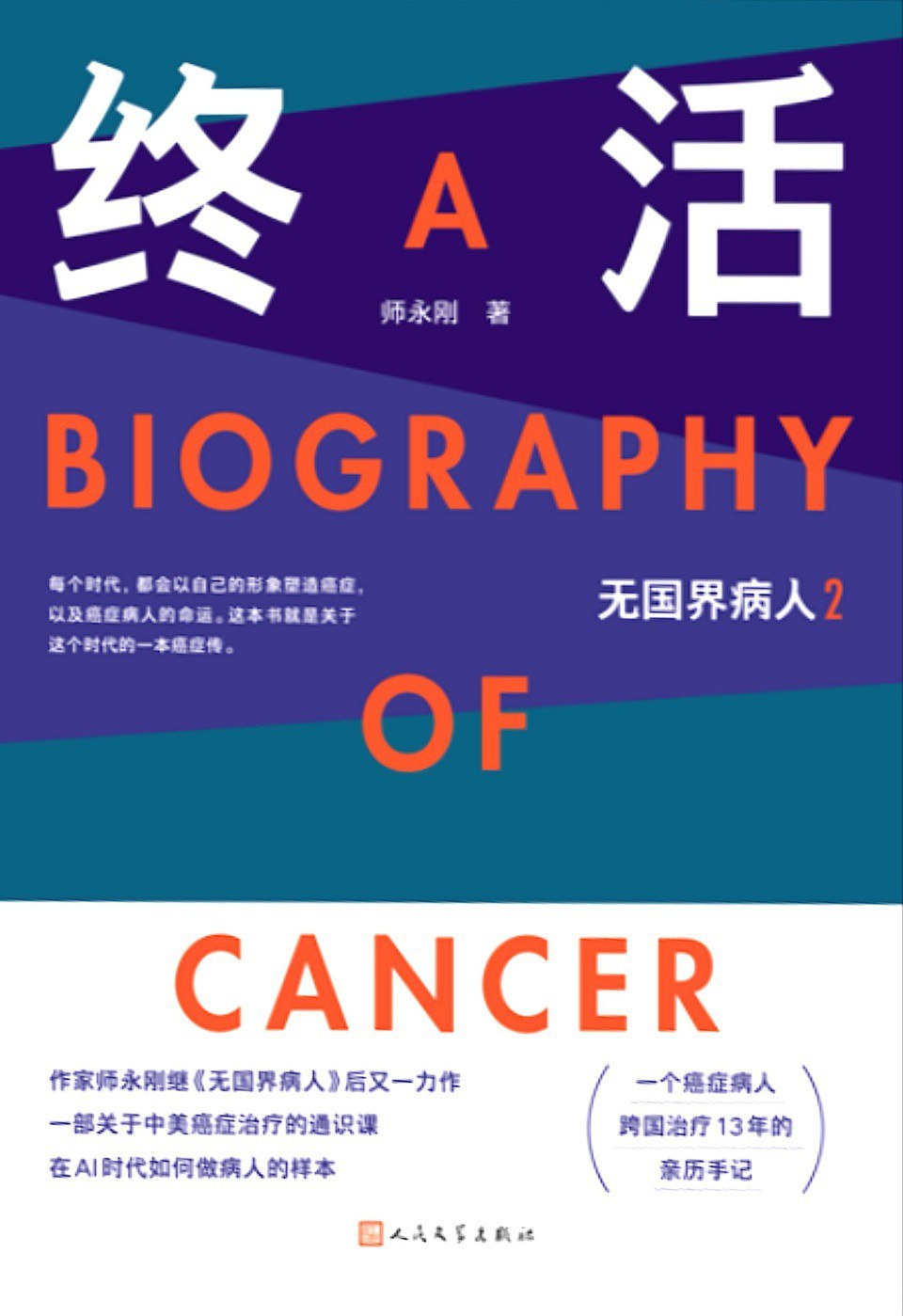
The End of Life
Shi Yonggang | Written by
People's Literature Publishing House
July 2026
Compared to the identity description and autobiographical nature of 'Patients Without Borders',' The End of Life 'is rich in philosophical thinking. Therefore, it is a reverse philosophical exploration that deconstructs life to see through the fate of humanity. Although the perspectives of the subject and object are different, the pain and fear infused with the feeling of life in the text are still sharp and brutal, which is eye-catching and heart wrenching. In my opinion, good cancer literature is not about finely depicting the painful accidents and unpredictable changes in life, winning a few tears of sympathy, but about deeply depicting the human nature and metaphors behind the stories of suffering, and understanding the true meaning of life.
Objectively speaking, this is not a book about cancer patients' "dying", although many of the patients in this book have faced or have already suffered from the perspective of death, but rather a deep narrative that highlights "salvation" through "rescue". This book has a broad perspective and an ambition to go beyond the narrative of the suffering of cancer patients themselves.
It covers a wide range of topics, including the ups and downs of treating children at St. Jude Children's Hospital in the United States, which is completely free of charge, as well as the exploration of new public welfare hospitals. It also includes the experiences of Yao Ming and Liu Xiang in surgical rehabilitation abroad, as well as the difficulties and future of cancer patients' postoperative rehabilitation both domestically and internationally. The author mostly records the samples of patients and doctors he sees through personal experience and presence. This gives the book an on-site and unique charm.
Of course, the term 'end of life' can easily lead readers to misunderstand that it is not eternal life, but a good end. More precisely, life has quality, dignity, and preparation for death. It is the ultimate embodiment of being responsible for life, breaking people's taboos about death and allowing for early thinking and planning. This is not indifference, but the pursuit of dignity in death, rejecting ineffective and painful over treatment, making farewell without regrets. It should be noted that modern medicine often performs ineffective resuscitation in the last moments of life, resulting in patients spending their last moments in the pain of being filled with tubes and undergoing chemotherapy. This kind of prolonged pain is not true 'filial piety' or 'love'.
In this non fiction literary work, the author's classmates suffer from desperate situations, and his wife's persistent obsession is a confused decision made in the name of love. She firmly believes that "all deaths are abnormal deaths caused by illness", and there is room for rescue, which should be blocked by the power of technology. There is no passing away, no peaceful end, only high-tech resistance. Rescued, everyone is happy, but the treatment failed, with infinite regret. The situation of being financially and financially depleted is even more unacceptable and unbalanced, so it is natural to blame the doctor's mistreatment and the incompetence of medicine.
At this moment, Dr. Guo's appearance clearly tells the patient's family that in the terminal stage, not only physical intervention is needed, but also whole person intervention is needed. Medicine not only needs to prolong survival, but also needs to care for the quality of life, dignity, and comfort. Palliative healthcare advocates for reflection and rejection of war models and alternative models in treatment, advocating for a balance between life and death, bidding farewell to the struggle of the fish dying and the persistence of never giving up, and accepting and poeticizing natural death. Therefore, palliative care is another type of active intervention that actively engages in accompanying, witnessing, comforting, settling in death, as well as controlling, relieving, and explaining pain, and building a legacy of love.
But according to the author's original intention, 'The End of Life' is actually life, and also living.
Aphasia and Reconstruction of Cancer Pain Narrative
In the book 'The End of Life', the author's identity as a cancer patient inadvertently intervened in the fate of several cancer patients. The life on the cliff revolves around three main themes: how to accept pain, how to expect redemption, and how to embrace life and death. I have worked in a cancer ward before and have a deep understanding of the pain of cancer, especially late stage cancer. No matter how ordinary the cancer is, it is a museum of cancer pain. Compared with daily pain, it is not only more intense, but also has a special site of traction and radiation, accompanied by strong gastrointestinal and nervous system turbulence. It is a typical physical and mental pain, and family members often feel helpless and can only seek medical help.
Cancer pain is undoubtedly an extremely complex and intense painful experience, far from being comparable to ordinary pain. It is not only a signal of damaged body tissues, but also a continuous torment of the patient's mental, psychological, and survival will, reflecting the meaning of "physical and mental tearing".
The amplification effect of physical and mental interaction is the core of the "physical and mental tearing" characteristic of cancer pain. The enormous psychological pressure brought by cancer can significantly reduce the body's tolerance to pain. Negative emotions such as anxiety, depression, and fear caused by psychological sensitization can put the nervous system in a highly sensitive state, and even mild stimuli may be perceived as severe pain.
The most terrifying thing is the vicious cycle of physical and mental pain: intense pain can in turn exacerbate anxiety and fear, forming a vicious cycle of "the more painful, the more afraid, the more painful", making the pain experience extremely complex and unbearable.
The pain of cancer can penetrate deep into the bone marrow, and there are three main principles behind it: it should be noted that cancer cells do not exist statically, but continuously grow in an invasive manner, invading, compressing, and even damaging surrounding healthy tissues and nerves like vines. Firstly, the direct destruction of local tissues by tumors can cause persistent deep pain when invading bones (such as vertebrae and ribs); Invasion of internal organs, pleura, or peritoneum may lead to localized but widespread tenderness or swelling, with liver pain caused by liver cancer being a typical example. Next is pipeline obstruction: Tumors blocking hollow organs (such as the intestine) or blood vessels, lymphatic vessels, can cause severe colic and ischemic pain. The third is nerve invasion: when tumors compress or invade nerves or ganglia, they can cause sharp stabbing pain, burning sensation, or electric shock like intense pain.
To alleviate this pain, a dual approach of medication and psychosocial intervention is needed. The author uses his personal experience to unravel the major mystery of cancer pain, which affects cancer patients, and attempts to clarify the causes and consequences. The book tells the story of Professor Charles, an American doctor who invented the "Pain Measurement Scale". The author got to know him during his treatment at MD Anderson Cancer Center and received help, which gave the author the opportunity to learn that in the history of cancer pain treatment in China, he had assisted in training pain doctors and promoted the disappearance of opioid analgesics. In thrilling stories, there are also intricate historical details.
Nowadays, the family of painkillers has grown stronger and the methods of administration have become more diverse. They can be taken orally, injected, or applied to the skin. More importantly, the scale of administration has been relaxed, and cancer pain can be effectively controlled through standardized drug treatment. Accurately describing the location, nature, and severity of pain to a doctor is the first step in obtaining effective analgesia. While actively cooperating with medication for pain relief, supplemented by psychological and social support methods, it can significantly alleviate anxiety and fear, and break the vicious cycle.
Undoubtedly, the roles of doctors and nurses are intertwined. On the one hand, they need to help patients and their families see through the oppressive and cruel nature of their suffering. On the other hand, they need to guide them to escape the abyss of pain in the context of holistic healing.
This sense of confusion and pain is deeply described and recorded in this book.
In Shi Yonggang's writing, the patient's identity is broken, from a "social person" to a "pain carrier", which is the most cruel psychological reality in the narrative of cancer pain. Including the detachment of social roles: Cancer and pain can instantly sever the connection between patients and society. You, who were originally a father, mother, employee, and friend, were forced to degenerate into a single 'patient' role. This also includes the collapse of self-worth: many patients express a strong sense of "uselessness" and "guilt" in their narratives.
As a patient once said, 'I am no longer a husband/wife, I am just a burden that needs to be taken care of.' This experience of 'slow self loss' is often more despairing than physical pain. Another issue is social isolation: due to pain, patients are unable to attend gatherings, embrace their loved ones, and even voluntarily self isolate out of fear of becoming a burden. This' forced loneliness' is another form of punishment imposed by pain.
Secondly, it is the erosion of patient dignity. The "presence" of the body and the disconnection of feeding, pain makes the body no longer a tool for oneself, but a strange and hostile object. Firstly, there is the loss of bodily sovereignty. In good health, the body is' absent '(we are not aware of its existence); But in the pain of cancer, the body is present in an extremely violent way. The patient feels that their body is no longer under conscious control, but is being hijacked by pain.
Additionally, there is the dilemma of feeding and the collapse of dignity. Food usually represents love and self-care ability, but for cancer patients, eating can become a form of torture (such as feeling like swallowing a needle for esophageal cancer patients), or requiring intubation due to inability to eat. This kind of "cutting off feeling of feeding" is not only a physical torture, but also a great humiliation of personal dignity - you need to rely on others for even the most basic life sustaining behavior.
Thirdly, the unreasonable culture of 'enduring pain'. The cruelty of cancer pain is also reflected in the huge gap between social attitudes and the real needs of patients. The secular concept mistakenly regards' enduring pain 'as a virtue, and social culture often regards' enduring pain' as strength, leading many patients to choose silence in severe pain, unwilling to trouble others or be seen as' delicate '. This tolerance not only exacerbates physiological pain, but also leads to central sensitization of the nervous system, making pain more difficult to treat.
Fourthly, there is a faint urge to seek death. That is a choice between life and death, and in the most extreme narratives, pain turns death into a luxury. There are cases showing that patients, unable to tolerate months of severe pain, even resort to self harm (such as cutting themselves with a knife to divert attention) or plead for euthanasia. As revealed by Shi Yonggang in his book "The End of Life", the state of "wanting to die but unable to die, wanting to live but unable to live" is the most heartbreaking part of the narrative of pain. And the author's records of these patients and their interactions with doctors are also a sample worth studying. It is the reality and dilemma of current cancer pain patients.
The silence of current cancer pain narratives is a heavy topic that should be taken seriously by the whole society, and efforts should be made to rebuild the voice of the weak. They should no longer be pushed to the edge and become neglected voices. In the traditional biomedical model, doctors focus on the size of tumors, while patients' descriptions of pain are often marginalized. Their pain is seen as an 'inevitable byproduct' rather than a disease that requires independent treatment.
Furthermore, efforts should be made to highlight the redeeming value of narrative medicine. When patients are allowed to tell their own stories (such as through narrative nursing, life reviews), and their pain is "seen" and "shaped", this narrative itself becomes a form of healing. It helps patients break free from being defined by pain and regain their right to interpret their own lives.
It must be acknowledged that the narrative of cancer pain also highlights the cruelty of life, completely depersonalizing a person from mind to body. Not just 'pain', but watching oneself lose their job, lose social connections, and even lose the dignity of survival in excruciating pain. This narrative tells people that in the face of cancer pain, it is not only about administering medication to relieve pain, but also about helping patients rebuild their dignity and meaning as "human" on the shattered ruins of their self.
How to 'live forever'
In his book "The End of Life", Shi Yonggang recorded many legendary patients through his "presence" and personal experience, such as helping a 32 year old Nanjing female patient with five types of cancer seek medical treatment globally, and the story of a high educated person who lost her life due to choices while mastering more medical resources. Of course, his background is to explore and record the experiences of cancer patients through the fate of these patients. In the book, the author also tells the story of cancer patients who wander in the fragility and confusion of humanity when facing death, suffering, and separation.
There is a popular sentiment among the people that 'it's better to rely on living than to die', which means they would rather endure pain than give up on life. This creates an opportunity for technological death, where patients have to endure the pain and torment of illness and the pain brought about by technological intervention. Of course, the replacement of organs by technology may also alleviate some physical pain, but it takes away a person's final dignity, lying in the ICU with tubes inserted into their body.
Technology is innocent and passive, and humans have an obsession with immortality. Various medical life sustaining technologies have emerged to maximize the satisfaction of this obsession for humanity. Modern technology possesses autonomy, also known as technological will, which can shape or transform the consciousness of life and death in an era. That is to say, the modern obsession with human immortality is precisely built on the basis of technological death, because technology can prolong painful lives, so people have the luxury of "spending money to buy their lives". With the double pain of patients and the full payment of family wealth, it leads to a prolonged and low-quality life.
Legend has it that in ancient times, the Spartans had a belief that 'people must die in their prime' in order to avoid crossing the quagmire of aging and decline in life. However, in the public opinion arena, people seem to be more accepting of the latter and denying the former, giving the latter the reputation of "loving life", while labeling the former as "committing suicide". In my opinion, both are biased, and the correct attitude should be to respect the natural process of death, just like Zhuangzi, who regards life as a big tree that rotates in four seasons, with spring flowers and autumn fruits, and fallen leaves returning to their roots.
Nowadays, there is a brand new concept of death, which is "I am in charge of my own death". The implication is that I will not fake others, relatives who abide by filial piety, doctors who firmly believe that technology can change everything, and cannot give up the will of machines. However, taking control of one's own death is a right and a discipline that requires careful study and independent thinking.
The baseline for making one's own decisions is respect for natural death, giving up the stubbornness of "not knowing where to end up", and accepting the fate of "dying in its place". The time window for decision-making should not be delayed until the moment of death, but should be advanced to the period of mental clarity and vitality. Consensus should be formed in the family and written in the form of a life will as a binding legal document, provided to end-of-life companions, and supervised and rescued personnel should also respect the terms and content of this document.
In the past 20 years, there has been a movement to reflect on the technicalization of the end-of-life "no intubation" movement, which was the first appearance of the "I make the decision on my death" movement. Later, this movement evolved into the "My Five Wishes" living will plan, expanding from a single end-of-life no intubation to five themes:
One, 'I want or don't want any medical services, I know my life is precious; I don't want pain, I want the last dignity.'.
Secondly, I hope to use or not use life support therapy, including cardiopulmonary resuscitation, ventilators, feeding, blood transfusions, and expensive antibiotics.
Thirdly, how I hope others will treat me, including music companionship, life review, dignity therapy, faith therapy, the intervention of volunteers, social workers, and spiritual counselors, being surrounded by family, witnessing the last moments, and building a legacy of love, saying goodbye, expressing emotions, thanking, and apologizing, and saying peace, tranquility, and settling in.
Fourthly, I want my family and friends to know something about my current situation, my last wishes, my funeral arrangements (who will attend, grand or simple), and reverse care (affirmation and comfort from the deceased to the living and medical staff).
Fifthly, I hope someone can help me, including the last person I want to see, the things I want to talk about, and make decisions that are in line with my true wishes on my behalf when I am dying.
The Beijing Advance Will Promotion Association, established in 2013, formats and standardizes this text, and provides a platform for online signing (available on the "Choice and Dignity" website). Friends who agree with "My death is my decision", regardless of age, identity, occupation, or location, can sign this document and can change, establish, or revoke it at any time.
The gaze that extends from pain and suffering to death is a spiritual training that allows everyone to face death as the only deterministic event in the world and think deeply. Philosopher Zhou Guoping once said that life has boundaries. Exploring these boundaries in advance can alleviate the fear and anxiety of death, truly achieving Heidegger's concept of "living to death".
In fact, Heidegger's original sentence should be "to be present towards death". The situation of existence is always inevitably accompanied by painful experiences. Therefore, to be born towards pain, to turn around and love, to strive, seems more urgent. Life is just a variation of love and pain in life and death. At the last moment, you can confidently shout at the Grim Reaper, 'I'm not afraid of death, am I afraid of pain?'!
(The author is a professor at the School of Medical Humanities, Peking University)
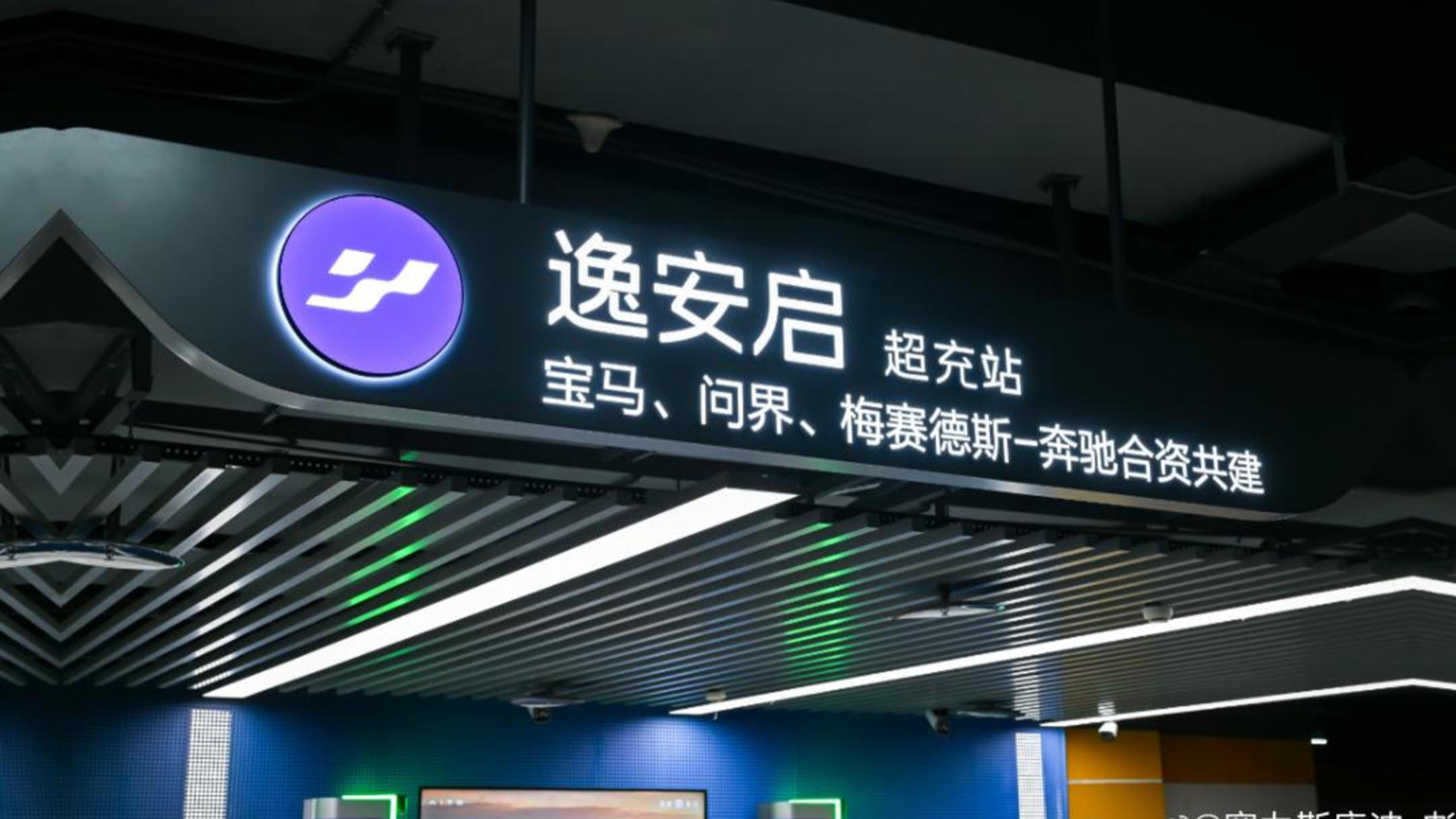
Xilinx officially announced that Wanjie has joined the Mercedes Benz and BMW supercharging camp, with over 600 stations directly connected
OPPO Find X10 tops sales on the standard version track

Technology Show | iQOO16 is now available for sale, under the name of Standard Edition, to meet the requirements of Pro Max product strength