2026-09-12 21:15


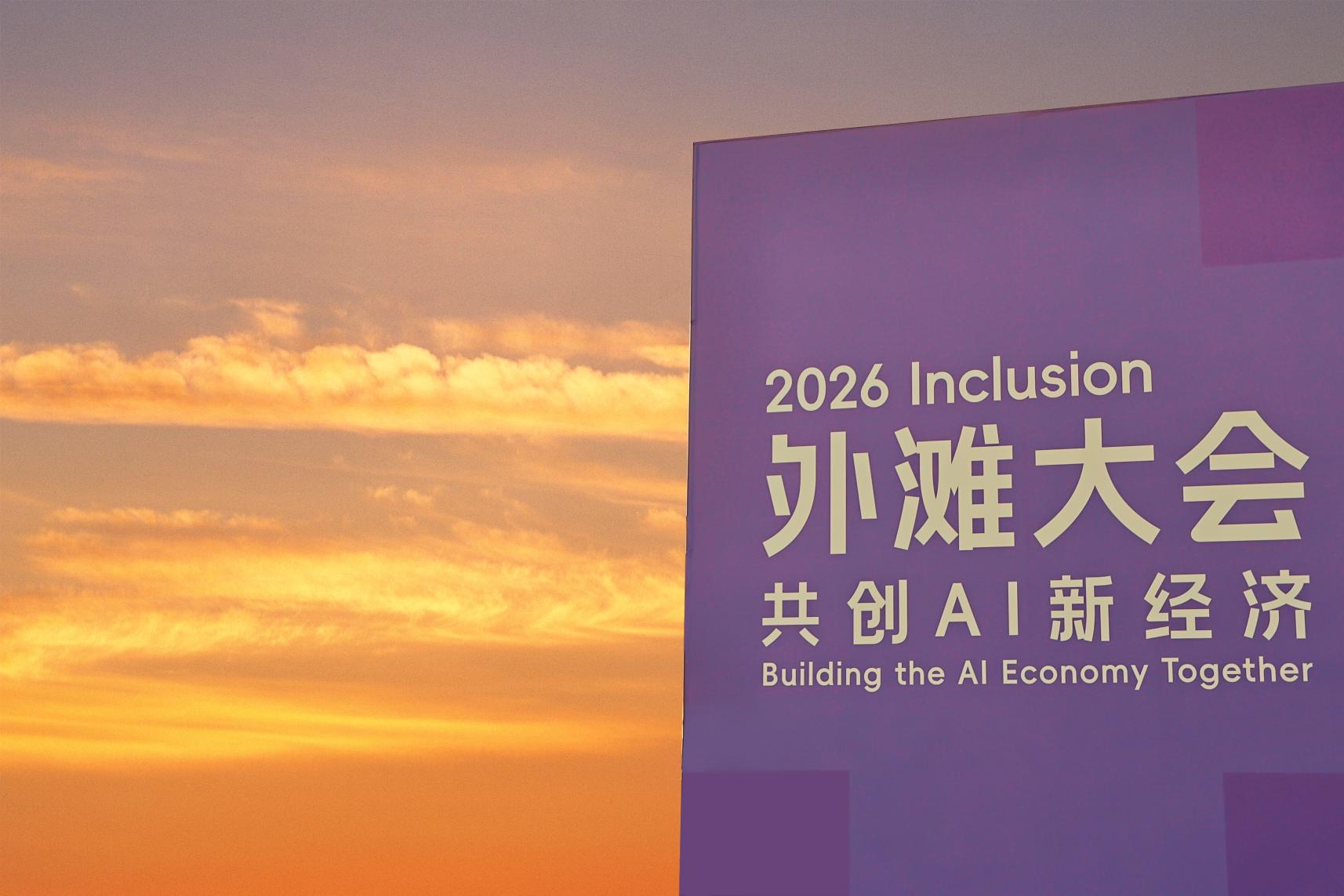
On September 12th, the 2026 Inclusion · Bund Conference concluded at the Huangpu World Expo Park in Shanghai. Around the theme of "co creating AI new economy", more than 670 guests from the research, industry, and investment sectors deeply discussed the profound impact of artificial intelligence on production, consumption, business, and social forms. More than 300 companies showcased the latest application achievements of AI technology in real scenarios such as healthcare, payment, finance, retail, and lifestyle services.
The organizing committee of the conference disclosed that over 50 technologies, products, and applications will be showcased for the first time in four days, covering multiple directions such as intelligent agents, embodied intelligence, AI terminals, quantum technology, and financial technology. The conference attracted guests and audiences from over 50 countries and regions, with more than 78000 attendees in person. Among them, 20% of the audience were born after 2000, and 23 million people watched the forum live online.
When AI starts doing things for people, what can it create for the economy
At the Bund Conference, economists focused on whether the growth brought by AI could ultimately become true economic growth. Nobel laureate in economics Thomas Sargent reminds that AI is still in the "Kepler stage" full of unknowns; Nobel laureate in economics, Agion, has found that AI has the potential to increase productivity growth by 1.08 percentage points annually, but whether AI's potential can be translated into sustained growth depends on the competitive environment, education system, and employment adaptation; Huang Yiping, Dean of the National Development Research Institute at Peking University, is also concerned about whether employment, income, and demand can keep up with the increase in productivity; Liu Yuanchun, the president of Shanghai University of Finance and Economics, has shifted the question to whether AI investment can ultimately precipitate into real production capacity.
Enterprises, on the other hand, demonstrate more through practice how the AI new economy serves every individual: AI applications such as Abao and Afu make services that used to require professionals more accessible; Intelligent agents are beginning to complete tasks such as consumption and appointment for users, while AI payment is exploring how to truly enable intelligent agents to enter transactions.
During the confrontation and co creation, the conference reached multiple consensuses: the economic value of AI is shifting from cost reduction and efficiency improvement to creating new demand, supply, and business increments; Intelligent agent commerce has become an important path to open up incremental space; As AI begins to replace humans in completing more tasks, the importance of "trusted infrastructure" such as identity, authorization, security, and accountability tracing continues to rise. At the same time, the attending guests generally believe that the realization of the dividends of the AI new economy needs to balance efficiency and fair distribution, and the value of AI ultimately needs to be measured by "real growth" and "human sense of gain".
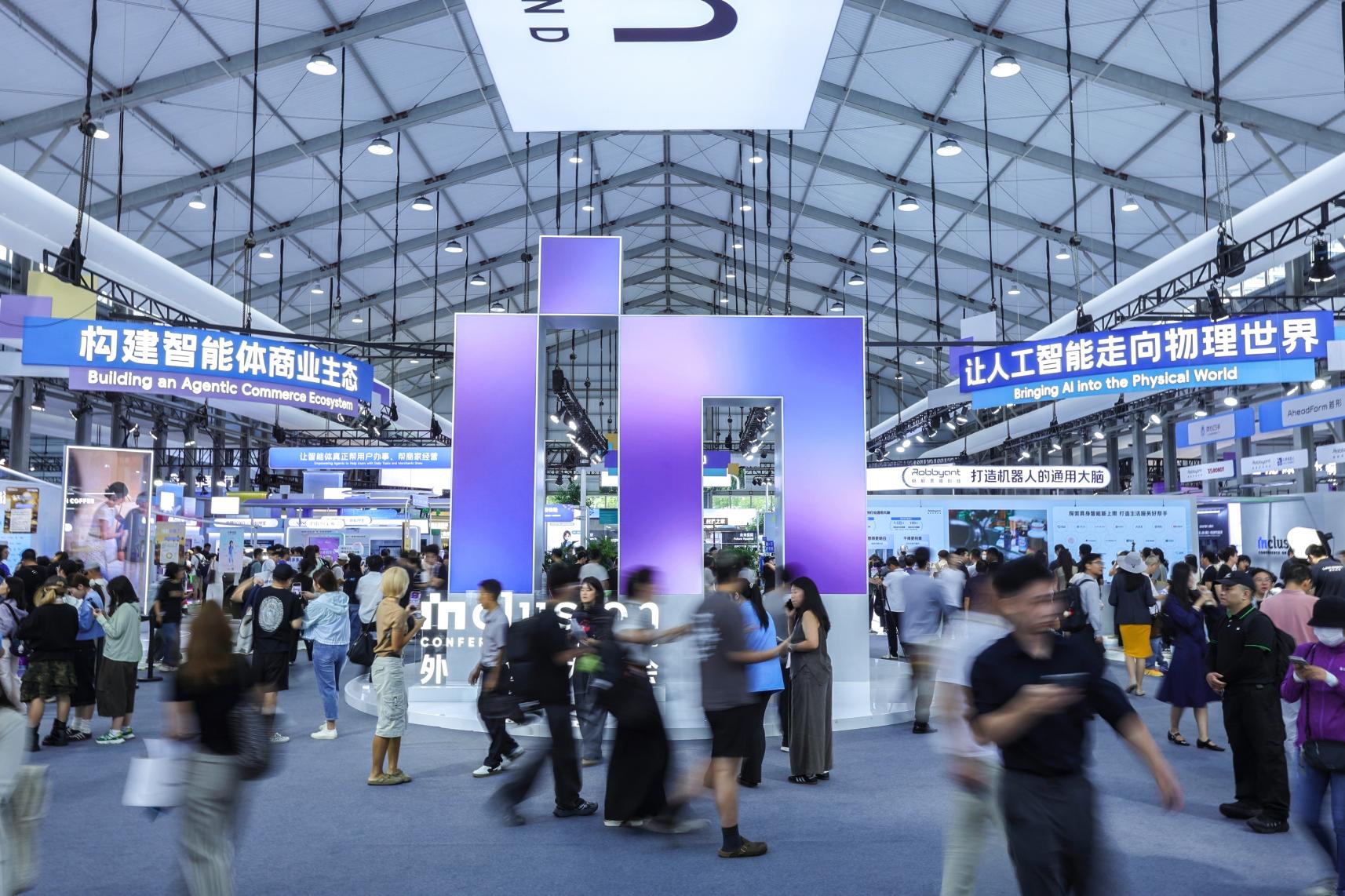
From technology showcase to industry handshake, AI is entering the commercial scene
In the 15000 square meter themed technology exhibition area at the conference, more than 300 companies gathered to showcase the latest progress of AI from "generation" to "action". More than 50 technologies, products, and applications made their debut at the conference. Robots are beginning to enter real work scenarios such as pharmacies, factories, and laundry rooms. Intelligent agents can help users order coffee, call cars, find jobs, and seek medical treatment. AI is also further entering street side small shops, small and medium-sized enterprises, and rural clinics.
The conference has set up multiple industry docking and venture capital activities around how technology can further enter the industry. The industry docking conference attracted 350 companies to participate, promoting more than 80 cooperation intentions. The conference also added a special session on embodied intelligence for the first time, promoting robot companies to "shake hands" with actual industry needs on site. The "Venture Capital Meetup" held at the same time gathered over 500 investors and more than 120 AI startups from around the world, and a number of early projects entered the view of investment institutions and industry partners. The conference also set up an "Innovative Species Exhibition Area" for the first time, showcasing start-ups, one person companies, and innovative projects. Entrepreneurial delegations from Latin American countries such as Chile, Argentina, Paraguay, and Uruguay visited. The Voyage Industry Forum, produced by Ant International, attracted nearly 400 overseas fintech representatives to attend and exchange ideas.
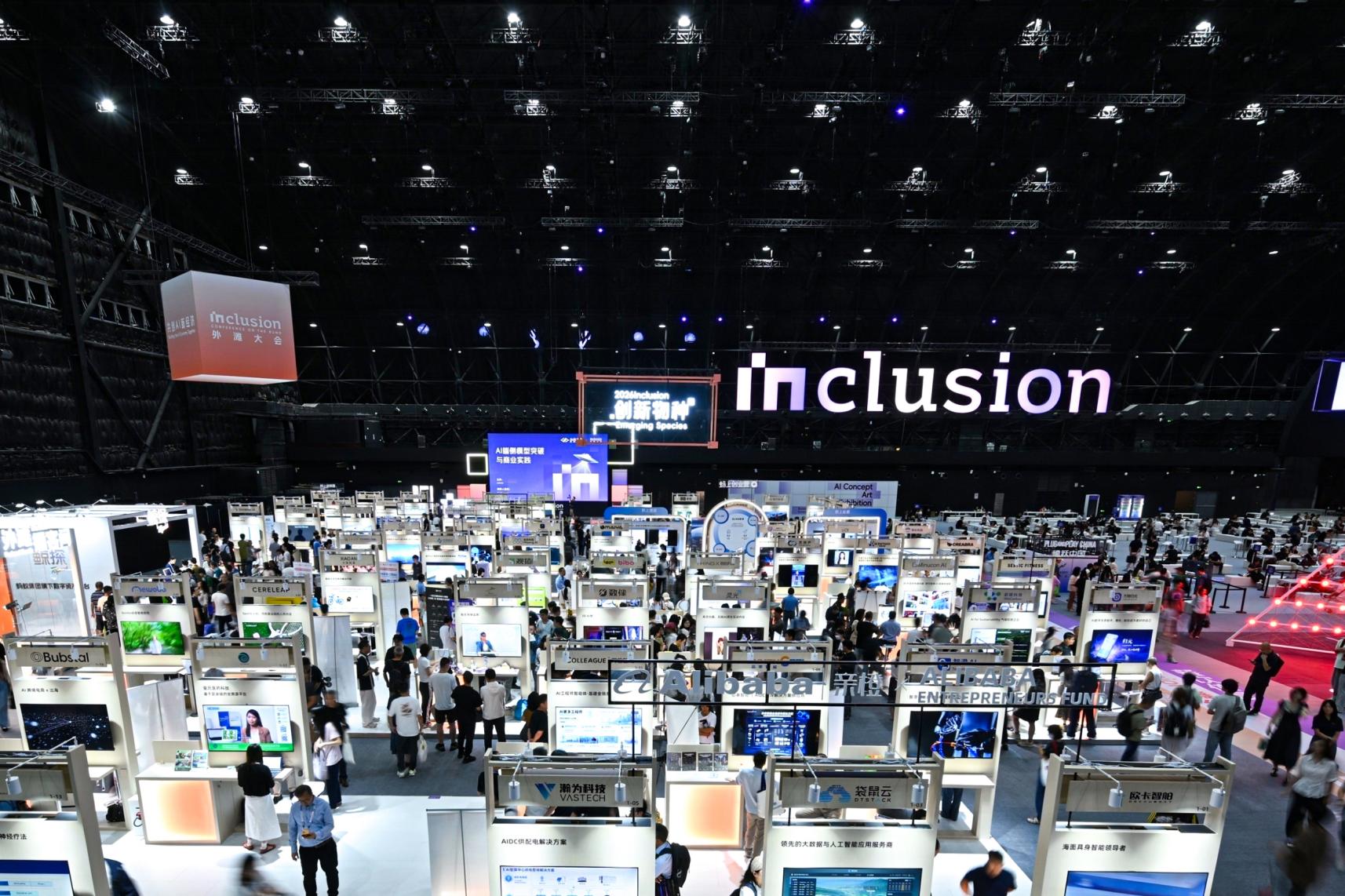
Young people no longer stand by and become the main participants in the AI new economy
At this year's conference, young entrepreneurs and developers are also a group of people who have received attention. Among the audience at the conference, 20% are born after 2000, which is already a true portrayal. In fact, young people are not only audiences, but also developers, entrepreneurs, and the main force of innovation.
The Bund Hackathon AI Coding Competition has been certified by Guinness World Records, setting a record for the most developed application in the online generative artificial intelligence programming marathon with 15577 AI application works. The competition attracted tens of thousands of participants, including nearly 70% of teenagers under the age of 18, with the youngest participant being 6 years old. There are also many figures of "post-95s" and "post-00s" in activities such as venture capital Meetup.
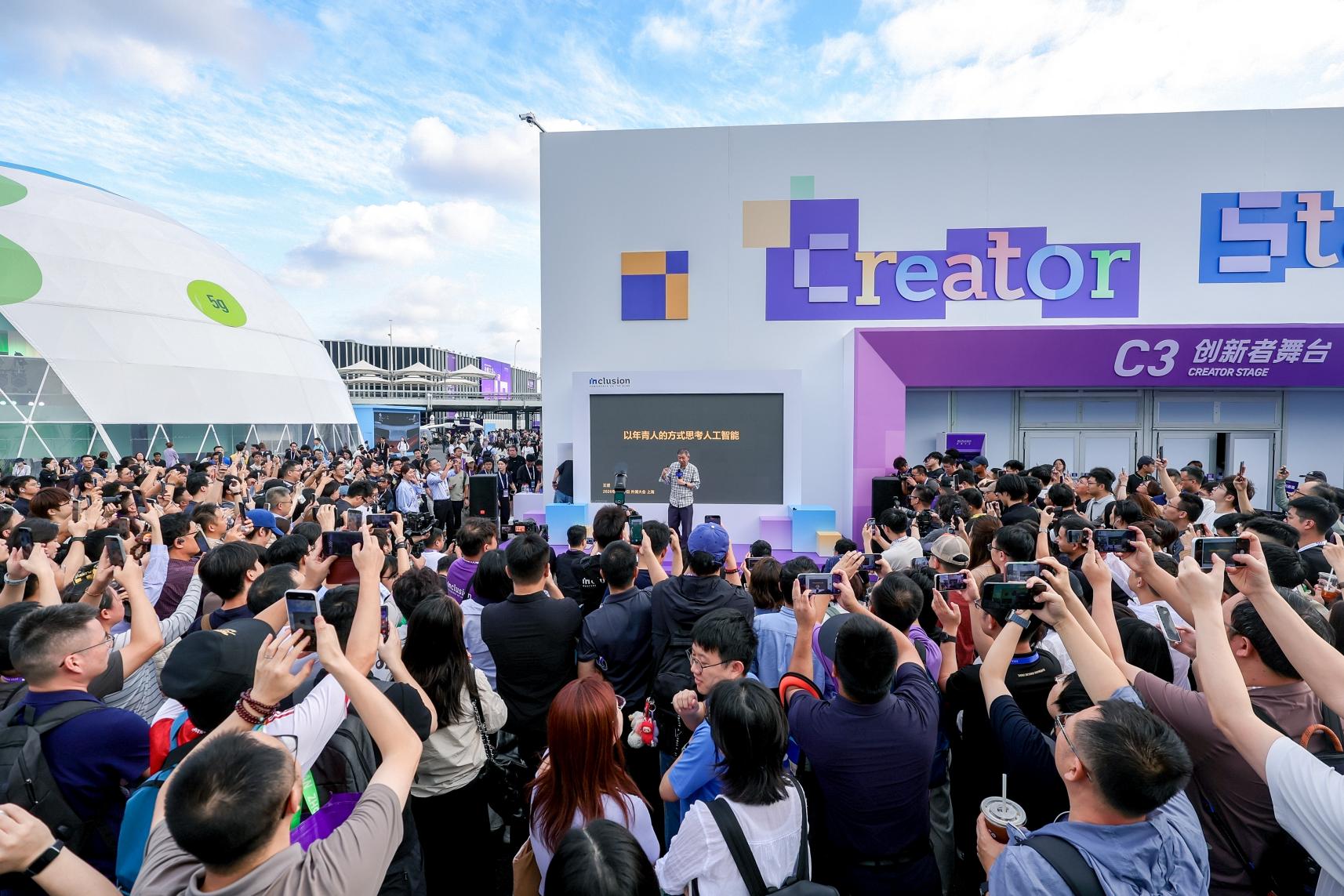
As Wang Jian, director of Zhijiang Laboratory and founder of Alibaba Cloud, shared at the conference, young people are the engines of this world, while passion is the fuel. The challenges of the era of artificial intelligence will ultimately be solved by young people full of passion.
Beyond technology, humans are the ultimate measure of the AI new economy
Beyond technology, 'people' remains a main topic of discussion at this year's Bund Conference. This year, the Bund Conference, in collaboration with Zhihu, launched the "Ten Questions on AI Technology and Humanities" collection, receiving over 5000 questions from netizens. The top 10 most popular questions presented ultimately point to the real concerns of ordinary people in the AI era. This is also the fourth consecutive year that the Bund has released the Ten Questions on Technology and Humanities. With the rapid development of technology, the Bund Conference has always maintained its focus on people.
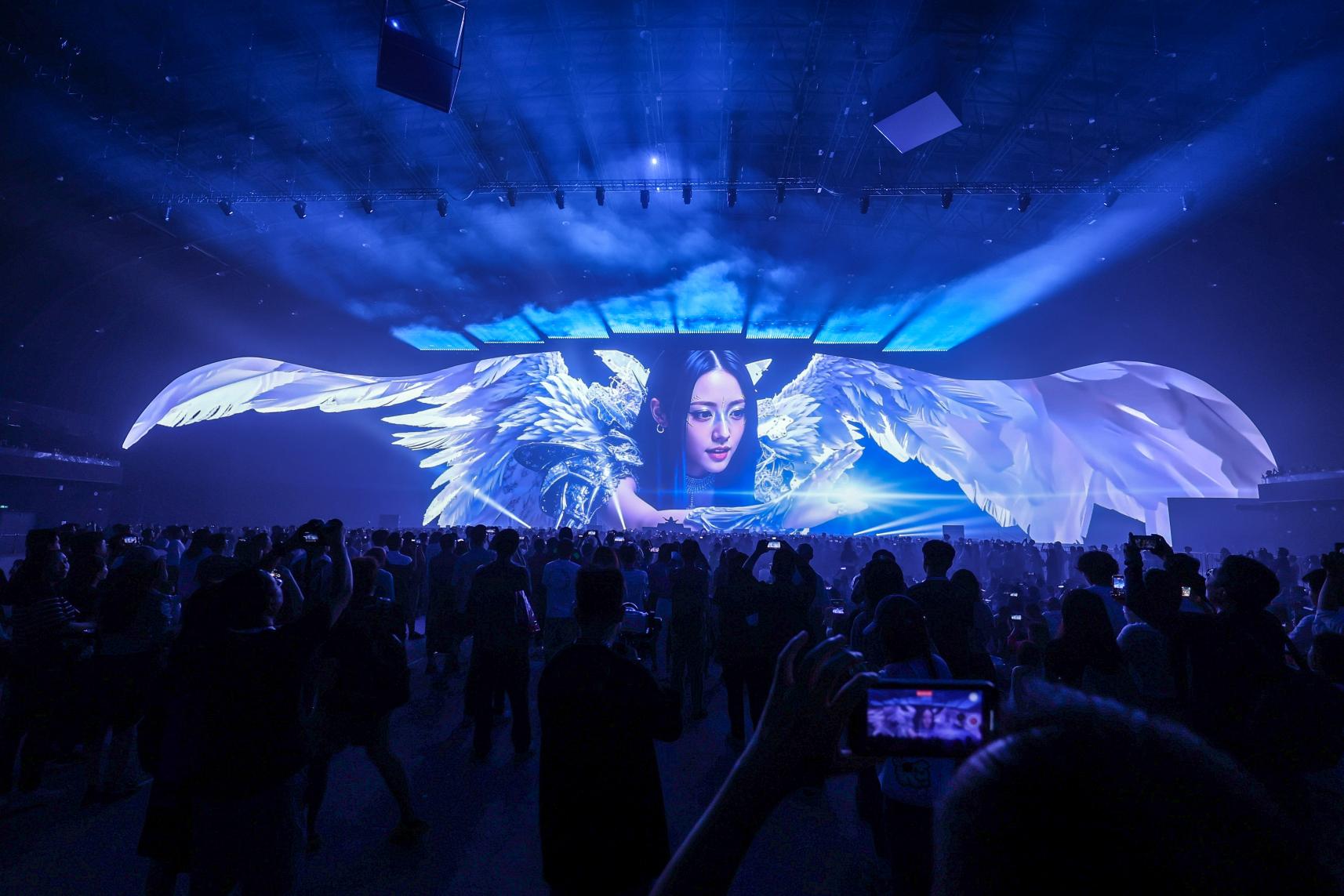
The first AI Art Festival explores the boundaries of human creativity in the AI era through various forms such as music, video, and art exhibitions. Discussions on employment, education, income distribution, and the relationship between humans and AI also run through multiple forums of the conference.
The technology talent recruitment fair links the other end of technology and people. During the conference, 55 enterprises opened more than 1500 jobs, focusing on large models, intelligent computing, AI+applications, embodied intelligence, Internet, financial technology and other fields, and received more than 7000 resumes, including more than 70% of AI related jobs.
The "Green Planet" themed exhibition hall transforms the "AI energy consumption account" into a perceptible display, questioning the green value of each token; The Ant Forest 10th Anniversary "Earth Partner Conference" was held simultaneously, and more than 200 green innovation projects from around the world responded to Ant Forest's advocacy of "respecting natural boundaries and continuing to fantasize" by participating in the first green technology innovation competition of the Bund Conference, providing new solutions for nature conservation.
The 2026 Bund Conference has come to an end, and discussions on how AI can further enter the economy, industry, and daily life are still ongoing.