2026-09-12 16:00


It is said that AI has made us more efficient, why have we become more tired instead? ”Teaching AI every day is also training future replacements. ”These two questions from this year's "Ten Questions on AI Technology and Humanities" at the Bund Conference express people's expectations and anxieties after AI enters the workforce, and also raise questions that organizations need to answer: how can efficiency improvement bring about common growth, and how can organizations gather talent after individual abilities are enhanced?
On September 12th, the "AI for Organizations: Intelligent Management and Value Evolution" insights forum, co hosted by Ant Group, the University of Hong Kong, and Harvard Business Review China, was held at the 2026 Inclusion · Bund Conference. Enterprise managers, investors, AI entrepreneurs, and community initiators combine their respective practices to explore how organizations can change in the AI era, how human-machine collaboration can be achieved, and why talent is willing to grow together in organizations.
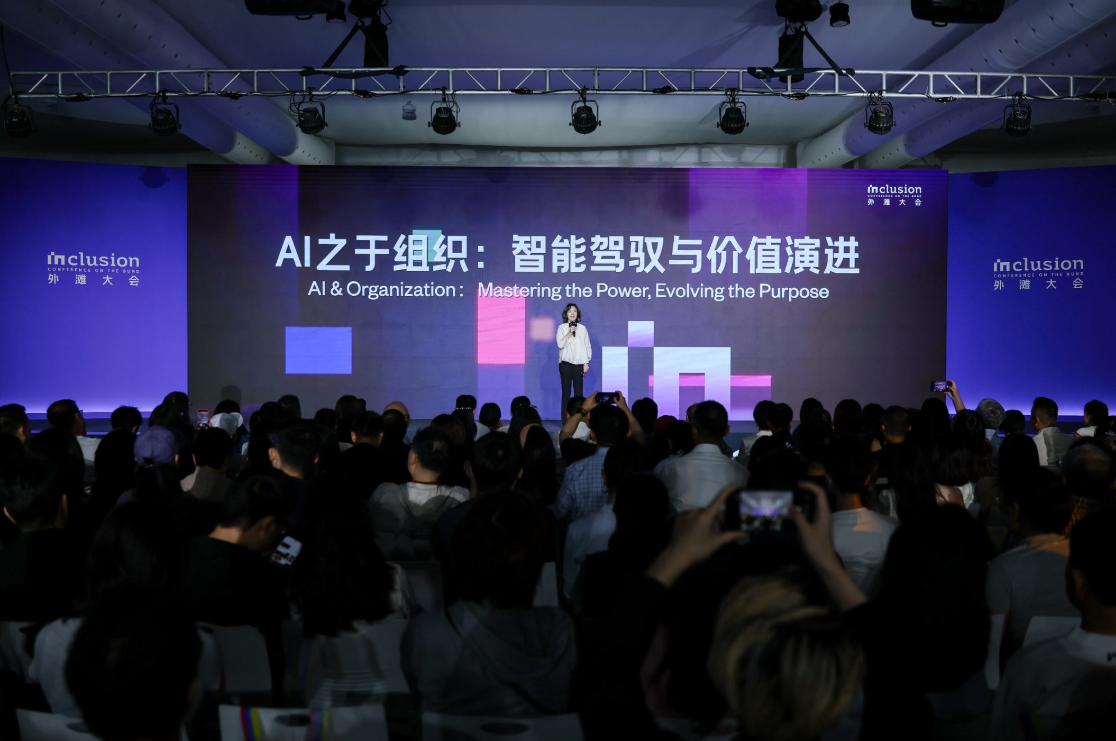
The popularity of AI tools does not necessarily represent the formation of AI organizational capabilities. ”Wu Minzhi, Senior Vice President and Chief Talent Officer of Ant Group, pointed out that companies should ask what things that were previously limited by ability, time, and cost and could not be achieved now have the possibility of being realized?
She takes the exploration of ants as an example: the manager AI empowerment program attempts to scale up personalized management support; The HR workbench allows HR to move from the requirement requester to the product definition and design team, and take responsibility for the results. Who decides, who designs, who delivers, and who is responsible. With new answers to these questions, an organization truly begins to move towards AI Native. She emphasized that organizations should 'redesign their organization around values', allowing AI to empower people and support their growth.
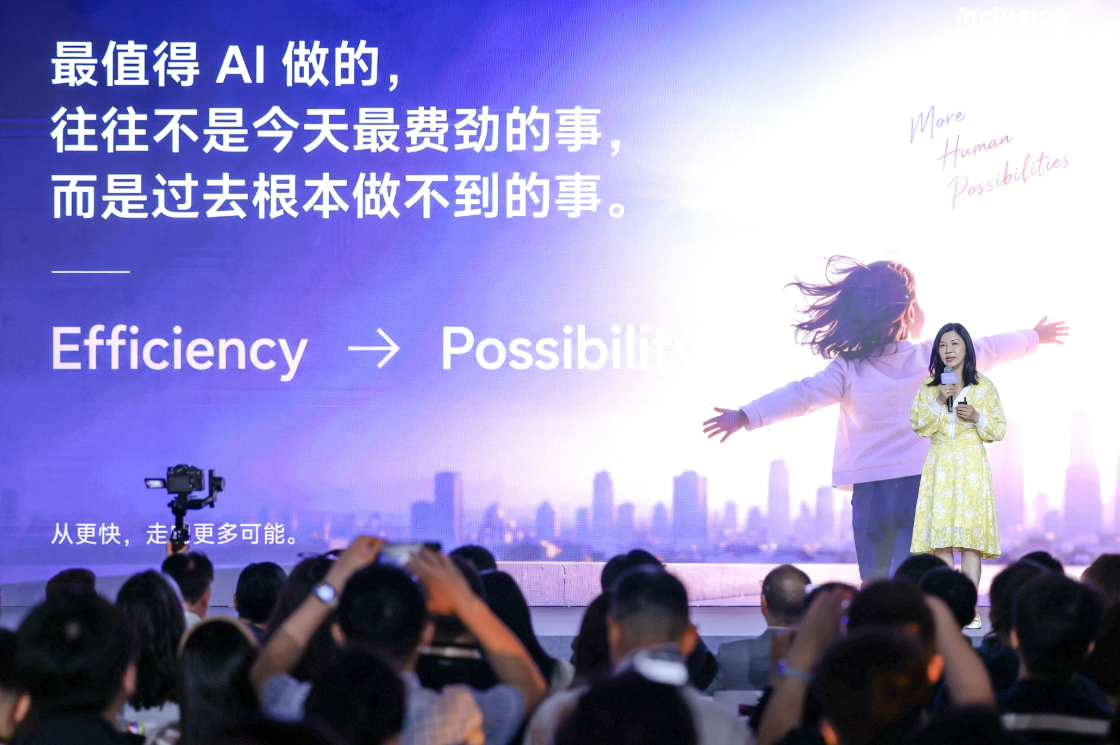
Organizations also need to create more value for people. Wu Minzhi believes that the key to organizational cohesion lies in meaning, trust, and value: "Why am I doing this?" "Who am I doing this with?" and "Can I do something that one person cannot do and has an impact on society
The stronger the AI, the better the organization can do these things, because the advantage of retaining talent has decreased, and these are advantages that individuals cannot create. ”In Wu Minzhi's view, enabling individuals to achieve greater value through collaborative creation is the ability that organizations need to continuously build.
The transformation of technical capabilities into organizational capabilities also tests the determination of enterprises to change their management methods. Wei Zhe, Chairman and Founding Partner of Jiayu Capital, believes that whether AI can truly enter more organizations depends not only on the cost of use, but also on whether companies are willing to change their existing management methods.
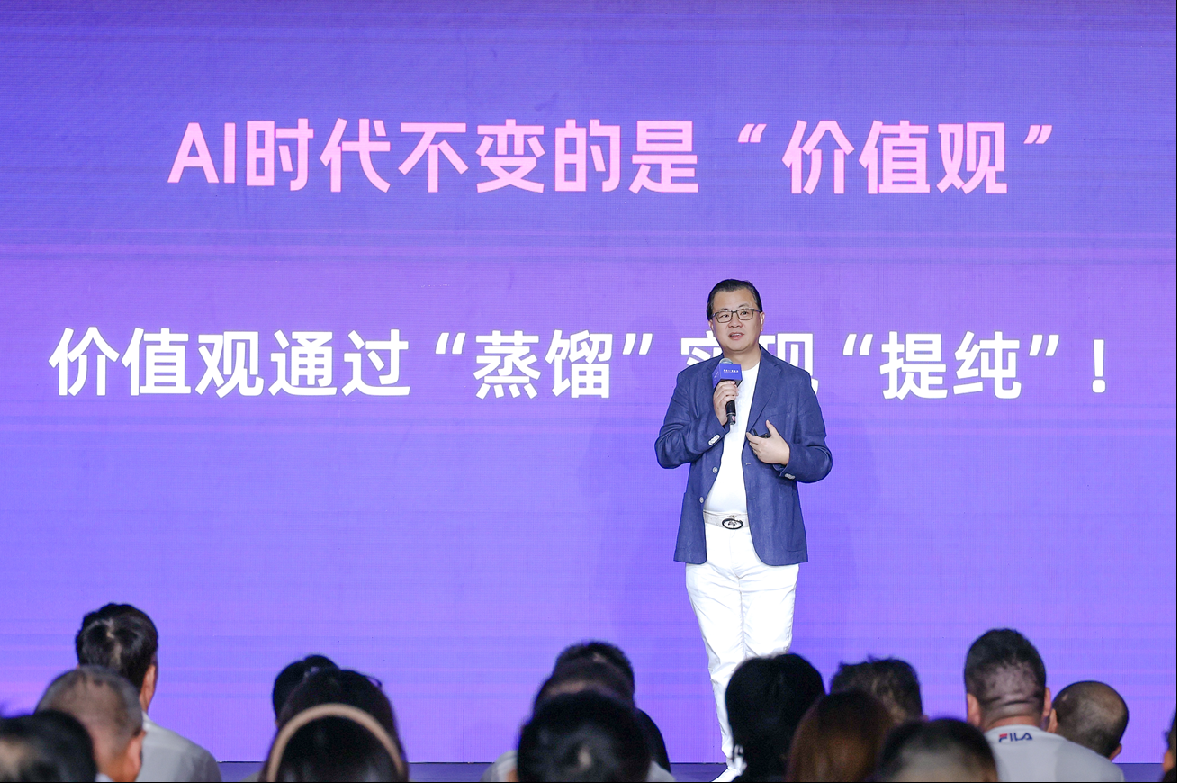
Wei Zhe used the metaphor of "vehicles, roads, and goods" to describe large models, infrastructure, and applications, and proposed that AI needs to be "usable, usable, and affordable." He said, "If we want AI to be affordable in various organizations, the core is to reduce the cost of 'roads'. ”
At the organizational level, he compares AI native enterprises to "new area development" and traditional enterprises introducing AI to "old city renovation". Some native companies first build workflows around AI hubs, while traditional enterprises have to face existing processes and historical inertia. I appreciate those AI Native organizations that focus on 'new district development', but what I admire even more is those who dare to use AI for 'old city renovation'. ”
He believes that companies should leave room for AI trial and error under controllable risks, and as AI becomes more involved, human judgment should also become clearer. "When AI provides selection suggestions, we should stick to our original intention and uphold the company's values. ”
When it comes to human abilities in the era of AI, Wei Zhe proposed "learning aesthetics, supplementing humanities, and practicing memory": when AI can quickly generate a large amount of content, human aesthetics determine how to choose; Facing questions without standard answers, it is necessary to maintain diverse understanding and independent judgment; While using tools, it is also important to actively train memory.
After AI takes on more and more tasks, human judgment and responsibility need to be clearer, and individual abilities need to be accumulated into assets that organizations can sustainably reuse.
The improvement of individual abilities does not necessarily mean the accumulation of assets for the entire organization, "said Jiang Ping, co-founder, president, and CFO of Minglue Technology. AI Native organizations need to form a" continuously evolving organizational operating system "to retain the knowledge and abilities accumulated in human-machine collaboration within the organization.
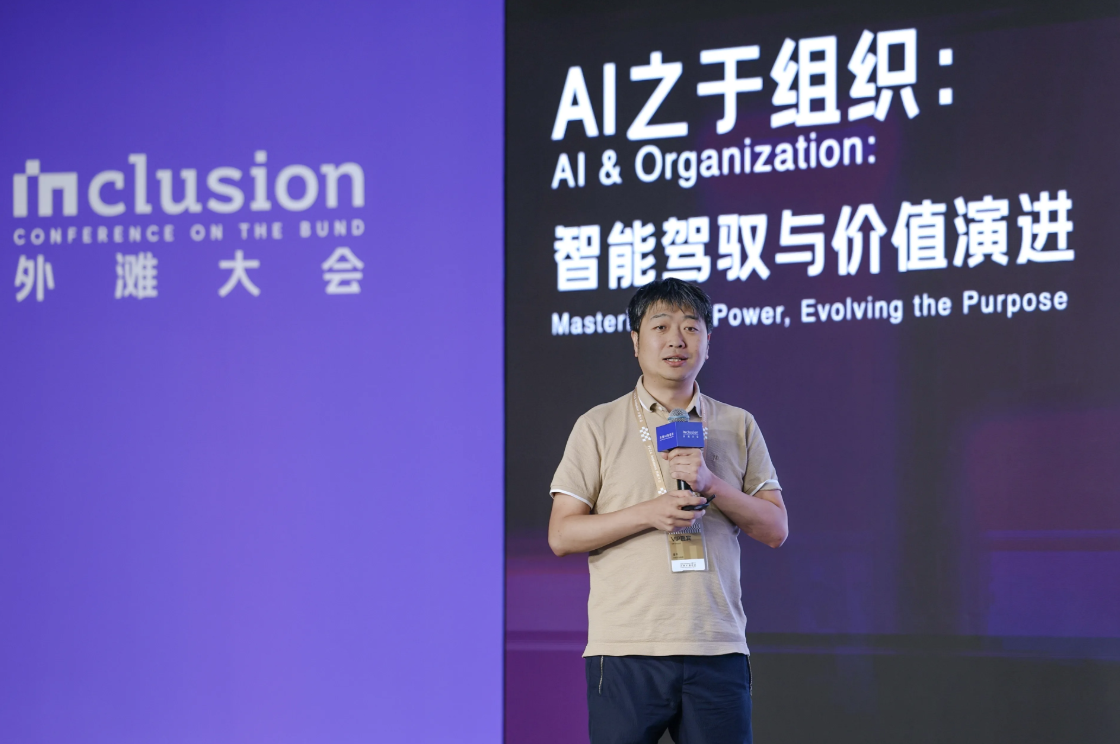
He divided human-machine collaboration into two interdependent cycles: Human in the Loop, led by humans, bringing in context, taste, and value scales, and exploring goals and methods together with AI; Agent in the Loop is led by agents, relying on organizational knowledge and executing in batches around clear objectives. Both cope with exploratory and deterministic tasks respectively, and continuously cultivate their abilities through collaboration.
From tool usage to organizational capability, structured precipitation is a crucial step. Jiang Ping introduced that Minglue is currently organizing skills, AI assistants, and AI experts to form productivity assets, and further exploring the direction of self iteration and overall improvement with the progress of the model.
The more AI can handle certainty, the more humans are responsible for uncertainty. ”Jiang Ping emphasized that the most important responsibility of a person is to make uncertain judgments and be responsible for the results.
The growth of organizational ability can also start with an individual's interests and a group of people's voluntary collaboration. AJ, the initiator of WaytoAGI, shared how an open community without a unified KPI can continuously attract participants.
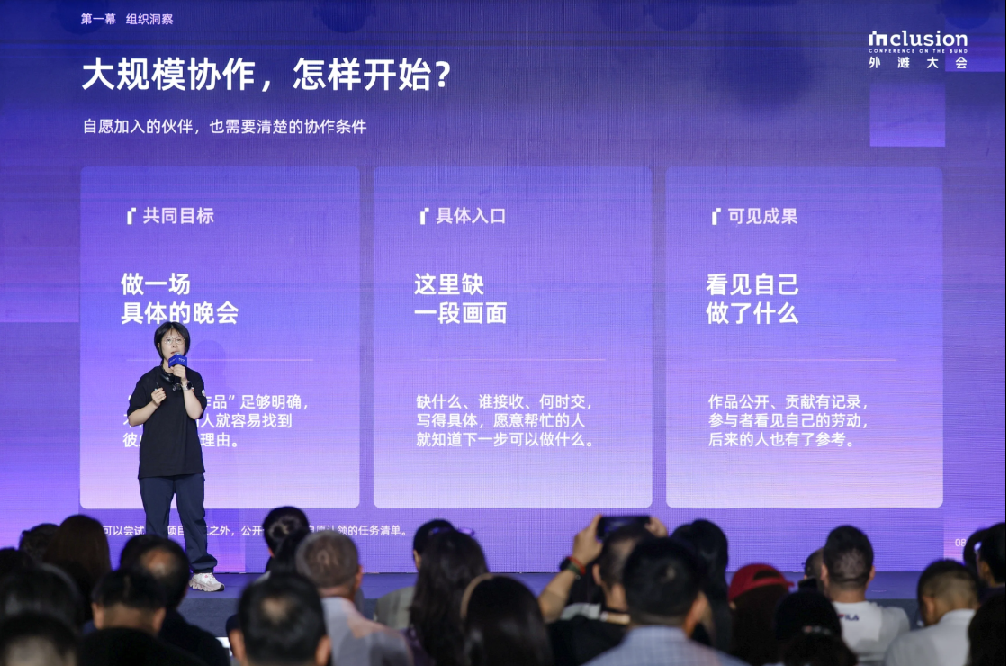
WaytoAGI started with a public learning document in 2023 and gradually developed cross city collaboration and entrepreneurship projects. The proposal for an "AI Spring Festival Gala" attracted over 300 participants, with people from different backgrounds working on specific works to learn and meet partners during the creation process. There are no KPIs here at all, everyone is organized purely out of their passion for learning AI. ”
The expansion of the community is accompanied by the growth of participants towards organizers. Members write the learned methods into tutorials, actively initiate local activities, and make experience a starting point that newcomers can take over. We also hope to leave this approach to newcomers, so that they can see this document and know what to do
AJ's sharing presents a source of organizational vitality: real tasks allow people to find a place to participate, timely feedback allows contributions to be responded to, and shared experiences gradually form trust. When AI lowers the threshold for creativity, whether organizations can provide growth opportunities and things worth working together has become an important condition for attracting talent.
When AI makes individuals stronger, organizations also need to prove that they can create greater value. In the roundtable discussion hosted by He Gang, the editor in chief of Caijing magazine, guests discussed the growth space, delivery capabilities, and management responsibilities of organizations.
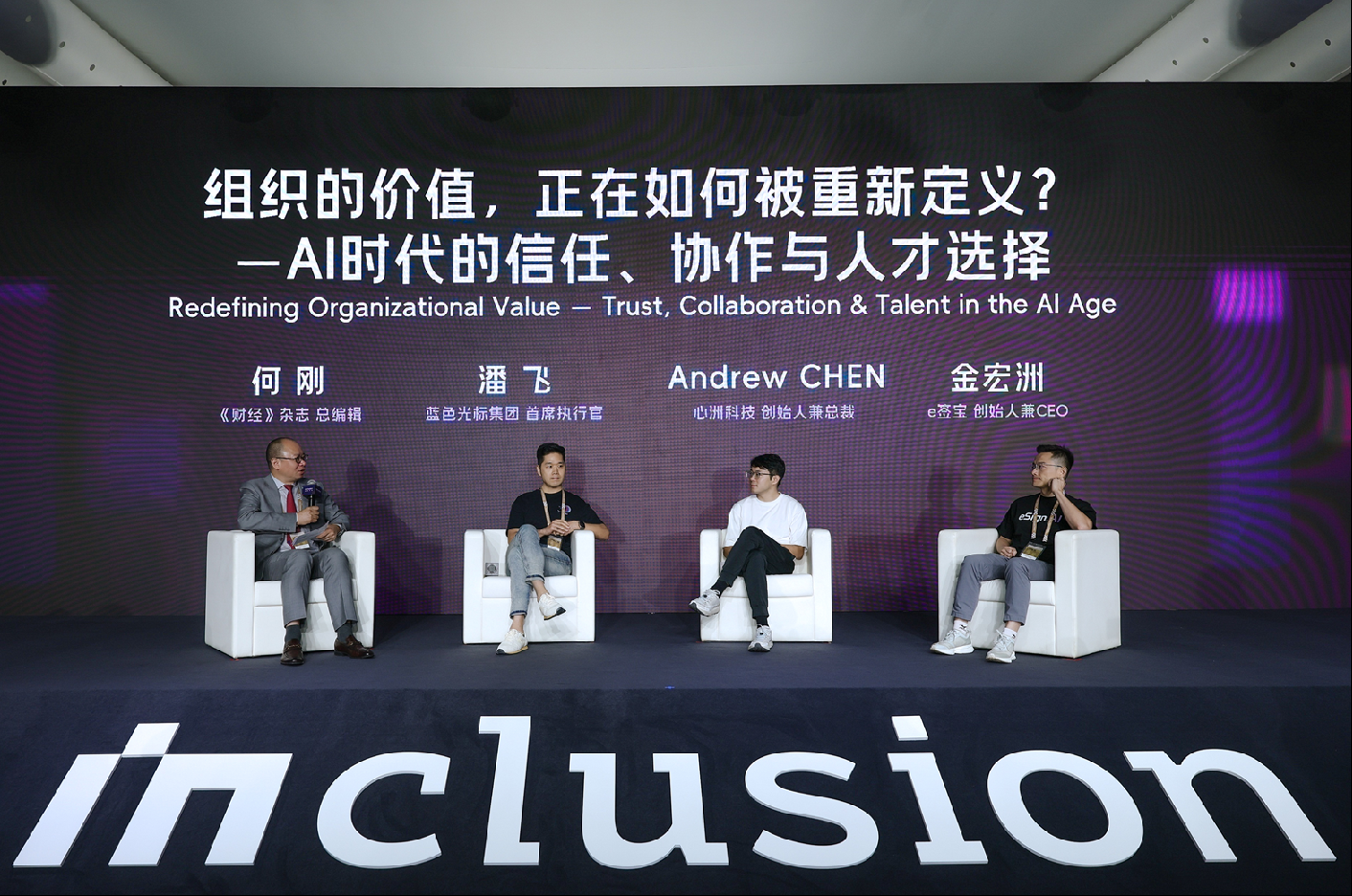
Pan Fei, CEO of BlueFocus Group, believes that organizations need to use AI to break through their original growth boundaries and provide a stage for talents to challenge greater tasks. More importantly, you need to challenge those things that you only dared to think about but dared not do in the past. "He also pointed out that computing power investment cannot be directly equated with value:" This high consumption does not necessarily bring high value directly. You must give up this fantasy, but it can bring high possibilities. "Organizations need to rely on long-term accumulated data, scenarios, and trust to provide support for exploring new possibilities.
Andrew Chen, founder and president of Xinzhou Technology, pointed out that AI has significantly reduced the cost of producing product demonstrations, but having rich demonstrations does not necessarily mean increasing value. AI has created 10 times more productivity, but it does not equal 10 times more value. ”In his view, the real challenge is to transform creative modeling capabilities into user value and continuously deliver reliable products. "This is not just one person's job, but a system that must withstand pressure in a practical way
Jin Hongzhou, founder and CEO of e-Sign Treasure, reminds that the exquisite reports generated by AI may create an "illusory prosperity": "People may feel efficient and perfect for a period of time, but in reality, they find that the road is getting further and further astray." Therefore, managers still need to go deep into the front line and grasp the real business situation. He believes that the value of an organization is to enable individuals whose abilities are amplified by AI to "integrate into a trusted and powerful system, thereby becoming a powerful whole", with long-term accumulated capabilities and customer trust, supporting continuous delivery.
In response to concerns about why being more efficient is more tiring and where to go after teaching AI, organizations need to provide answers that go beyond efficiency numbers: whether the time saved can be transformed into space for exploration and growth, and whether people can gain new opportunities and greater creative space after accumulating work experience with AI. This also returns to the meaning, trust, and value proposed by Wu Minzhi: to help people find careers worth investing in together, to grow together with trustworthy partners, and to achieve personal value that is difficult to accomplish alone in co creation.