Economic Observer Follow
2026-09-05 13:40


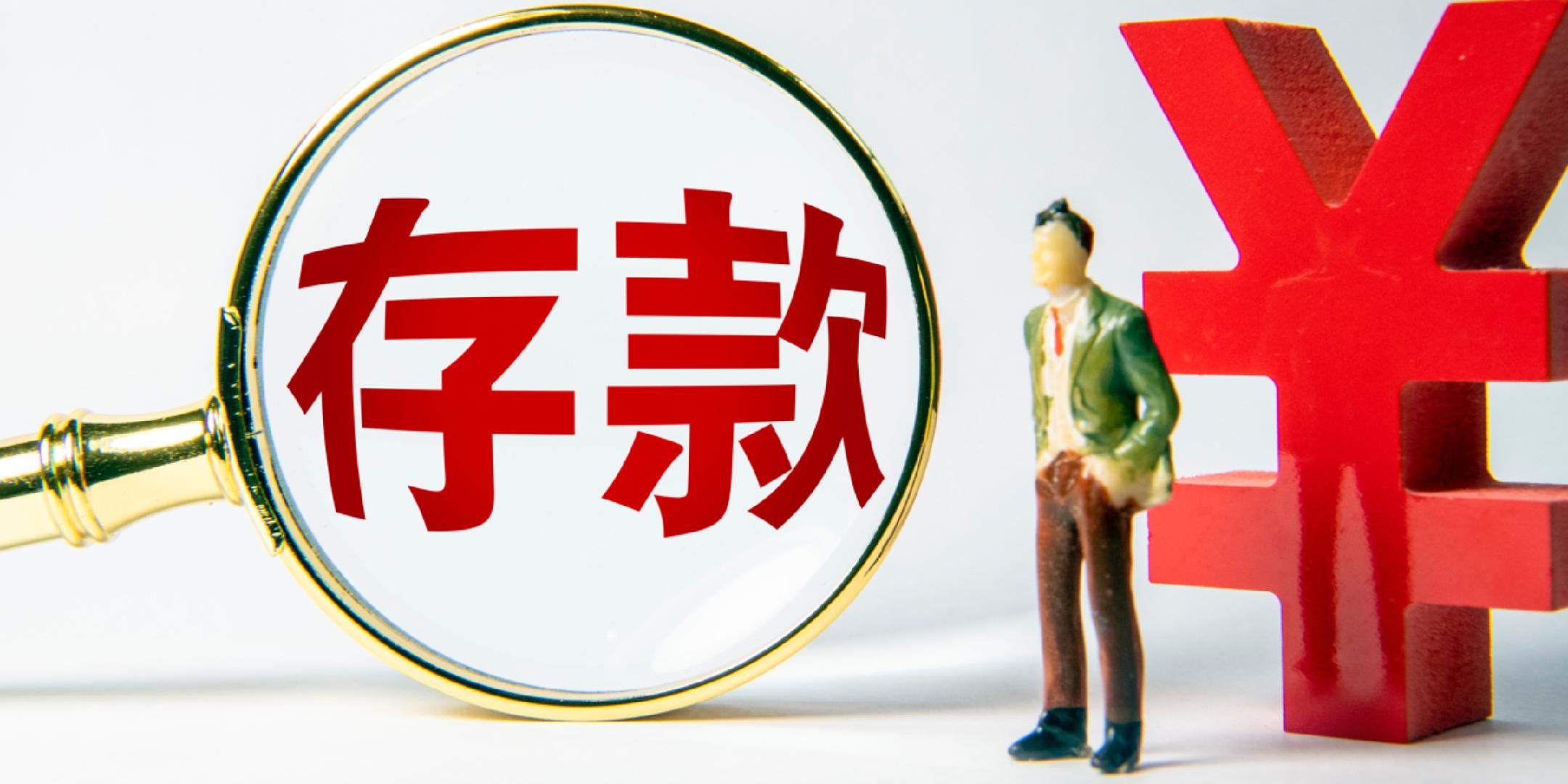
42 A-share listed banks have announced the end of their 2026 interim reports, with "deposit" becoming one of the high-frequency words in the interim quarter. The reporter noticed that the interest rates on personal fixed deposits of several listed banks have decreased by 30-60 basis points.
Behind this is an ongoing "maturity wave" of fixed deposits. According to multiple securities firms' calculations, the scale of high interest fixed deposits due in 2026 is about 50 trillion yuan, mainly concentrated in 3-year and 5-year terms. These deposits were mostly formed in 2021 and 2023, when the 3-year and 5-year interest rates were still at 3% -4%, but now they have dropped to around 1.6%.
These fixed deposits are gradually maturing and being re priced according to the new interest rate, directly lowering the bank's debt cost and driving up the net interest margin. The management of multiple banks stated at the mid-term performance meeting that the main factor supporting the stabilization of interest rate differentials in the first half of the year was the repricing of high interest fixed deposits due to concentrated maturity.
Choose to renew after expiration
In the first half of 2026, the scale of personal fixed deposits in banks is still expanding.
The interim report shows that in the first half of the year, the six major banks' absorption of personal fixed deposits increased by over 3 trillion yuan compared to the end of the previous year. Among them, Industrial and Commercial Bank of China, China Construction Bank, Agricultural Bank of China, and Postal Savings Bank of China all increased by over 500 billion yuan compared to the end of last year.
Among the listed joint-stock banks, the personal fixed deposits of 8 banks have increased to varying degrees compared to the end of last year, with a total increase of over 300 billion yuan. Among them, Shanghai Pudong Development Bank's absorption of personal fixed deposits increased by 58.943 billion yuan compared to the end of last year, with the largest increase; And Ping An Bank's personal fixed deposit absorption scale has decreased by more than 10 billion yuan.
The increase in quantity is accompanied by a decrease in price. The 2026 interim report shows that the deposit costs of listed banks have generally decreased, but the decrease is significantly differentiated. Among them, the deposit interest rates of the six major banks in the first half of the year decreased by about 30 basis points year-on-year.
The average interest rate for customer deposits of Industrial and Commercial Bank of China was 1.15%, a year-on-year decrease of 30 basis points. The interest rate for personal fixed deposits decreased from 2.04% to 1.69%, a decrease of 35 basis points; The average interest rate of Construction Bank's deposits is 1.11%, a year-on-year decrease of 29 basis points, and the interest rate of personal time deposits is 1.67%, a year-on-year decrease of 44 basis points; The average interest rate of Postal Savings Bank's deposits has dropped to 0.98%, a year-on-year decrease of 25 basis points, and the interest rate of personal time deposits has dropped to 1.24%, a year-on-year decrease of 33 basis points, still the lowest level among the six major banks; The average interest rate for deposits accepted by Bank of China was 1.40%, a year-on-year decrease of 34 basis points. The interest rate for personal time deposits decreased from 2.16% to 1.70%, a decrease of 46 basis points.
Wang Wenjin, Vice President of Agricultural Bank of China, stated at the mid-term performance meeting that existing fixed deposits with high interest rates have entered a period of concentrated repricing, especially for 3-year deposits, with a maximum decline in listed interest rates of up to 135 basis points. According to the interim report, the average interest rate of Agricultural Bank of China's deposits was 1.13%, a year-on-year decrease of 29 basis points, and the interest rate of personal time deposits decreased from 2.10% to 1.67%, a decrease of 43 basis points.
The decline in the stock market is relatively distinct. For example, as of the end of June 2026, the cost ratio of personal time deposits of CITIC Bank decreased from 2.58% in the same period last year to 1.98%, a year-on-year decrease of 60 basis points, ranking first in the decline; The personal fixed deposit interest rate of Minsheng Bank has decreased from 2.68% in the same period last year to 2.14%.
Lin Shu, General Manager of the Planning and Finance Department of Industrial Bank, calculated at the mid-term performance meeting that this year Industrial Bank has 540 billion yuan of fixed-term deposits with a maturity of more than 3 years. About 310 billion yuan has already matured in the first half of the year, and 230 billion yuan will mature in the second half of the year. The interest cost of these deposits was 3.15% before, and if replaced with the current listed interest rate of 3-year fixed-term deposits, the cost can be reduced by about 140 basis points. If a portion of the deposits are converted into low-cost current deposits, there will be even greater room for cost savings. At the same time, Industrial Bank of China has imposed strong constraints on high cost products such as structured deposits, large denomination certificates of deposit, and long-term fixed-term deposits, and has promoted the reduction of interbank deposit funding costs to optimize the deposit structure.
City commercial banks and rural commercial banks also benefit from deposit maturity repricing. For example, the average interest rate for personal fixed deposits at Ningbo Bank is 2.07%, a year-on-year decrease of 52 basis points.
The concentrated maturity of high interest fixed deposits poses a test for banks to determine whether they can retain these funds. According to the disclosed data, some banks, especially large ones, have a renewal rate of over 80% to 90% for their fixed deposits after maturity.
Zhou Wanfu, Vice President of Bank of Communications, revealed at the mid-term performance meeting that the renewal rate of the bank's fixed deposits after maturity remains above 90%. The risk appetite of the fixed deposit customer group is generally stable, and even in the case of low interest rates, they still tend to keep their funds in banks, believing that this is the most reassuring choice.
Tang Shuo, Vice President of China Construction Bank, stated at the mid-term performance briefing that in the first half of the year, the overall acceptance of matured funds from individual customers' fixed deposits by China Construction Bank was good, with an acceptance rate of over 90%.
Xie Zhibin, Vice President of CITIC Bank, stated at the mid-term performance conference that the maturity repurchase rate of CITIC Bank's 3-year fixed deposits and the retention rate of AUM (asset management scale) in the first half of the year were basically the same as in 2025, and there was no new trend change. Especially in an environment of declining interest rates and intensified market volatility, stable deposits remain the core bottom line for residents' wealth allocation.
Deposit interest rate cuts' boost 'net interest margin
In the first half of 2026, the downward adjustment of deposit interest rates will have a "bottoming out" effect on the net interest margin of banks. According to data disclosed by the State Administration of Financial Supervision and Administration, the net interest margin of commercial banks in the second quarter of 2026 was 1.41%, an increase of 1 basis point compared to the previous quarter, marking the first quarterly increase since 2022.
According to a research report by Guosen Securities, the average net interest margin of listed banks in the first half of 2026 was 1.41%, which remained unchanged year-on-year and showed a significant improvement from the 13 basis point decline in 2025.
The core of stabilizing the interest margin lies in the fact that the reduction in debt costs has balanced the downward trend in asset side returns. According to Guosen Securities' analysis, this is mainly due to two reasons: firstly, the decline in the listing interest rate of long-term restricted deposits exceeds the LPR (Loan Market Quotation Rate) - the decline in the listing interest rate of long-term restricted deposits in 2023 and 2025 both exceeds the decline in LPR during the same period, effectively offsetting the impact of LPR decline on asset side returns; The second is the time difference in the repricing rhythm of deposits and loans - the repricing cycle of loans is short, and the LPR reduction is quickly reflected in the decrease of interest bearing asset returns, while the repricing cycle of time deposits is long, and it takes a long time for the deposit listing interest rate to be fully reflected in the cost of liabilities after being lowered. When LPR and deposit listing rates are lowered synchronously, the decrease in debt costs is "one step later" than the decrease in asset returns, which leads to a significant decrease in net interest margin before the interest rate cut. However, now that the pace of the two is tied, the net interest margin stabilizes accordingly.
The bank's interim report data also confirms this point. Affected by the decrease in interest rates, the net interest margin of multiple banks has stabilized and rebounded. Compared to the end of last year, the net interest margin of China Construction Bank and Bank of Communications both increased by 3 basis points, reaching 1.37% and 1.23% respectively. The net interest margin of Industrial and Commercial Bank of China and Bank of China both increased by 1 basis point, reaching 1.29% and 1.27% respectively. Agricultural Bank of China remained unchanged at 1.28%, while Postal Savings Bank of China decreased by 3 basis points, reaching 1.63%.
Zhou Wanfu stated that the year-on-year rebound in the net interest margin of Bank of Communications is due to the repricing of fixed deposits upon maturity. The repricing of assets was basically completed in the first two years, but the deposit listing interest rate has been continuously lowered since 2022, especially in 2023 and 2024, with intensive and significant reductions. With the repricing of fixed deposits gradually maturing, favorable conditions have been provided for the reduction of liability costs.
From a rhythm perspective, Zhou Wanfu disclosed that the repricing scale of fixed deposits by Bank of Communications this year will exceed that of last year, accounting for about 60% in the first half of the year and over 30% in the second half. The repricing effect on debt costs has already been reflected in the first half of the year, and it will continue to have a positive impact in the second half. The net interest margin for the whole year is expected to maintain a stable and positive trend.
Liu Chenggang, Vice President of Bank of China, believes that in the second half of the year, both net interest margin pressure and support will coexist, and the overall trend of stabilization and recovery will continue, and resilience will be further enhanced. In terms of pressure factors, there are signs of stabilization in the interest rates of newly issued RMB loans, but overall downward pressure on asset yields still exists in the context of credit "slowing down and improving quality". In terms of support, firstly, there is still room for the release of RMB debt costs, and in the second half of the year, some long-term fixed-term deposits will be re priced upon maturity, which is expected to drive down deposit costs further; Secondly, the optimization of asset structure dividends will continue to be realized, with an increase in the proportion of bond investments and steady growth in high-yield regional businesses; The third is that the incremental contribution of foreign currency interest rate differentials will continue, with a high proportion of foreign currency assets and a higher margin than the Chinese yuan.
After all these high interest deposits are repriced, banks need to shift from "enjoying the dividend of repricing" to "relying on active debt management and customer management" to continue their efforts.
Liu Jun, the President of Industrial and Commercial Bank of China, pointed out that as the maturity of existing fixed deposit products decreases and the interest rate spread between new and old products further narrows, the support effect of repricing dividends on interest rates will gradually weaken.
Looking ahead to the whole year, Zhang Yi, President of China Construction Bank, stated that the bank is confident in maintaining a leading net interest margin among comparable peers by stabilizing the total amount, pace, portfolio, and liabilities. Among them, in terms of optimizing debt, the bank continues to promote proactive debt structure optimization and cost reduction, dynamically and agilely arrange various types, terms, and financing rhythms of proactive debt such as central bank funds, interbank liabilities, and financial bond issuance, broaden debt channels, do a good job in deep management of interbank customer groups, and maintain interest rates at a reasonable level



 Subscribe