2026-08-04 16:34



On July 16, 2026, the Argentine Ministry of Economy issued Resolution No. 218/2026, which requires local manufacturer GRI Calvi ñ o Towers Argentina SApply to initiate an anti-dumping investigation on steel industrial wind towers and their components originating in China. The involved products are wind turbine towers and their components with a height of not less than 50 meters, involving tax codes 7308.20.00 and 8502.31.00 from the Southern Common Market.
The Argentine National Foreign Trade Commission has preliminarily calculated in the filing materials that the weighted average low price sales of the products involved are 46.39%. But the same document also points out that the existing evidence is insufficient to infer that the local industry has suffered substantial damage: the share of Chinese wind towers in the Argentine market has decreased from 10% in 2024 to 2% in 2025. The investigation is still ongoing, based on the threat of substantial damage rather than the actual damage that has already occurred.
The case is still in the filing stage. But risks will not appear until after the final ruling. Once the investigation is initiated, importers will assess the possibility of future anti-dumping duties, and developers may also re-examine procurement prices, delivery schedules, and financing arrangements. Even if the enterprise ultimately obtains a favorable ruling, the order may have been delayed, renegotiated, or even cancelled.
This case is worth paying attention to not only whether there is dumping of Chinese wind towers, but also whether an overseas order that has already won the bid may change its original costs and performance conditions due to a trade investigation. Enterprises not only need to answer how to win orders based on prices, but also explain how prices are formed, who bears the risks, whether projects can be completed on schedule, and whether they can continue to stay in the local market after completing a transaction.
1、 Is' cheap 'causing trouble? How low price bidding triggers the door to anti-dumping investigations
According to the Anti Dumping Agreement of the World Trade Organization, an investigation application needs to provide evidence of dumping, industrial injury, and the causal relationship between the two; The assessment of the threat of damage should also be based on facts and foreseeable and imminent changes, rather than relying solely on speculation.
But price is often the easiest entry point for applicants to grasp. According to official materials from Argentina, the import price of Chinese wind towers after tax payment in 2025 is 31% to 38% lower than similar products of the applying enterprise, and about 35% lower than the average sales revenue of local industrial units. These are still preliminary calculations in the filing stage, but they are sufficient for the applicant to claim that imported products are forming price pressure.
The applicant company stated that the wind tower project usually takes 6 to 9 months from award to customs clearance, and projects that have already won the bid but have not yet been delivered may be converted into new imports in the future.
Although the actual import share has decreased, the investigating authorities are still evaluating whether future orders will pose an imminent threat of damage. The review faced by enterprises may involve projects that have already been awarded but have not yet been delivered.
Anti dumping investigations involve both industry damage and dumping margins. The applicant can claim that the local industry is facing a threat of damage through import prices, market share, and future orders; The surveyed enterprises are required to submit business and transaction data based on normal values, export prices, and comparison methods. Scale effect, production efficiency, and supply chain advantages can explain cost structure, but cannot replace the response to the calculation of dumping margin itself.
For enterprises, what they really need to be wary of is not from large-scale production, supply chain integration, improved production efficiency, and reduced procurement costs, but how to explain prices with complete, continuous, and verifiable data after the investigation is initiated. Steel procurement, labor, depreciation, transportation, insurance, financing, certification, and reasonable profit should all be mutually confirmed with the bidding quotation; Procurement, production, finance, and export data should also form a closed loop. Only when the data can be mutually verified, can the cost advantage be transformed into favorable evidence in the investigation.
This does not mean that companies have to accept all accusations of low prices. Enterprises, industry organizations, and government departments should still actively defend investigations that lack factual basis and have obvious protectionist colors based on rules. However, effective defense should not only emphasize the cost advantage of Chinese manufacturing, but also provide a data-driven response to the prices, costs, and comparative methods used by the investigating authorities.
2、 A single incident puts pressure on the entire industry: the chain transmission mechanism of trade risks
Trade investigations are usually initiated by one or a few local companies, but the impact may spread along the product range, origin, and trade path. There is only one applicant in the Argentine wind tower case, but the investigated object is not an order from a Chinese company, but related wind towers and components that meet the product definition and originate in China. The re evaluation by the purchasing party may no longer be limited to a single supplier's quotation, but rather the delivery, tax compensation, and policy risks of similar Chinese suppliers.
Similar diffusion has occurred in the US photovoltaic industry. In 2022, after the application of American company Auxin Solar, the US Department of Commerce launched a country wide anti circumvention investigation into some photovoltaic products produced and using Chinese components in Cambodia, Malaysia, Thailand, and Vietnam. Anti circumvention and anti-dumping are not the same investigative tool, but they have one thing in common: the investigation results have not yet been implemented, and market entities have already re priced potential risks.
The American Solar Industry Association and the world-renowned energy research firm Wood Mackenzie estimated at the time that the investigation caused a delay of at least one year in the construction or development of 17.6 gigawatts of projects, and another 450 megawatts of projects were cancelled. This set of data cannot be simply attributed to a single enterprise, but it indicates that policy uncertainty will enter into contracts, financing, and project schedules before the final ruling.
Customers will not wait until the final decision before taking action. Importers are concerned about future tax payments and may delay placing orders or request renegotiation; Developers need to re evaluate the construction period, loan interest, and grid connection window; Financing parties and insurance institutions will also adjust their risk assessments. The raw materials, production capacity, shipping space, and performance guarantee that export enterprises have already locked in are difficult to release in a timely manner, and the pressure is subsequently transmitted to upstream suppliers.
This is not an industry collusion in terms of legal responsibility, and the actions of individual companies cannot represent the entire industry. But as long as the risk of delay, tax payment, or supply interruption increases, the purchaser may reduce their order exposure to similar suppliers. A trade dispute that starts with a company's application may translate into shared operating costs among peers.
3、 The hidden cost trap behind winning the bid
When peers are lowering prices and production capacity needs to start, whoever raises prices first may lose orders first. Overseas projects are often seen as a model for entering new markets, where sales departments see contract amounts and market share, while procurement, finance, and after-sales departments bear costs that may only become apparent a few years later.
The "China Wind Energy" sponsored by the Wind Energy Special Committee pointed out that in the vicious competition of low prices, product sales prices are lower than costs, and enterprises cannot obtain reasonable profits, and the price mechanism will also be distorted. Once the pricing inertia formed in the domestic market spills over to overseas markets, costs such as certification, transportation insurance, local taxes and fees, exchange rate fluctuations, performance guarantees, installation coordination, and multi-year warranties may turn a "sizable" order into a "no return" order.
The cost of "missing calculations" during bidding will not disappear, but will be returned to the account during the delivery and after-sales stages.
Once trade policies such as tariffs and export controls are suddenly adjusted, they may quickly change the costs, prices, and performance conditions that companies rely on when signing contracts. In the final anti-dumping ruling made by Vietnam against some wind towers and wind power equipment components in China in December 2024, Jiangsu Zhenjiang New Energy Equipment Co., Ltd. is not subject to anti-dumping duties, while other Chinese manufacturers and exporters are subject to a 97% anti-dumping tax rate. The public announcement did not disclose the complete calculation process of the exemption from anti-dumping duties, and the result cannot be simply attributed to the preparation of a certain material; However, the significant difference in tax rates in the same case indicates that whether a company participates in the investigation and can strive for a separate tax rate result will significantly affect its market situation.The additional tax burden close to the value of the goods is enough to force importers to cancel orders, change suppliers, or renegotiate prices.
Low price orders do not necessarily result in losses, and long-term projects do not necessarily lose control. But the closer the quotation is to the cost, the less room the enterprise has to bear exchange rates, shipping costs, delays, and policy changes. Reasonable profit is not a burden on competitiveness, but a buffer left for uncertainty. The order amount can only indicate how big the business is, and after deducting performance, funding, and policy risks, how much cash and profit can still be left, which determines whether this is a good order.
4、 From fighting alone to going out together: building a new paradigm of collaborative defense
Chinese new energy equipment enterprises going global should not only consider overseas markets as an extension of their sales radius, but also establish a long-term business system from quotation, contract, delivery to after-sales service.
Firstly, we need to move compliance to the quotation stage. Enterprises should match their bidding prices with procurement contracts, production records, cost allocation, export documents, and related transaction information item by item, and conduct trade remedy risk screening before entering key markets. The cost evidence chain is not a remedy after winning the bid, but should be part of the quotation decision.
Secondly, policy risks should also be included in the contract as much as possible. After changes in exchange rates, shipping costs, tariffs, and trade remedy measures, how prices will be adjusted, who will bear additional taxes and fees, and how delayed deliveries will be handled should all be agreed upon in advance. Small profit projects, especially, cannot rely on "talk later" to digest risks.
Once again, companies need to increase their level of integration into the local market. Goldwind Technology's manufacturing base in Camasari, Bahia State, Brazil, is scheduled to be put into operation in 2024, with a planned annual production of 150 wind turbines and obtaining FINAME localization certification; At the end of 2024, Goldwind Technology signed a project contract with SPIC Brasil to provide 17 wind turbines and up to 30 years of operation and maintenance services for its two wind farms located in Rio Grande do Norte, Brazil. The significance of localization is not just changing the shipping location, but truly putting production, employment, supply chain, financing, and after-sales service into the local market
Finally, enterprises should be responsible for their own costs and contracts, industry organizations should also strengthen key market warning, litigation coordination, and rule training, and government departments can provide support in information dissemination, public legal services, and trade remedy negotiations. Faced with investigations based on product and origin, the silence or mistakes of individual enterprises often have an impact that goes beyond themselves.
Conclusion
Winning orders is not the end of internationalization, but the starting point of long-term operation. Competitive pricing can help companies open up the market, but what Chinese new energy companies really need to strive for is not just the first place on the pricing list, but to obtain long-term market qualifications through interpretable costs, reliable services, and sustainable local cooperation.
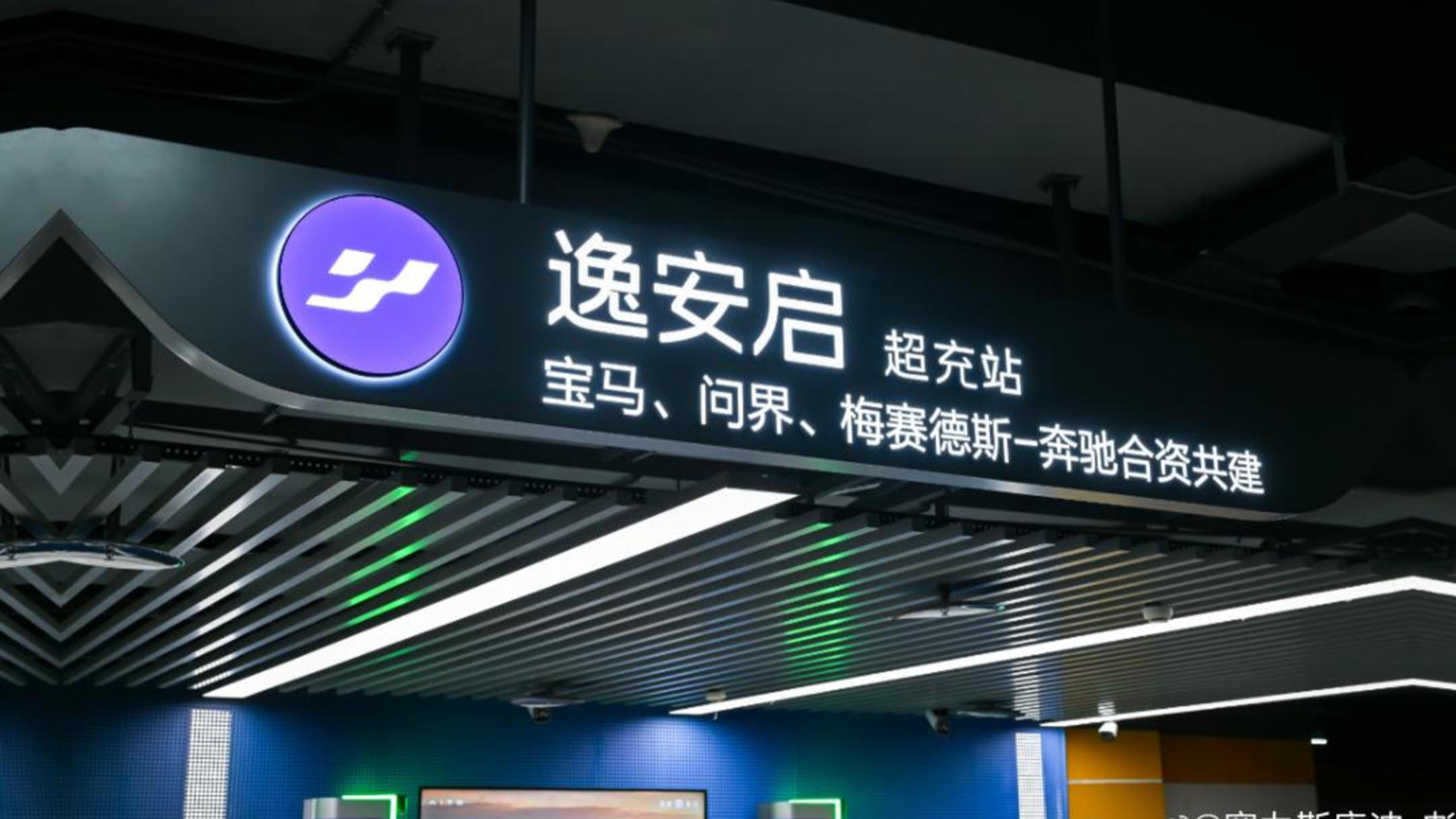
Xilinx officially announced that Wanjie has joined the Mercedes Benz and BMW supercharging camp, with over 600 stations directly connected
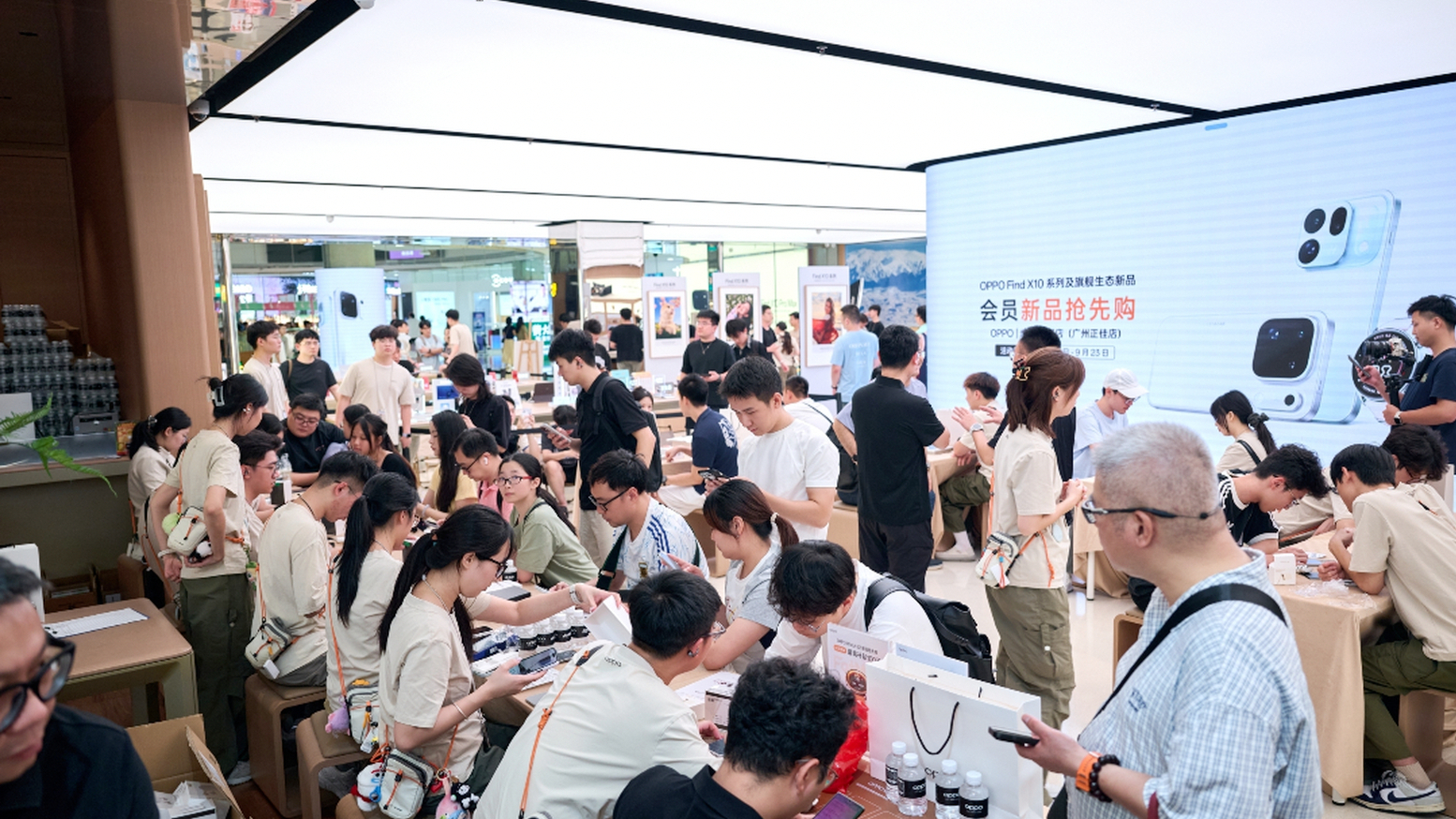
OPPO Find X10 tops sales on the standard version track

Technology Show | iQOO16 is now available for sale, under the name of Standard Edition, to meet the requirements of Pro Max product strength