Economic Observer Follow
2026-05-31 10:37


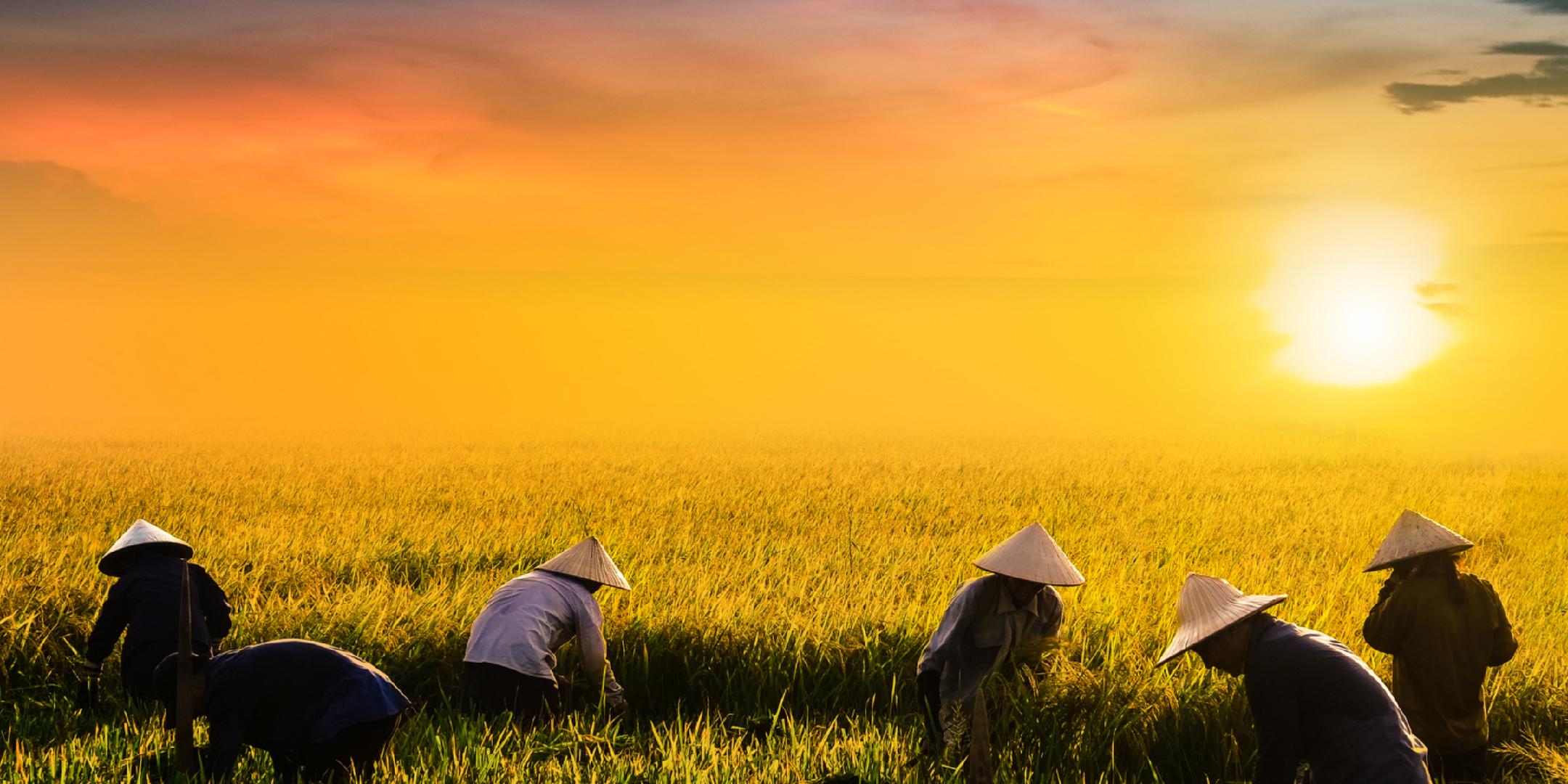
The memory of poor harvest caused by high temperatures and drought in the summer of 2025 has not completely faded away. Zhang Quan, a farmer in Zhumadian, Henan, may face a new round of challenges from climate change this year or even in the coming years.
In April of this year, the National Climate Center predicted that during the main flood season, temperatures in most parts of the country would be higher than the same period in previous years, with periodic heatwaves in North China, East China, Central China, South China, the eastern part of Southwest China, and Xinjiang. On May 28th, the World Meteorological Organization released a latest report predicting that global average temperatures may continue to remain at or near record high levels between 2026 and 2030.
Zhang Quan planted more than 20 acres of corn fields locally. Under normal circumstances, after deducting rent, seeds, fertilizers, and other expenses, the net profit per acre is between 500-600 yuan. But last year, due to the dual impact of sustained high temperatures in summer and continuous wind and rain during the autumn harvest season, the net profit per mu decreased to 200-300 yuan.
According to data from the Henan Provincial Bureau of Statistics, the summer grain production in Henan Province will decrease by 0.9% and the annual wheat production will decrease by 0.9% in 2025.
While people living in air-conditioned rooms in cities are debating whether the climate has changed due to various ideas, agricultural practitioners who face the climate have already accepted this fact and made adjustments.
Breeding companies are shifting their focus from pursuing high yields to prioritizing stable yields and providing a bottom line through stress resistance; Farmers actively adjust their cultivation methods and invest more costs in pest control and irrigation equipment; Botanists have found that the frequency of warm winters has significantly increased in some areas, leading to an increase in the survival rate of crop pests and diseases, as well as overwintering pests; The manager of the agricultural machinery company lamented that extreme weather has put higher demands on farmers' ability to cope in a short period of time; Meteorologists have tracked and found that the sustained increase in temperature and humidity since the 1980s has transformed parts of the arid and semi-arid regions of Northwest China and the edge of the Qinghai Tibet Plateau into cultivable areas. However, the frequent occurrence of extreme weather in recent years has brought new challenges.
Cui Liguo, General Manager of Hexin Power (Shenzhen) Technology Co., Ltd. (hereinafter referred to as "Hexin Power"), stated that the impact of extreme weather on agriculture is no longer just a local disturbance in a single link, but continues to exacerbate the full cycle risks and systemic environmental threats of agricultural production. Traditional agricultural production has long relied on stable seasonal patterns, planting experience, and fixed operating windows for management. However, in recent years, extreme weather, such as high temperature heat wave, short-term rainstorm, continuous drought, cold in late spring, typhoon, continuous overcast rain and so on, broke the relatively stable planting rhythm completely and increased the uncertainty of agricultural production significantly.
By paying long-term attention to the impact of climate change on agriculture, Pan Zhihua, a professor of China Agricultural University, said that under the condition of limited arable land, how to ensure the continuous increase of yield per unit area (yield per unit land area in a year or a quarter) has become a question of the times. However, in the past century, especially since 2020, climate change has become increasingly significant. With the increasingly severe situation of food security, the contradiction between the objective demand of the country for stable and increased agricultural production and the severe global climate change situation is becoming increasingly prominent.
This severe contradiction is obviously difficult for people in the farmland to cope with independently.
Despite the frequent occurrence of extreme weather, Zhang Quan still did not make plans for potential drought and rainstorm. He said, "I have been a farmer for decades, and besides farming, I have no other way out. I can only water frequently when the weather is dry, and pray for less rain from the heavens during floods. Other farmers in the village have been surviving year after year like this
Farmer's Choice
In recent years, Gong Chaqin, co-founder of Jifei Technology, has been traveling around the world to observe the impact of climate change on agriculture. The research results show that in the past five years, climate change has been visibly impacting agricultural planting in a considerable part of the world, and the pace of climate change affecting agriculture has far exceeded the expectations of farmers.
In July 2025, due to high temperatures and drought, the average surface humidity in the area from Hubei to Zhumadian in Henan province dropped to below 5%, which is lower than the Taklamakan Desert during the same period and a phenomenon that has never occurred in nearly a century. This directly leads to the problem of insufficient filling of corn and wheat during important growth periods.
During the autumn harvest season, Henan Province experienced continuous rainy weather. The wheeled harvesters that had been effective for many years in the area were unable to be harvested due to ground subsidence, and the crops harvested manually faced the problem of a lack of drying machines. As a result, some grains became moldy and spoiled due to the lack of time to dry, or were used for the lowest end of feed additives.
In Guangdong, Hainan and other places, high-value fruits such as bayberries, lychees, mangoes, etc. are more susceptible to pests and diseases in recent years due to their poor resilience to climate change. As a result, the taste of the fruits has been affected, leading some farmers to resort to soaking in chemical solutions to compensate for their "taste buds".
The world is experiencing the same heat and coolness. In Andalusia, Spain, a city renowned worldwide for its fresh flowers, farmers lament that climate change in recent years has made flower cultivation increasingly difficult. High temperatures and heavy rainfall have led to the proliferation of a large number of fungi, requiring the spraying of fungicides and foliar fertilizers every few days; In traditional high-quality wine producing regions such as Bordeaux in France, farmers have not watered their grapes extra in the summer for centuries in order not to dilute their flavor and quality. However, in recent years, due to the impact of high temperatures and droughts, farmers have also been forced to compromise.
Entering 2026, the impact of climate change is still intensifying. According to monitoring data from the National Climate Center, since the beginning of the flood season this year, the average precipitation in China has reached 110.1 millimeters, which is 18.6% higher than the same period in previous years. Especially since the middle of May, many places such as Hunan and Chongqing have been successively affected by rainstorm, and some areas have suffered from floods.
Under the frequent occurrence of extreme weather, global farmers can only choose between investing higher costs in agricultural cultivation to cope with climate change, or continuing traditional planting methods to withstand the potential reduction or even complete crop failure caused by climate change.
Wang Lele, the person in charge of an orchard planting base in Yantai City, observed that when the temperature continues to exceed 35 ℃, apples will experience discoloration and deformation of the skin, which will affect the taste of the apples. In addition, sustained high temperatures can easily cause diseases such as fruit tree spider mites, chicken claw lines, anthrax, and leaf blight. Under the influence of last year's spring drought and sustained high temperatures in summer, she has become increasingly concerned about weather forecasts this year and has prepared fertilizers and pesticides in advance to cope with potential weather changes.
Meng Quan, the head of Guigang Plant Protection Station in Guangxi, observed that under the influence of climate warming, the frequency of extreme drought in warm winters, autumn and winter in Guangxi has significantly increased. This change directly leads to an increase in the survival rate of crop pests and diseases, as well as overwintering pests. For example, the rice stem borer has gradually become the dominant population of rice borers in Guangxi. Congenital migratory pests such as rice planthoppers and rice leaf rollers have moved into the local area 10-15 days earlier than more than ten years ago.
Meng Quan said that climate change and the decrease in temperature difference between day and night can also lead to a decrease in the amount of substances converted into fruits in crops, thereby causing a decline in the quality of crops. In order to achieve the green prevention and control goals of "reducing drug damage, improving quality and efficiency", ordinary growers need to integrate biological control, physical induction control, chemical control and other methods to achieve "prevention first, comprehensive control".
Rongwo (Heilongjiang) Agricultural Service Co., Ltd. has planted approximately 2 million acres of corn and soybeans in major grain producing areas such as Harbin and Heihe. To cope with the potential impacts of extreme weather, the company has purchased over 200 tractors, harvesters, and multiple drying equipment. The general manager of the company, Gong Qingliang, said that in the Northeast region, local floods caused by typhoons in 2023 and extreme rainfall in 2024 have made the importance of agricultural machinery and equipment increasingly prominent.
In response to climate change, Gong Qingliang also proactively adjusted his farming methods. One is to use a deep plowing mode that cuts through the surface layer during planting, which can allow a certain amount of rainwater to quickly infiltrate the underground. Otherwise, water is prone to settle on the surface, causing crops to be soaked in water for a long time; The second is to build temporary water storage pits, pumping pumps, etc. around farmland to quickly drain water when rainfall arrives.
In addition, every year Gong Qingliang spends millions of yuan to purchase agricultural disaster insurance, with the insurance cost per mu of land being about 6% of the planting cost. He said, "With the increasing frequency of natural disasters, farmers must change their traditional thinking and include agricultural insurance costs in their planting costs
Compared to large farmers, many small and medium-sized farmers have lost the game against climate change and choose to transfer their land.
In 2025, Xiaozhang's family in Xihua County, Zhoukou City, Henan Province planted 21 acres of land (including 5 acres of self owned land and 16 acres of contracted land). However, under the impact of extreme weather in recent years, Xiaozhang's family has reduced the planting scale to 7 acres for the first time this year, and will no longer plant economic crops such as chili peppers, but will instead plant wheat and corn. Although the economic benefits of chili peppers are significantly higher than those of wheat and corn, in order to ensure chili yield, more manpower and funds need to be invested in watering and weeding. The higher the investment, the higher the risk.
In recent years, Gong Qingliang has also observed a significant acceleration in land transfer between Henan and Shandong, and his company has taken this opportunity to lease more land in both regions. He said that in the context of intensified climate change, the ability of small-scale farmers to cope with risks is constantly weakening.
From high yield to stable yield
In recent years, during research in multiple locations, Tian Bingbing, Chairman of Huazhi Biology, found that there has been a fundamental shift in the requirements of seed selection for more and more growers. They no longer only pursue high yields, but their core demands have shifted towards prioritizing stable production, resisting adversity to provide a bottom line, and being widely applicable and durable.
Taking the middle and lower reaches of the Yangtze River as an example, farmers have reported to him that frequent high temperature weather seriously damages the quality and yield of rice, and therefore urgently needs high-quality varieties that are insensitive to high temperatures. As a result, rice varieties with excellent quality and stable rice quality under extreme weather conditions are highly favored, and their promotion area rapidly expands.
Tian Bingbing said that the normalization of extreme droughts and floods, sudden changes in droughts and floods, and extreme temperatures is profoundly changing the company's breeding philosophy and technological layout, driving the company to shift from traditional high-yield orientation to a new breeding track that emphasizes stable production, stress resistance, and wide adaptability. The demand for "mid late maturity+stress resistance+high yield" varieties has surged among Northeast planting enterprises, agricultural reclamation and growers, and the development cooperation of "long growth period+drought resistant and disease resistant markers" for corn and wheat has grown significantly.
Huazhi Biotechnology has systematically conducted precise identification of genes related to drought tolerance, waterlogging tolerance, and high temperature tolerance for major crops such as rice. One example is that the company conducted large-scale drought tolerance tests on more than 500 rice germplasm resources and selected 3 core materials with outstanding drought tolerance for subsequent creation.
Secondly, Tian Binghe explained that extreme drought weather is often accompanied by high temperatures, and high temperatures have a wider impact than extreme flooding weather. Previously, high temperatures mainly had an impact on the heading and fruiting of mid season rice. Now, with the prolonged duration of high temperatures, it has also begun to have a more serious impact on late season rice, which requires strengthening research on the high temperature tolerance of late season rice.
Previously, Huazhi Biotechnology conducted three consecutive seasons of field experiments in Changsha and Lingshui, Hainan, systematically studying the effects of different climatic conditions on rice quality. Research has found that climate change has a complex impact on rice quality, with high temperatures typically significantly reducing the rate of polished rice and increasing the chalkiness rate.
Cui Liguo believes that the core goal of modern agriculture is shifting from simply pursuing high yields in the past to prioritizing stable production, quality improvement, and controllability. Therefore, Hexin Power will focus on crop stress resistance production directions such as high temperature resistance, drought resistance, flood resistance, and pest resistance. It will collaborate with top research institutions, breeding units, and frontline planting entities to adapt to climate change trends, carry out stress resistant variety screening, cultivation mode iteration, and inter field management system optimization, and build a new planting system that is suitable for extreme weather conditions.
He said that in the future, agriculture cannot only ask "how much can be produced at the highest level", but also "how much can be stabilized under extreme weather conditions".
Climate change has brought new challenges and opportunities to breeding.
During the process of contracting land in Northeast China, Gong Qingliang discovered that with climate change, the available seed varieties in some areas have changed. For example, Suihua City, located in the northern part of Heilongjiang Province, could only grow corn varieties that mature in about 120 days more than a decade ago, but now it is possible to try planting corn varieties that mature in 130 days (previously applicable to the central region of Heilongjiang Province). A longer maturity period usually means higher yield.
Pan Zhihua's previous research provided more concrete changes. Through studying various meteorological data over the years, Pan Zhihua found that due to the impact of climate warming, the planting boundaries of the three main crops (wheat, rice, and corn) have shifted northward to a certain extent from 2010 to 2020 compared to 1980 to 1990. Among them, the potential planting range of wheat has moved northwestward by 38.4 kilometers, mainly located in the area of Alshan Yakeshi City in northern Inner Mongolia. Secondly, rice and corn, as typical warm loving crops, have their potential planting boundaries in the central regions of Heilongjiang and Inner Mongolia respectively shifted northward by about 19.4 kilometers.
Pan Zhihua said that in the future, if we want to guide farmers to pay attention to climate change, subsidies also need to be tilted towards climate subsidies. For example, if we want to guide farmers to purchase higher cost drought resistant seeds and efficient fertilizers, government departments should provide subsidies to cover the additional costs that farmers need to pay. This measure will also guide relevant enterprises to develop crop varieties that are resistant to high temperatures, droughts, and floods.
Emergency Harvesting
Until now, Li Kang, the President of CNKI Netherlands China, still has a deep memory of the rare occurrence of consecutive typhoons in Northeast China in 2020, which led to widespread corn lodging.
At that time, it was the autumn harvest season, and if farmers couldn't harvest the fallen corn in time, it would cause the corn to rot directly in the field. However, most corn kernel harvesters are unable to harvest fallen corn, and only a few models of harvesters have this function, making it difficult to find such agricultural machinery for a time.
According to the agricultural situation dispatch of the Ministry of Agriculture and Rural Affairs, from July to September 2020, corn in Jilin, Heilongjiang, and Liaoning provinces was severely affected by typhoons, with 22.6 million mu of corn lying down, accounting for about 15% of the corn area in the three provinces. Among them, 8.26 million acres were severely lodging, accounting for about 5% of the corn area in the three provinces.
Li Kang said, "From the actual cases in recent years, extreme weather has further shortened the operation window period of sowing and harvesting, which puts higher demands on the short-term response ability of farmers and highlights the role of efficient large-scale intelligent devices
After experiencing multiple extreme weather shocks, Li Kang observed that in recent years, large agricultural cooperatives in Northeast China have begun to actively replace more durable and efficient agricultural machinery and equipment. During the autumn harvest season, farmers can use agricultural machinery to harvest crops day and night within a few days. Otherwise, a sudden rainfall will lead to a significant reduction in grain production.
Through research on the autumn harvest waterlogging situation in Henan Province in 2025, Gong Chaqin believes that if local growers had sufficient tracked harvesters and drying equipment at that time, they could greatly reduce the losses caused by natural disasters. According to their understanding, in the northern Great Plains regions of the United States and Europe, due to the consistently humid winters, almost every major grain producing town has established large-scale drying and storage equipment. This measure can prevent the problem of harvested grains becoming moldy and spoiled due to insufficient drying time.
In 2017, Gong Chaqin found during a survey of farmers in Paris, France that a large number of farmers were dismissive of climate change issues, believing that it was just a political issue and that politicians wanted to use it to make businesses pay more taxes. But in recent years, Gong Chaqin has found that farmers in traditional agricultural powers such as France, Italy, and Spain have undergone a 180 degree shift in their attitudes towards climate change. Farmers have begun to actively change their traditional production methods and tools to cope with climate change.
For example, in the wine producing regions of France, frequent high temperatures and humid weather in recent years have made local grapes more susceptible to fungi such as powdery mildew and gray mold. The frequency of pesticide application by growers has been forced to increase to 1-2 times a week during peak periods, compared to only 1-2 times a year more than a decade ago. In order to save labor costs, local farmers have begun to actively purchase large crop protection drones.
In addition, Gong found that in Guangdong, Hainan and other places, in order to reduce the impact of insect pests on high-value fruits and avoid pesticide residue problems, more and more farmers will spray pesticides that meet the national standards for many times through unmanned aerial vehicles or automated equipment to suppress pests and diseases. At the same time, after a rainstorm, automatic water fertilizer integrated system will supplement fertilizers for plants in a timely manner.
Gong Chaqin said that since 2023, the sales scale and profits of China's traditional agricultural machinery market have shrunk, but the demand for intelligent agricultural machinery equipment has shown a counter trend growth trend. In addition to factors such as the reduction of rural labor force and aging population, the shortened time period for farmers to cope with extreme weather requires more intelligent devices.
Cui Liguo said that the biggest challenge brought by extreme weather to agriculture is not the disaster itself, but the strong suddenness, fast spread, and extremely short window for disposal. Under sustained high temperature and humidity conditions, pests and diseases can erupt and spread on a large scale in just a few days; After the rainstorm, if the problems such as field ponding, crop lodging, and soil moisture cannot be found in time and handled quickly, they will directly damage the crop roots, weaken the water and fertilizer utilization efficiency, inhibit the growth in the later period, and cause a chain risk of yield reduction.
Cui Liguo stated that the traditional fixed planting rhythm of relying on solar terms and experience for sowing, fertilization, irrigation, and plant protection is no longer suitable for the current volatile climate environment. The core value of agricultural technology is to comprehensively move forward the risk prediction window and disposal window caused by extreme weather.
For example, in response to the pain points of regional pests and diseases caused by high temperature and humidity in the industry, traditional planting methods often adopt extensive spraying of pesticides on a large area to avoid risks. This not only increases production costs and wastes agricultural materials, but also easily causes agricultural non-point source pollution. By relying on the ability of intelligent inspection equipment to perceive and accurately locate the entire area, risk points and high-risk areas can be accurately identified, and unmanned aerial vehicles and plant protection robots can be linked to achieve targeted governance, reduction and efficiency improvement wherever problems arise.
Cui Liguo said, "Faced with normalized extreme weather, agriculture can no longer rely on experience to endure and rely on the weather to make a living. Intelligent and digital agricultural technology will become the most reliable core defense line for planting entities to cope with climate change and stabilize production capacity and income
But not all growers can use technological means to address climate change. Taking the New Holland CR8.90 harvester launched by Case New Holland as an example, its current market price is nearly 4 million yuan. If a farmer wants to purchase a 200 to 300 horsepower tractor from the company, the suitable planting area needs to be between 5000-10000 acres, which is more suitable for medium and large growers and cooperatives.
In addition, many farmers and agricultural machinery companies have mentioned in interviews that the phenomenon of "middle-aged and elderly" growers is becoming increasingly apparent, and it is difficult to find young people on the front line of agricultural planting, which invisibly raises the threshold for farmers to use advanced agricultural machinery such as drones.
Gong Chaqin said that about 90% of the crop protection drone services in the early market were provided by professional pilots, and drone operations had certain barriers for some middle-aged and elderly growers. Now some unmanned aerial vehicles can be fully controlled by mobile phones, and the development trend of agricultural machinery equipment in the future will be to continuously lower the technological threshold and achieve intelligence and unmanned operation.
The dangers and opportunities of climate change
In the past decade, the intuitive feeling of many drivers is that the scene of "insects densely packed" in front of the windshield when driving in summer evenings is gradually disappearing.
Hu Glacier uses the phenomenon of "Insect Decline" to explain that although high temperatures and humidity may lead to an increase in pests and diseases in some areas, the overall number and species of insects are gradually decreasing. A long-term ecological monitoring project in Germany has found that the biomass of flying insects in some nature reserves has decreased by more than 70% over the past 20 years.
Hu Bingbing said, "Young people nowadays may not even have seen locusts, let alone locust disasters. The destructive impact of pests and diseases on agriculture has been reduced to a very low level. In recent years, the ability of Chinese agricultural production to resist natural disasters has been continuously improving. Therefore, it is necessary to scientifically understand the overall impact of climate change on agriculture. Farmers' micro perceptions may deviate from macro trends
In addition, policies have also played a strong hedging role. Hu Bingbing introduced that China's agricultural disaster insurance subsidies, agricultural machinery purchase subsidies and other support systems have a large scale and wide coverage, and their guarantee capabilities continue to improve. They have played an important role in supporting agricultural disaster prevention, reduction and mechanization development.
According to data from the National Bureau of Statistics, the total grain production in China showed a rapid increase from 2005 to 2015. After 2015, the growth rate of total grain production has slowed down, but overall it still shows a high-level fluctuating upward trend. The "Basic Situation of Natural Disasters in China" released over the years also shows that in 2020, the affected area of crops was 19957.7 thousand hectares, and since then it has shown a fluctuating downward trend. By 2025, it has dropped to 6069.4 thousand hectares. This numerical change is in stark contrast to the frequent occurrence of extreme weather events in recent years.
Pan Zhihua said that China has a vast territory and diverse climate. At the national level, losses in one region may be offset by high yields in other regions. If we go into a specific province or city, we can see the impact of climate on food production.
Although a large number of farmers are deeply aware of the impact of climate change, meteorologists also see it as an opportunity.
Pan Zhihua said that from 2004 to 2015, with the gradual input of pesticides, fertilizers and agricultural equipment, China's total grain output showed a trend of rapid growth. However, the path of promoting yield growth through traditional human and material inputs has gradually approached a bottleneck, and in the future, "seeking food increment from meteorology" is a more practical and feasible path. Meteorological conditions serve as both environmental factors affecting crop growth and development, as well as resource factors involved in crop biomass synthesis.
Previous research by Pan Zhihua has shown that climate change has transformed some areas with insufficient accumulated temperature into cultivable areas, and the expansion of arable land has shown a migration pattern from south to north and from plains to plateaus. Among them, the arid and semi-arid areas in the northwest and the edge of the Qinghai Tibet Plateau are important expansion areas, with the most significant expansion in the northern arid areas. The northernmost boundary of cultivated land expansion has been pushed to the high-altitude areas in the northern part of the Greater Khingan Range.
Li Kang also has a similar feeling about the "northward shift and westward expansion" of arable land. He said that previously, most of the Northeast region had a one-year maturity system, but in recent years, some areas in Liaoning have shown a trend towards a two-year maturity system, which means that the time window for individual operations is shorter and the requirements for equipment efficiency are higher. Previously, some areas in Northeast China were unsuitable for cultivation due to the long permafrost period, but in recent years, they have been developed into new farmland due to climate warming. In addition, some areas in southern Xinjiang have also developed suitable land for cultivation due to the increase in rainfall.
But this expansion also faces some challenges. Gong Chaqin stated that in some major crop producing areas such as potatoes and corn, there used to be abundant groundwater resources. The previous irrigation method used by local farmers was to pump well water for sprinkler irrigation or even flood irrigation. But in recent years, drought and overexploitation of groundwater have led to a rapid decline in groundwater levels in many areas, and farmers have begun to use drip irrigation to solve the problem of water shortage.
In May of this year, the China Meteorological Administration and the Ministry of Agriculture and Rural Affairs jointly issued the "Implementation Plan for National Agricultural Climate Resource Census and Zoning", comprehensively carrying out the national agricultural climate resource census and zoning work. This round of census aims to "conduct surveys, zoning, and application at the same time, comprehensively understand the base of agricultural climate resources, scientifically evaluate agricultural planting boundaries and meteorological disaster changes". In the mid-1960s and early 1980s, China organized two rounds of national agricultural climate resource surveys and zoning.
According to the implementation plan, it is expected that the agricultural climate resource census will be basically completed from 2026 to 2027, and the agricultural climate zoning will be fully completed and applied from 2026 to 2029.
(Zhang Quan's pseudonym in the article)


In the live broadcast of the 2026 Haier Hope Primary School Children's Day Science and Technology Experience Day, Mei Feng, Chairman of the China Youth Foundation, praised Haier: cooperating with Haier for public welfare can be divided into three levels: public donation, resource linkage, and value co creation. Haier adheres to long termism and a sense of social responsibility, making public welfare projects more in-depth and effective.

CEO of Bangyao Biotechnology responds: has never been subject to regulatory interviews due to BD
Computing power leasing 'grabbing the beach' in 2026


 WeChat registration or login


 Subscribe