Economic Observer Follow
2026-05-29 22:29


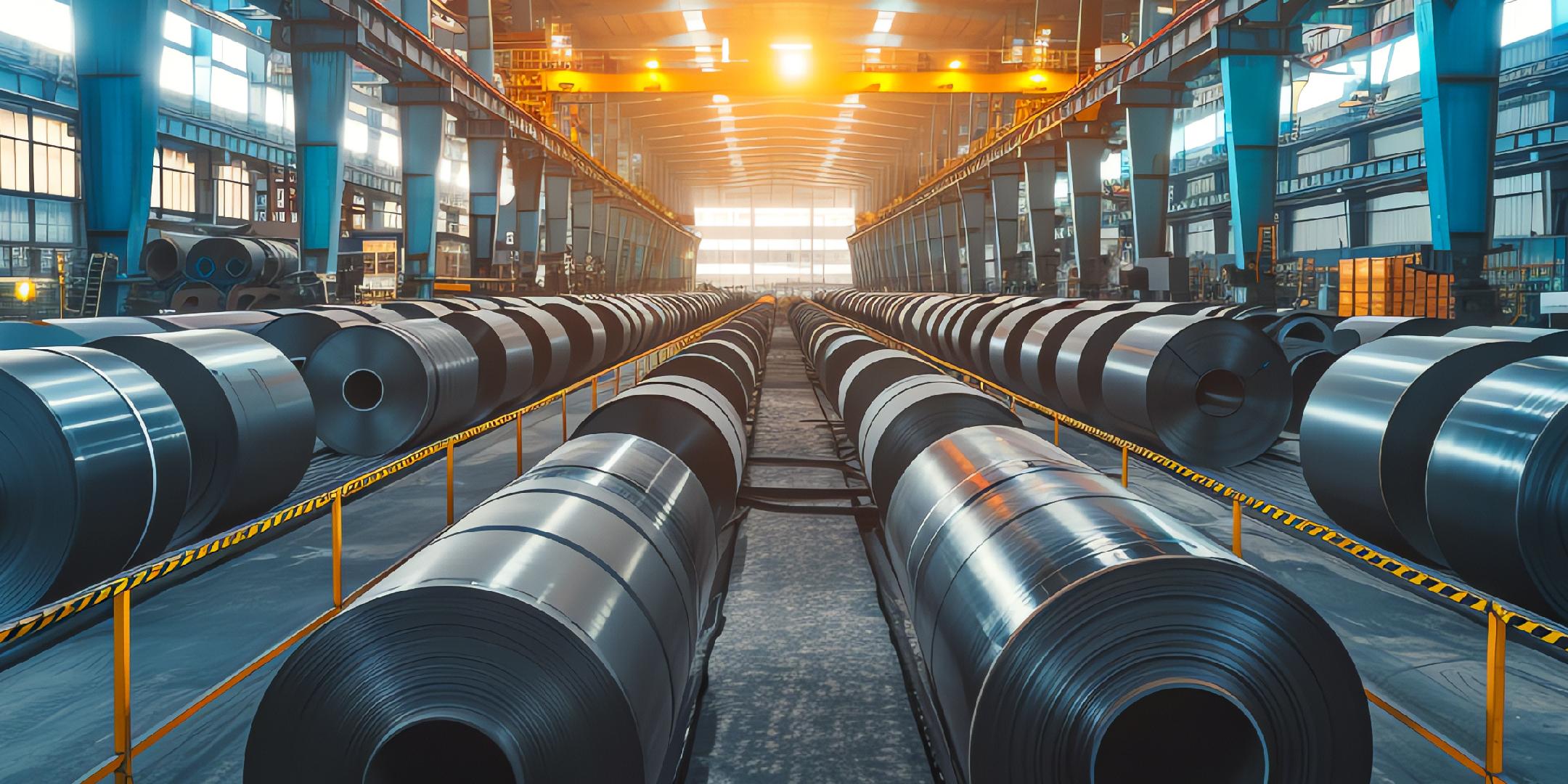
According to the research of "My Steel Network", due to the recent strengthening of safety supervision, coal mines in the main production areas of Shanxi have stopped production on a large scale for self inspection. Among the 523 coking coal sample mines surveyed this week, the daily production of raw coal decreased by 326000 tons compared to the previous month, with a decrease of 306000 tons in Shanxi region. There has been a significant contraction in the supply of coking coal, with prices from pithead, auction, and coal washing plant traders generally rising, with increases ranging from 50 to 150 yuan/ton. The market transactions have been smooth, with almost no unsold bids.
This has prompted coke companies to prepare for a fifth round of price increases. In April of this year, the domestic coke market completed two consecutive rounds of price increases, rising by 100 yuan/ton and 110 yuan/ton respectively. At the end of April, coke enterprises continued to raise prices by 50-55 yuan/ton. In mid May, coke completed its fourth round of price increases. Coke futures have now risen to about 1900 yuan/ton, compared to less than 1400 yuan/ton in February.
Generally speaking, 1 ton of steel requires the consumption of 0.3 to 0.35 tons of coke. Affected by coke, domestic ordinary steel prices have continued to rise since March this year, reaching 3298 yuan/ton in mid May and falling back to 3160 yuan/ton on May 29th. Previously, domestic steel prices were at a four-year low, with rebar futures at around 3100 yuan/ton.
Zhang Jing, a senior analyst at Wood Mackenzie Steel Market, told the Economic Observer that the recent rise in steel prices is mainly due to increased costs, supply side self-discipline in reducing production, and policy implementation leading to increased demand. But she also stated that the possibility of a significant upward shift in the steel price center for the whole year is low, and the overall trend will show a "low-level oscillation and a slight increase in the center of gravity".
According to a report by the China Iron and Steel Industry Association, in the first quarter of 2026, the overall operation characteristics of the Chinese steel industry are characterized by "supply exceeding demand, export decline, low and stable steel prices, and rising costs". Although the industry has achieved a year-on-year decrease in production through self-discipline and production control, the high prices of raw materials (especially iron ore) and the low and stable prices of steel have formed a clear "scissors gap", resulting in a serious compression of corporate profit margins. The key statistics show that the main profit of steel enterprises in the steel industry is only 1.03 billion yuan, a significant decrease of 85.6% year-on-year, and the overall sales profit margin of the industry is only 1.46%.
On May 18th of this year, the Ministry of Industry and Information Technology officially issued the revised "Implementation Measures for Capacity Replacement in the Steel Industry", which restarted trading of capacity indicators and tightened the exit of excess capacity.
Difficulty in transmitting the price increase of raw materials
Domestic steel companies are facing the dilemma of raising raw material prices but finding it difficult to transmit them downstream. Affected by the US Israel Iran conflict, the prices of coal and related products are rising significantly. As of May 28th, the price of thermal coal at Qinhuangdao Port was about 848 yuan/ton, and in February it was about 730 yuan/ton. Multiple rounds of price increases for coke have raised the production cost of steel by over 60 yuan/ton.
Affected by sea freight prices, as the main raw material for steel production, iron ore prices are also rising. According to Minmetals Futures' calculations, as of the end of May, the shipping cost of Cape type ships from Brazil to China has risen from $23.4/ton to $30.69/ton, an increase of 31.15% (starting from February 28th, the same below), reaching the highest level in nearly a year; The shipping cost of Australian to Chinese Cape class ships has increased from $9.98/ton to $11.03/ton, with the price also reaching a new high in nearly a year.
According to Zhang Jing's understanding, steel companies mainly cope with the pressure brought by rising costs from three aspects: from pursuing production to "production based on sales and efficiency", optimizing the proportion of coal and ore blending, and reducing the smelting cost per ton of steel; Actively using futures and options tools such as iron ore and coke for hedging, locking in forward freight rates, and hedging spot shipping risks; Accelerate joint restructuring, increase bargaining power over upstream, proactively shut down for maintenance or reduce production, and alleviate supply-demand contradictions.
Zhang Jing said that the recent continuous price increase of coke and the increase in shipping costs of iron ore have provided support for steel prices, but due to the real estate industry still building a bottom and repairing, the elasticity of domestic total demand is insufficient. The fundamental contradiction of domestic steel oversupply has not been thoroughly resolved.
The real estate market used to be the main application area of steel in China, with an annual steel consumption of over 300 million tons for building materials. It is also the absolute mainstay of the application of wire rods, rebar and other varieties. With the decline in real estate construction, steel companies producing rebar and wire rods are facing severe pressure to eliminate production capacity, and profits continue to decline, "said Zhang Jing.
On the other hand, the current demand for steel is mainly shifting towards high-end manufacturing and new infrastructure construction, especially driven by shipbuilding orders and the explosion of new energy industries. The demand for high-strength automotive steel, ship plate steel, and wind power steel remains high, with a significant premium for various types of steel.
TISCO Stainless Steel (000825. SZ) has an annual production capacity of approximately 15 million tons of steel, of which over 6 million tons are stainless steel. In 2025, TISCO Stainless Steel achieved a revenue of approximately 90.4 billion yuan and a net loss of approximately 59 million yuan.
Shang Jiajun, General Manager of TISCO Stainless Steel, stated at a recent performance briefing that the steel industry has entered a stage of comprehensive reduction and structural adjustment. For all enterprises in the industry, it is necessary to return to high efficiency and high benefits. Wu Xiaodi, Chairman of TISCO Stainless Steel, stated that during the 15th Five Year Plan period, TISCO Stainless Steel will no longer simply pursue expansion in scale, but focus on improving quality and applying steel to new industries such as aerospace.
Overseas Export Challenges
Due to the large domestic steel production capacity and low prices, exports were once seen as an important way to solve the overcapacity of domestic steel production. According to data from Hong Kong Huanya, the export volume of most types of steel from China has surged since 2022. At present, the annual export volume of steel is around 100 million tons.
Zhang Jing said that India and Southeast Asian countries are currently the regions with the fastest growth rate in global steel demand, with India's steel demand increasing by about 6-7% in the first quarter of this year.
But in recent years, India and Southeast Asia (such as Chinese companies building factories in Indonesia, Malaysia, etc.) have added a large amount of blast furnace capacity. With cost and geographical advantages, these local production capacities will have a direct substitution effect and competitive pressure on China's low-end steel exports. According to Wood Mackenzie's prediction, after the peak of China's steel exports in 2025, they will decline year by year in the future.
Zhang Jing said that low value-added and high tonnage steel products are losing competitiveness due to compliance and increased shipping costs. Domestic steel companies are actively reducing low-end steel exports and turning to exporting special steel and high-end plates.
The markets of developed countries such as the European Union are facing compliance cost pressure. In April of this year, the European Union officially announced the price of the CBAM (Carbon Border Adjustment Mechanism) certificate, which is approximately 75 euros per ton of carbon dioxide equivalent.
According to Wang Yongming, Chief Analyst of Wood Mackenzie Green Steel, CBAM only covers 1.8% of China's total exports to the European Union, but is concentrated in industries such as steel and aluminum. The CBAM mechanism allows importers to offset the carbon costs already paid in the country of origin, but China's carbon price is relatively low, and the steel industry can only offset 8% of the CBAM burden.
According to his calculations, the current CBAM cost for Chinese steel companies using actual emission data is about $160/ton, which still gives them a cost advantage compared to their EU competitors. Some high profit products can still achieve profitability after deducting shipping costs. But if the default value is used, the carbon cost of steel will reach about $277 per ton.
He stated that steel companies are currently responding to the impact of the EU CBAM through various means. Firstly, we strive to provide actual emission data that has been verified by a third party to avoid default value penalties. Secondly, we will promote the production of green steel and the use of renewable energy such as green electricity to reduce carbon emissions. Finally, some exports will be redirected from the EU market to non CBAM markets such as ASEAN, the Middle East, and Africa to reduce direct exposure. For example, companies such as Baowu and Hegang are accelerating overseas investment in low-carbon metallurgical projects in the Middle East and Central Asia, using local natural gas and renewable energy conditions to produce low-carbon steel.
Wang Yongming analyzed in detail the various factors that hinder domestic steel enterprises from carrying out low-carbon transformation: transforming into a hydrogen based direct reduction iron and electric arc furnace, with an additional production cost of up to $100/ton, and a large number of blast furnace equipment built between 2000 and 2015, resulting in high asset residual value; If it is transformed into a scrap steel and electric arc furnace route, the supply of scrap steel in China is very limited. Due to impurities, the current entire scrap steel process can only be used to produce low-end products such as rebar.
Yuanjing Technology Group provides source grid load storage/green power direct connection solutions to customers such as steel and electrolytic aluminum this year. Sun Jie, Vice President and Chief Sustainable Development Officer of Far East Energy, stated that CBAM does not recognize China's green certification and has doubts about the recognition of China's green power trading. Therefore, the green power direct connection model will be the first choice for high load energy exporting enterprises such as steel. From the perspective of investment return, it can not only meet CBAM's requirements for green electricity and reduce export carbon tariffs, but also help companies reduce their electricity costs. Currently, Farview is promoting green power direct connection in the steel industry in Shandong, Heilongjiang, Hebei and other places.
Zhang Jing said that due to the high cost of supplying green hydrogen and clean electricity, the immaturity of the scrap steel resource recycling system, and the low willingness of most downstream terminals in China to pay for the premium of "green steel", steel companies lack sufficient profits and external incentives to support low-carbon transformation in a period of widespread losses.
Wang Yongming said, "The mandatory low-carbon policy is significantly beneficial to large and financially abundant leading enterprises at this stage, and will accelerate industry integration

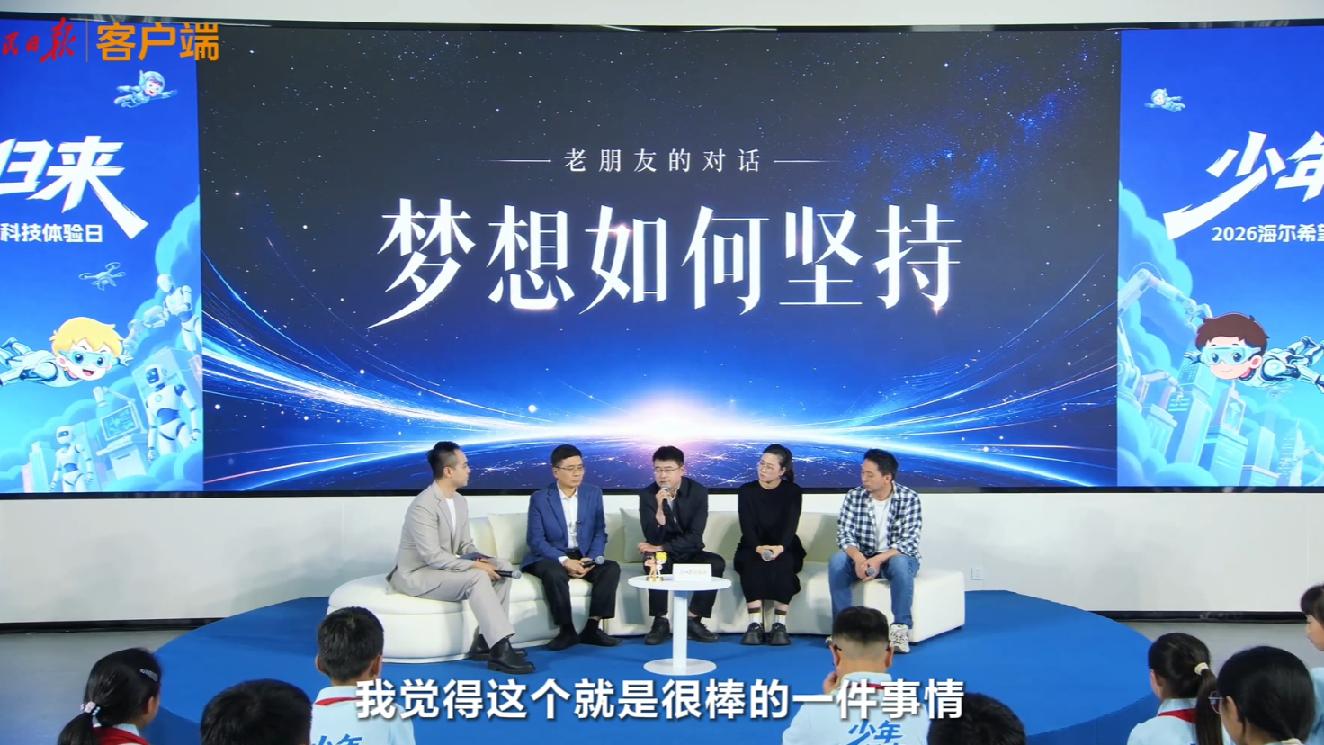
In the live broadcast of the 2026 Haier Hope Primary School Children's Day Science and Technology Experience Day, Mei Feng, Chairman of the China Youth Foundation, praised Haier: cooperating with Haier for public welfare can be divided into three levels: public donation, resource linkage, and value co creation. Haier adheres to long termism and a sense of social responsibility, making public welfare projects more in-depth and effective.

CEO of Bangyao Biotechnology responds: has never been subject to regulatory interviews due to BD
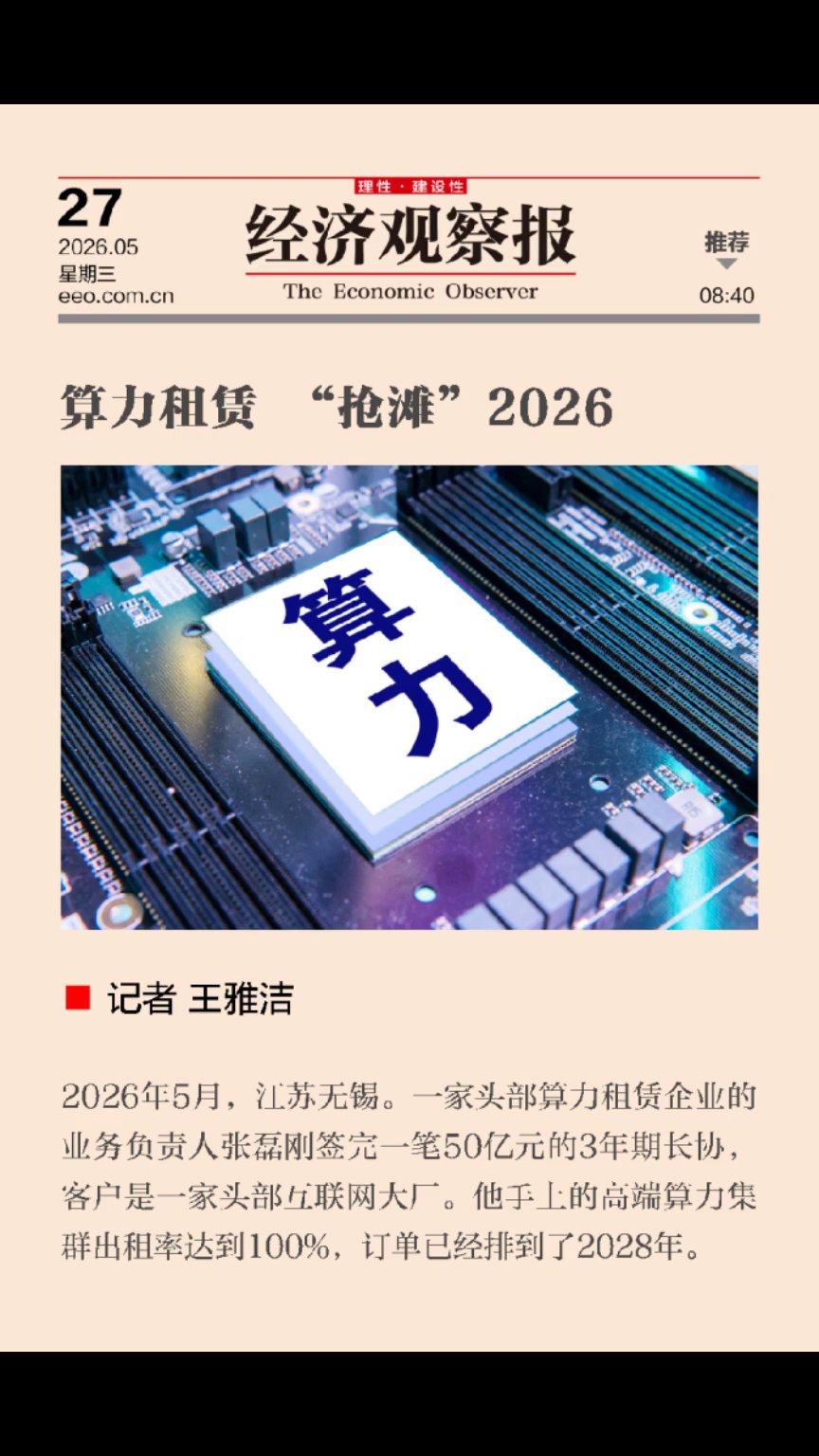
Computing power leasing 'grabbing the beach' in 2026


 WeChat registration or login


 Subscribe