2026-05-29 11:59


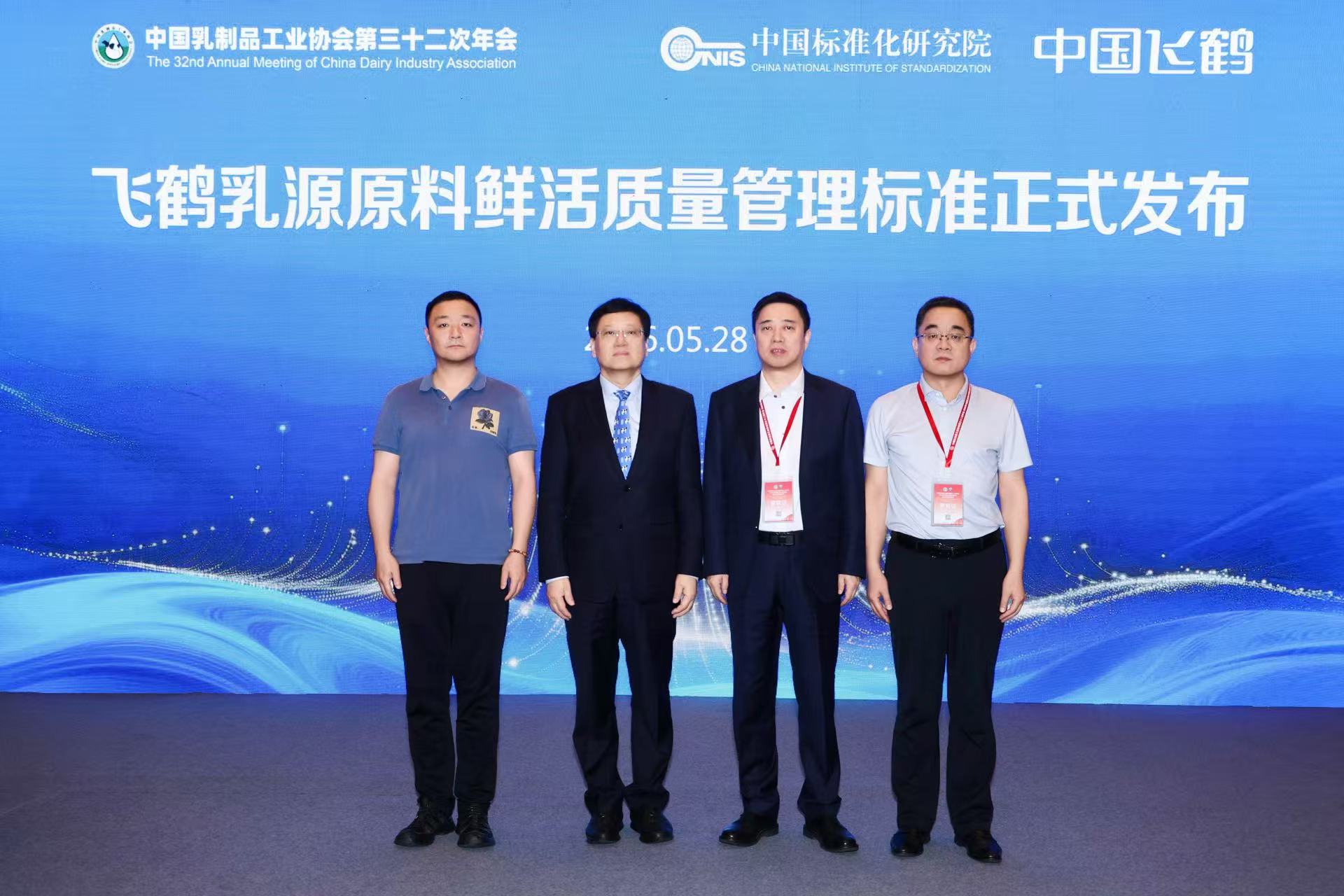
Under the trend of consumption upgrading, consumers' demand for dairy quality has shifted from "safety" to "high quality" and "freshness". On May 28th, the 32nd annual meeting of the China Dairy Industry Association was held in Chengdu. At the meeting, Feihe and the China Institute of Standardization took the lead in releasing the "Fresh Raw Material Quality Management Standard" (hereinafter referred to as the "Fresh Raw Material Standard"), which puts forward detailed requirements around the use cycle, activity retention, and traceability information of core raw materials, promoting the further extension of the fresh quality of milk powder from the finished product end to the raw material end, so that "fresh" is no longer a concept that consumers can hear or touch, but truly has objective standards that are detectable, comparable, and verifiable. It is reported that the fresh raw material standards released this time have been reviewed and approved by ten academicians and experts in the fields of dairy science, nutrition and health, standardization and traceability.
Freshness has become a new trend in quality upgrading
The 2025 China Dairy Consumer Insights Report shows that among the dimensions of consumer concern for dairy quality, "freshness" ranks first with a proportion of 28%, surpassing "nutritional content" and "taste", becoming the first label for evaluating dairy quality.
However, what is truly 'fresh'? For a long time, the industry and consumers' perception of the freshness of milk powder has mostly remained at the end product indicator of the product manufacturing date. But the freshness of milk powder goes far beyond that. Jiang Yujun, member of the Standing Committee of the Party Committee and Vice President of Northeast Agricultural University, pointed out that in a can of infant formula milk powder, raw milk accounts for only about 20%, while whey raw materials account for more than 60%. According to the "2025 Dairy Import and Export Situation" released by the China Dairy Industry Association, China will import a total of 732700 tons of whey in 2025, accounting for 36.6% of the total import of dry dairy products. This means that whey based raw materials are still highly dependent on imports in products such as infant formula milk powder. However, after cross-border long-distance transportation and long-term warehousing, the active nutrients of the core raw materials are inevitably lost.
The freshness of milk powder raw materials is directly related to the actual absorption and utilization of baby nutrition. Ding Gangqiang, Chief Expert of the Chinese Center for Disease Control and Prevention and former Director of the Institute of Nutrition and Health of the Chinese Center for Disease Control and Prevention, pointed out that the core value of breast milk is reflected in two aspects: the golden ratio of nutrients, and the active ingredients such as lactoferrin and immunoglobulin, which are also important sources of immune advantages for breastfed infants. Professor Jiang Yujun, Vice President of Northeast Agricultural University, said that if the raw materials of milk powder are not fresh, active nutrients are lost, and the structure is damaged, the nutrients that babies eat have no value in absorption and utilization.
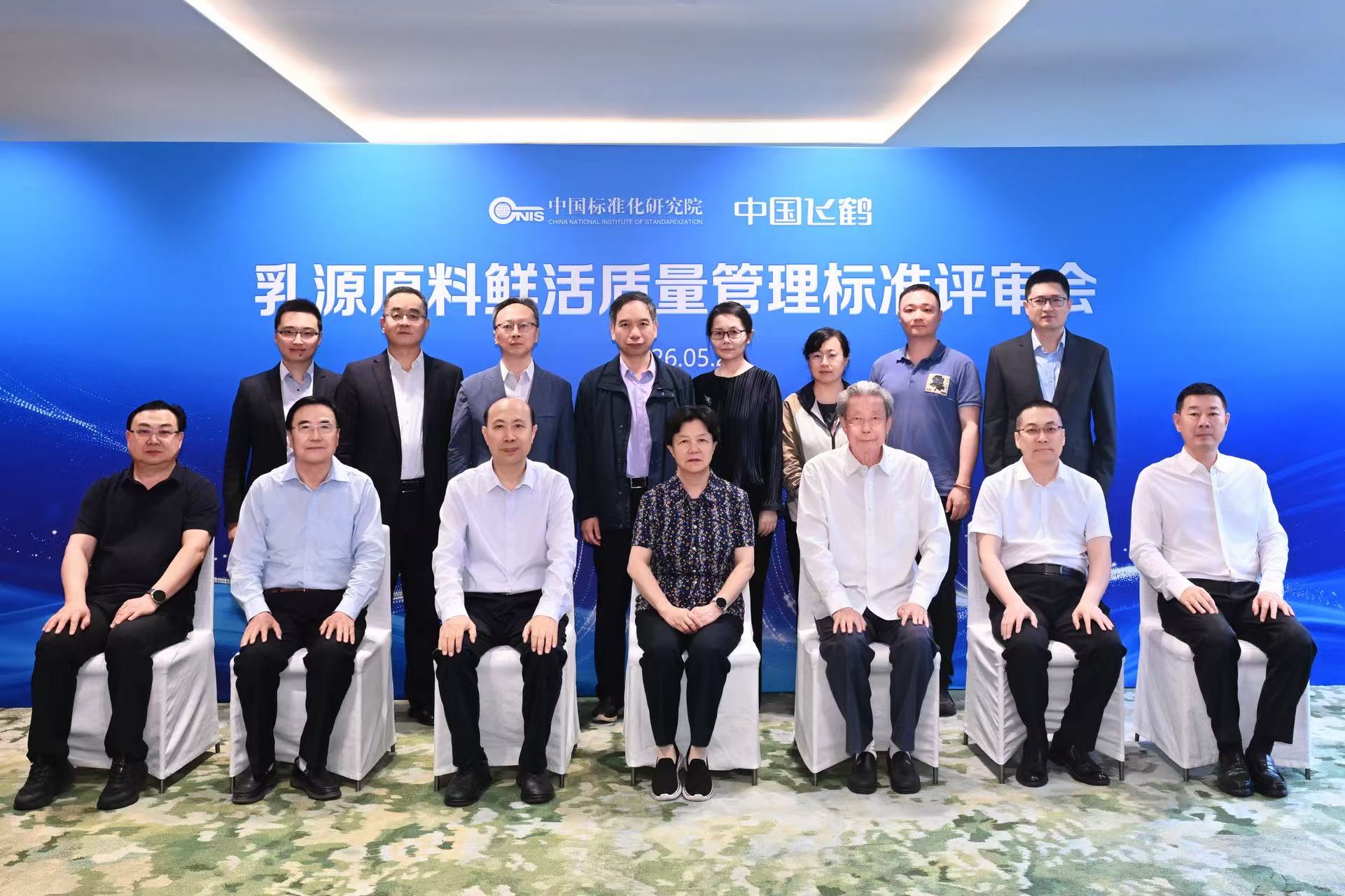
The freshness of milk powder raw materials determines whether nutrients are only consumed or truly utilized by the body, and the freshness of raw materials has become the core direction of quality upgrading. Based on this consumption trend upgrade point, Feihe and the China Institute of Standardization have jointly released the "Fresh Raw Material Standard" in the industry, moving the fresh standard forward from "fresh finished products" to "fresh raw materials". It has been reviewed and approved by ten academicians and experts in the fields of dairy science, nutrition and health, standardization and traceability.
Zhu Beiwei, an academician of the CAE Member and a professor of Dalian University of Technology, said that the current industry's evaluation of the quality of milk powder mostly focuses on the three dimensions of formula composition, terminal indicators and shelf life. Feihe has aligned its standards with the raw material end of the industry chain, filling the gap in the industry's evaluation of raw material freshness, and will lead the upgrading of infant formula milk powder once again.
Fresh raw materials are truly fresh
Consumers' concern for fresh raw materials is essentially an expectation for nutrient absorption. Feihe's standard upgrade this time is the first in the industry to include "fresh raw materials" as an independent dimension in the standard system, forming a full chain fresh control system from processing, timeliness to traceability. From the three dimensions of process, timeliness, and traceability, it ensures that the nutrition of raw materials is maximally preserved.
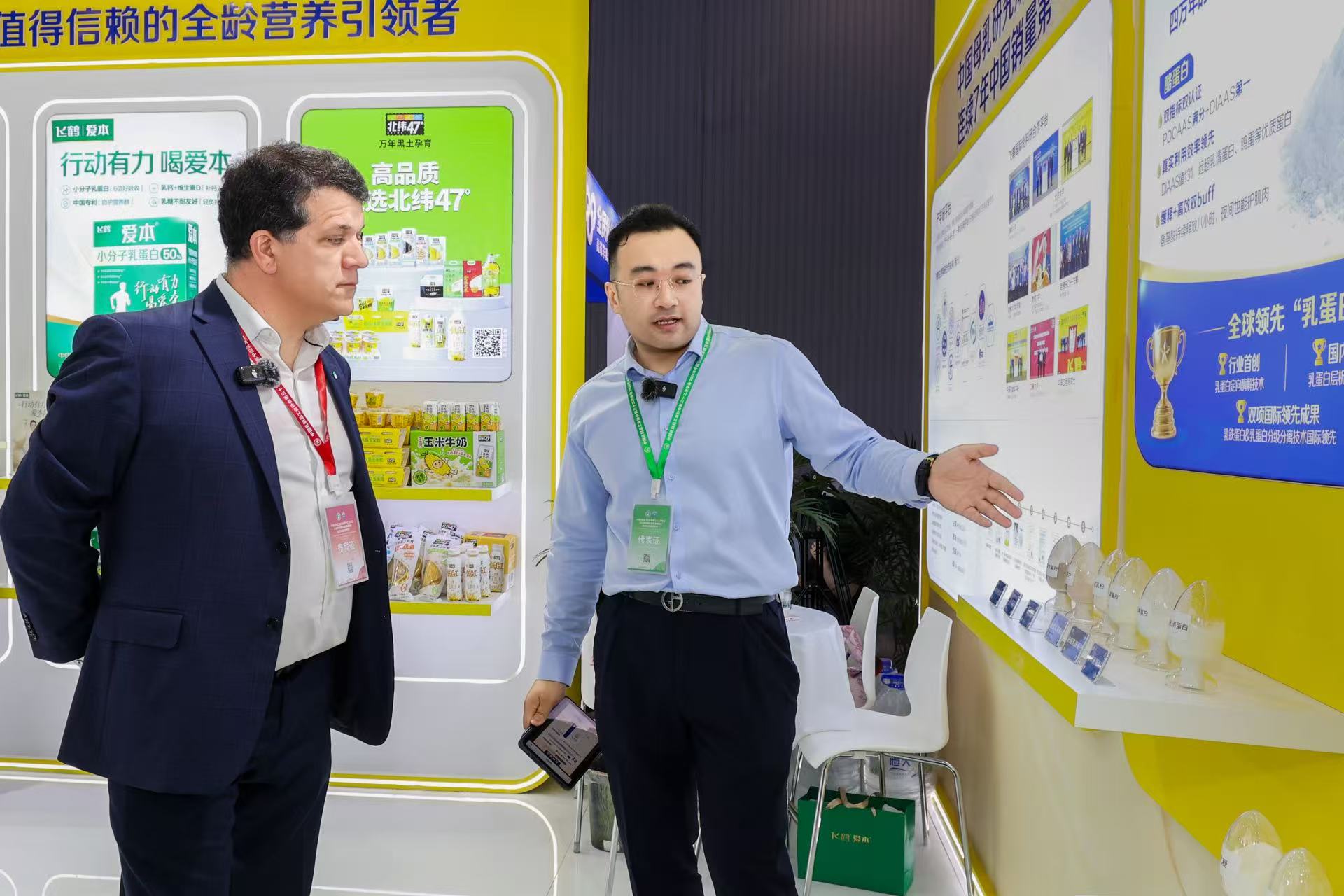
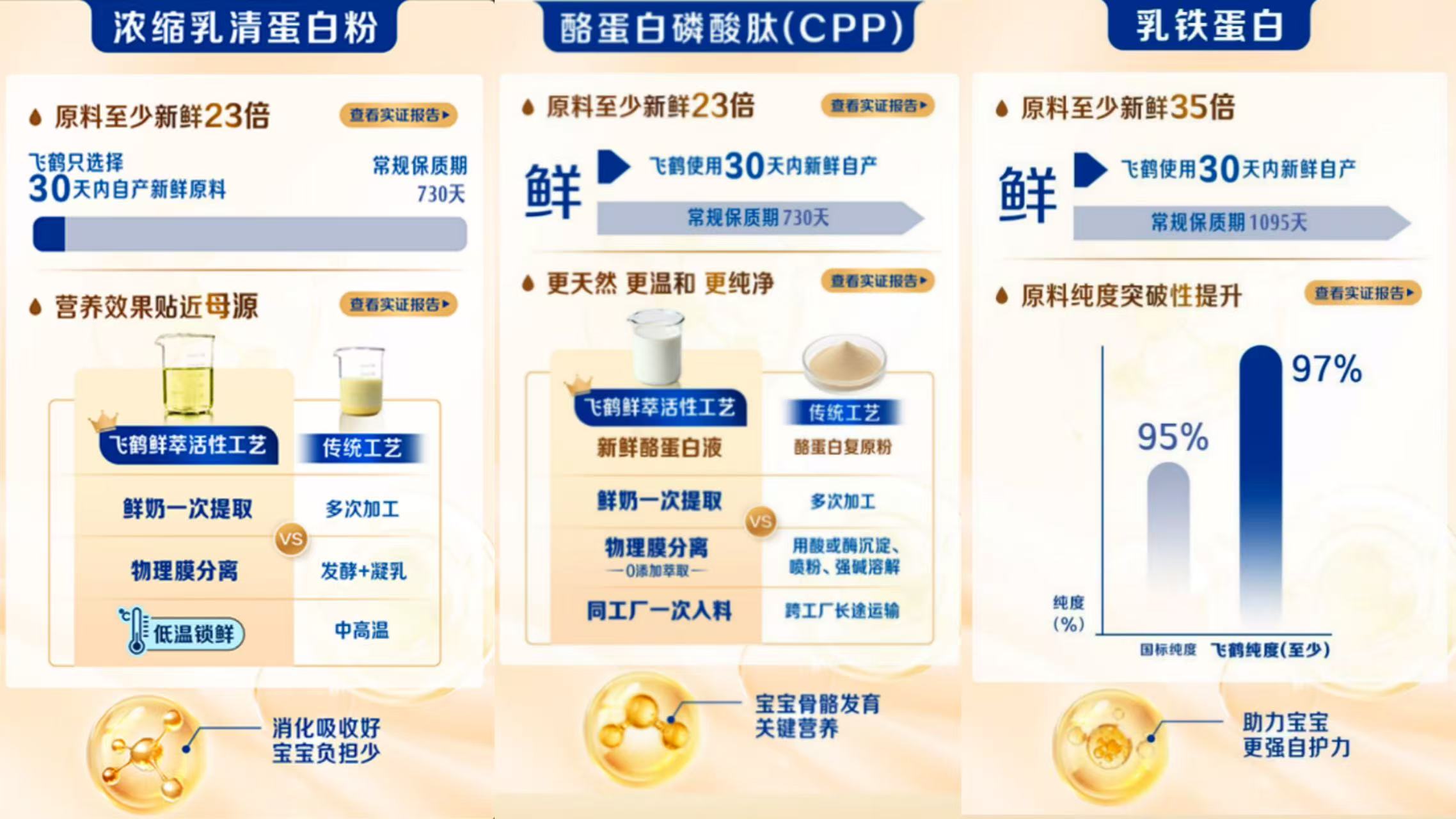
In terms of craftsmanship, emphasis is placed on low-temperature and mild processes to preserve the original nutrients. The standard proposes to strictly control the processing temperature of raw materials and the purity of finished products. For example, whey protein should be directly separated from raw milk using membrane filtration technology, with an operating temperature requirement of ≤ 20 ℃; Lactoferrin is produced using chromatography technology, with an operating temperature requirement of ≤ 50 ℃ and a purity greater than 97%. At present, Feihe has achieved self production capacity for 11 core raw materials based on the industry's first fresh active extraction process.
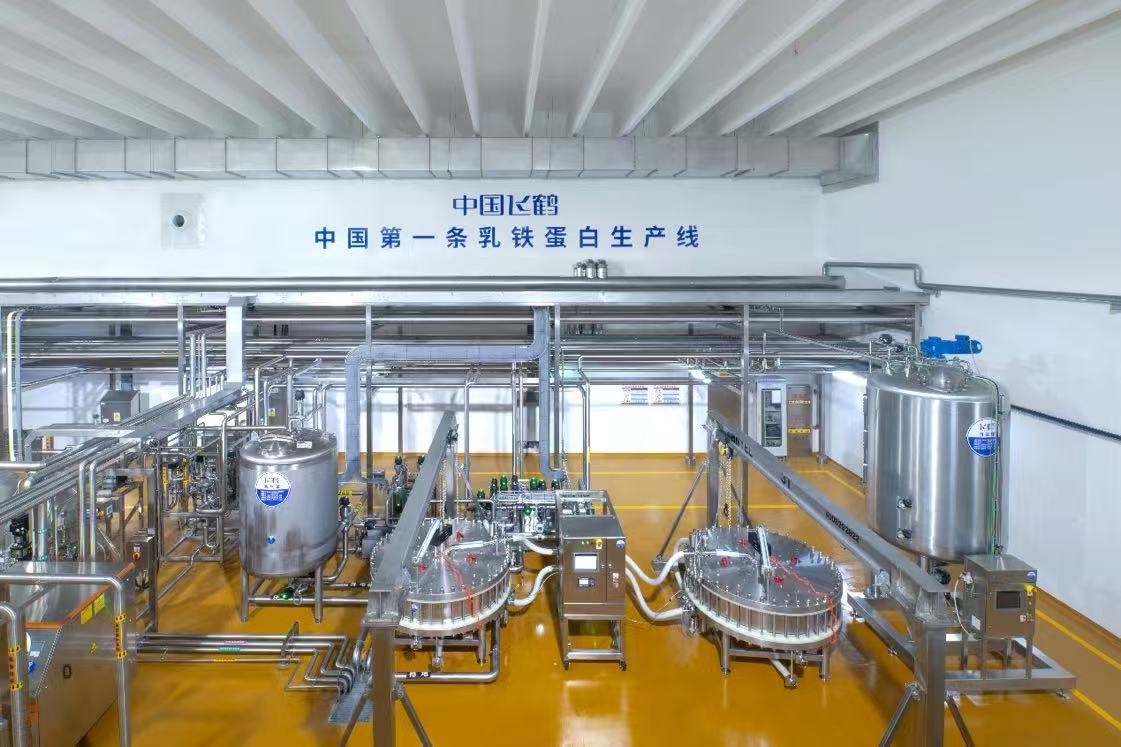
Regarding this, Professor Ren Fazheng from China Agricultural University pointed out that Feihe relies on fresh milk extraction and low-temperature membrane filtration technology to prepare core raw materials, effectively ensuring the stability and activity of nutrients such as whey protein and lactoferrin, and building a solid foundation for milk powder quality from the source.
In terms of timeliness, we use extreme timeliness control to reduce nutrient loss. The standard requires that core raw materials such as whey protein and lactoferrin should not exceed 30 days from production to use, and fresh raw milk should be powdered once within 2 hours. The turnover and usage cycle of core raw materials should be strictly controlled. It is reported that relying on the large-scale layout of the entire industry chain, Feihe has established a "2-hour ecological circle" from milking to processing, which greatly shortens the storage cycle of raw materials and minimizes natural nutrient decay through efficient turnover. The data shows that Feihe's self-produced whey protein has a freshness 23 times higher than traditional methods, and the protein purity and nutritional quality have significantly improved. At the same time, Feihe's self-produced casein phosphopeptide has a freshness 47 times that of traditional raw materials, and the empirical absorption effect has been improved by 6.4 times.
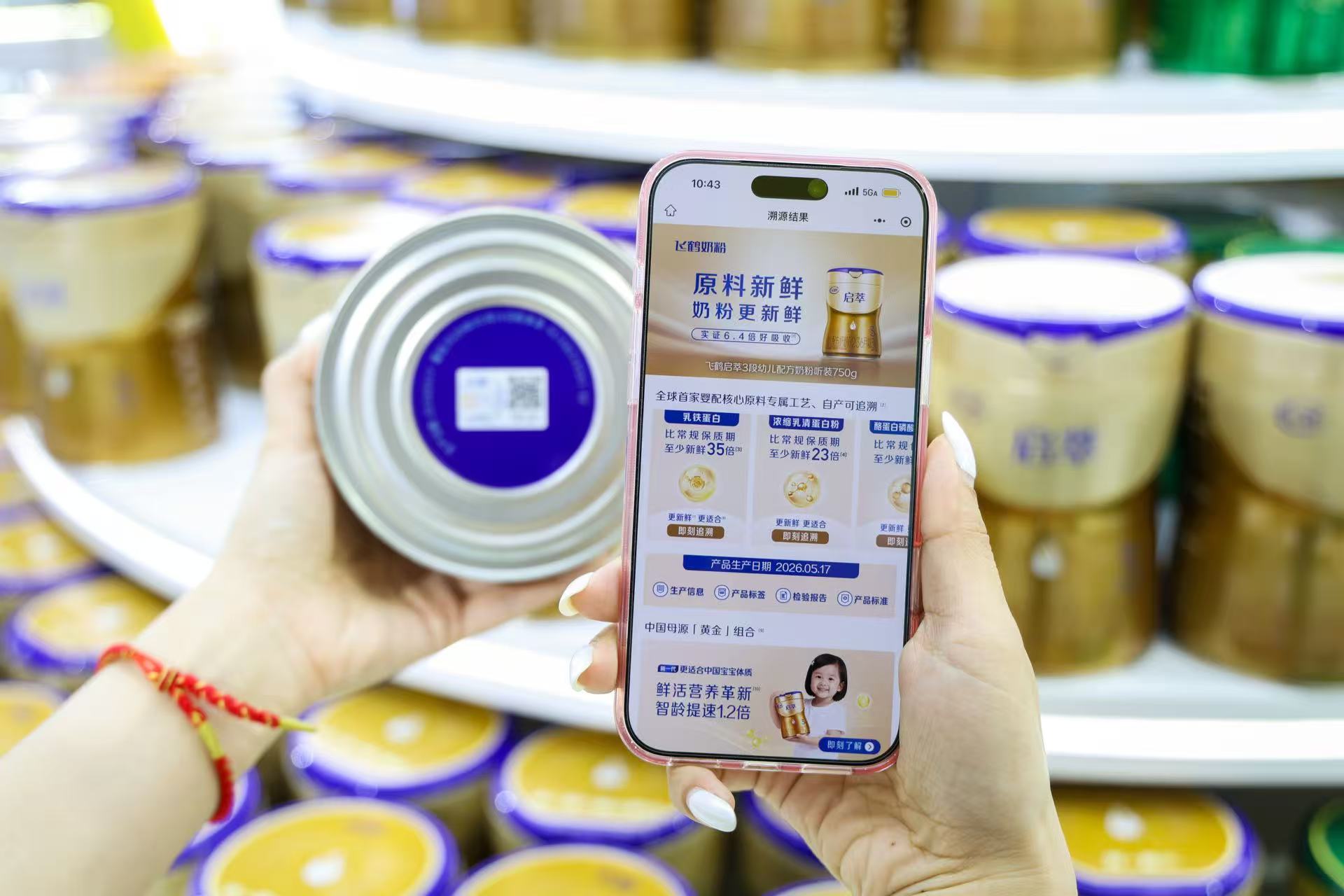
In terms of traceability, dual date transparent traceability makes fresh data visible to consumers. Consumers can simultaneously check the production date of raw materials and milk powder, helping them intuitively judge the freshness of core raw materials. Song Kungang, Director of the China Dairy Industry Association, commented that the standard technology content is high, the implementation is strong, and the entire process is controllable. The dual date traceability mode completely eliminates consumers' purchasing concerns.
The freshness of raw materials directly determines the level of nutrient retention; The level of nutrient activity retention ultimately affects the absorption efficiency of babies. Feihe has achieved systematic control over the freshness of raw materials through a quantifiable and traceable standard system, promoting the quality of fresh milk powder and truly transforming it into a feeding experience that is easy for babies to absorb and more reassuring for parents.
Consolidate the vibrant foundation of the entire industry chain and lead industry upgrading with standards
Fu Qiang, Director of the Institute of Agriculture and Biotechnology at the Chinese Academy of Standardization, pointed out that the Feihe Fresh Standard System was not created out of thin air, but rather a summary of Feihe's technical accumulation and practical foundation over the years.
In terms of industrial layout, since 2006, Feihe has taken the lead in building its own ranch, forming a complete industrial chain layout from farms, ranches to factories. Since 2011, Feihe has been continuously researching and developing independent raw materials, and has achieved large-scale production and application of various raw materials. It has also established three major milk protein deep processing bases in Heilongjiang, Ningxia, and Luozi, Inner Mongolia, with a daily processing capacity of 3000 tons of fresh milk, creating an industrial foundation for the large-scale supply of fresh milk protein.
In terms of standard construction, in 2018, Feihe collaborated with the China Institute of Standardization to establish the industry's first fresh milk powder standard system, promoting the consensus of "fresh raw milk powder in one go" and setting a benchmark for the industry's "freshness". Afterwards, Feihe upgraded the standard system twice, forming a "6+1+1" fresh milk powder standard system covering the entire process of feed, milk source, formula, processing, storage and transportation, intelligent manufacturing, products, consumer services, etc., achieving full dimensional coverage from the source of the industry chain to the consumer terminal.On this basis, Feihe has launched the industry's first fresh raw material traceability system, laying a solid industrial and technological foundation for the formal inclusion of "fresh raw materials" into the standard system.
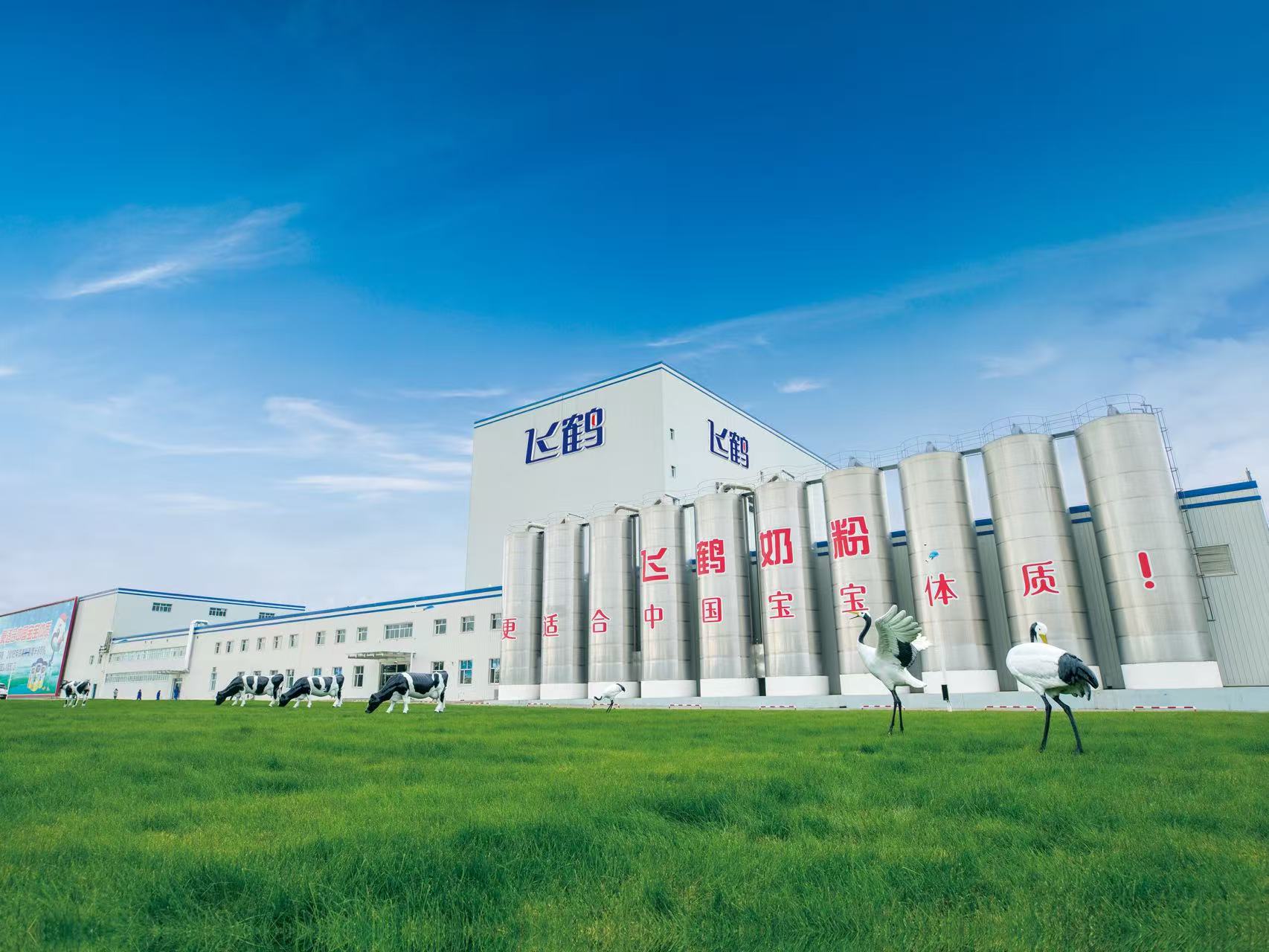
Li Shengli, Chief Scientist of the National Dairy Industry Technology System and Professor at China Agricultural University, believes that this full chain fresh control model is leading domestically and rare internationally, and has built a quality assurance system for Chinese babies from the source to the end. Zhang Zhishan, member of the National Livestock Standardization Technical Committee and former Deputy Secretary General of the China Dairy Industry Association, emphasized that "traceable raw materials, traceable processes, and verifiable freshness" should not only be the standard of Feihe, but also become the quality consensus of the entire industry. Starting from this, the high quality and international competitiveness of China's dairy industry will also reach a new level.
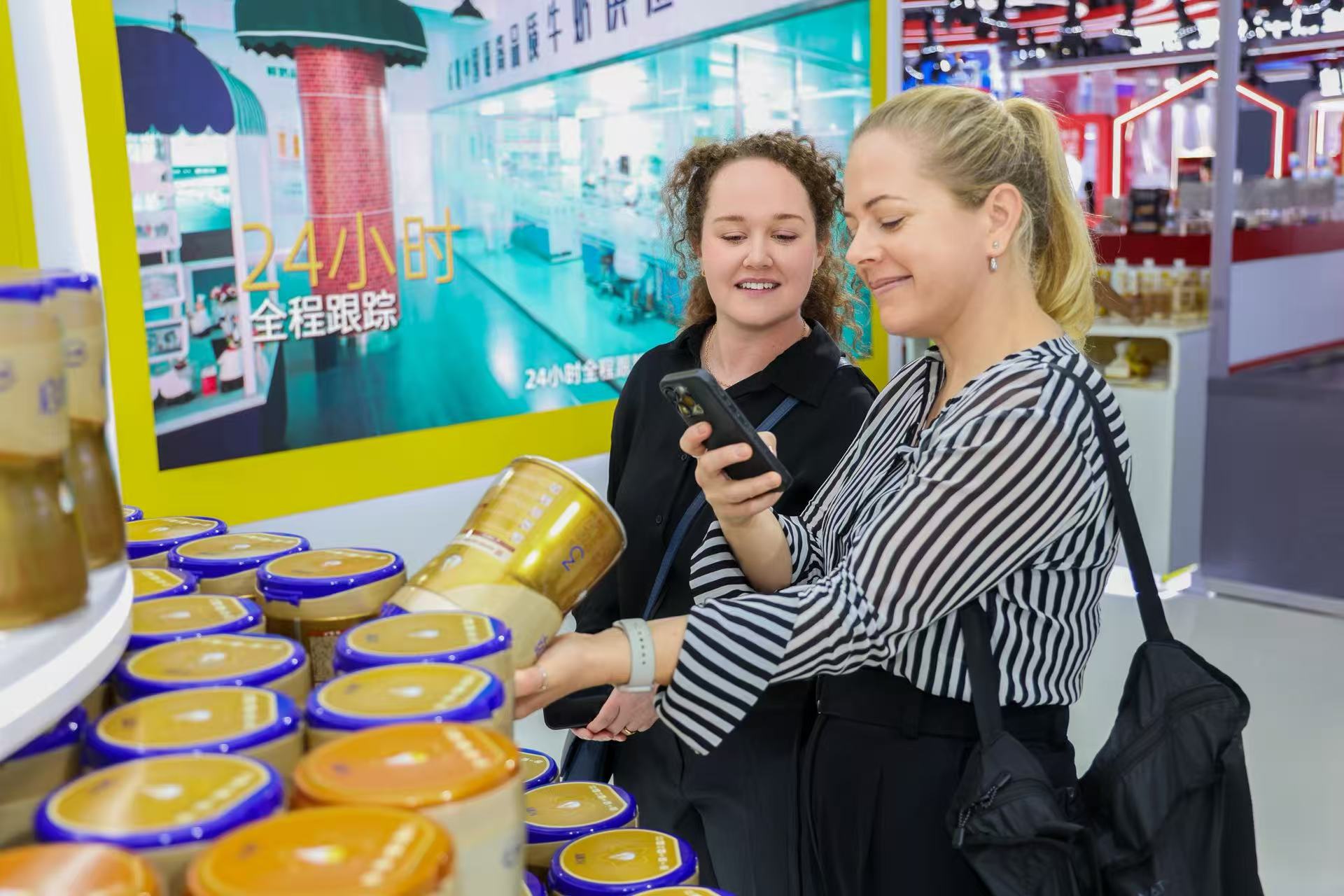
Fresh raw materials are equivalent to nutritional activity, and nutritional activity means good absorption. According to Leng Youbin, Chairman of China Feihe, from building its own pasture and creating a 2-hour ecosystem from milking to processing, to achieving self research and self production of 11 core raw materials and transparent traceability of self-produced fresh raw materials, Feihe has broken through the systematic capabilities of the entire industry chain and implemented the standard of "freshness" in every link of the industry chain. In the future, Feihe will continue to promote the upgrading of raw material freshness standards, leading the high-quality development of the industry with higher standards, and providing Chinese babies with fresher and more accurate nutrition.

In the live broadcast of the 2026 Haier Hope Primary School Children's Day Science and Technology Experience Day, Mei Feng, Chairman of the China Youth Foundation, praised Haier: cooperating with Haier for public welfare can be divided into three levels: public donation, resource linkage, and value co creation. Haier adheres to long termism and a sense of social responsibility, making public welfare projects more in-depth and effective.

CEO of Bangyao Biotechnology responds: has never been subject to regulatory interviews due to BD
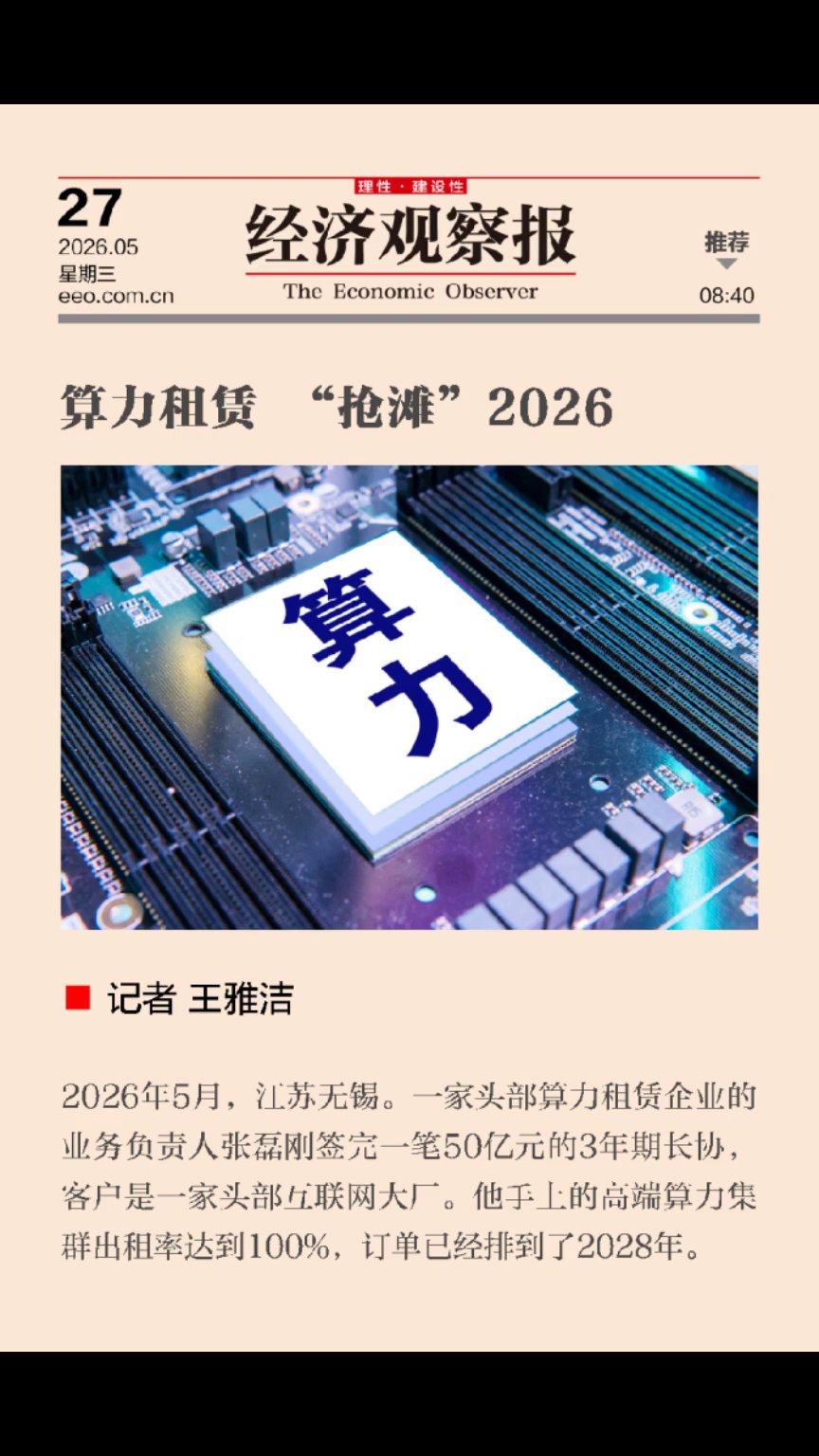
Computing power leasing 'grabbing the beach' in 2026


 WeChat registration or login