Economic Observer Follow
2026-05-27 09:50



Economic Observer reporter Lao Yingying
On May 26th, cross-border payment service provider PPRO released the "Hidden Costs Guide for Payment Difficulties in Cross border Retail" (hereinafter referred to as the "Guide") in Shenzhen, focusing on a key but often overlooked issue in global business: the "hidden checkpoints" in the payment and checkout process, which continue to affect merchants' payment conversion rates and erode revenue growth space.
This guide presents the survey results of nearly 60000 merchants and consumers from 42 markets worldwide. The "Guide" shows that although global e-commerce is still rapidly expanding, payment experience remains a key bottleneck restricting conversion rates: 72% of merchants indicate that the failure rate of cross-border transactions is higher than that of local transactions, and payment card points are continuing to cause consumer churn; 94% of cross-border consumers hope to complete payments in local currency; 99% of consumers prefer to use their familiar and commonly used payment methods.
At the same time, the average abandonment rate of online shopping worldwide is about 70%, and it is even higher at over 75% on mobile devices. When consumers encounter unfamiliar or untrustworthy payment experiences during checkout, the likelihood of giving up on the purchase significantly increases. The loss of this checkout process is having a quantifiable impact on the global retail industry: online retailers lose approximately $18 billion annually due to shopping cart cancellations; The total value of goods left in the shopping cart is expected to reach approximately $4 trillion annually.
The "Guidelines" further indicate that the retail industry is undergoing a structural transformation - shifting from price competition to experience driven growth. Up to 40% of consumers' perception of value comes from non price factors, such as whether payment is convenient, whether reliable local payment methods are provided, and whether the overall checkout process is smooth and unobstructed. It is expected that by 2030, digital wallets will account for 65% of global e-commerce transactions; Alternative payment methods will account for 79% of online transactions. This indicates that localized payment capabilities are no longer an option, but rather an infrastructure for expanding global retail.
The Guide emphasizes that for global retailers, large-scale promotional seasons are always a key stress test for operational capabilities. Whether mid year or year-end, the concentrated outbreak of traffic and orders will bring significant pressure to the supply chain, fulfillment system, and payment infrastructure. At these critical moments, growth not only means' selling more ', but also' being able to successfully collect payments'. The stability and localization capability of payment systems are becoming decisive factors affecting conversion rates and revenue performance.
PPRO CEO Motie Bring stated in a media interview at the press conference that in order for companies to seize the opportunity of demand growth during the big promotion season, they must strengthen the construction of core payment infrastructure, including providing users with locally preferred payment methods, ensuring a smooth and trustworthy checkout experience, and maintaining high system stability during peak transaction periods.
Motie Bring emphasized that as global retail continues to evolve, Chinese brands are entering a new phase of international growth. In this context, building a robust, flexible, and localized payment infrastructure will become a key foundation for seizing the next wave of global opportunities.

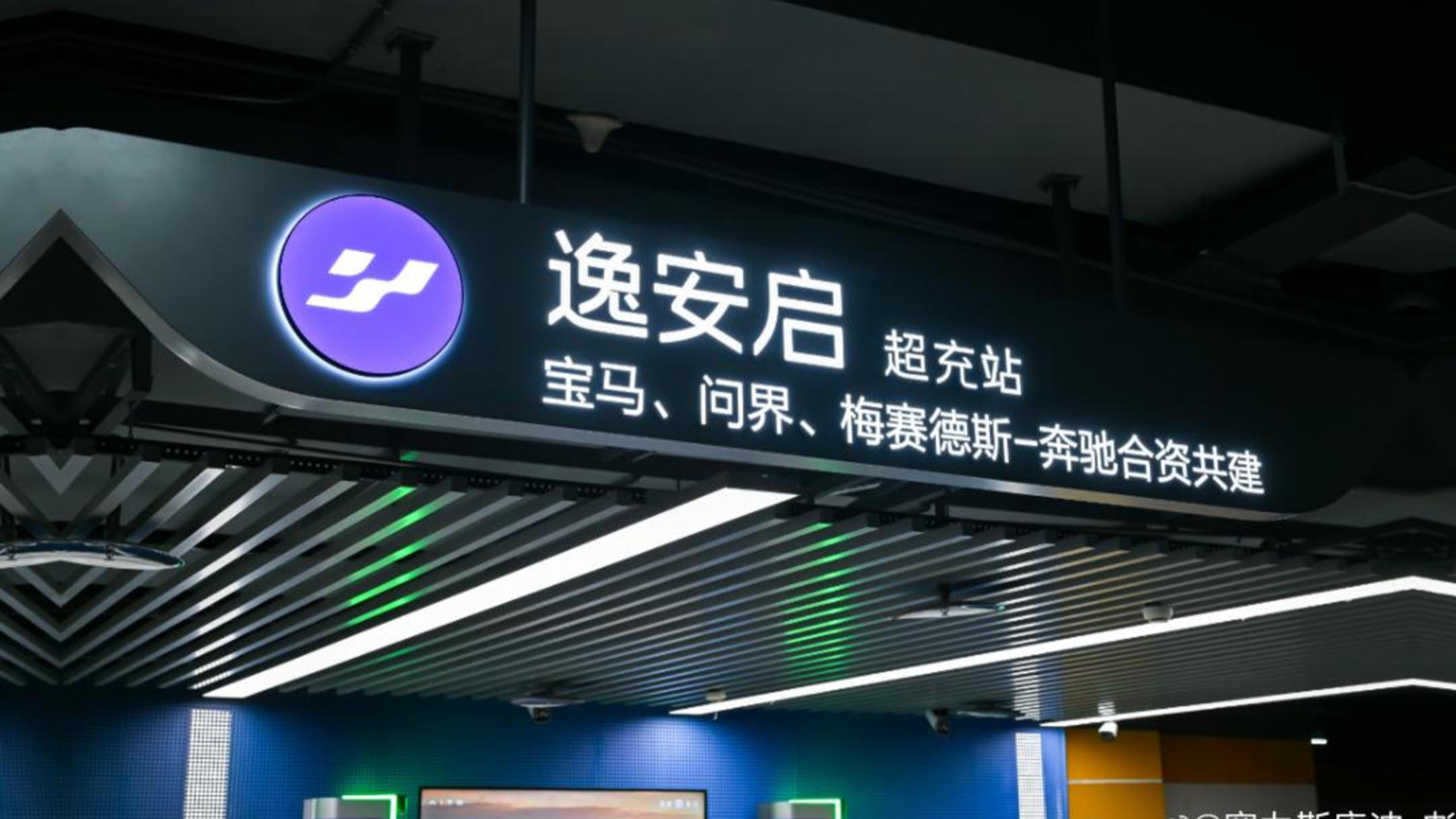
Xilinx officially announced that Wanjie has joined the Mercedes Benz and BMW supercharging camp, with over 600 stations directly connected

OPPO Find X10 tops sales on the standard version track

Technology Show | iQOO16 is now available for sale, under the name of Standard Edition, to meet the requirements of Pro Max product strength


 Subscribe