Economic Observer Follow
2026-05-25 17:30


Economic Observer reporter Zhang Ling
In the past two years, Jiang Tao, chief physician of the Department of Psychiatry at Beijing Anding Hospital, has a clear feeling that more and more children are coming to the psychiatric department.
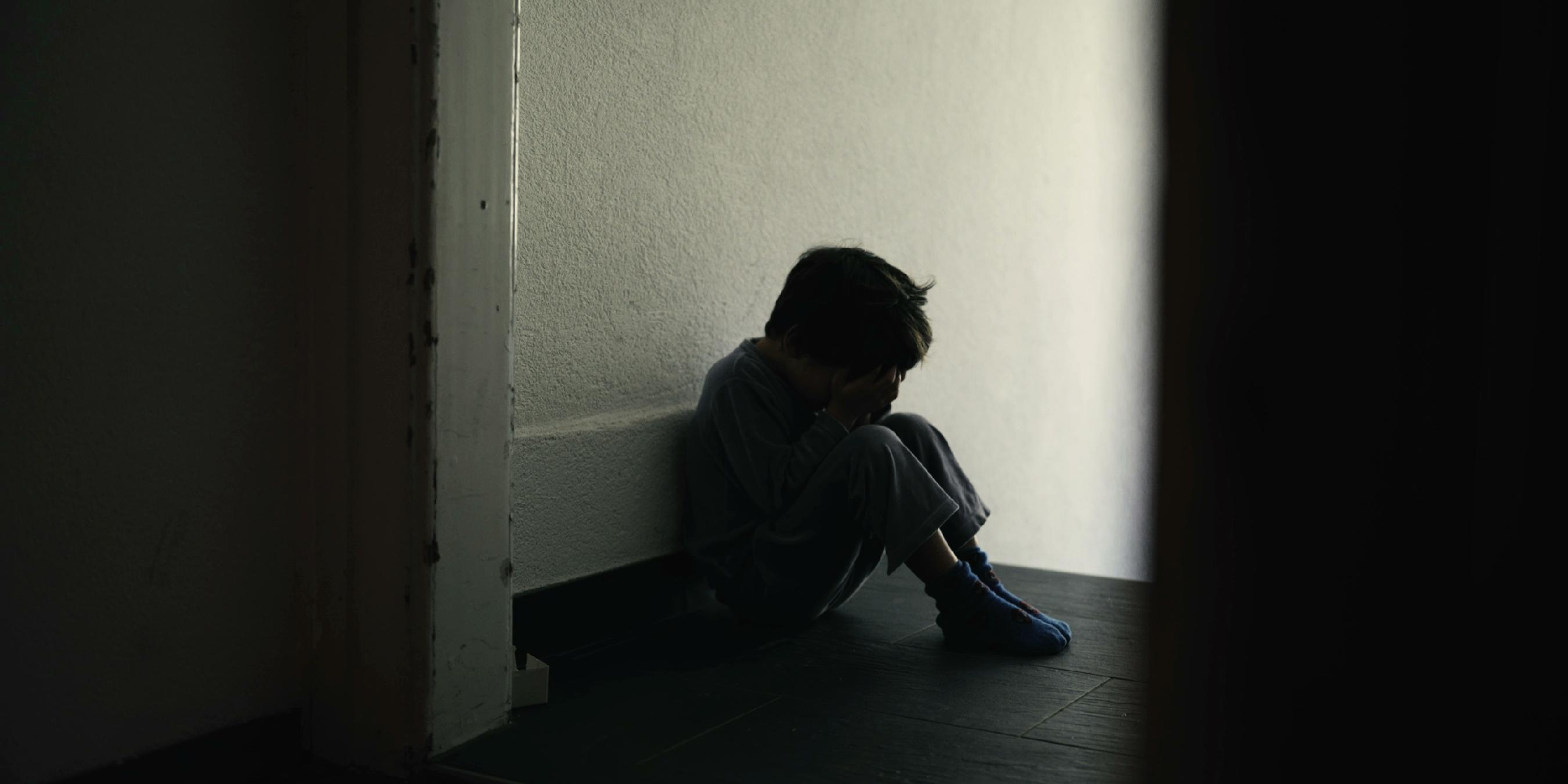
Many of them are not problem students in the traditional sense, on the contrary, many come from key high schools and classes with good grades. But one day, they suddenly couldn't walk into the classroom anymore.
Some children have irregular sleep patterns, with day and night reversed, sleeping during the day and waking up at night; Some people repeatedly experience discomfort such as headaches, dizziness, and fever; Some people procrastinate and become lethargic for a long time, even though they have the ability to complete their studies, they gradually lose the motivation to wake up, study, and socialize.
In multiple departments of a general hospital, these symptoms are often classified into different diseases: heart, digestive system, respiratory system, and even cervical spine and immune system. But from the perspective of a psychiatrist, they may point to the same source - long-term stress, anxiety, and unrecognized emotional distress.
Most of the patients who come to Beijing Anding Hospital are difficult patients who have traveled around multiple times but still have not solved their problems. Since the 1990s, Jiang Tao has been working here for over 30 years and has seen tens of thousands of complex cases. He gradually realized that many mental illness difficulties do not only exist in the clinic, but repeatedly appear in similar ways: in children's absences, in adults' breakdowns, and in misunderstood physical symptoms.
Based on these long-term observations, Jiang Tao began to systematically organize his clinical experience and ultimately formed "Stabilizing This Heart: My 12000 Days as a Psychiatrist". After the publication of this book, the feedback from readers greatly exceeded his expectations.
A child who has taken a leave of absence from school
Economic Observer: Are there many children taking leave of absence at your clinic?
Jiang Tao:Many, I can't even see them. Our hospital's pediatric psychiatry department is particularly busy.
Now, the issue of taking a leave of absence is quite frightening. A first-year high school student from a key class in Haidian District told me that there are more than 30 students in their class, and there are two or three like him who don't go to school, and there are more than ten who are struggling and may collapse at any time.
Economic Observer: What are the main reasons for children taking leave of absence?
Jiang Tao:Mainly interpersonal relationships and parent-child relationships. Many children from key schools and classes face significant interpersonal pressure and do not know how to get along with others. Many children suffer from depression, anxiety, as well as obsessive-compulsive disorder and school phobia.
Economic Observer: Do some parents think that their children's inability to go to school is just because they don't want to endure hardship?
Jiang Tao:Indeed, some parents may initially think that their children are 'doing', but now more and more parents realize the essence of the problem because there are too many children around them who cannot attend school.
Economic Observer: Which age group of children are the main ones causing problems?
Jiang Tao:Most of them are children aged 12 to 18 who are currently in puberty. They are all like flowers and jade, young and youthful, but due to some aspects that they cannot adapt to, they are depressed, anxious, and unable to go to school, which is a great pity.
Economic Observer: Are there many college students taking leave of absence?
Jiang Tao:There are also quite a few. Many college students cannot graduate in five, six, or seven years. Many people lie in their dormitories every day, without going out, studying, or attending classes, with no motivation at all.
Economic Observer: What is the difference between these children who take a leave of absence and so-called 'poor students'? What is the difference between 'lack of motivation' and 'laziness'?
Jiang Tao:Poor students may not have enough ability, but they can control themselves and persist in learning. However, they gradually give up when they can't learn well. Children who take a leave of absence often have the ability to learn well, but depression and anxiety lead to a lack of self-control, causing them to procrastinate and become lethargic. The more academic work they owe, the worse their motivation, and ultimately they have to lie flat completely.
Normal people have a sense of self-control driven by shame, honor, and competition, and they must learn no matter how tired or bitter they are, at least not to be left behind. However, patients with depression lack such motivation.
Some people are naturally lazy, it's due to their personality, not illness. The lack of motivation in patients with depression has changed. It used to be that special agents were fast, but suddenly they didn't want to do anything. People who love hygiene are too lazy to clean, and girls who love beauty are too lazy to put on makeup. This may be a problem of depression.
Economic Observer: Would you be more cautious when prescribing medication to children compared to adults?
Jiang Tao:Nowadays, many parents actively request medication, only hoping that their children can resume school first, and they cannot afford to wait. They are worried that their children will always sleep during the day and play with their phones at night, which will damage their bodies. Some children are only fifteen or sixteen years old and have grown to two or three hundred pounds.
But to be honest, I don't recommend taking medication so early. After all, medication has side effects, and children's medication won't have an immediate effect. It doesn't mean they can go to school immediately after taking medication.
Economic Observer: You mentioned in the book that antidepressants are not stupid drugs, but many patients and their families do refuse to take them because they are worried about affecting the brain. What is the source of this concern?
Jiang Tao:Many ordinary people confuse psychiatric drugs with tranquilizers, thinking that they can cause addiction and damage to the brain, but in fact, they are not. Some sedatives and hypnotics, taken for a long time, may have an impact on cognition. But antidepressants, antipsychotics, and mood stabilizers, just like antihypertensive drugs and lipid-lowering drugs, also act on the cortex to improve people's emotions and mental symptoms, and are not addictive. Of course, long-term medication should avoid side effects, just like other drugs.
Economic Observer: In addition to medication, the public also has many doubts about the assessment and diagnosis of mental health.
Jiang Tao:There are also many misunderstandings. Even doctors have different tendencies, some tend to diagnose more sensitively, while others try not to label children with depression. I don't want to put on a 'hat' too early, as it puts pressure on both the child and the family. I will first put it in the 'gray area' and conduct specific analysis based on the situation of different children and families.
Economic Observer: When a child falls ill, it is often a family illness. According to your observation, is the proportion of parents with problems high?
Jiang Tao:Quite high. Many parents always argue, and the number of divorces is increasing. There is also great social pressure, with many people losing their jobs and starting businesses, adults collapsing, and children falling into bad luck.
Some parents will pin their dreams on their children and hope that they can fulfill them, so their demands are particularly high. Some parents are under a lot of pressure and think they can handle it, so can their children.
Economic Observer: How would you communicate with such parents?
Jiang Tao:I would say that times have changed. If you didn't work hard in the past, eating would have been a problem, but now children have more diverse paths to choose from, and learning is not the only way to survive.
Economic Observer: In fact, the living conditions of young people have improved, but the pressure of further education and employment has also increased.
Jiang Tao:That's right, many young people's lives are not easy. When I was young, the core task of being a doctor was to take good care of patients. Young doctors nowadays not only need to treat patients, but also need to prepare papers, work on projects, and so on, which is too hard.
Children who cannot continue learning
Economic Observer: What is currently the most authoritative data on adolescent depression rates?
Jiang Tao:According to data from The Lancet Regional Health (Western Pacific), the prevalence of mental illness among Chinese children and adolescents is showing a significant upward trend. In 2021, the age standardized prevalence of mental disorders among children and adolescents in China was 8.9%, with approximately 30.8 million cases.
Economic Observer: In your book, you mentioned that there are two milestones for the significant increase in diagnosed depression among adolescents, one of which is after 2014. Why is this?
Jiang Tao:After the rapid popularization of smart phones, WeChat, Weibo and Tiktok appeared, information exploded and various stimuli came. The quality of things online varies greatly, and without clear identification of information, people can easily lose themselves.
Economic Observer: Why do information explosion and online environment have a greater impact on teenagers than adults?
Jiang Tao:Teenagers have immature minds and find it more difficult to accept complex and dark information. Our country still needs to further improve the management of teenagers' online activities. Australia and Italy have already banned children under the age of 16 from using smartphones and entering internet cafes.
The current information is filled with content about good social relationships, good looks, good learning, and good work, but this often leads children into misunderstandings and pain. They actually don't understand what elites are, they just think that playing happily is the best, but the information impact they receive in the real environment is huge.
Economic Observer: Can you directly observe this kind of network shock in the outpatient department?
Jiang Tao:Some children sit across from me but ignore me completely. No matter what I ask, they just bow their heads and swipe their phones. They came to see a doctor just to fulfill their parents' duties.
Economic Observer: Another node you mentioned in the book is after the COVID-19 epidemic. What impact does the epidemic have on the mental health of teenagers?
Jiang Tao:In recent years of the epidemic, children often attend online classes at home and are basically isolated, relying on the internet for communication with peers. After returning to school after the end of the epidemic, the mode of communication suddenly changed. Children's minds are not as mature as adults, making it difficult for them to adapt.
Economic Observer: Will AI bring similar impacts to smartphones in the next two years?
Jiang Tao:The impact of AI is actually diverse. Nowadays, many people choose to communicate their psychological issues with DeepSeek and Doubao. Although AI lacks human empathy, having a good attitude, being good at reasoning, and not spending money can indeed make up for the shortcomings of psychotherapy to some extent. However, the reference literature for AI is still relatively outdated, which is worth noting.
Economic Observer: Many platforms are constantly pushing content about depression, NPD (narcissistic personality disorder), BPD (borderline personality disorder), ADHD (attention deficit hyperactivity disorder), and so on. What impact will this algorithmic anxiety have?
Jiang Tao:NPD and BPD are both serious personality disorders with complex diagnoses, but it is inappropriate to diagnose them with just a few online scales.
ADHD is also a serious disease, and patients often experience serious behavioral problems. The diagnosis is also complex and requires face-to-face interviews and tool assessments. A few days ago, I received a young man who was waiting at a red light at the intersection and found it too slow. He got off the car and smashed the lightbox. Later on, a behavioral assessment revealed that he had ADHD, lacking patience, impulsivity, and poor control.
The encirclement of algorithms may lead people to overlook the real issues that should be focused on and magnify problems that originally did not exist. Some people may initially feel low and stressed, but the platform keeps pushing them content that reinforces their emotions, which may gradually lead them into a depressive atmosphere and see themselves as patients. In this way, some people who originally did not need to take medication may begin to overtreat; Some people, after being labeled with a disease, attribute many real-life problems to the disease.
Misread Mental Illness
Economic Observer: You have been a psychiatrist for many years. From the 1990s to the present, what are the phased trends in public perception of mental illness?
Jiang Tao:When I first graduated, people had a low understanding of mental illness, equating it with schizophrenia and turning pale at the mention of it. Once diagnosed, it seems that one will immediately be socially isolated.
After the SARS outbreak in 2003, a large number of patients with depression and anxiety emerged, which made many people aware of these diseases. In 2006, a depression epidemiological survey was conducted in Beijing, and it was found that the incidence rate reached 6%. At this point, everyone began to feel less ashamed of depression and gradually accepted it, calling it the 'cold of the soul'. The media has done a great job in the process of public perception change.
After 2014, with the popularization of smartphones, people's awareness and acceptance of mental illness have increased. Many young people do not allow themselves to experience long-term anxiety and discomfort, and will seek medical attention proactively.
After the COVID-19 epidemic, people paid more attention to emotional issues. Although some discussions may not be scientific enough, they are much stronger than ignoring, abandoning, or isolating.
Economic Observer: How terrifying is the disregard, abandonment, or isolation of patients with mental illness?
Jiang Tao:I have a patient who returned to school after taking a year off, but the dormitory didn't accept her, and her best friend also broke up with her. Later, the girl committed suicide, it's a pity. This is also an example from the past decade, where public awareness of mental illness remains unbalanced.
In 2023, I treated a patient who had attempted suicide multiple times. She is a particularly good college student, quiet and lovely, always considerate of others, and has a good social circle. Every time, different classmates accompany her over, and sometimes the teacher also comes. I told her that your suicide risk is too high and you need to be hospitalized. She refused to contact her parents. Later, I learned from my teacher that both of her parents are excellent, but they do not approve of depression. They believe that if a child does not perform well in exams and has low emotions, they are not strong enough.
After a while, her classmate told me that she had committed suicide. I am very shocked and very sad. She is only 21 years old, and her life has just begun. I just feel like, even if I try harder, what?
Economic Observer: You have also written in your book that people do not blame fracture patients for being weak, but are accustomed to labeling mental illnesses as weak willed. What advice do you have for people who hold biases against mental illness?
Jiang Tao:I can only say that once you have suffered from depression or anxiety, you will be able to experience the pain involved. People who have not experienced it should not easily conclude that the patient has weak willpower.
Economic Observer: Does mental illness have class distribution characteristics?
Jiang Tao:People with poor economic conditions and high social pressure are more prone to stress and depression, but those with relatively poor economic conditions have a lower rate of seeking medical treatment.
Mental illnesses have little to do with having money, but rather have a certain relationship with human nature. Most people who suffer from depression are actually kind and responsible, hoping to do more for others, family, and friends, so they hurt themselves and consume themselves internally.
Economic Observer: If a kind-hearted person is already sick, what can be done to minimize the harm they receive?
Jiang Tao:Seek treatment early, including psychotherapy and medication. During the process of treatment and rehabilitation, it is also necessary to gradually change one's lifestyle, way of dealing with things, and behavior patterns.
Many people get sick because they always want to do everything well, put too much pressure on themselves, and care too much about external attention and recognition. I also want to say to those who have been sick, don't repeat the same mistakes, don't be perfect in everything, just calm your heart a little.
The body speaks for emotions
Economic Observer: What are the external manifestations of depression in adolescents?
Jiang Tao:The most common is irregular sleep patterns, day night inversion, sleeping during the day and not sleeping at night. In addition, there are dizziness, headache, overeating, and fever. Some students have headaches and fever as soon as they arrive at school, but they get better as soon as they come home. These are all physical symptoms.
Some people have unexplained fever because the rhythm center, sleep center, and temperature regulation center are all located in the cerebral cortex, which may interfere with each other. I have seen a patient who had a fever of over 38 degrees Celsius every day and couldn't find anything after more than a month of examination. Later, I discovered that it was due to long-term insomnia and disrupted sleep patterns.
Economic Observer: What is somatization?
Jiang Tao:There are many unresolved conflicts in people's hearts, and after the psychological defense mechanism takes effect, some real-life anxiety and mental stress will be transferred to the body. This mechanism is not fully understood, only known to be related to autonomic nervous system function.
Economic Observer: What are the common somatic symptoms caused by emotional problems?
Jiang Tao:Somatic symptoms may occur in various organs. In the cardiovascular system, it may manifest as palpitations, chest tightness, shortness of breath, and palpitations, often mistaken for heart problems; In the respiratory system, it may manifest as holding breath and difficulty breathing, often classified as hyperventilation syndrome; In the digestive system, it often manifests as gastrointestinal discomfort, abdominal pain, diarrhea, constipation, and may be diagnosed as irritable bowel syndrome; In the urinary system, there may be repeated frequent urination and urgency, but no obvious abnormalities can be detected in urine tests and imaging examinations, which may be diagnosed as non-specific cystitis. Although these symptoms manifest as physical discomfort, the root cause is psychological stress and autonomic dysfunction, rather than problems with the organs themselves.
Emotions can also cause various pains, such as pain in the mouth, eyes, shoulders, and back. Some patients may not have a clear cause, but are diagnosed with conditions such as burning mouth, dry eye, cervical spondylosis, fasciitis, fibromyalgia, etc.
I have a herniated lumbar disc and often go to massage hospitals for massages. I have noticed that so many young people come here and even claim to have cervical and lumbar spondylosis. Where are there so many cervical and lumbar spine diseases? These are diseases that elderly people are prone to. As people get older and their muscles and ligaments age, they can no longer hold onto their bones, making it easier for problems to occur in the cervical and lumbar spine. Young people in their twenties and thirties actually have very strong muscles and ligaments.
The symptoms of some young people may be caused by anxiety. If doctors do not have a concept of mental health, they may be diagnosed with a certain illness. This situation is often treated with other diseases, but the symptoms cannot be relieved. Even after taking painkillers or soothing drugs, the pain still persists.
Economic Observer: What are the ways to relieve pain caused by emotions?
Jiang Tao:Don't bother yourself with mediocrity. If you insist on doing everything to the best of your ability, you will definitely feel anxious, and anxiety will lead to pain. It's time to take a break, relieve stress, and calm down. If necessary, physical therapy, massage, mindfulness, and meditation can be done. If the pain affects function, it is necessary to seek medical attention and take medication in a timely manner.
Economic Observer: Some people believe that "somatization" has been abused and become a trendy term. Is this view reasonable?
Jiang Tao:Many people hope that everything can be attributed. If the body hurts but the cause cannot be found, people will be very anxious. The explanation of somatization is acceptable. Moreover, many people will gradually realize that this discomfort is sometimes good and sometimes bad. When they are happy, their mood decreases, and when they are not good, their mood worsens, making it easier to accept.
Actually, everyone has the possibility of somatization, which is closely related to social rhythm and pressure. Some people may not be aware of emotional issues even if they have already experienced somatization. For example, some people who think they have a strong inner self may feel that their physical discomfort is just fatigue; There are also people who are under immense pressure, such as CEOs of companies or the backbone of their families. If they cannot fall, they will continue to bear the burden; There are also some 'leisure classes' who have money and time, do not need to do anything, but may suffer from a long-term lack of work and social tension, and may also become physical without realizing it.
In various departments of general hospitals, especially in internal medicine, there are many patients who cannot find any problems or can only find a small problem, but have strong complaints.
Economic Observer: Can individuals with depression and anxiety, but not to the point of illness, also experience somatization?
Jiang Tao:There will be. When the pressure is particularly high, or when one is very nervous or anxious, somatization may occur.
Economic Observer: Are there many patients who have visited other departments in your clinic?
Jiang Tao:There are quite a few, almost every time I visit, I come across two or three. Many people carry several pounds of inspection materials, CT、 I have done nuclear magnetic resonance imaging and various laboratory tests, and have rotated several times in different departments.
In the era when the concept of mental health was not widely popularized, many patients were misdiagnosed and even underwent surgery. Now, some doctors in general hospitals have become more conscious, and many of my patients were introduced by them.
Economic Observer: Is there any mechanism to reduce the situation of people seeking medical treatment everywhere due to somatization?
Jiang Tao:We have regulations that physical illnesses must be ruled out before being diagnosed with mental illness, otherwise the true physical illness may be missed.
I have seen reverse misdiagnosis. A college student had persistent stomach pain that could not be diagnosed, so the doctor suggested that he go to the psychiatric department. He stayed there for a year, took various anti anxiety drugs, and finally discovered that he had stomach cancer. Another old man had stomach trouble, and I insisted that she rule out physical diseases first, and then diagnosed pancreatic cancer.
Overall, such cases are rare, but we still need to remain cautious.


In the live broadcast of the 2026 Haier Hope Primary School Children's Day Science and Technology Experience Day, Mei Feng, Chairman of the China Youth Foundation, praised Haier: cooperating with Haier for public welfare can be divided into three levels: public donation, resource linkage, and value co creation. Haier adheres to long termism and a sense of social responsibility, making public welfare projects more in-depth and effective.

CEO of Bangyao Biotechnology responds: has never been subject to regulatory interviews due to BD

Computing power leasing 'grabbing the beach' in 2026


 WeChat registration or login


 Subscribe