Economic Observer Follow
2025-05-20 17:22


Chen Bai | WenThe changes in the global chip industry in recent years may not have been as concentrated as they have been this month.
On May 19, Huang Renxun rarely talked about AI proliferation rules, chip export control and other issues in his interview after the keynote speech of Computex 2025 in Taiwan, China, China. Huang Renxun stated that the goal of AI diffusion rules restricting other countries from using American technology was wrong from the beginning. The United States should accelerate the promotion of American technology globally, otherwise it will be too late.
Just a few days ago on May 13th, the Bureau of Industry and Security (BIS) of the US Department of Commerce announced the revocation of the AI Diffusion Rules, which were supposed to take effect on May 15th and were signed by the Biden administration. However, at the same time, BIS has issued a series of new measures to strengthen global semiconductor export controls, including a series of extremely strict bans on Huawei Ascend chips and a blockade on the use of AI chips targeting China.
On one hand, there is the rapid development of artificial intelligence applications, and on the other hand, there is the strict defense of infrastructure chips. Coupled with the recent Congressional hearing held in the United States targeting leaders of Silicon Valley AI companies, it is not difficult to find that fear and vigilance towards China's AI industry have become the core strategy of the great power game.
In recent times, Chinese companies have indeed been taking frequent actions. In addition to a series of actions by Huawei HarmonyOS, Xiaomi has also announced the reopening of its long forgotten chip manufacturing plan, and from the disclosed chip performance, the Xiaomi Xuan Jie O1 seems to have something worth looking forward to. In addition, DeepSeek has broken the magic spell of AI computing, BAT and other Chinese Internet technology companies' AI models have repeatedly topped the technical evaluation list, and the evolution of China's AI industry is not slow.
At this stage today, the strategic significance of the chip industry is completely different from the Trump 1.0 era in 2018. If chips were still an important target of global trade at that time, then in today's situation where AI is crucial to the future of globalization, Chris Miller's so-called chip war 2.0 version is actually happening.
On May 19, Huang Renxun, CEO of Nvidia, announced in the opening speech of Computex2025 that Nvidia would cooperate with TSMC and Foxconn to build an AI supercomputer in Taiwan, China, China. As the "shovel seller" of artificial intelligence in this round, Huang Renxun's value has been steadily rising, just like Nvidia's stock price in recent times.
Undoubtedly, the global chip industry is standing at a historic turning point. From the upgrading of export controls in the United States to the intensive breakthroughs of Chinese companies, and then to Nvidia's industrial chain layout, the series of events in May may be the prelude to even greater changes.
So the next question is, how can we win this cutting-edge technology competition that tests our technological innovation capabilities?
The increasingly fierce "technological sovereignty theory" and its underlying technological nationalism are already disrupting the normal business ecosystem worldwide. Not only Huawei, Xiaomi, and BAT in China are facing difficult choices, but also tech giants in Silicon Valley. From a business perspective, compared to Chinese companies' desire for AI chips, the latter are equally or even more eager for China's vast trading scene, data, and market.
From a technical perspective, DeepSeek breaks the AI competition score and even breaks the monopoly of computing power through open source. We can find that only an open source ecosystem and open system are the only source of technological innovation. The more profound impact of the blockade is that when there are regional barriers to technical standards, the global data flow required for AI big model training may be forced to be fragmented, which is not good for either party.
History has shown that any strategy that attempts to maintain technological advantage through blockade will ultimately give rise to stronger alternative forces. The only way to change all of this is to return to Popper's philosophical speculation of "open society and its enemies" - we should believe in the power of openness and believe that an open ecosystem will ultimately be the source of innovation in artificial intelligence technology.
For China, the breakthrough path lies in transforming its market size advantage into an open ecological advantage in technology. At this moment, what we need more than independent innovation is to drum and shout for openness. Because for the artificial intelligence technology revolution, only a more open ecosystem can ultimately win the future.
When geopolitical competition replaces Moore's Law as a more fundamental influencing factor in the global chip industry, the real choice facing this industry is whether to continue heading towards the abyss of technological nationalism or to rebuild an innovation community based on common interests.
At the end of the day, as we stand at a new crossroads in the development of chips and artificial intelligence, what we need to ask more than the so-called "AI race" and "chip war" is: in the pessimistic prophecy of the AI godfather Sinton that artificial intelligence may replace humans in the future, what are we fighting for today?
(The author is a senior media professional)
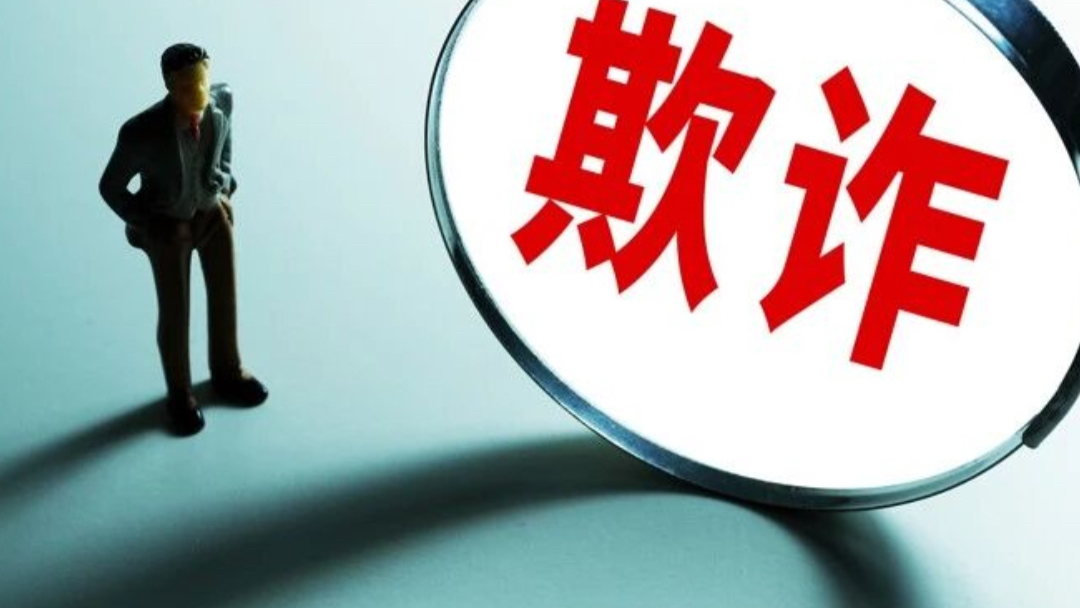
ST Qingyue fined 172 million yuan for suspected fraudulent issuance and illegal letter disclosure
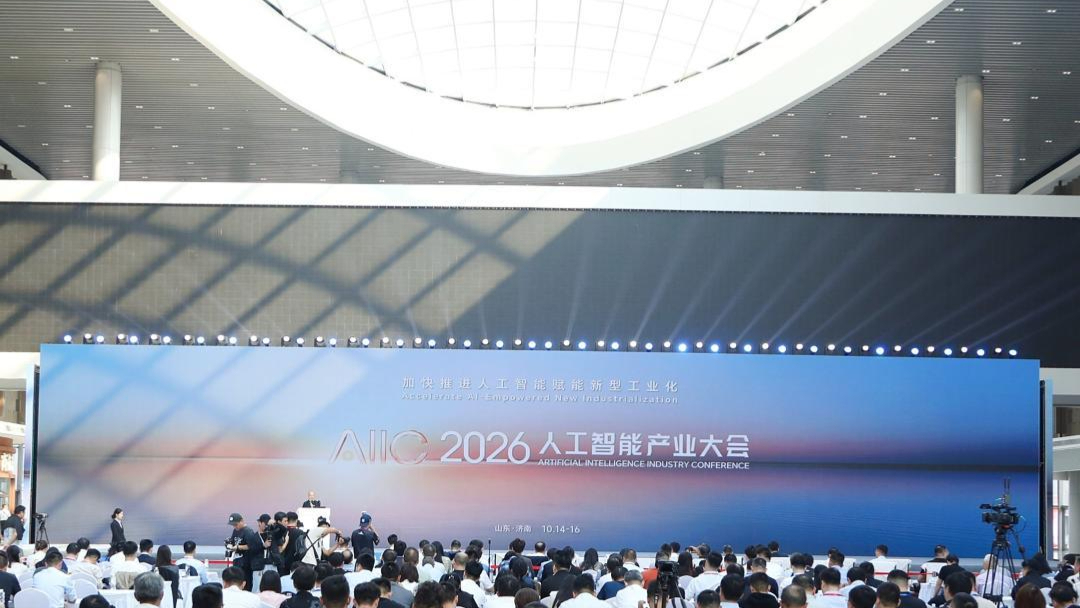
Focusing on "Artificial Intelligence Empowering New Industrialization", the 2026 Artificial Intelligence Industry Conference opens in Jinan
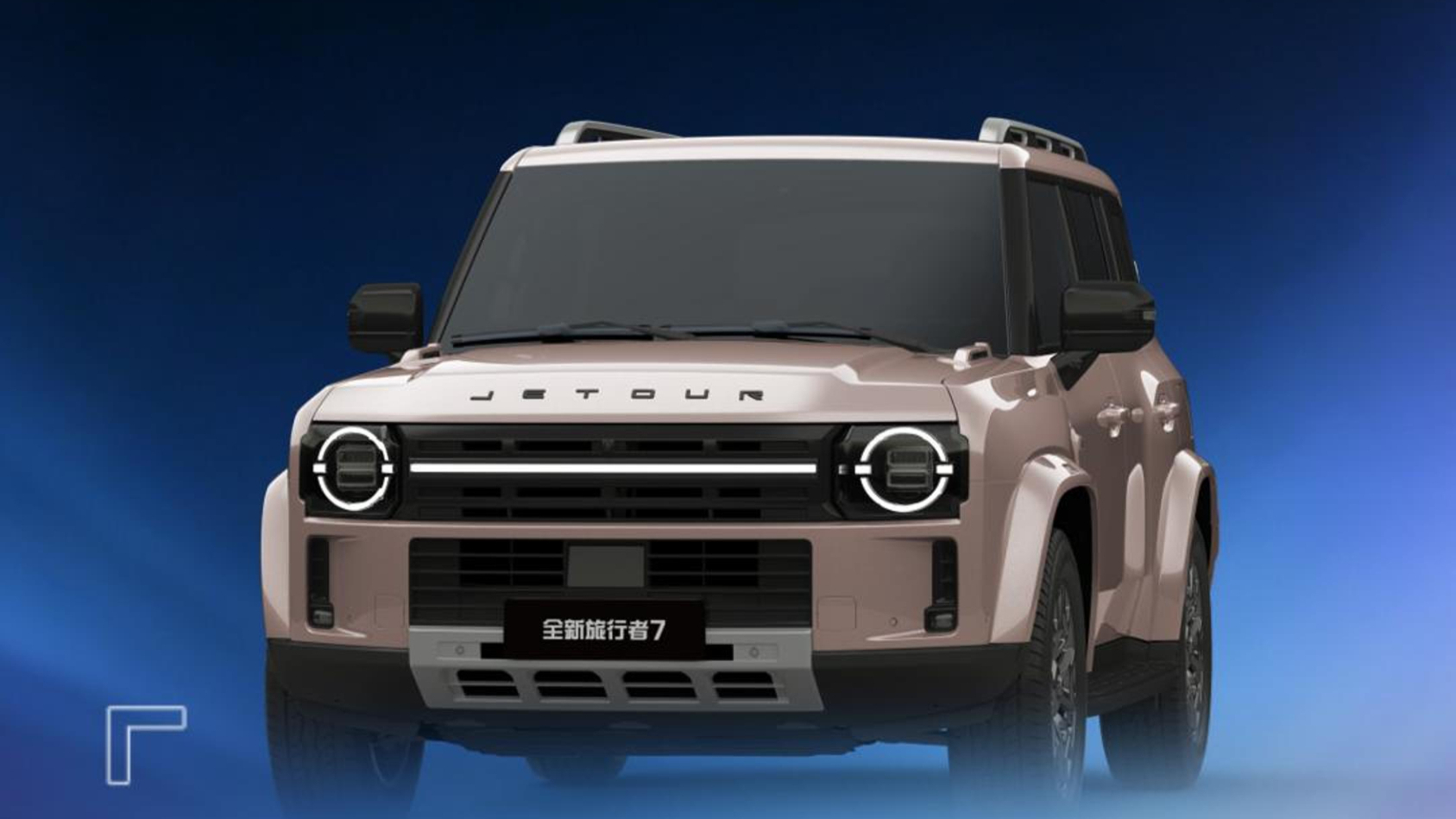
Can Traveler 7 take care of both commuting on weekdays and mountain trips on weekends? This time, the all-new Jetour Traveler 7 will focus on its "Keyo" # Smart Beauty Travel Champion Box # Kecheng Keyo Keyo Travel # 7 Series Square Box New Benchmark # New Traveler 7 Renewal Surprise Price Starting from 125900 yuan