Economic Observer Follow
2026-11-25 09:35

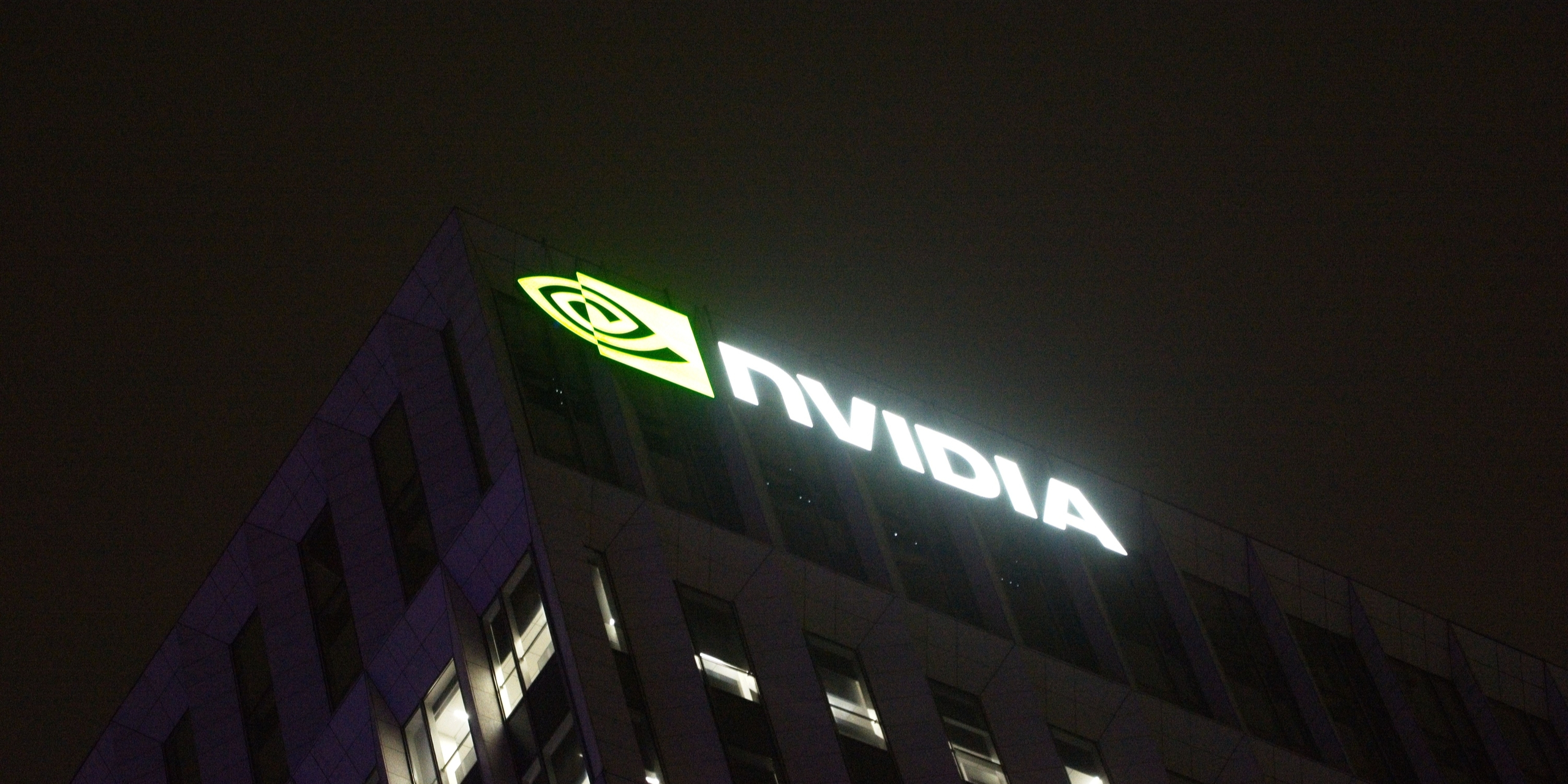
Ma Piao/Wen A company with a market value of nearly $4 trillion completed a round trip to the highest power in 11 days: Huang Renxun resigned as CEO of Nvidia and was invited back by the board of directors.
The board of directors of NVIDIA expressed satisfaction with Huang Renxun's level of honesty and leadership ability after a series of discussions and meetings. The board of directors also stated that it has listened to the opinions of senior officials in the US government and is confident that Huang Renxun's reinstatement does not pose a national security risk.
When a private enterprise needs to include government opinions in the decision-making statement for the appointment and removal of the highest responsible person, the problem is no longer just corporate governance.
This personnel dispute originated from previous issues regarding Huang Renxun's internal lover and reports that he may have become a target of foreign intelligence operations, which triggered an independent investigation by the board of directors. The board of directors has also stated that his personal behavior is inconsistent with the company's code of conduct and cultural norms. On November 12th, Nvidia announced the resignation of Huang Renxun from his positions as President, CEO, and Director. Five days later, Chairman Harvey C Jones also stated during the earnings call that he has no intention of letting Huang Renxun return and has initiated the process of finding a successor. On November 23rd, the board of directors unanimously voted to restore all of Huang Renxun's positions. The board of directors did not provide a clear response in the announcement regarding the issue of internal partners directly violating Nvidia's code of conduct and cultural norms.
During this period, US President Trump publicly expressed his support for Huang Renxun multiple times. On the day of Huang Renxun's reinstatement, Trump told the media that he had directly and indirectly contacted board members and convinced them to change their decision. Nvidia's announcement confirms that the board of directors has listened to the opinions of senior officials in the US government. At least from publicly available information, both government opinions and the president's own push have been involved in this personnel decision.
It is not new for CEOs to resign and then return to their positions. Ultraman resumed his position a few days after being dismissed from OpenAI, and Jobs, Schultz, and Iger also returned to their old positions. The difference of Nvidia is that government opinions are formally written into the decision-making statements of the board of directors.
This difference is very important. The government's provision of national security information to enterprises is fulfilling its public duty; Expressing policy preferences does not necessarily mean that companies lose their autonomy. But if political pressure essentially determines a company's personnel arrangements, the board of directors may shift from a decision-maker to a confirmer. From the perspective of corporate governance mechanisms, the two are completely different.
At present, it cannot be confirmed whether these opinions from the White House provide new security information, change the risk assessment of the board of directors, or substantially alter the choices of the directors. There is insufficient evidence to describe this matter as' the president's words bring the CEO back '; Explaining it as the board of directors independently completing a governance correction, there is also insufficient evidence.
The US government does not have only one voice. Trump publicly pushed for Huang Renxun's reinstatement, and Nvidia's board of directors stated that they had listened to the opinions of senior US government officials; Meanwhile, the federal investigation is still ongoing, and relevant congressional committees have arranged follow-up inquiries. The responsibilities and judgments of different institutions may not be consistent. The enterprise is not facing a simple command, but a set of overlapping and even potentially conflicting power relationships.
This is precisely the new situation that strategic technology companies in the United States are facing: they are still commercial companies, but it is becoming increasingly difficult to act solely according to business logic. Chips are both commodities and national security assets, and other core products related to artificial intelligence cannot escape a similar positioning; The CEO is both a business manager and a key figure in national competition. Shareholders expect companies to maintain independent business judgment, while the government claims responsibility for safeguarding national security.
The market's response seems very clear. On November 23rd, Nvidia's stock price closed up 31.48%, with a market value increase of approximately $950 billion. It should be noted that the rise in stock prices does not prove the absence of governance issues, nor does it indicate that the market has understood this change in power relations. The market may only be pricing for the temporary easing of uncertainty.
Nvidia has established the National Security and Export Control Supervisory Committee and plans to recruit a Chief Compliance Officer. The independent investigation initiated earlier will continue, and the company has stated that it will cooperate with the ongoing government investigation and inquiries. These arrangements are worth paying attention to. How the new supervision and compliance mechanisms can truly play a role, whether these are individual cases or need to be popularized in all strategic technology companies in the United States, still needs to be tested in actual operation.
The leader of a company can be reinstated within a few days, but whether the organization can be restored in the same way as the leader is reinstated remains an unresolved issue.
When government opinions enter corporate decision-making, does the board of directors still have the right to say no? If the final decision is consistent with the preferences of the US government, can Nvidia's board of directors explain to shareholders why this is an independent judgment.
Huang Renxun has returned, but Nvidia's situation may have changed.
(The author is a senior media professional)

Overseas contract manufacturing is restricted, who will take on orders for domestically produced chips?
Financial institutions prepare for a 'good start', marketing workshops become popular

Automobiles hit 'patent wall' while going abroad: BYD accused of appearance infringement, Ti7 temporarily banned from sale in 27 EU countries