2026-11-20 16:30

Shen Jianyuan/Wen
On October 23rd, Signify released its financial report for the third quarter of 2026, which showed a sales revenue of 1.367 billion euros, a 3.4% decline in comparable sales. As Tempelman, Global CEO of Signify, stated in the financial report, "Despite the continued weakness in the market, our profitability has increased month on month, reflecting pricing discipline and strict cost management." This is the market performance six months after the implementation of the "Build+Harvest" strategy, which means that the "harvest" part is contributing profits and cash flow, while the "nurture" part still needs to become a new growth pole.
Previously, in June 2026, Signify announced its "Build+Harvest" strategy on its Capital Markets Day. Build "refers to interconnected lighting, consumer lighting, selected professional sub tracks, and a more focused geographical layout; Harvest "is a business that involves non interconnected LED lighting fixtures, traditional lighting, and a higher degree of commercialization. And propose three sets of strategies for supporting three types of performance regions: maximizing operational leverage for business growth, promoting turnaround for businesses that erode profits, and maintaining high profits for low growth and declining businesses.
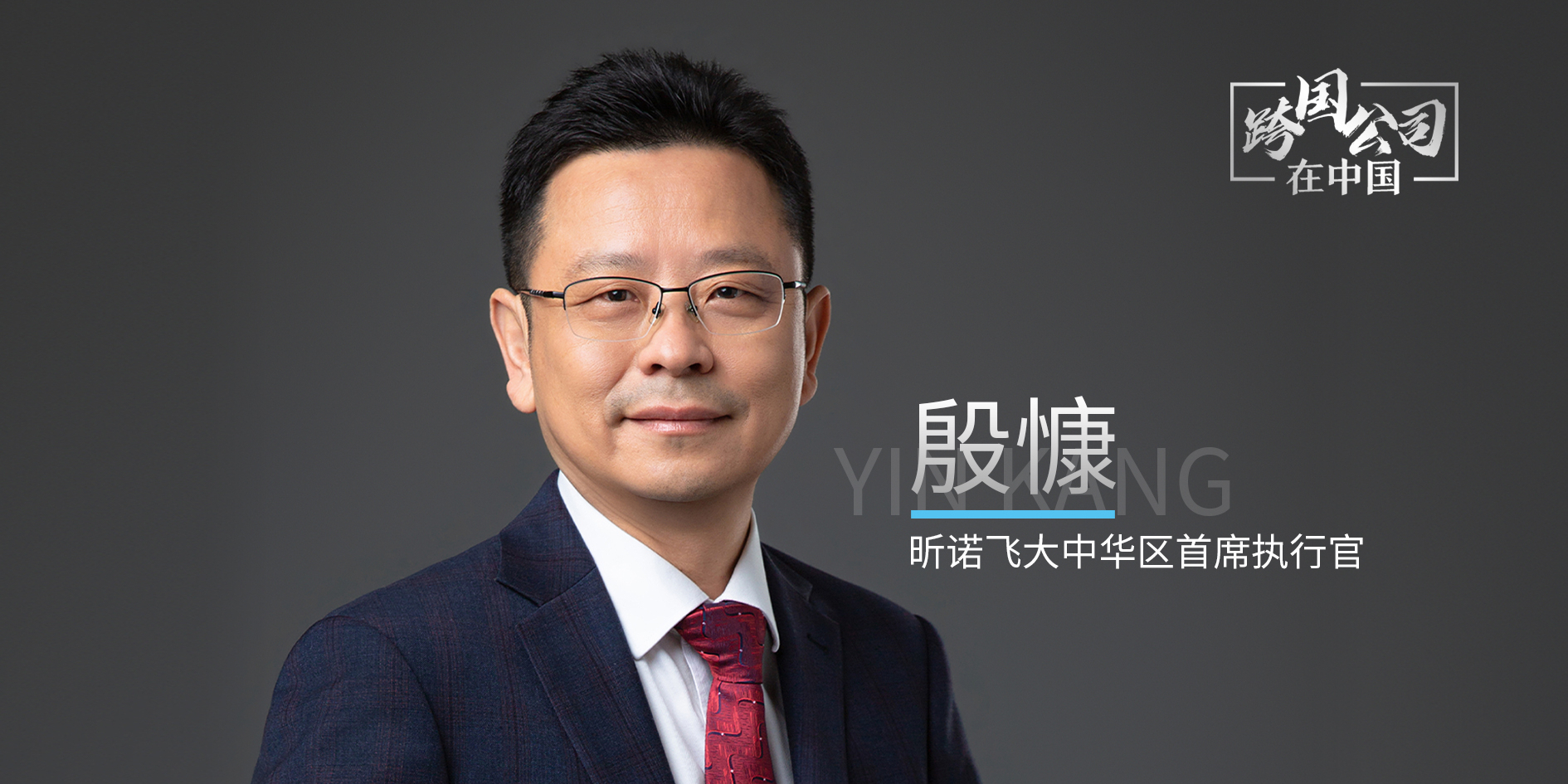
Yin Kang, CEO of Signify Greater China, stated in an interview that 'Build+Harvest' is not simply about dividing businesses into two categories, nor is it about which businesses need to be done and which ones should not be done. The core logic behind it is that we need to answer a question more clearly: where does future growth come from, and where should we invest more resources and capabilities. ”
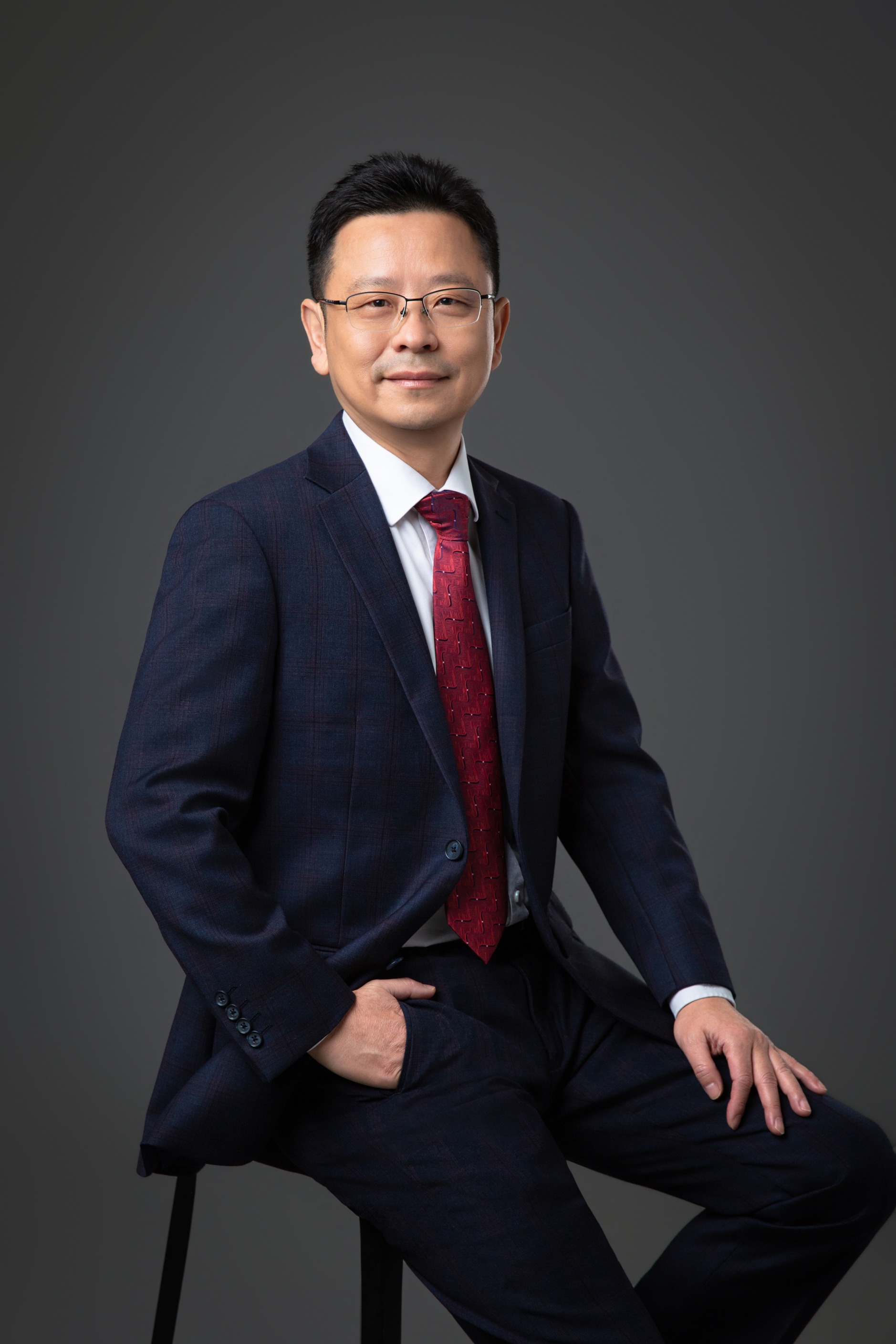
A Century of Accumulation and the Future of AI
Yin Kang joined Xinuofei in August 2025 as the CEO of Greater China. At that time, the Chinese market had been upgraded to a global independent business group of Signify, with Shanghai having Signify's largest R&D center and eight production factories in China.
Before joining Signify, he had multiple entrepreneurial and executive experiences in lighting and real estate. And he held multiple positions in Philips Lighting China, the predecessor of Signify, for twelve years in the 1990s. As a former "veteran of Philips", Yin Kang is well versed in the technology inheritance of the lighting industry and has personally experienced the competition and evolution of the market environment - "Philips lighting products entered China in the 1920s, and China has long been the 'second home' of Signify." At the same time, Signify's consumer business is facing competition from local lighting companies and smart home ecosystems, with a penetration rate far lower than that of Europe and America. In the price range of general home lighting fixtures, it is difficult for a Dutch company to compete with local manufacturers in terms of cost.
Nowadays, China's urbanization rate has reached a high level, and the incremental market stage brought about by rapid growth in the past two decades is undergoing changes. The production capacity that the industry had previously prepared for the period of rapid growth has become somewhat surplus. The pace of rapid growth in the past has changed, and enterprises need to adapt to the new market environment, "Yin Kang said.
In May 2025, Signify released the world's first GenAI intelligent agent focused on the lighting industry; At the end of the same year, Xinuofei teamed up with Dalian High tech Park to upgrade the deployed Interact intelligent interconnected road lighting system to the Interact City Flex system empowered by GenAI intelligent agents and successfully launched it, injecting intelligent "new brains" into the streetlights in the park and introducing lighting management into the new era of artificial intelligence.
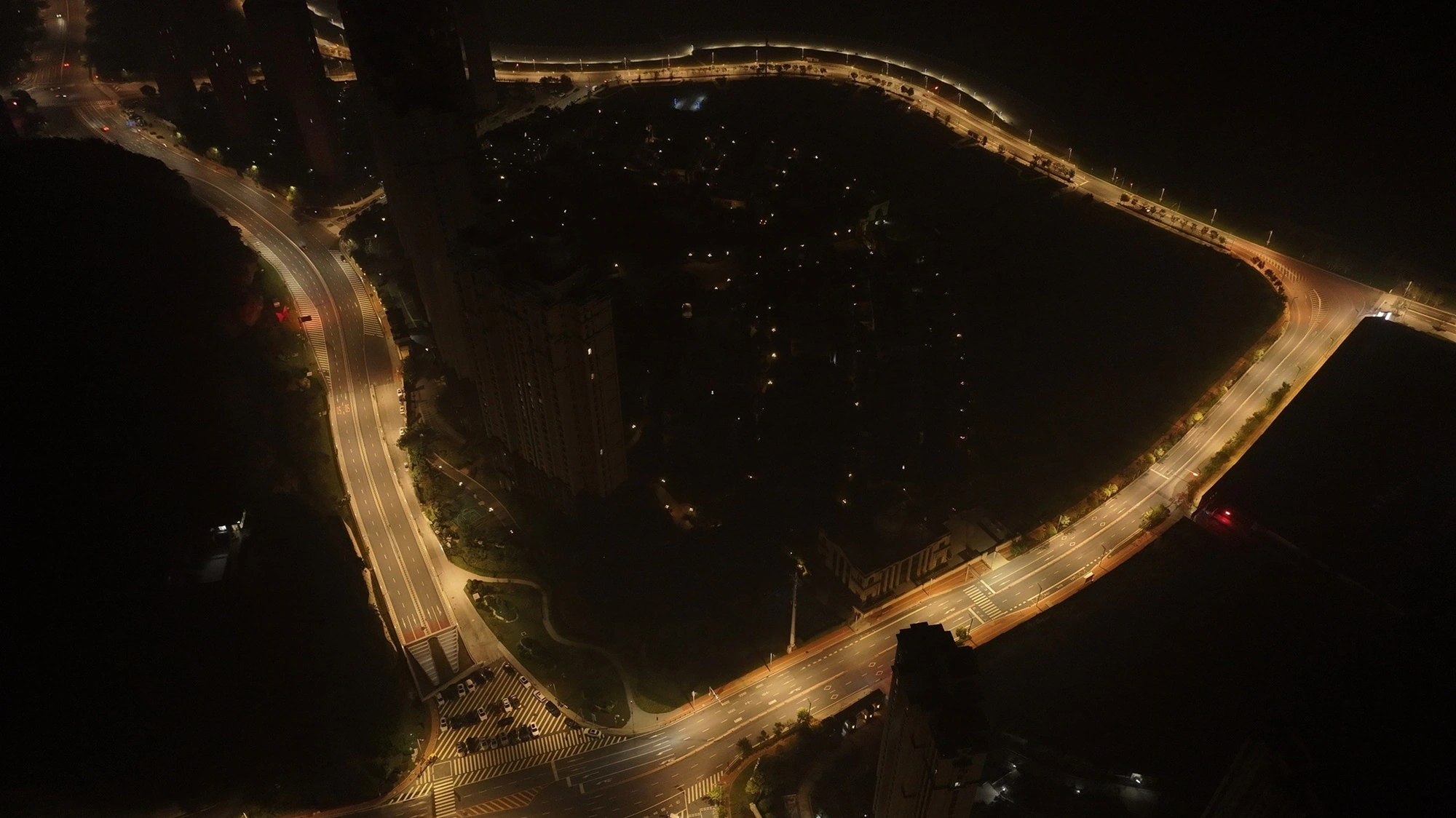
At present, GenAI intelligent agents have passed the first round of intelligent agent evaluation by the China Academy of Information and Communications Technology and received the highest rating (4+level); Xinnuofei is the only member of the Artificial Intelligence Standardization Technical Committee of the Ministry of Industry and Information Technology in the lighting industry, and has obtained the Ministry of Industry and Information Technology's trusted AI certification; In Dalian, the system links traffic flow, weather changes, and public safety alerts in real-time, supporting city level operation 24/7; In office settings, Interact Office Flex creates a full space energy management solution to optimize the operating costs of lighting, HVAC, and other building systems; In landscape scenarios, Interact Landmark Flex reduces content planning costs and cycles by approximately 80%.
Yin Kang believes that the combination of AI and lighting is not simply 'AI+lighting', but will change the working mode of the lighting system itself. ”And Xinnuofei's core competitiveness is not the first intelligent agent in the lighting industry, but rather 135 years of experience accumulation, data accumulation in the field of intelligent interconnected lighting, and real physical scenes that have already been implemented. As of the first quarter of 2026, Signify has over 171 million smart connected lighting locations worldwide, covering homes, offices, roads, and landscapes.
In May 2026, the white paper "Seeing the Smart Future: GenAI Agent Refactoring the New Blueprint of the Lighting Industry" will be released, proposing three strategic judgments: AI will shift from "technology premium" to "native built-in capabilities" of lighting systems, and the focus of competition will shift from parameter scale to actual business revenue generated by unit computing power; In the context of increasingly strict AI safety supervision, engineering management not only serves performance, but also ensures safety and interpretability; AI will reconstruct the talent structure and division of labor in the lighting industry. This is a new blueprint for the lighting industry and also a requirement for Signify's own development. But technology has already entered the scene, and revenue has not yet been included in the report. The commercialization of AI is still at the 'last mile'.
Yin Kang did not hesitate to say that in the Chinese market, our direction is very clear: in terms of professional lighting, we used to provide more lamps and lighting solutions, but now we are further developing towards intelligence and systematization. However, feasibility does not mean marketability. We cannot sacrifice AI for its own sake. We need to stand from the user's perspective and determine what are the real needs and pain points. ”He said.
Global Innovation and Verification Market
In his view, new growth opportunities are hidden within the 'usage cycle'. Lighting has a natural advantage: wherever there is human activity, there are usually lights. The lighting network covers a wide area and can also be combined with sensing, communication, and other equipment systems. He mentioned the lighting in the satellite hall of the airport terminal, which is dynamically adjusted according to the actual situation of the aircraft landing on the bridge; Train platforms control illumination based on personnel activities; In addition to energy conservation, hospitals also need to consider patients' anxiety and the intensity of medical care.
If lighting changes from "time switch" to "status response", from a hardware product to a system that can perceive, connect, and continuously operate. The more important change is that in the past, project delivery was the endpoint, but now delivery is more like the starting point of customer relationships. The lifecycle of the project has been extended, "Yin Kang said." In the operation and maintenance scenario, the purchaser will consider the entire service life. Long term reliability, quality, and actual effectiveness will become more important. Therefore, the existing market is the most certain opportunity for Signify in China
This is a path from "selling hardware" to "selling operations", but it does not mean that service revenue will replace product revenue in the short term. Yin Kang did not shy away: "Our goal is to transform lighting from an independent device into a part of the building's digital infrastructure and better connect it with other systems
In September 2026, Signify will expand the Interact Office Flex from lighting energy efficiency to full space energy management: using sensor networks in lighting fixtures to dynamically adjust HVAC and curtain motors. According to calculations, this capability can cover about 60% of China's existing commercial buildings, and based on its patented algorithm, the overall energy consumption of indoor spaces can be reduced by about 10%.
Previously, the company signed a contract with Xindu District in Chengdu to jointly build the Western Smart Lighting Industry Headquarters Base. These actions all indicate that for a multinational enterprise undergoing strategic transformation, Xinnuofei's business in China is no longer simply "localized".
From the past 'global products entering China' to the current 'China insights, China innovation, China validation, and then going global'. Yin Kang summarized China's unique advantages as the "forefront" of the market into three aspects: a complete industrial chain, rich application scenarios, and an active AI innovation ecosystem. One of the biggest advantages of China today is that consumers change quickly, the scenarios are diverse, and the industrial chain is complete. We can quickly gain insights from consumers, product design, supply chain, and market validation. "He further made a judgment," China is gradually becoming a global innovation validation and output market from a global technology application market
Chinese Scenarios and Opportunities
In the field of consumer lighting, in September 2026, Signify launched the Philips F9M magnetic track street lamp for Chinese households, covering different scenarios such as reading, learning, watching movies, and resting with modular design; At the same time, the sub brand LITEMET is used to supplement the mid-range price band, changing the previous product structure that only had high-end Hue. Yin Kang believes that the purpose of developing F9M is not simply to add a few functions, but rather our judgment of changes in Chinese consumer demand. We hope to rethink whether a lamp can better integrate into family life. ”
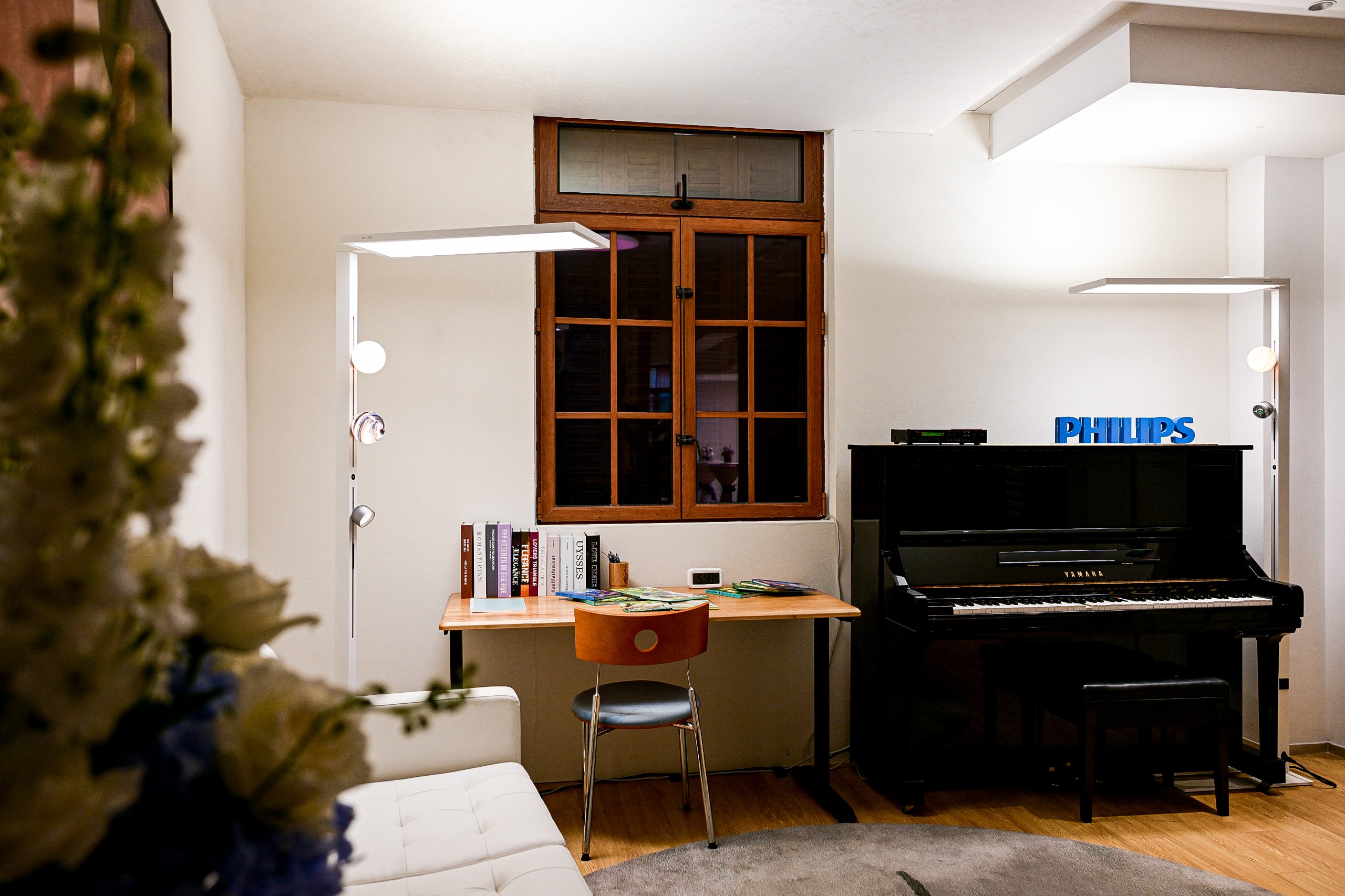
Meanwhile, in the past year, Signify has taken back Philips Lighting's e-commerce flagship store from self operation, previously relying more on distributors and operating companies. The commercial value of this step lies not in sales volume, but in the data: "After operating on its own, it can directly gain more consumer insights and data, promoting the success rate of new product development." The B-end is also changing its entry point. JD Industry has become a new channel for enterprise centralized procurement; The cooperation with Meituan Flash Purchase has brought instant demands such as "changing a light bulb" into instant retail.
As a leader in the lighting industry with 135 years of technological accumulation, Signify holds over 20000 global patents covering the main technical branches of the LED lighting industry chain, including lamp structure, dimming and color matching, drivers, controllers, lighting systems, and communication protocols. And rebuilding the ability to directly reach consumers will shorten the distance to end consumers faster than patent data.
In the third quarter financial report, Signify mentioned its mid-term goal for 2029: comparable sales growth of 0-1%, and set the growth five years later at "zero to one", which is Signify's cautious approach to the industry's development stage.
The most difficult part of transformation is not in the strategic text, but in the organization. Yin Kang believes that the advantages of a mature system for multinational corporations are risk control and long-term operation, but the cost is the speed of seizing opportunities; Chinese companies that have grown through rapid decision-making also face challenges such as corporate illness and market downturns. Both foreign and private enterprises need to think about how to adapt to the new market environment
Yin Kang said, "The way of competition has changed. In the past, it was more about speed, but now it is more about comprehensive strength. Endurance and the ability to sustain business will become more important. Lighting is not a sunset industry, but an evergreen industry. In the past, it was a rapidly developing sunrise industry, but now the industry still exists, with constantly changing luminous technology and product forms. The key is whether you are replacing others or being replaced by others
In the Chinese market, Signify has both very mature businesses and some new opportunities that require time to cultivate. So 'scaling up' became the exam question Yin Kang set for himself.
The Chinese market has never lacked innovation or single point of success projects. The real challenge is how to turn a benchmark project into a solution that more customers can adopt, operate sustainably, and see investment returns. We hope to establish our capabilities first, then verify them through real projects, and finally find commercial scenarios that can be replicated on a large scale. "He said," In the next year, I hope the Chinese market will further break through in two directions: first, to move AI and digital lighting from benchmark projects to large-scale commercial; Secondly, we will continue to leverage Philips Lighting's brand and product advantages in the consumer market. ”
As the head of Signify Greater China, how can we connect the global innovation capabilities of a century old foreign enterprise with the localization opportunities in the Chinese market? Yin Kang replied that he didn't have a ready-made answer yet: "But what attracted me to this matter is that it has challenges and room for exploration." This is probably the most real state of multinational companies in China at present: there is no standard answer, only continuous calibration. The direction of calibration is not to bring global products to China, but to discover demand in China, innovate in China, validate in China, and then bring experience to the world.