2026-11-18 09:37

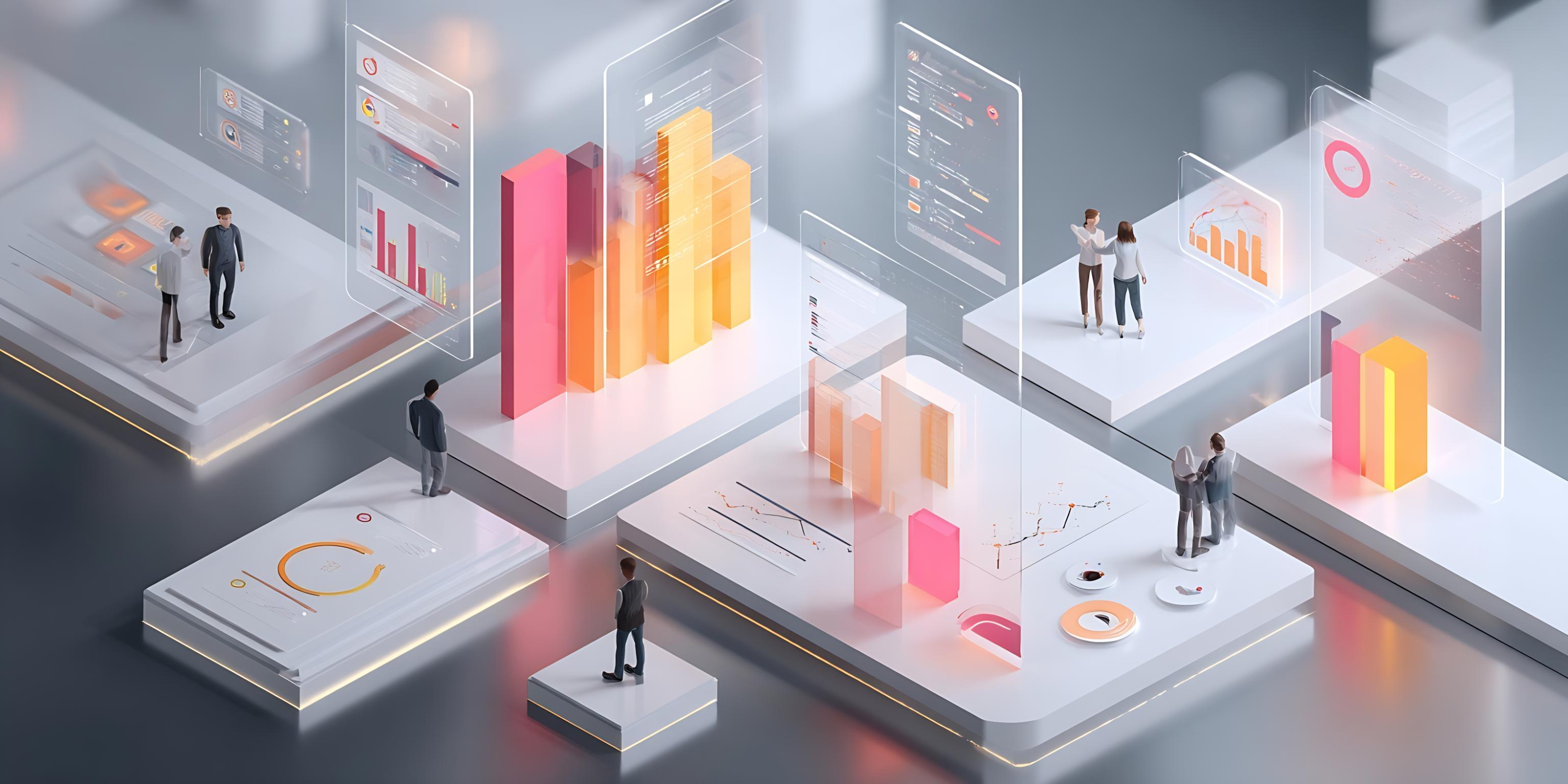
After many companies started encouraging employees to use AI, work became faster, more attempts were made, and employees' problem-solving methods became more flexible. Some people use AI to organize customer information, some use AI to generate initial drafts of solutions, some use AI to analyze data, and some use AI to assist in responding to emails. Many tasks that used to take a long time to complete can now be pushed forward faster.
These changes are worthy of recognition. But as AI usage occurs in every specific workplace, a new management problem also arises.
How employees use AI often occurs in places that managers cannot see. How to write a prompt word, whether a generated result is adopted, whether a customer response is appropriate, and whether a data conclusion can be trusted, these judgments are very detailed and fast. Managers cannot stand at every scene, nor can they see every use of AI.
If you try to manage every use, the organization will become very slow; If completely ignored, there may be problems such as inconsistent direction, unclear standards, and boundary violations.
So, the real problem is not "ignoring AI", but: when managers cannot control every use of AI, how can organizations maintain consistency in judgment?
Management should make subordinates understand what is most important
In 'Common Sense of Management', I emphasized a fundamental judgment when discussing management: management is about making subordinates understand what is most important.
This sentence may seem simple, but it is very important. The job of a manager is not to hold everything in their own hands, nor to have subordinates mechanically execute instructions. What managers really need to do is to let organizational members know: what are goals, what are standards, what are priorities, and what things cannot be deviated from.
Management is not simply about managing people, but about combining people with resources such as tools, information, processes, and partners to work together towards achieving specific goals. Today, AI is becoming a new resource. It can participate in analysis, generation, communication, and execution, but it must serve the organization's true goals to be achieved.
In the past, managers could continuously convey these key points through task allocation, process scheduling, and meeting communication. Today, employees work together with AI, and many judgments occur faster and more dispersed. An employee using AI may generate a customer proposal, a marketing slogan, a set of analysis conclusions, or even an action suggestion within minutes.
At this point, if he is unsure of what is most important, the more efficient the AI, the faster the deviation may be.
AI can help employees complete many actions, but it does not automatically understand what organizations truly value. It doesn't know why a customer relationship is worth maintaining in the long run; Not knowing that a short-term conversion may damage brand trust; I don't know if some data, although available, is not suitable for entering external tools; I don't know if some rhetoric, although effective, doesn't align with the organization's bottom line of values.
These judgments cannot be left to AI to complete on its own.
The more autonomous AI is, the clearer its value judgments need to be
After AI enters the workforce, the challenge faced by managers is not that they become unimportant as their tools become stronger, but that the stronger the tools, the clearer the direction managers need to clarify.
Firstly, AI will optimize goals, but it will not judge for itself which goals are more important.
If organizations only emphasize efficiency, AI will help employees pursue speed; If we only emphasize conversion rates, AI will help employees pursue higher conversion rates; If only cost is emphasized, AI will help employees find lower cost paths.
None of these are wrong. But managers must further clarify that efficiency cannot be achieved at the expense of customer trust, conversion cannot be achieved by misleading customers, and cost reduction cannot result in harming long-term value.
AI can optimize a given goal, but organizations need to decide what goals are worth optimizing. For enterprises, the most important thing is not whether AI is generated quickly or not, but whether it serves customer value and keeps organizational promises.
Secondly, AI can generate solutions, but it will not assume value judgments on behalf of humans.
A plan may appear logically complete, have lower costs, and execute faster; A customer response may be smoother and more persuasive; An analytical conclusion may be clearer and more like an answer.
But whether these contents are appropriate still needs to be judged by people. Does it fit the real situation? Do you respect the interests of customers? Does it comply with organizational commitments? Will it bring long-term risks? These questions cannot be answered simply by whether they are generated well or not.
Employees can rely on AI, but they cannot hand over their judgments to AI.
Thirdly, AI amplifies individual actions, so organizational consensus is more important.
In the past, if an employee couldn't make a clear judgment, the impact could be limited. Today, with the help of AI, an employee can generate more content faster, reach more customers, and drive more processes.
The influence of personal judgment has been amplified. If organizational goals are clear, value standards are clear, and behavioral boundaries are clear, AI will amplify good judgments; If these are not clear, AI will also amplify the bias.
So, after AI enters the workforce, it's not that organizational consensus is no longer important, but rather more important.
Transforming 'importance' into executable judgment rules
Clarify what is most important and not just stay in slogans. If managers only say 'customer first', 'long termism', and 'keeping the bottom line', employees may still not know how to judge in real work. Especially after AI is involved in the work, many choices happen quickly, and only by turning importance into executable rules can employees have a basis.
Managers can start with three things: clarifying goals is to let employees know where to go; Clarifying boundaries is to let employees know that they cannot cross the line; Precipitation judgment is to do better next time.
Firstly, clarify the goals, not just the tasks.
Don't just say 'make a customer solution', but also make it clear: what problems this solution aims to help the customer solve, what kind of relationship we hope to establish, and which short-term benefits cannot be sacrificed for long-term trust.
Don't just say 'increase conversion rate', but also make it clear: what kind of conversion is what we really need, and what methods are effective but cannot be adopted.
Tasks tell employees what to do, while goals tell employees why to do it and to what extent it is considered right.
Secondly, clarify the boundaries, not just efficiency.
AI has made many things faster, but not everything should be entrusted to AI, and not all data can enter AI tools.
Which customer information cannot be entered into external tools?
Which conclusions require manual review?
Which customer communications cannot be entirely generated by AI?
What value bottom lines cannot be broken through?
Clear boundaries prevent employees from losing their judgment in the face of efficiency.
Thirdly, settling down judgments is not solely based on personal experience.
Every good use of AI is an opportunity for organizational learning. Every incorrect use is also a reminder to the organization: where rules are needed, where standards are needed, and where joint judgment is needed.
Managers can consolidate good tips, effective usage scenarios, failure cases, customer feedback, and review conclusions into a shared experience for the team.
In this way, the use of AI is not just a personal skill, but will gradually become an organizational ability.
The responsibility of a manager is not to step back, but to move forward
After AI is involved in work, managers have not become unimportant, but their responsibilities have changed. In the past, managers often corrected their mistakes after the results were released. Today, managers need to clarify their goals, values, and boundaries before taking action. Because AI can make actions happen faster, correcting them after the results are available may already increase the cost.
So, managers don't need to see every use of AI, but they must provide a common sense of direction for every use of AI. Management is not about controlling every action, but about letting organizational members know what is most important in specific actions.
When employees are clear about organizational goals, understand customer value, know the bottom line of value, and are willing to take responsibility for their own judgments, AI will become an amplifier of ability rather than an amplifier of bias.
The more autonomous the tool, the more management needs to return to its essence. When AI enters the workforce, managers need to clarify what is most important.
(End of this article)