2026-11-17 10:41

Economic Observation Network According to the website of the Fujian Provincial People's Government, on November 16th, the Fujian Provincial People's Government issued the "Fujian Province's 15th Five Year Plan for Energy Development" (hereinafter referred to as the "Plan").
The Plan proposes that by 2030, a clean, low-carbon, safe, and efficient new energy system will be basically established, and solid steps will be taken in the construction of a strong clean energy province. The resilience of energy security is stronger, with a comprehensive energy production capacity of 80 million tons of standard coal, a total installed power generation capacity of over 140 million kilowatts, a steady improvement in gas storage capacity, a further improvement in gas transmission network, and the construction of a "four vertical and four horizontal" backbone power grid within the province. The level of inter provincial power mutual assistance has reached a new level. The energy consumption structure is better, achieving carbon peak as scheduled, continuously reducing carbon emissions per unit of electricity generation, achieving the national target for the proportion of non fossil energy consumption, and striving to achieve full coverage of new clean electricity for all new electricity consumption. Energy technology innovation is more dynamic, with advanced nuclear energy, new energy storage, far-reaching offshore wind power, hydrogen energy and other cutting-edge technologies accelerating their layout. The integration of digitalization and intelligence is further deepened, consolidating the foundation of energy industry innovation. Update the energy system mechanism, improve the electricity market mechanism, fully integrate into the national unified electricity market, and orderly develop new models and formats such as zero carbon parks, zero carbon factories, green power direct connections, virtual power plants, and smart microgrids.
In terms of improving the construction of reserve facilities, the "Plan" requires accelerating the construction of LNG receiving stations under construction and building regional natural gas peak shaving reserve bases. Promote urban gas enterprises to enhance their gas storage capacity. By 2030, the annual receiving capacity of LNG receiving stations in the province will reach 15.8 million tons.
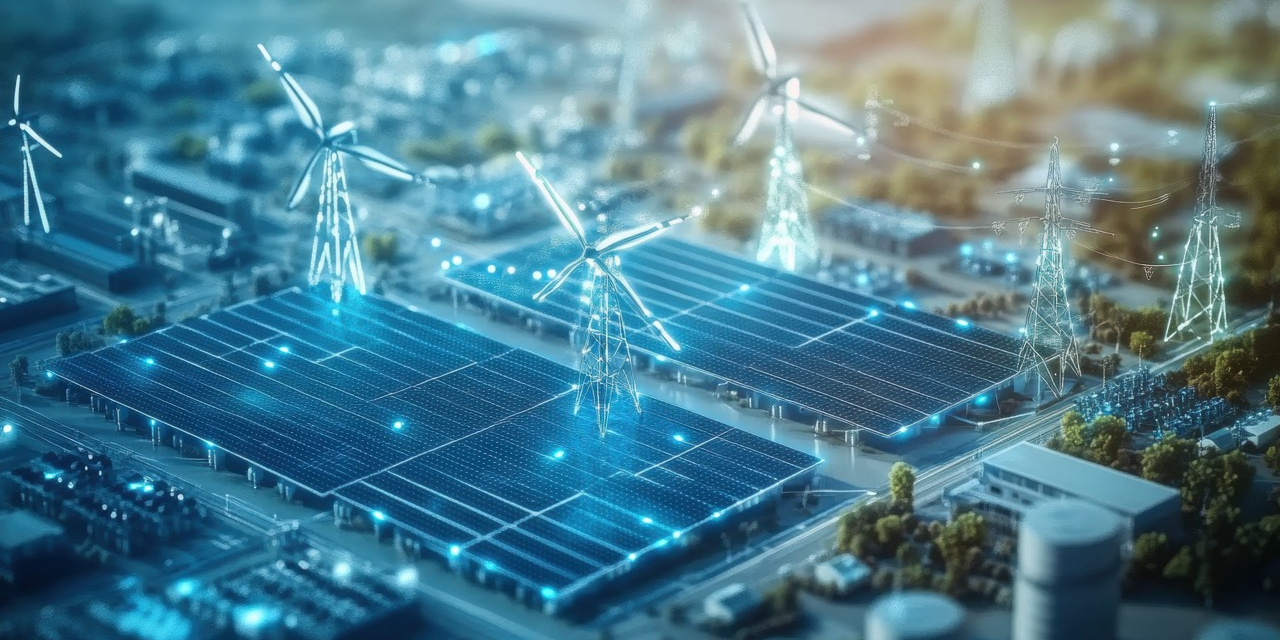
The Plan clearly focuses on the green and low-carbon transformation of energy, coordinates the complementary and coordinated development of multiple energy sources such as nuclear, wind, and solar, deepens the integrated and integrated development of new energy in multiple scenarios, innovates energy production and consumption formats and models, and accelerates the construction of an important national clean energy base. Specifically, it includes actively developing nuclear power in a safe and orderly manner, promoting the safe and orderly construction of nuclear power bases such as Fuding, Xiapu, and Yunxiao, and accelerating the preliminary work of regulatory projects. Ensure the protection of nuclear power plant sites and transmission corridors, and promote the exploration of fourth generation nuclear power reactor application demonstrations for new nuclear power plant sites. Steadily promote nuclear heating projects. In addition, accelerate the development of new energy. Accelerate the large-scale and contiguous development of offshore wind power, and initiate the construction of a deep-sea offshore wind power base in southern Fujian. Steadily promote the development of centralized photovoltaic projects such as fishery photovoltaic complementarity and offshore "wind solar co field". Promote the integrated development of "photovoltaic+" industrial parks, transportation, construction, remote islands, etc., and promote new technologies and models such as photovoltaic building integration, photovoltaic storage direct flexible systems, and photovoltaic storage charging and swapping integration.
The Plan also proposes to improve the energy market mechanism. Among them, establish a sound electricity market mechanism. Implement the transmission rights trading mechanism for the Fujian Guangdong Interconnection Project, fully tap into the utilization potential of channels such as the Fujian Guangdong Interconnection, Fujian Zhejiang Channel, and Fujian Jiangxi Interconnection, and promote the deep integration of intra provincial and inter provincial markets. Promote the comprehensive entry of nuclear power, gas power and other power sources into the market, support new business entities to participate in market transactions, and improve the electricity market mechanism that adapts to the high proportion of new energy development; Comprehensively building a spot market that better discovers prices and regulates supply and demand; Continuously improving the medium and long-term market to ensure the safe and stable supply of electricity; Accelerate the construction of an auxiliary service market that supports flexible regulation of the power system; Create a standardized, orderly, convenient, and efficient retail market. Gradually reduce the scale of power grid proxy purchasing, encourage and support demand side resources to flexibly participate in the electricity market according to their own endowments, and expand the market-oriented scope of various business entities. At the same time, deepen the reform of the oil and gas industry. Encourage social capital to participate in infrastructure construction such as oil and gas pipelines and liquefied natural gas receiving stations. Promote the transition of natural gas transportation prices within the provincial pipeline network to "same network, same price" or "zone pricing", strengthen the coordination of provincial and provincial pipeline transportation systems, guide and support the integration of provincial pipeline networks into the national pipeline network in a market-oriented manner, implement a natural gas upstream and downstream price linkage mechanism, and adjust terminal gas prices according to the mechanism. Support direct sales and pipeline supply between upstream enterprises and downstream urban gas and industrial users, optimize pipeline operation scheduling, and continuously compress pipeline transportation and gas supply levels. Promote diversification of gas supply entities, strengthen fair and open supervision of pipeline facilities, implement distribution separation, and reduce terminal gas costs.