2026-11-15 10:14

Economic Observer reporter Liu Xiaonuo
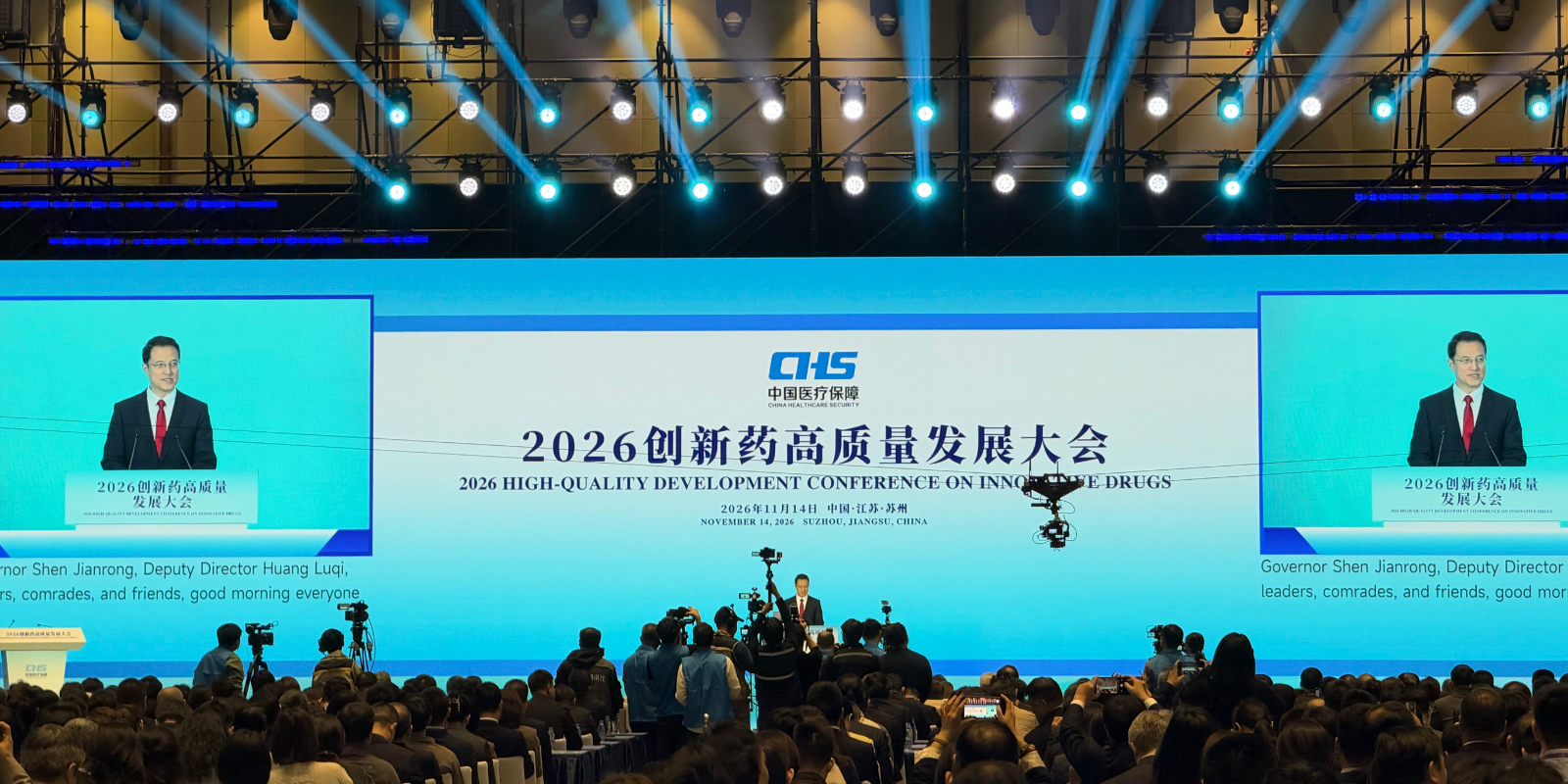
On November 14th, the National Medical Insurance Administration released the 2026 Basic Medical Insurance Catalogue and Commercial Insurance Innovative Drug Catalogue. 107 new drugs have been added to the basic medical insurance drug list, of which 51 are Class 1 innovative drugs, setting a new record in history.
In this adjustment, CAR-T drugs, known as millions of cancer needles, have entered basic medical insurance for the first time, becoming the most eye-catching dark horse. After entering medical insurance, the patient's self payment price may be significantly reduced to the level of 100000 yuan. (See Economic Observer's "A sky high priced medicine with an original price of 1.29 million yuan per pill, now covered by medical insurance")
This medical insurance catalog also includes multiple globally pioneering new drugs that have attracted widespread attention:
Lenconazole monoclonal antibody developed by Baili Tianheng (688506. SH), which was approved in June 2026, is the world's first EGFR × HER3 dual antibody ADC (antibody conjugated drug) and has been approved for the treatment of nasopharyngeal carcinoma;
The world's first approved plant-based recombinant human albumin developed by Heyuan Biotechnology (688765. SH) was approved in July 2025. It is known as "rice hematopoiesis" due to its use of rice endosperm cells as a bioreactor;
The hypoglycemic drug Masidu Peptide Injection under Xinda Biotechnology (01801. HK) was approved in June 2025 and is the world's first GCG/GLP-1 dual receptor agonist.
After this adjustment, the total number of drugs in the national basic medical insurance list reached 3331, including 1935 western medicines and 1396 traditional Chinese patent medicines and simple preparations. The commercial insurance innovation drug catalog released at the same time added 12 new drugs, bringing the total number of drugs in the adjusted catalog to 28. Both catalogs will be officially implemented from January 1, 2027.
In recent years, the medical insurance bureau has raised the banner of "supporting true innovation, truly supporting innovation". But as more and more innovative drugs are included in the medical insurance catalog, the medical insurance fund is also facing pressure that cannot be ignored. On November 14th, several officials from the medical insurance bureau provided policy interpretations on topics such as medical insurance payments and innovative drugs.
Innovative drugs may not necessarily be included in medical insurance
Huang Xinyu, Director of the Medical Service Management Department of the National Medical Insurance Administration, introduced that during the application stage of the basic medical insurance catalog in 2026, a total of 424 new drugs were applied for, 371 of which passed the formal review, 148 drugs passed the expert review, and finally 107 drugs were included. The proportion of drugs that meet the application conditions is 28.8%.
Huang Xinyu admitted that the proportion of drugs that passed the formal review and finally entered the catalog in 2026 is lower than that in 2025, mainly because the number of drugs declared has increased significantly.
He pointed out that the pass rate of formal examination in 2026 has increased because companies are gradually becoming familiar with the standards of formal examination. "Some old athletes have been stuck in the wall for several years in a row and won't come to apply," he said. But the stage with a lower pass rate is expert review, which reduces 371 drugs to 148, with over 60% of drugs failing.
The overall scale of expert review this year is similar to last year, possibly due to the relatively more homogenized drugs in some fields, so competition appears more intense, "said Huang Xinyu.
Huang Xinyu introduced the mechanism of expert review. Each review panel will organize experts to watch the PPT submitted by the company and engage in thorough discussions with the experts. Afterwards, experts independently vote, and the medical insurance bureau sorts the drugs based on their approval rates, then sets a score line to determine which drugs can enter the next stage.
Huang Xinyu pointed out that Class 1 innovative drugs are not clearance documents that have passed expert review.
Some drugs, although classified as Class 1 new drugs, have mostly entered centralized procurement and have limited clinical value. He suggested that companies that are just starting to develop popular targets should re-examine their projects and "also consider cutting off their weapons, as some sunk costs are really sunk".
Some drugs have just been conditionally approved for market, and clinical data is still very limited. In the eyes of experts, their efficacy and safety are highly uncertain, making it difficult for them to pass the review.
Some drugs, although having certain clinical value, do not match the coverage focus of basic medical insurance, such as treating common diseases such as the common cold, or drugs that have a minor impact on health and have a greater demand for improving living conditions.
Some drugs that have not passed expert review have an unreasonable initial pricing. Huang Xinyu said that he understands that some companies want to leave some room for negotiation, "but if your pricing is 10 times that of similar products, the expert voting score will definitely rank lower.
'Bravery' included in new preventive and therapeutic drugs
Huang Xinyu also interpreted which varieties are more likely to pass expert review. Enterprises also need to explore the value of their products. What perspective do you need to tell stories and find evidence from in order to most likely make experts choose
These varieties often belong to the following categories: clinically significant, significantly improving overall security performance; High clinical value, able to fill gaps or shortcomings in medical insurance coverage, and affordable by the fund; Class 1 innovative drugs that can enrich clinical choices and have reasonable prices; Improved new drugs or Class 3 drugs with high clinical value or unique application scenarios; Drugs with high social value and targeted towards specific key populations.
He focused on sharing the three hemophilia drugs included in the medical insurance this time, namely Amizumab, Mataximab Injection, and Fentosiland Sodium Injection.
Hemophilia is a rare genetic disease in which patients lack sufficient clotting factors and are prone to spontaneous bleeding in joints, causing severe pain and disability risk. The traditional treatment method is to directly inject clotting factors into the patient. At present, the use of coagulation factors by adult patients after bleeding can be reimbursed by medical insurance, but the use for prevention before bleeding is not reimbursable.
In 2022, a series of medical insurance fraud cases occurred in Zhejiang and other places. Some people fabricated the fact of bleeding and prescribed excessive drugs, and pharmaceutical companies then gave rebates to patients who purchased drugs. Some pharmaceutical representatives, doctors, and patients have been sentenced.
The above-mentioned drugs belong to new non coagulation factor drugs that can be used for prevention and treatment. Huang Xinyu stated that the medical insurance department has been paying close attention to these drugs. If sufficient coagulation factors are used for preventive treatment, the annual treatment cost for adult patients can reach 600000 to 700000 yuan, which puts significant pressure on the medical insurance fund. In theory, several new drugs are expected to meet the preventive treatment needs of patients while saving medical insurance expenses.
We bravely tried to include these new drugs in medical insurance this year, "Huang Xinyu said." We also require real-world research on them to see if they can reduce the number of annualized bleeding in patients and whether the impact on the fund can meet expectations. This directly affects how we renew our contract in two years
Old drugs may face further price reductions
Zhang Ke introduced that the annual sales of negotiated drugs driven by medical insurance exceed 170 billion yuan, which is four times that of five years ago.
On November 14th, the National Healthcare Security Administration released the "Annual Report on National Healthcare Security Innovative Drug Procurement (2026)" (hereinafter referred to as the "Report") for the first time, which presents the impact of healthcare security on innovative drugs from multiple dimensions.
Ding Yilei, Director of the Medical Price and Bidding Procurement Guidance Center of the National Medical Insurance Administration, introduced that from 2024 to 2025, the procurement amount of Guotan Pharmaceutical will increase from 116.8 billion yuan to 172.5 billion yuan, and the total drug procurement amount on the national medical insurance information platform will increase from 996.2 billion yuan to 1046.2 billion yuan during the same period.
Ding Yilei pointed out that "while the total cost of drugs has increased by 5%, the cost of Chinese medicine has increased by 48%", which provides greater market space for innovative drugs.
He also stated that by 2025, 84.2% of national pharmaceutical companies will achieve dual growth in procurement amount and usage, with a few drugs experiencing a decrease in procurement amount, partly due to the replacement of more advanced treatment options.
According to the report, 84 new drugs will be added to the national medical insurance negotiations in 2024, with a procurement amount of 9.1 billion yuan by 2025; 105 new drugs will be added to the national medical insurance negotiations in 2025, with a procurement amount of 7.6 billion yuan from January to October 2026.
Huang Xinyu admitted that under the premise of facing significant pressure on the growth of medical insurance fund expenditures, in order to support the development of innovative drugs, it is necessary to adjust the internal structure of drug costs, and some old drugs may face further price reductions.
Huang Xinyu revealed that the National Healthcare Security Administration may focus on promoting the reform of medical insurance payment standards related to centralized procurement in the next step. Previous explorations have been conducted in Shanghai, Hebei and other places.
For example, starting from May 2026, Shanghai will implement new payment standards for some of the medical insurance listed drugs in the 11th batch of national centralized procurement, and determine the upper limit of medical insurance reimbursement based on the selected price in centralized procurement. Simply put, if the selected price for a drug in centralized procurement is 10 yuan, and the same type of original drug is sold for 50 yuan, medical insurance will only pay according to the standard of 10 yuan, and the excess will be borne by the patient themselves.
Some original pharmaceutical companies may feel pressure, but this is the trend and reasonable from international experience, "said Huang Xinyu.
The report also intuitively shows that whether or not to enter the medical insurance catalog will directly lead to the differentiation of innovative drug sales.
Ding Yilei introduced that out of the 48 Class 1 new drugs approved in 2024, 19 were included in the basic medical insurance catalog announced that year. Divide the drugs included and not included in the catalog into two groups. In 2024, the procurement amount for both groups of drugs will be approximately 20 million yuan; By 2025, the drug procurement amount of the directory group has increased to 1.08 billion yuan, while the latter is only 190 million yuan.
Ding Yilei also cited PD-1 anti-cancer drug as an example. A PD-1 drug that entered the medical insurance catalog earlier, the number of hospitals that purchased it before entering the catalog was less than 50, but now it has exceeded 3800. The procurement amount from January to October 2026 was 2.2 billion yuan, which is 17 times the base period. The PD-1, which entered medical insurance later, has increased the number of hospitals purchased from less than 300 to over 2600, with a procurement amount exceeding 800 million yuan.
But there is still a PD-1 that has not entered medical insurance, which follows the "price for quantity" route. The number of hospitals purchased from January to October 2026 is still 200, and it is showing a downward trend. The purchase amount is about 200 million yuan, an increase of only 18% compared to the base period.
Transferring from commercial insurance directory to medical insurance still enjoys the "three exclusions"
CAR-T drugs have become the biggest highlight of this catalog adjustment, and also explore the connection between the basic medical insurance catalog and the commercial insurance innovative drug catalog.
In 2025, the National Healthcare Security Administration will establish a list of innovative drugs for commercial insurance for the first time, with the first batch of 19 drugs included. In 2026, drugs listed in the commercial insurance innovative drug catalog can apply for basic medical insurance. Seven drugs in the commercial insurance innovative drug catalog used this rule to pass the basic medical insurance, and ultimately two drugs passed.
Huang Xinyu emphasized that relevant drugs can still enjoy the original commercial insurance innovative drug support policies, including the "three exclusions", during the two agreement periods (i.e. within four years) after being transferred to the basic medical insurance.
The so-called "three exclusions" refer to drugs in the commercial insurance innovation new drug catalog that are not included in the basic medical insurance self payment rate indicators of medical institutions and are not included in the monitoring of alternative varieties in centralized procurement; For innovative drug use cases that fall within the scope of commercial health insurance coverage, after review and evaluation, they may not be included in the scope of payment by disease.
Huang Xinyu explained that retaining the support policy for four years is to dispel the concerns of enterprises about transferring from the commercial insurance innovative drug catalog to the basic medical insurance, so as to avoid difficulties in prescribing drugs after they are transferred to the basic medical insurance catalog.
Medical Insurance Bureau helps ensure drug compliance in hospitals
After the adjustment of the medical insurance catalog, how to implement innovative drugs into hospitals has become the most important task.
On November 10th, four departments including the National Health Commission and the National Medical Insurance Administration announced the "Notice on Further Improving the Safe and Reasonable Allocation and Use of Innovative Drugs", which put forward multiple specific requirements regarding the issue of Class 1 innovative drugs entering hospitals.
On November 14th, Zhang Ke, the director of the National Healthcare Security Administration, said that the administration has promoted pre communication for reference drugs, pre application for unlisted new drugs, pre negotiation for innovative drug prices, and pre approval for innovative drugs, medical devices, and services over the past year. In the future, it will also promote the "pre admission" of new drugs in the catalog.
Zhang Ke stated that one week after the end of this conference, the National Healthcare Security Administration will work with some universities to carry out face-to-face activities for medical insurance education in 12 cities, allowing innovative technologies and the latest achievements to "enter hospitals, pharmacies, prescriptions, and classrooms".
Director Zhang's words touched upon our hearts, "said Zhu Yi, founder and chairman of Baili Tianheng, as a representative of the company. After listening to Zhang Ke's speech, he immediately adjusted his speech, saying," We must make every effort to ensure supply and strive to make innovative drugs with breakthrough therapeutic effects benefit urgently needed patients in various places.
The medical insurance bureau is almost feeding the food to their lips, "Huang Xinyu joked. He explained that the medical insurance bureau has invested a lot of effort in organizing these face-to-face activities, hoping to provide a communication platform for enterprises to legally and compliantly explain their own drugs to hospital directors and pharmacy directors.



 Subscribe