Economic Observer Follow
2026-11-12 11:02

Economic Observer reporter Song Fuli
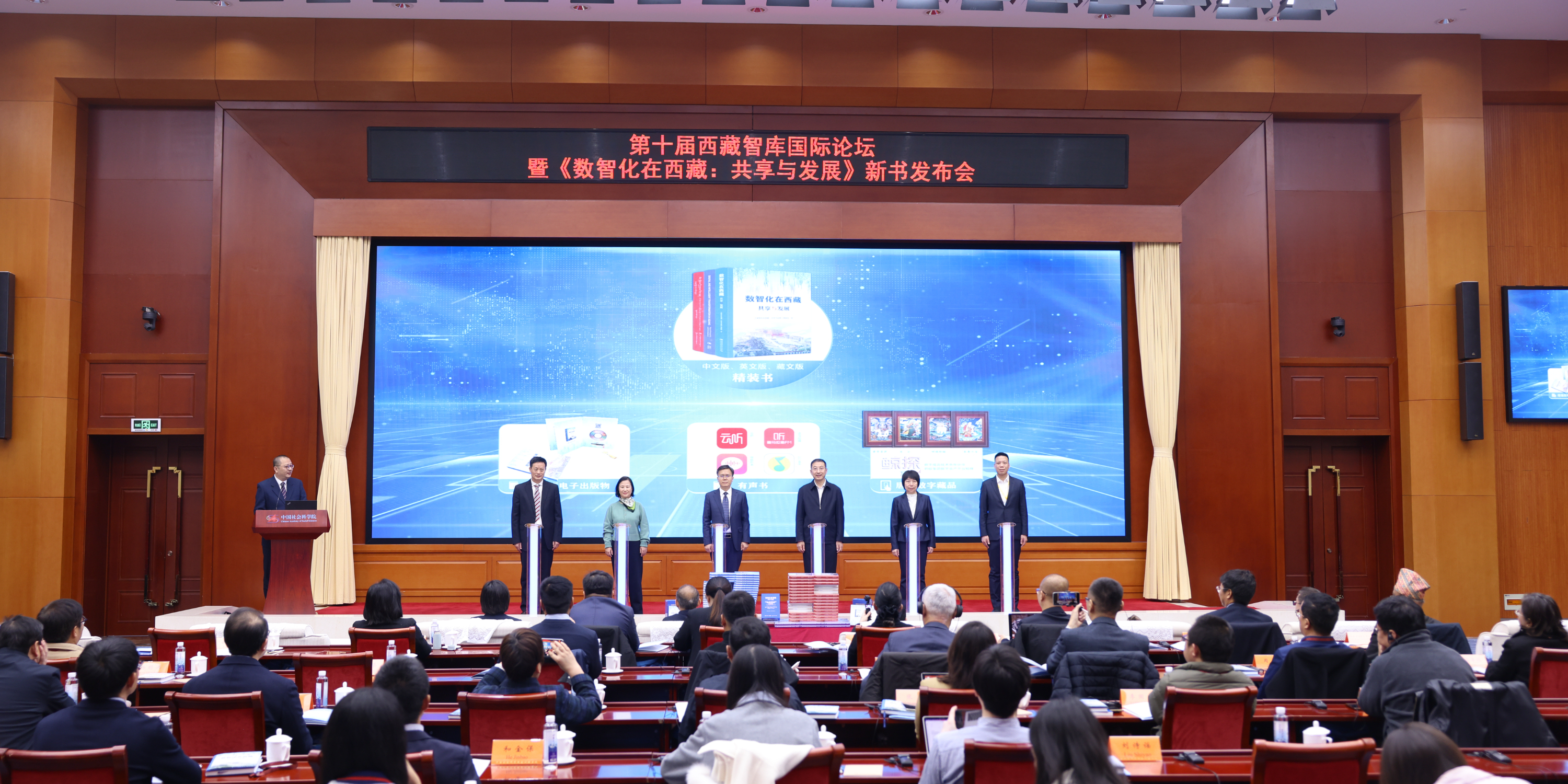
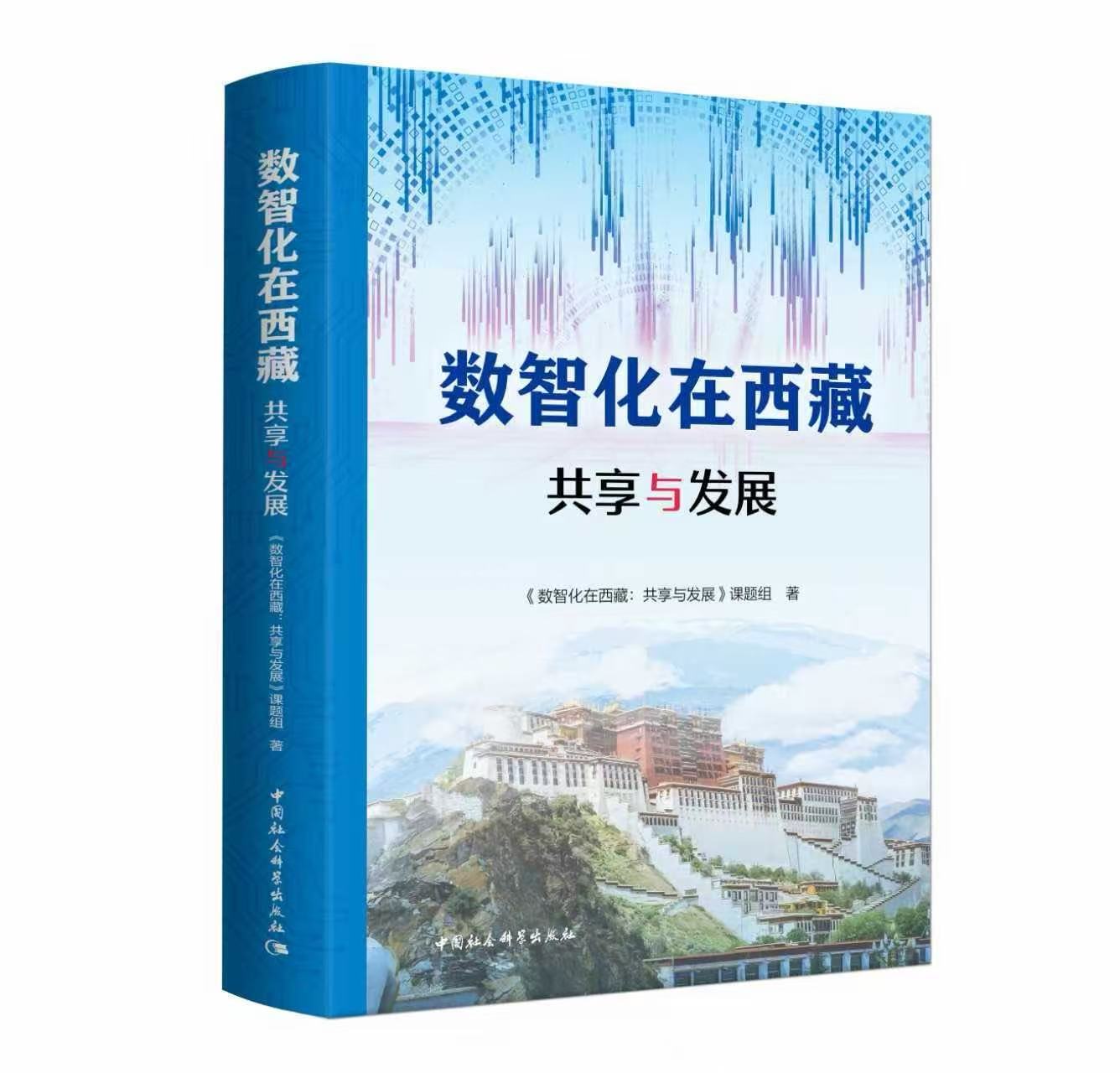
On November 10, 2026, the 10th Xizang Think Tank International Forum and the launch of the new book "Digital Intelligence in Xizang: Sharing and Development" with the theme of "Digital Intelligence Practice in Xizang under the New Development Concept" was held at the Chinese Academy of Social Sciences.
The forum was co sponsored by the Institute of Ethnology and Anthropology of the Chinese Academy of Social Sciences, the Xizang Think Tank of the Chinese Academy of Social Sciences, and the China Social Sciences Press. The book "Digital Intelligence in Xizang: Sharing and Development" was written by the research group of the Institute of Ethnology and Anthropology, Chinese Academy of Social Sciences, based on in-depth research in Xizang. It was published by the China Social Sciences Press, the China Tibetan Studies Press and the British Press, and issued in Chinese, Tibetan and English simultaneously. The Chinese version of the book is simultaneously launched online as an e-book and audiobook, meeting the diverse and fragmented reading needs of readers.
Three front-line practitioners from Xizang described their experiences related to digital intelligence. Chen Yuanhan, a Tibetan aid doctor and chief of the Science and Education Department of Linzhi People's Hospital, introduced the practical experience of digital intelligence and empowerment of Xizang's medical care; Jirenji, the operator of Yazhuo Agricultural and Livestock Products Sales Department, shared his experience of relying on live streaming e-commerce to drive high-altitude specialty products to the market; Zhaxi, a villager in Caizhao Village, Milin City, Xizang, told about the changes brought by digital intelligence to the production and life of farmers and herdsmen by comparing the old and new lives of the Luoba people.
Gesang Zhuoma, Deputy Director of the Socio Economic Research Institute of the China Tibetan Studies Center, shared that Xizang Autonomous Region has a special situation. Because of the cold, hypoxia, permafrost and ecological protection red line, the unit cost of infrastructure has been raised and the selection of station sites has been compressed. Such natural conditions determine the high cost of infrastructure construction. Under such constraints, Xizang has earlier turned to the mobile priority of digital technology. Through the joint action of universal service compensation, counterpart assistance to Tibet and project system investment, the optical broadband access rate of administrative villages has reached 100%; 26000 5G base stations have been built, and 94% of administrative villages have access to 5G. The population density of Xizang is less than 1/47 of that of the whole country, and it has 70.8 5G base stations per 10000 people, ranking first in the country. The equality of digital intelligence technology access has become a fait accompli in Xizang, with remarkable achievements. By 2025, the online retail sales in the entire region will reach 28.02 billion yuan, an increase of nearly 20% compared to the previous year. Physical goods will account for 21.6% of the total retail sales of consumer goods, and there will be 75600 related employees.
Gesangzhuoma believes that digital technology provides a common technological foundation for empowering industries and improving people's livelihoods, but it also means that the benefits after integration need to be achieved through market organization and systems. The empowerment of digital technology in Xizang still needs three transformations: first, from "accessible" to "well used". The access at the village level has been basically completed, and the focus now is on whether it is needed, whether it will be used, and whether there will be any benefits if it is used. The focus of assessment should also shift from accessibility rate to utilization rate, repurchase rate, and retention rate; Secondly, shift from industry empowerment to placing equal emphasis on both industry and people's livelihood. Viewing livelihood investment as development investment is the most valuable part for promotion; Thirdly, shift from material abundance to equal emphasis on both material and spiritual aspects. The digitization of education, culture, and language enhances abilities and perspectives; Farmers and herdsmen can start live broadcasts, deliver goods, and set prices on their own, achieving a transformation of identity.
Jiang Wei, director of the Research Office of Tibetan Studies and Xizang Development of the Institute of Ethnology and Anthropology of the Chinese Academy of Social Sciences, shared that Xizang has formed a combined energy system dominated by hydropower and complemented by geothermal, wind, solar and other clean energy. As of November 2025, the proportion of clean energy power generation exceeds 98%, making it the region with the highest proportion of clean energy power generation in the country.
With the power grid intellectualizing and empowering UHVDC, clean and abundant green energy has significantly optimized the energy supply structure of Xizang and played an important role in the national energy pattern: on the basis of ensuring local power demand, the "Tibetan power transmission" channel has been gradually opened up during the wet season, covering 19 provinces and regions in five regions of North China, East China, Northwest China and Southwest China. Since the first green power transmission was realized in 2015, by January 2026, Tibetan power transmission has created economic benefits of more than 4.2 billion yuan for Xizang and reduced carbon dioxide emissions by about 14.14 million tons. At the same time, Xizang's external power transmission and internal power transmission are also considerable: power supply and demand are growing at the same time. In the first three quarters of 2026, the power consumption of the whole society increased by 15.7% year on year. The growth of power consumption has raised the requirements for guaranteeing power supply in dry season and at night. In the first quarter alone, Tibetan DC power transmission reached 1.43 billion kWh, an increase of more than 50% year on year.
Jiang Wei believes that Xizang's green contribution and the mainland's power supply guarantee reflect the characteristics of synergy and mutual assistance between the border and the mainland. And digital intelligence is also boosting the construction of Xizang's clean energy base and sharing green development opportunities.
It is understood that the Xizang Think Tank International Forum of the Chinese Academy of Social Sciences has been held for 10 consecutive times since 2017. The theme of each session revolves around major theoretical and practical issues in the field of Tibetan research, and has become an important platform for Chinese and foreign scholars to engage in dialogue on Tibetan research. At this forum, experts and scholars from countries such as Russia, Nepal, Mongolia, Japan, and Ghana, as well as representatives from domestic universities, research institutions, and publishing units, participated in the event through a combination of online and offline methods.


 Subscribe